Walking through Warsaw (N E Eur#4)

Dear Friends and Family,

Dzien Dobry! (“Good day”)

Varshava (That’s “Warsaw” in Polish,) is the capital of Poland and has a population of 1.7 million.

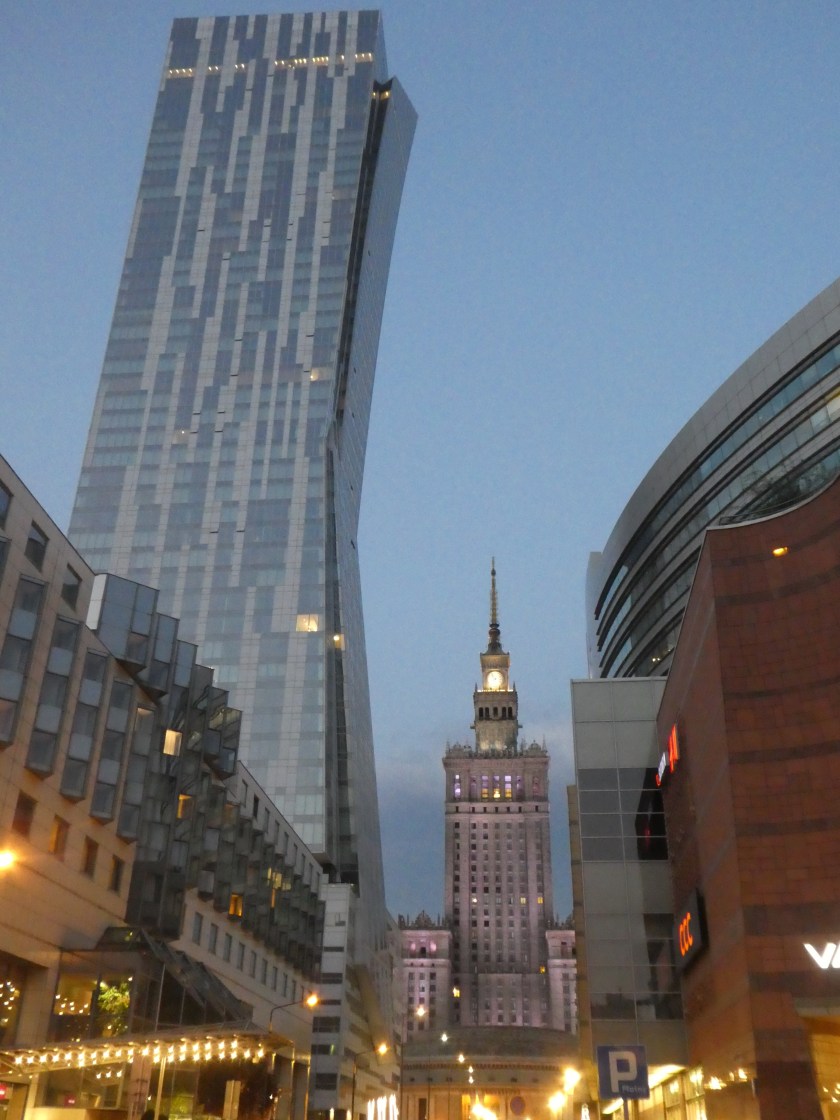
As you can imagine, Polish is not easy to learn. Fortunately, we were always able to find someone who spoke enough English to help us out with directions, etc. People were pretty friendly. So far we can only say thank you, good day, yes, no, excuse me and toilet, in Polish. The time is indicated in a different way than Bruce expected. He paid for the 2am train to Warsaw, when he meant to book the 2 pm (14:00) train. Consequently, we got to the station twelve hours too late and had to fork over $70 for new tickets. We arrived at Warsaw Central Station in no time on a spiffy Express train. Warsaw Main Station is next to a giant plaza and modern mall where we ate in unique food court venues and enjoyed seeing Mission Impossible and Mama MIA in style, with Polish subtitles.

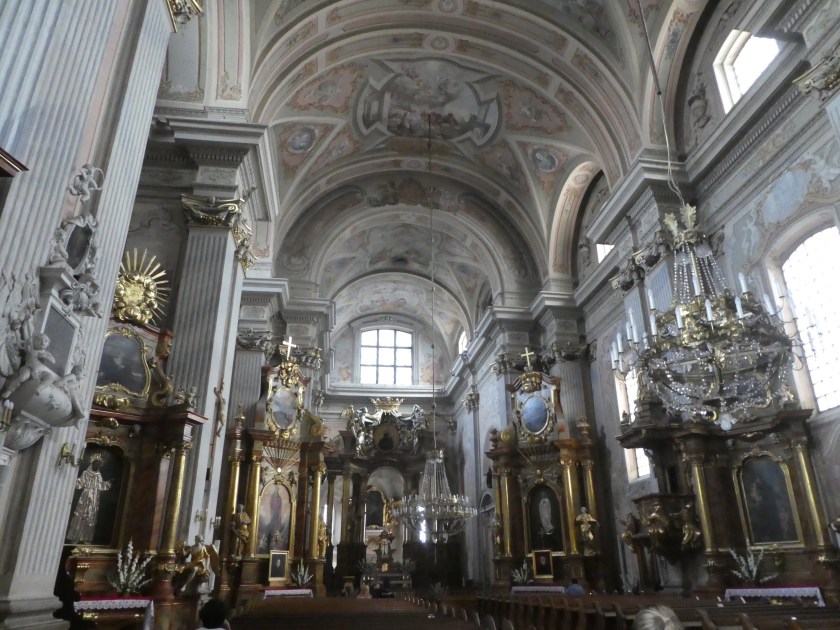
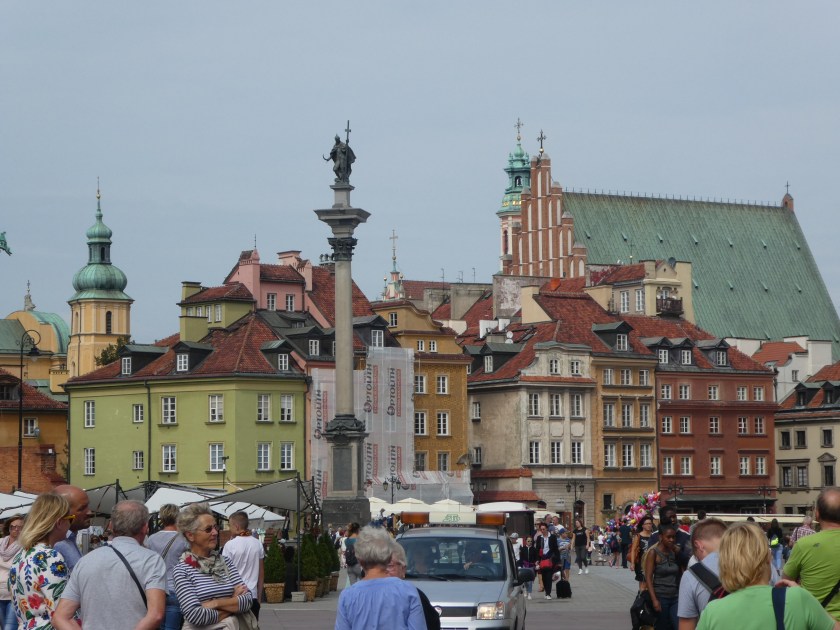
The Nazis completely leveled Warsaw. Consequently, Old Town here is a kind of plastic replica. It was completely reconstructed, including the Royal Palace, churches, etc. They were fortunate to have detailed paintings of Warsaw by Bernardo Bellotto Canalotto. We took the free walking tour around old town and learned a lot, but it felt like we were walking through a Hollywood movie set, especially after having been in Gdańsk, where so many of the buildings are original.

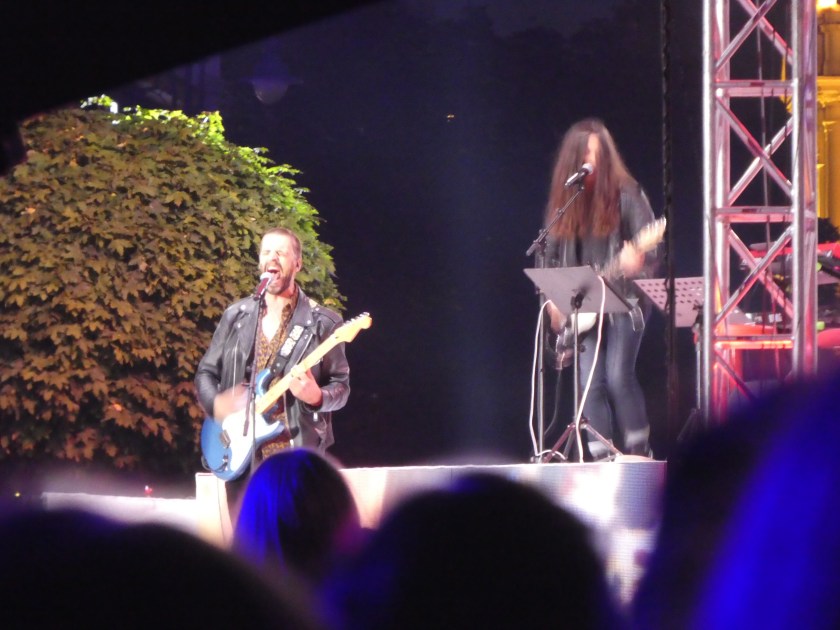
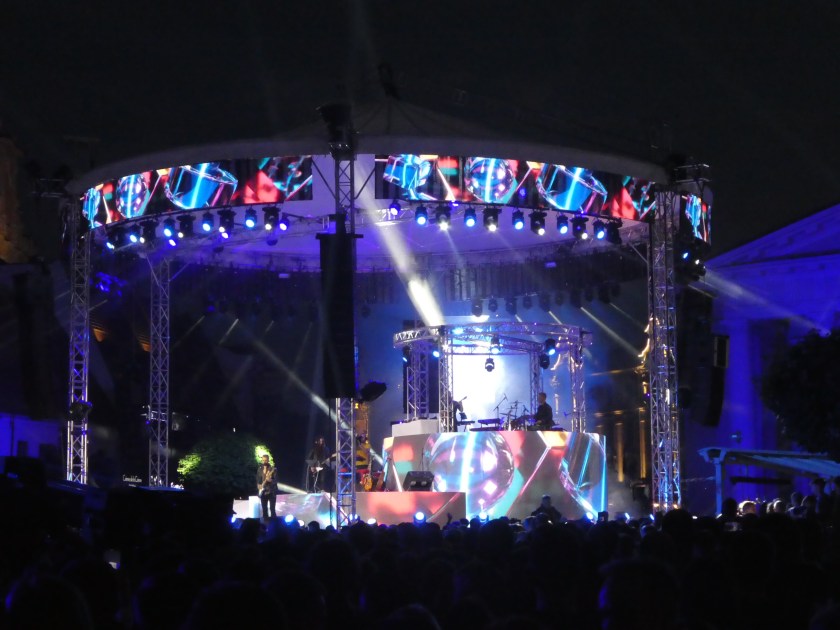
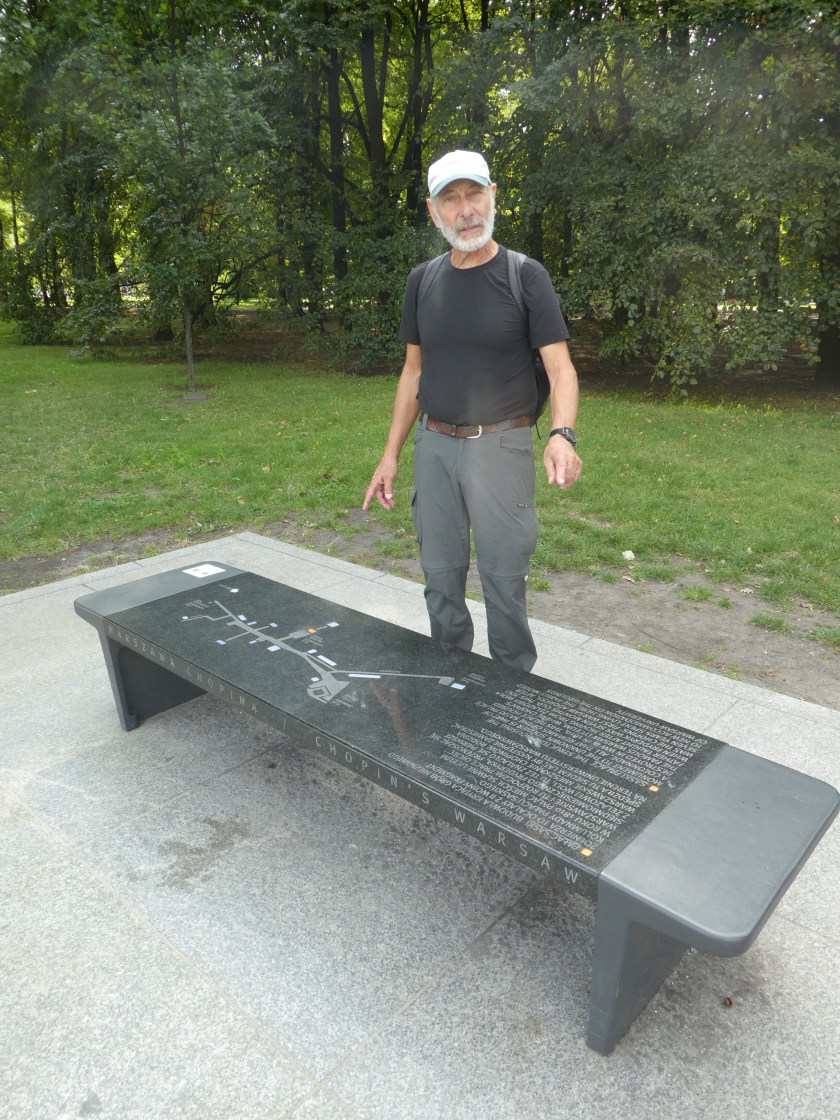
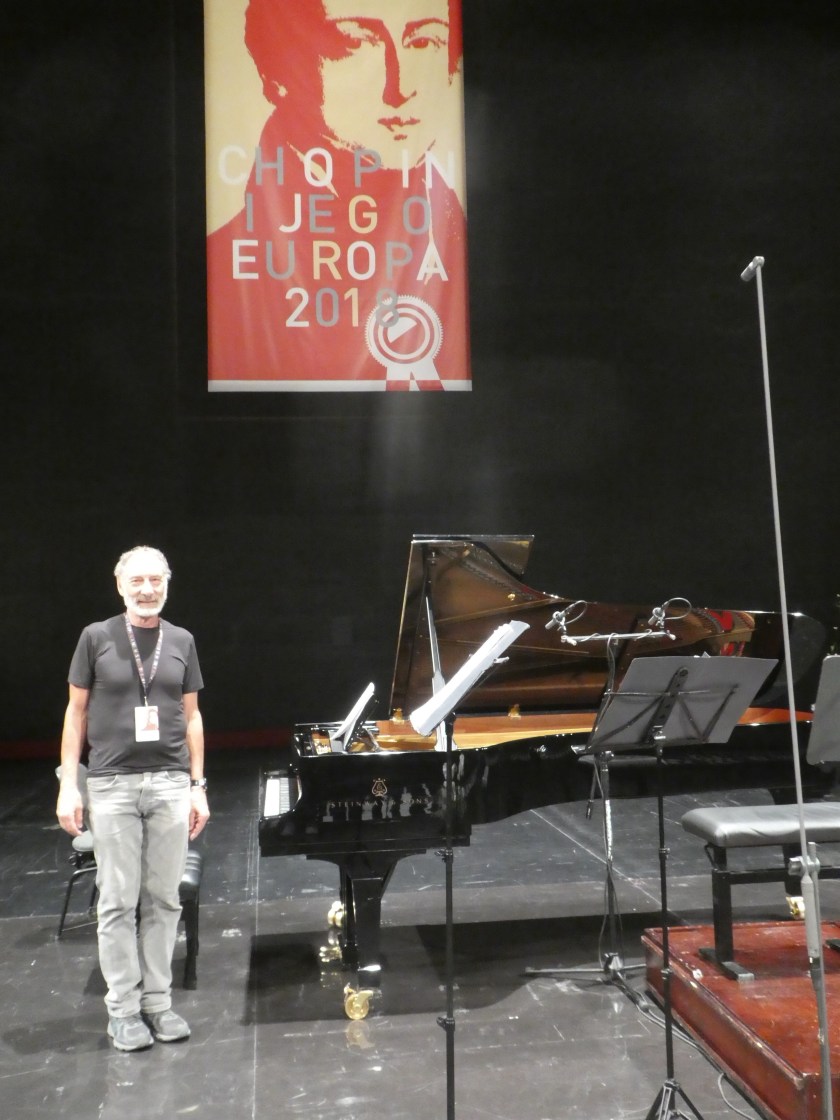
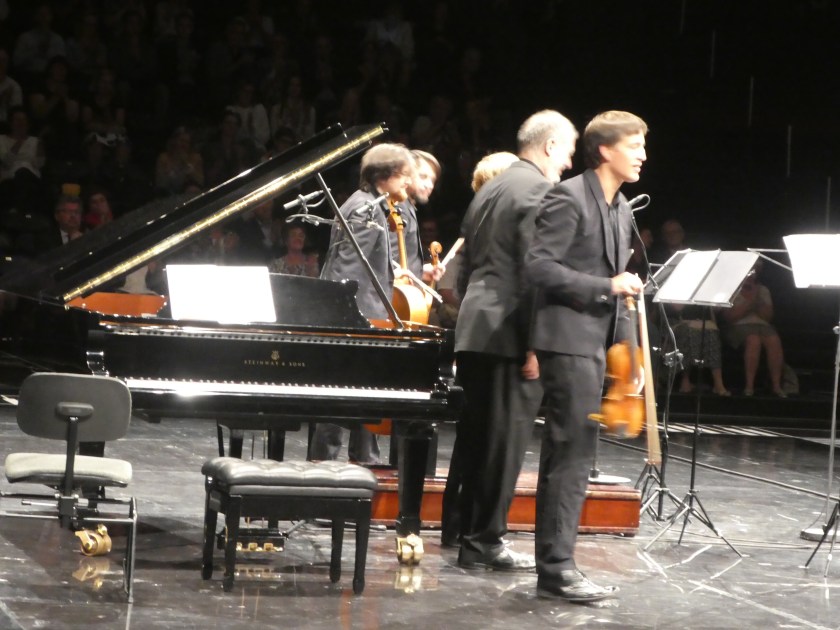
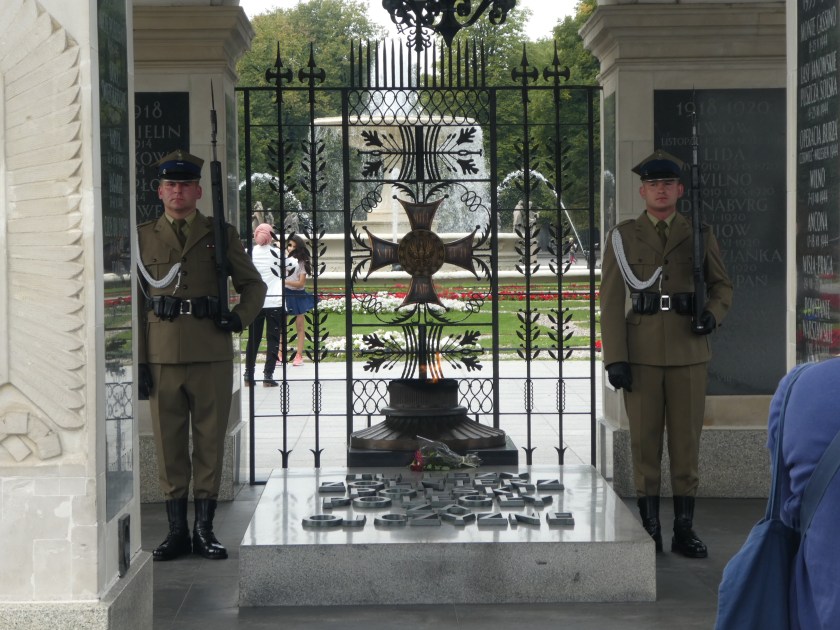
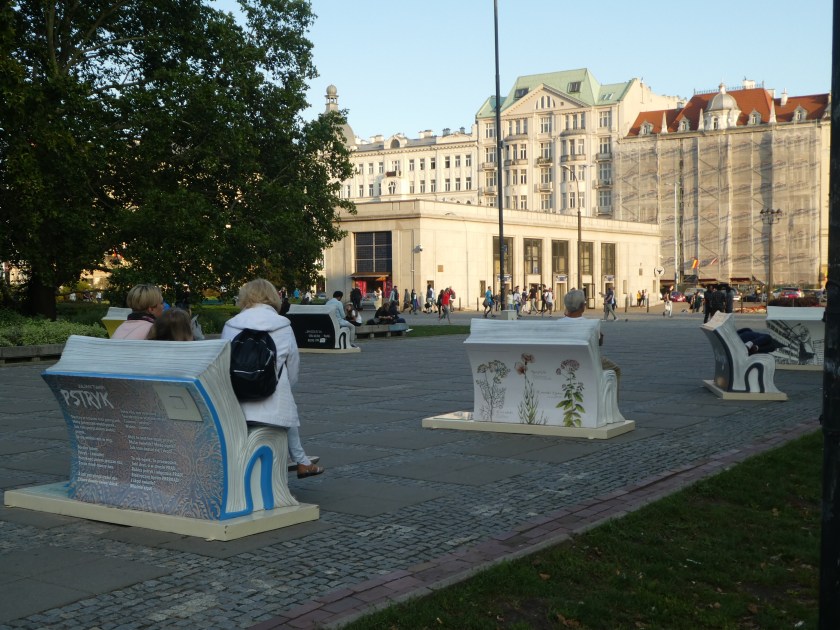
Chopin spent the first half of his life in Warsaw, studying, composing, and performing music. We bought tickets for a Chopin Festival concert and were disappointed that the performance we attended wasn’t even Chopin, just a contemporary. It was still very enjoyable. There are benches around the city that actually play Chopin when you push a button! We found two of them, one at the Tomb of the Unknown Soldier, and one near the Presidential Palace.

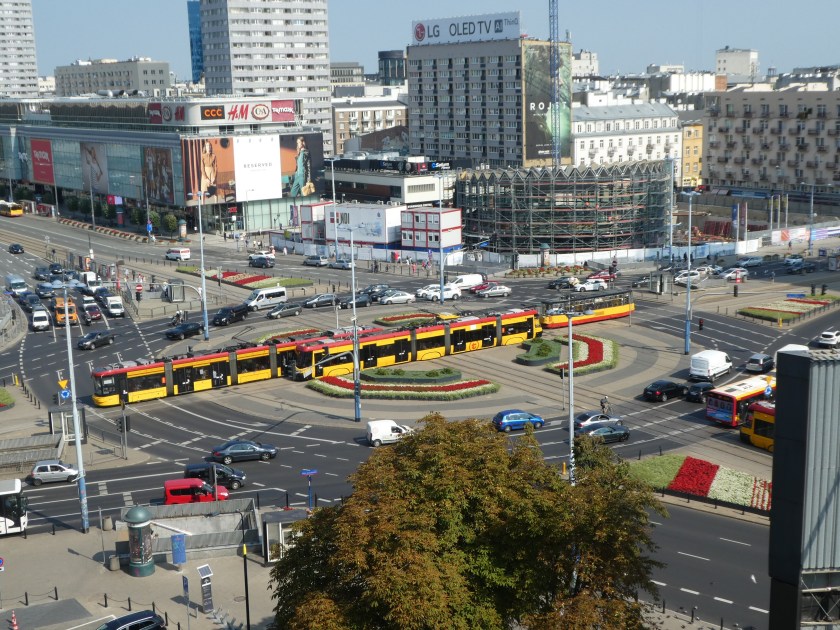
They honor Seniors here in Warsaw with reduced tickets and free transport (over 70 yrs. old) Nice! They have a great system of trams and buses. Our hotel, part of a Polish chain, the Metropol, was terrific, with a great buffet breakfast and ideal soundproof rooms. We had a nice view of a large round-about below from which we observed the amazing synchronization of buses, cars, trams, etc., at a major intersection. Pedestrians walk underground to cross at these big intersections. You can easily get turned around down there if you aren’t paying attention, or start window-shopping at the little underground shops and stalls along the way!

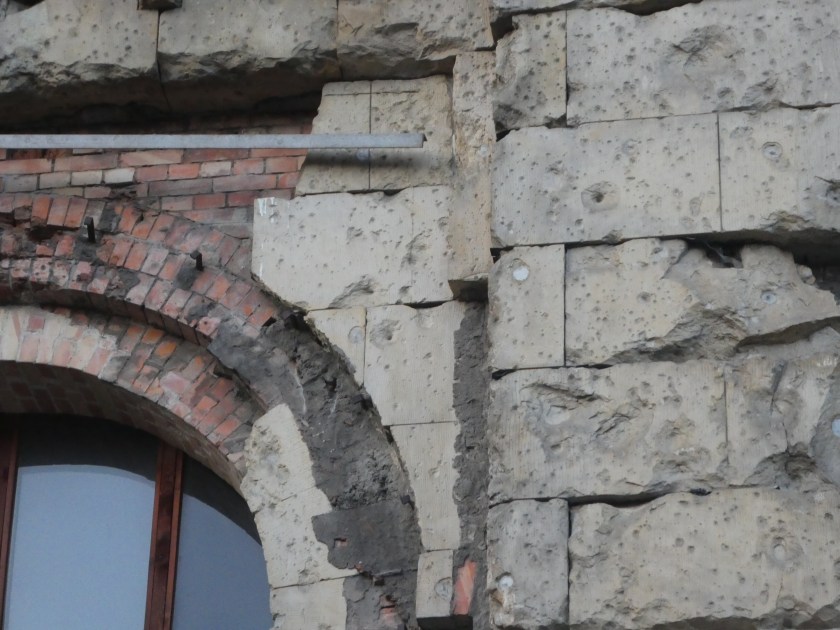
We really enjoyed walking Warsaw’s Royal Way on the way to Old Town. We agree with Rick Steves that the History of the Jews (Polin) Museum is one of the best museums anywhere. The displays include film, sound, and visuals of Jewish life in Europe from early times to the present. Polish Jews are trying to revitalize their culture in Krakow, but what once was a rich Polish Jewish culture has now been scattered throughout the world. Of the six million Jews that died during the Holocaust, three million of them were Polish. There are a few buildings in Warsaw that weren’t completely blown up, just partially, and you can see the pock marks from bullets in the original portions of them.

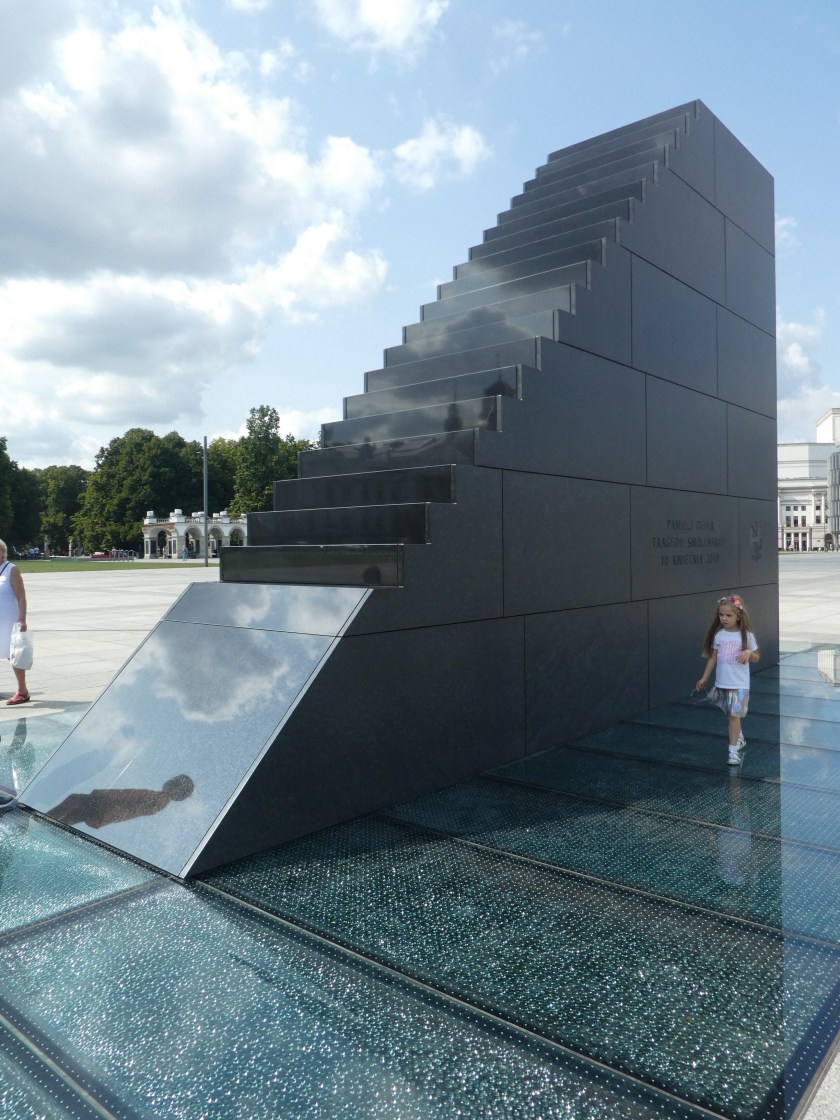
On April 10, 2010, a plane carrying the Polish President, his wife, and most of his cabinet crashed on the way to Russia and killed everyone. We learned that the loss enabled the opposing party to take control of the Polish government. Of course there are a lot of conspiracy theories surrounding this tragedy. We visited a memorial to the victims. It is a solid granite staircase leading to heaven, but some have protested bitterly that it symbolizes the climb to power of the opposing party. *sigh*

All in all, we had fun in this big, modern city. We’re looking forward to another country tomorrow. Lithuania awaits!

Hope you are well. Love n hugs,

BnL
Dancing in Gdańsk (N E Eur#3)

Dear Friends and Family,
Last night we returned around 9pm to our lovely, boutique hotel in Gdańsk, Poland, intending to play cards on the front terrace. Instead, we found ourselves dancing briefly “Cheek to Cheek” to a whispery rendition of this jazz standard, played and sung by 2 young ladies on the street, right outside our doorstep. Gdansk Old Town is just like that, very romantic, especially along the water-front. Vivaldi, played by a violin trio echoed under a 500 year old archway near the Motlawa River. Two guitarists sang in sweet harmony, as they gently picked out the notes of “Hallelujah” in front of a quiet candlelit bar. An accordion/guitar duo tugged at our heart-strings with “O Solo Mio” a block or so further down river. Old Town Gdańsk has narrow cobblestone pedestrian streets. The “Royal Rd.” is crowded with throngs of tourists. We climbed the medieval Town Hall tower for an aerial view. The bells of nearby St. Mary’s Basilica ring out the hour and sometimes play a tune. Canals flowing into the Baltic Sea are lined with outdoor cafes, coffee shops and bars. It’s a romantic getaway, a place to marry/honeymoon, with lots of mellow music everywhere. Gotyk House, our hotel, is the oldest remaining house (A.D. 1451). Nicolas Copernicus, first to prove the earth revolves around the sun, is rumored to have had an affair with his young niece here, in 1541. This was one of the few historic buildings left intact after WWII, when 90% of Gdańsk was destroyed. Though much of the city was re-built, there is still a lot of construction going on.

It was a rough trip getting here from Berlin. When we arrived at Berlin Hbf train station, after just 2hrs of sleep, we learned our 6:30 am train had been cancelled. The next train, at 9:37, left us with no seat reservation for our 2nd train from Posnan to Gdansk. They don’t accept euros once you cross the border, and we had no Polish Zloty to purchase food for the 6 hr trip. Starved, but happy with the magical look of Old Town Gdansk, Bruce consumed 2 dinners after changing our money. The food is strange to us, the menus confusing, even with English translation. Flaki zupy was translated as “guts soup.” It was, in fact, tripe soup. We’ve seen lots of lumpy mashed potatoes, bizarre cabbage meatballs, goulash, beet and cabbage salads, and chicken schnitzel. We’ve also had great fish dishes. Most foods and attraction fees are half the price of those in Berlin. We eat mostly at milk bars. A milk bar is an a la carte cafeteria. Tap water/ice is not available. People are reserved here, but not unfriendly, just abrupt, with limited English speaking skills. Rick Steves referred to them as “pensive Poles.”

Gdańsk has 2 great museums, one on WWll and the other on the Solidarity movement. We spent several hours at each one. We shed tears at the WWII museum, and felt consumed by darkness. Near the end of the exhibition, we walked through a room with ceiling to floor photographs of Holocaust victims. The first shots of WWll were fired in Gdańsk. The Nazis devastated Poland, exterminating millions of Jews, Poles, and others. Then Russia took over, but the oppression didn’t end.

The Soviet rule lasted about 40 years and was terrible for the people of Poland. The story of Poland’s eventual democracy is quite uplifting and was well presented at the Solidarity Museum. Following Hitler’s defeat, the Soviet Union repressed all forms of free speech in the Eastern Block countries, murdering and starving the population, denying worker’s rights to form unions and demands for decent working conditions. Over a period of 40 years, Poland was ruled with an iron fist. Gdańsk is famous for its 17,000 worker shipyard which spawned the Solidarity trade union movement that led to the fall of the Soviet Union. In 1981, the shipyard workers of Gdańsk, led by Lech Walesa, won the right to form a union. After only one year, that right was suddenly rescinded, and the 10 million member strong Solidarity union was attacked. Walesa was awarded the Nobel Peace Prize and Pope Paul ll also gave his support. Finally, in 1989, after many violent street demonstrations, the Soviets, under Gorbachev’s Perestroika, gave Poland the right to form a democratic government. One by one, the rest of the Eastern Block countries followed suit, and now, thanks to Walesa and the Solidarity movement, Russian Communism no longer dominates these democracies.

We went to the Maritime Culture Center and enjoyed learning about ship-building and drilling platforms. Bruce hopped into a virtual suit and had an inter-active first-hand ship builders experience! There were boats from all over the world on display. It was all housed in a six story glass building overlooking the river. We enjoyed a delicious dinner in the roof-top restaurant.

We took two day trips by train out of the city to beaches near Gdansk. Our favorite beach was Sobieszewska where the locals go. After a long walk in the sand, looking for Baltic amber, we hurried into a great fish restaurant, just avoiding a major rain downpour. The other day we spent in Sopot, dubbed the Polish Riviera, and not all that appealing. To us, the niftiest thing about Sopot was the Gaudi inspired “Crooked House,” and it was disappointingly filled with high-end shops and eateries. The Baltic was surprisingly calm. The water was not very cold, and the beaches were uncrowded and clean. Though we didn’t find amber along the beach, we found plenty at souvenir stands. We also went to the Amber Museum. Surprisingly, it was housed in a 5 story former prison tower, with torture chambers! Amber is 40 M yr-old petrified tree-sap. One piece even contained an ancient lizard! There was gorgeous amber furniture, art, jewelry, etc. We had no idea we would encounter the torture chambers on our way back down the winding passages and staircases. Tape recorded wailing voices added to the ambiance, as we scurried down past cells and staged scenes with ancient torture equipment.

On the last evening of our visit to Gdansk, we attended a 50 piece orchestra performance of the Polish Baltic Philharmonic Orchestra. It was wonderful! Their great repertoire ranged from traditional Bach to some very modern jazz, featuring an amazing violinist, Alexander Pavarotsky. Together with his two adult children, they formed the Pavarotsky Trio. We later learned he was Russian born and trained, and is now living and working in Israel.

Tomorrow we leave by train for the big city, Warsaw, the capital of Poland. We hope you are all well and that the fires in CA are under control.

Love n hugs,
BnL
Busy in Berlin

Guten tag, dear Friends and Family!

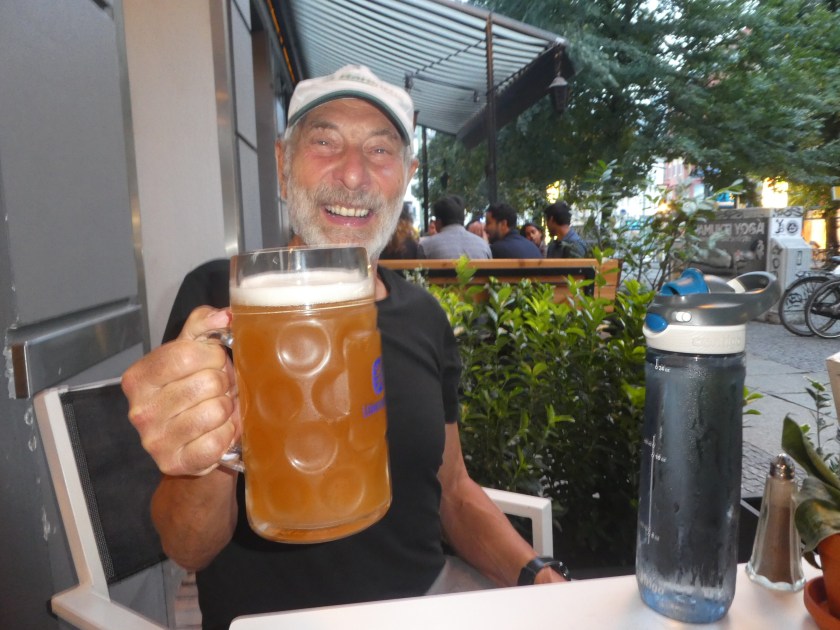
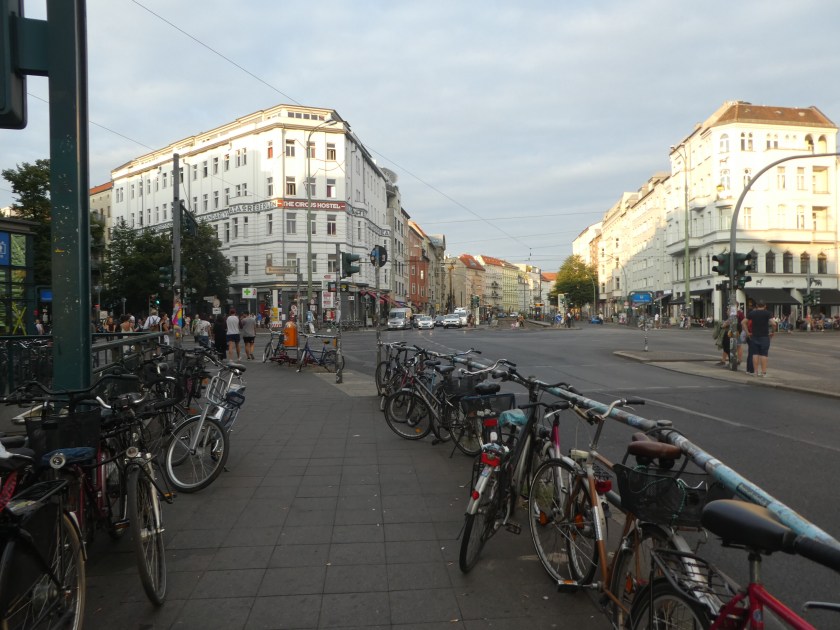
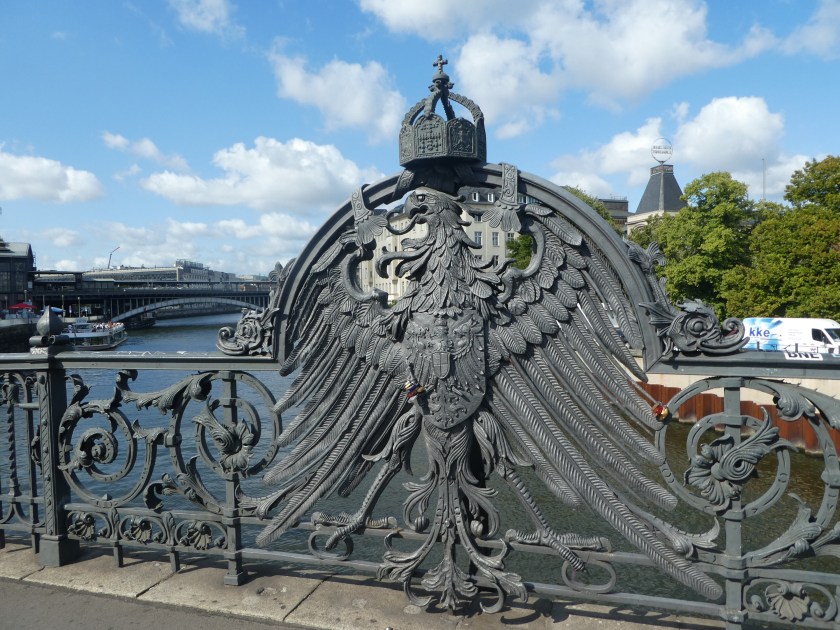
We flew 10 hrs to Amsterdam, had a one hr layover, then changed planes for a 1 hr flight into the German capital, Berlin. We finally arrived via U Bahn, (the subway), and S Bahn, (a tram), at the Circus hostel on Rosenthaller Platz, where we are 9 hrs ahead of you in California. The U/S Bahn network is vast and felt quite confusing at first, especially with our jet lag, but it is the #1 form of Berlin transport, with bicycles coming in a close 2nd. Though a short ride ticket is only €1.70, some take a chance and ride for free, since ticket purchase is not closely monitored. Today we saw one guy get caught and read that the fine is €60, proving once again, crime doesn’t pay. Our 6th floor room at the hostel had a balcony overlooking throngs of passers by, beer and food cafes, and busy tram, bike and car traffic. It’s very colorful, but noisy all night with young beer drinkers. They kept Bruce up most of the 2 nights before we could switch to a quieter, but still noisy 1st floor room. Beer (bier) is quite popular here. In fact, it’s common to see people walking around with a beer at any/all hours of the day. We received three welcome drinks apiece upon arrival. Prost! (Cheers!) The hostel, with a great buffet bkfst, a nice café, a bar, several comfortable areas in which to relax, and a fantastic shower, is like a 4 star hotel. It’s in a fabulous location from which to see the sights! In spite of the noise, we’re happy with this choice.

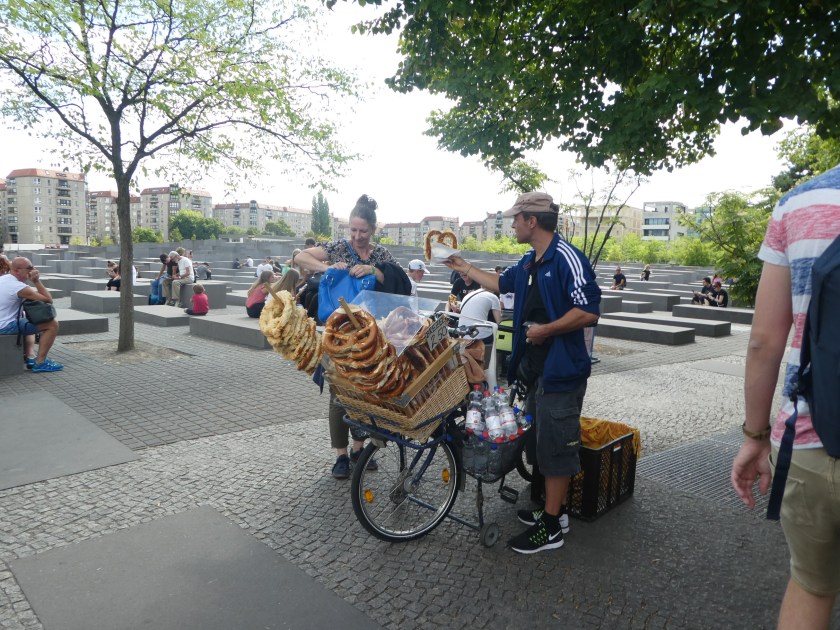
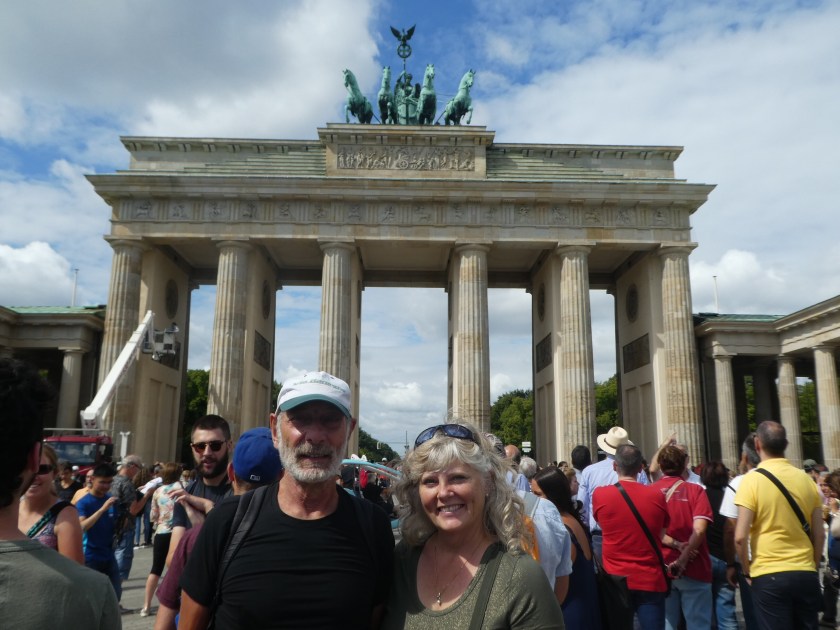
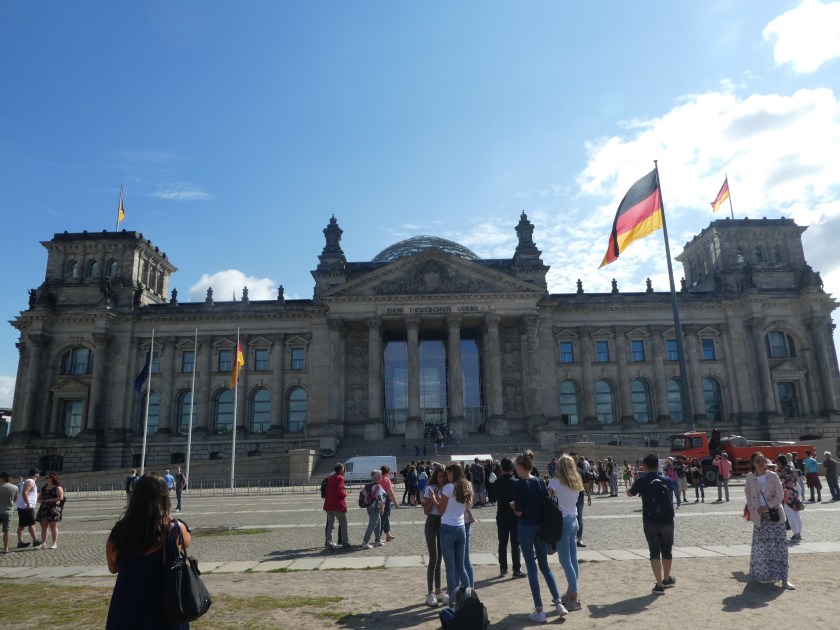
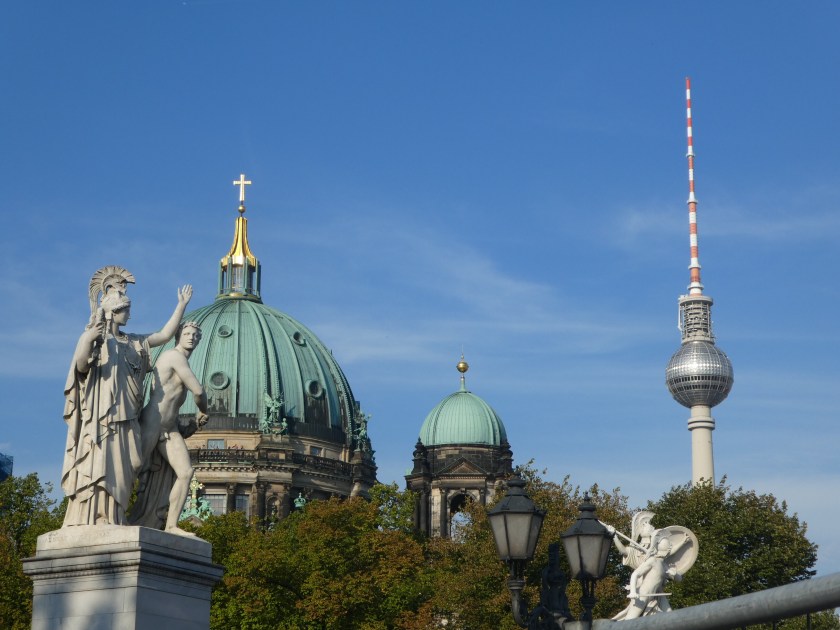
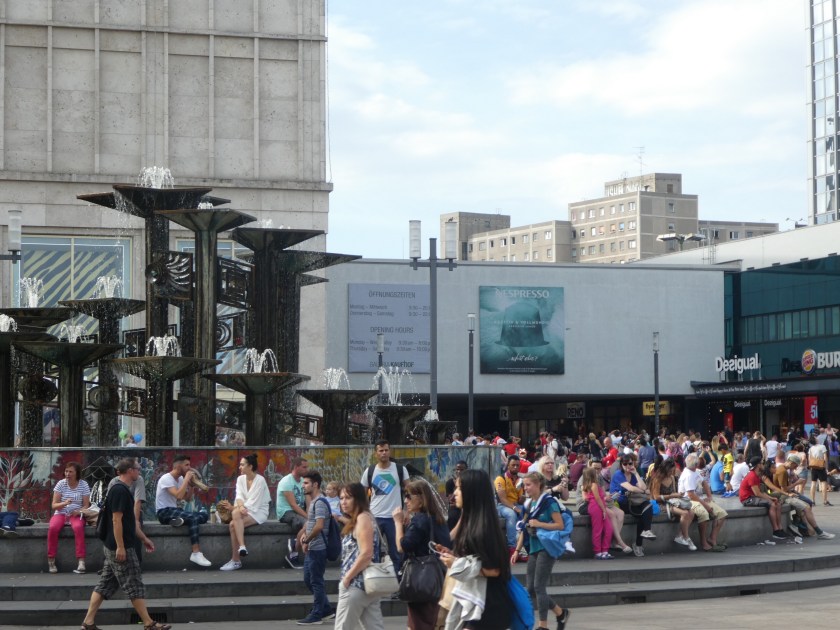
The outdoor cafes near the hostel are filled with happy party goers. The neighboring Weinberg park is filled every evening with young families and couples on blankets, relaxing and drinking. There are long lines for gelato each evening, just like you find in Italy. We took an informative free(+tip) walking tour that included a section of the iconic Berlin Wall, Hitler’s bunker, Museum Island, the Reichstag, (parliament ) and Brandenburg Gate. We spent a few sobering minutes walking around the “Memorial for Murdered Jews of Europe.” At the Reichstag plaza, in Tiergarten Park, (hunting grounds of yesteryear), Bruce asked if Hitler held his rallies there, slightly raising his hand to gesture. Our guide warned him that a group of tourists were recently arrested for posing for a photo all doing the “Sig-Heil.” Pretty dumb and insensitive! Hitler, the Nazis, and the millions murdered during WWII are a sensitive issue here. After our tour, we spent a couple of hours at a nearby museum, “Topography of Terror. The exhibit included all of the countries and the people who were murdered during WWII. There are over 170 museums here, numerous memorials, the gorgeous New Synagogue, and several beautiful churches. Our favorite was the massive Dom Cathedral on the Spree River.

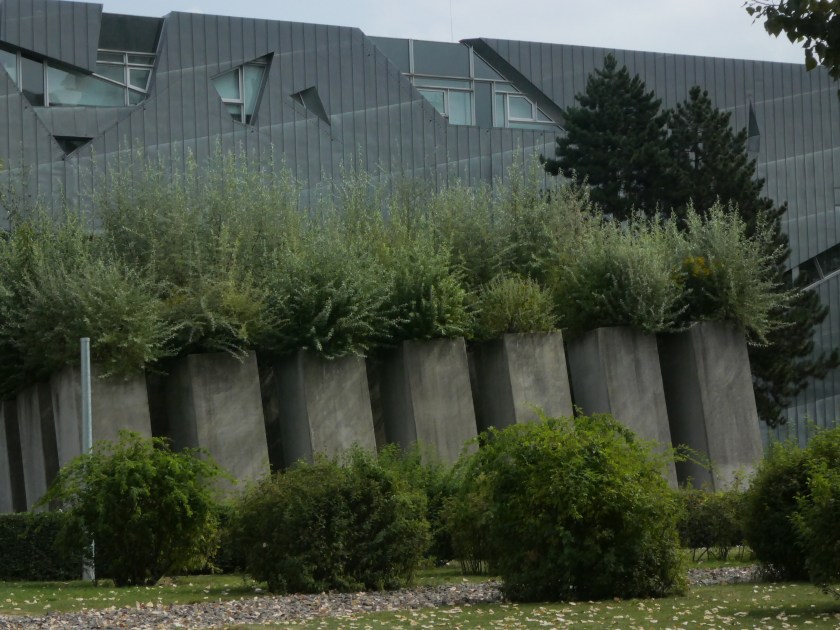
We spent several hours at the German History Museum. It gave us an excellent account of the history of Germany through 1990. Germany’s economy was destroyed by WW1 and The Great Depression. It enabled Hitler’s rise to power, the Nazi war machine, and the murder of millions of innocent people, including Jews, Gypsies, gays, the disabled, Jehovah’s Witness, Poles, Czechs, Russians and others. We hoped to get the Jewish perspective on the Holocaust at The Jewish Museum of Berlin. We were disappointed that their historical floors are all closed for remodeling until next year. Instead, they had a presentation on Jerusalem, art exhibits, and stories about Jews fleeing Germany for other countries. The building was designed by the architect Daniel Libeskind and was unique, unsettling, and perfect for it’s purpose. It’s frightening to realize that Nazi Germany was capable of such horrific genocide. Modern Germany, at least Berlin, appears to be quite accepting of people of all cultures.

There are numerous memorials around the city dedicated to the many groups of victims of WWII. Today we happened across one stirring memorial for 500,000 Gypsies, who, like Jews, were forced to wear identifying armbands. Theirs had a “Z” on them, signifying the German word for gypsy. Gypsies included several ethnic groups, mostly Sinti and Roma, and were euthanized and thrown into ovens as part of Hitlers’ genetic cleansing campaign.

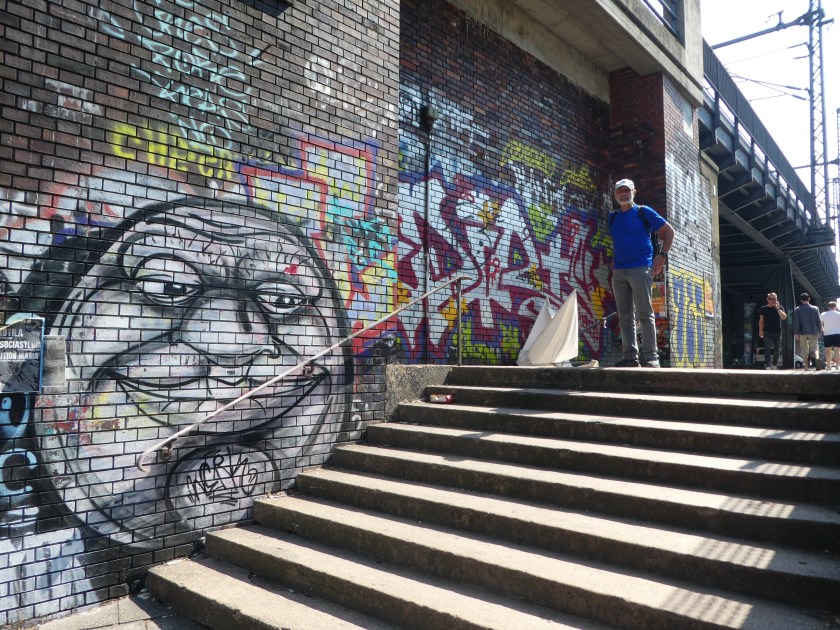
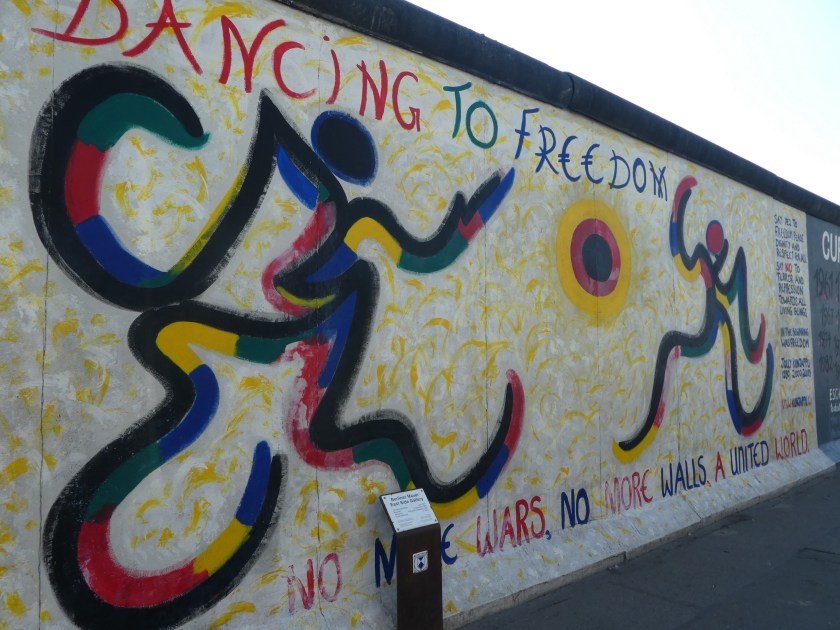
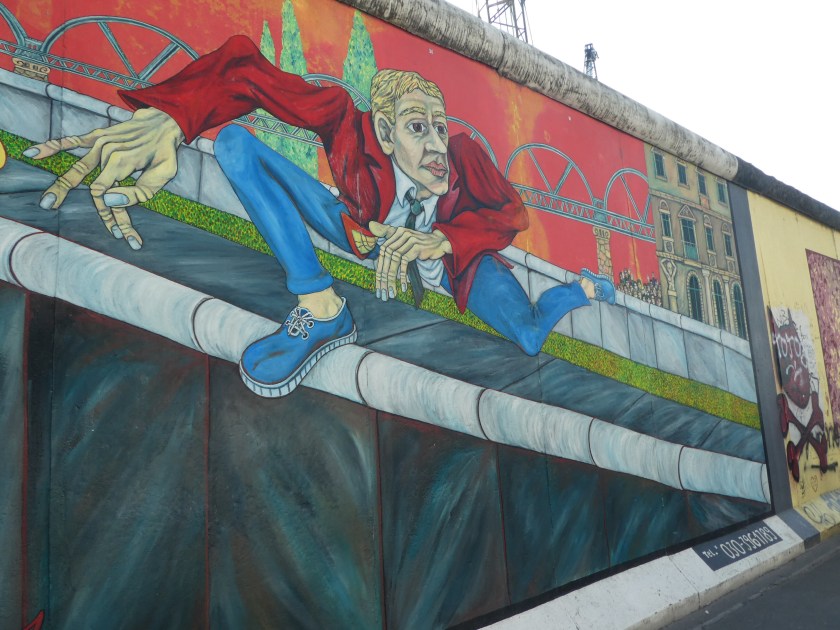
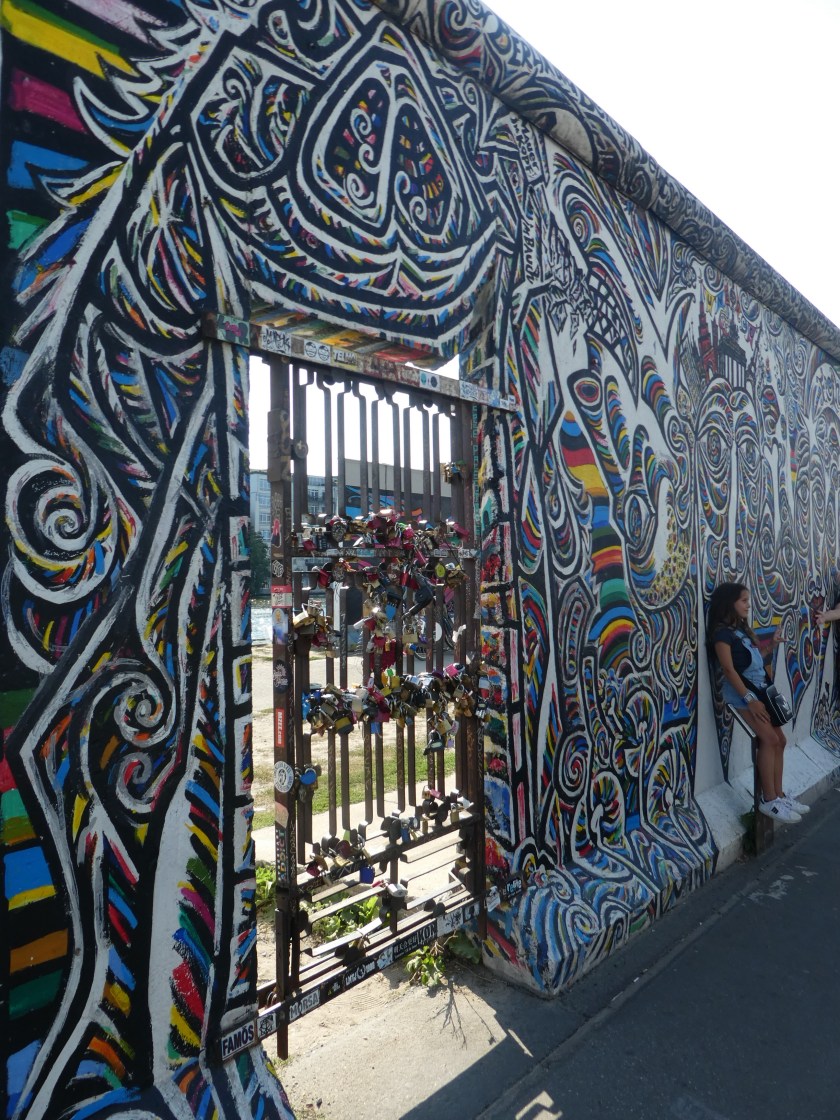
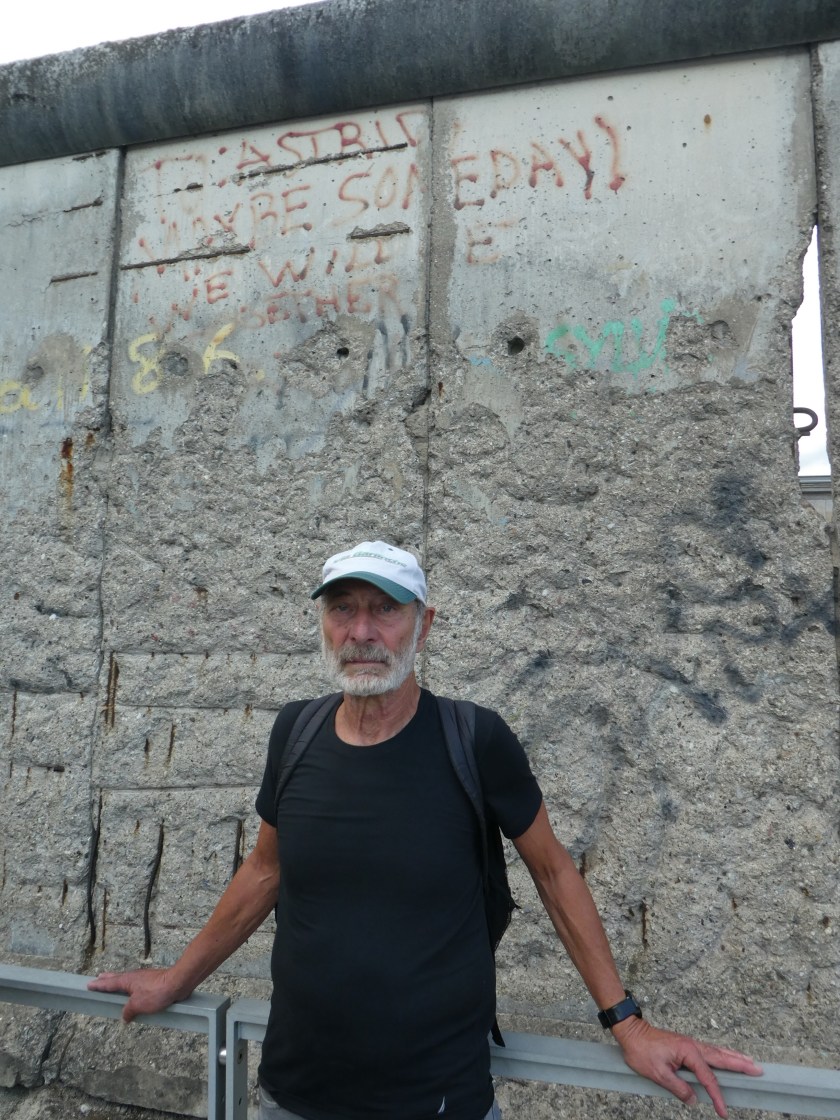
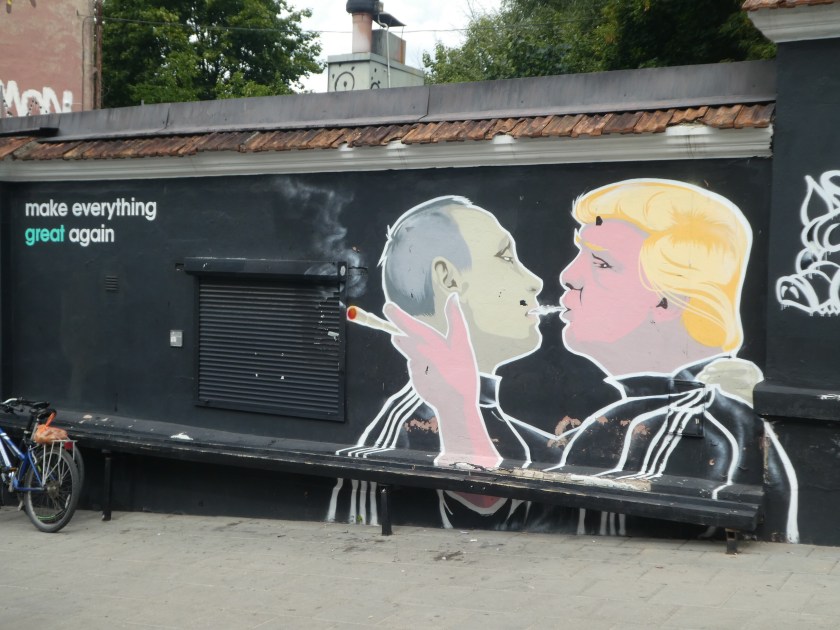
Berlin is still recovering from bombing during WWII. Eighty percent of it was destroyed. Much of the infrastructure is broken down and/or under construction, and many buildings and roads are lined with ugly graffiti. There is a lot of interesting street-art. Though it’s sometimes hopeful, it’s mostly dark and brooding. The people of Berlin were devastated by both world wars. The 11.5’ high Berlin Wall, in place for nearly thirty years, divided families and friends and left a deep scar. After Germany lost WWII, control of the country was divided. Communist Russia controlled East Germany, while West Germany had a Democratic government. The dividing line was the Iron Curtain. All of Berlin was located in what was then East Germany, but a portion of the city belonged to West Germany! West Berlin flourished under Democracy. Passports and immigration documents were only a two-hour process. People flocked into West Berlin. To prevent the outpouring, Russia built the Berlin Wall in 1961. It was not taken down until 1989. There is a double strip of inlaid stones running all through the city like a scar, where the Wall used to be. There are white crosses along the Spree River that runs through Berlin, marking places people were shot and killed trying to cross the wall. Three sections of the Wall remain today and are protected as a national monument. The longest piece is covered with graffiti and murals. Another stretch has been left as it was, an ugly, gray cement barrier.

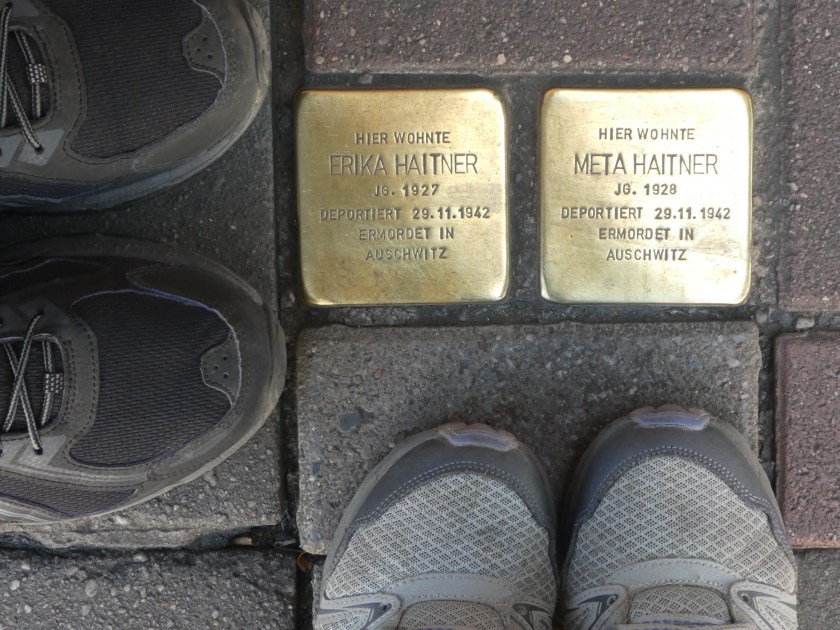
Inlaid brass squares on sidewalks are engraved with the names of former Jewish Berliners, their birth-death dates, and the Nazi camp to which they were deported and killed. The brass memorials are located in front of what was the victim’s home at the time. We encountered one or two, and sometimes several, where an entire Family was wiped out.

Air pollution and car traffic are not that bad since most people ride bikes or use public transportation . We walked our legs off, using the tallest building in Germany as our focal point, the 368 M high “T V Tower.” We also made great use of the subway system. It has been 85-90 degrees here and the unusually hot weather has created a bee problem. They are EVERYWHERE! You especially don’t dare eat a sugary snack at an outdoor table. Berliners say they usually have mosquitos during this time of year, never bees.

Cigarette butts and beer bottle caps are everywhere. A lot more people smoke in public in Berlin than in the USA. It’s the height of the summer tourist season here. There are thousands of us milling about, mixing with roughly 3.5 million locals. There are bicycle lanes and tram tracks everywhere . Tourists walk and bike the streets, snapping photos, and eating donor kebabs, falafel, burgers, sausage and pizza. Beer, currywurst, giant pretzels, and kebabs are king here, though eclectic Asian food is also very popular. Other than currywurst, breads and pastries, traditional German food is not that popular.

We’re enjoying our travels. Bruce has had a cold but seems to be kicking it. Tomorrow we are leaving by train for Gdańsk, Poland. It will be an early day. Hope that you are all well.

Hugs n Love, BnL
Exploring North-Eastern Europe

Good morning, Dear Friends and Family,

We are preparing to leave the smoke-filled skies of the Pacific North-West and embark on an eight-week trip to NE Europe. We will begin our trip in Berlin, Germany and work our way over to Helsinki, Finland via Poland, Latvia, Lithuania, and Estonia. From there, we’ll cruise to St. Petersburg, Russia. Then we’ll fly to southern Poland to hike in the Tatra mountains and visit the cities of Krakow, Wroclaw and Posnan. It will be exciting to see how these people live and what the impact of WWII and Russian Communism has had on their lives.We’ll be transported by plane, bus, train, and cruise ship and plan to rent bicycles as well.

Though NE Europe is experiencing


an unprecedented heat-spell, weather reports indicate a cooling trend that should continue into autumn. We are looking forward to breathing cooler, cleaner air! We’ll be joining free walking tours to acquaint ourselves with each new place we visit, and supplement our own ” must see” list as we travel.

We began by booking our RT flight and the cruise in/ out of Russia several months ago. Since we committed, politics have exploded, both at home and abroad. Hopefully, we’ll be able to avoid any conflicts and yet share our thoughts with others.

We will share our experiences and photos with you here, through our blog. We appreciate hearing from each of you too, whether under the blog comments section or via personal email.

If you click on “follow” on our site, (I think it is in the lower right-hand corner), you will enter your own email and then receive a notice each time we post something new. This is a secure web-site and we have not received spam as a result of it-as far as we know! 😊

You are always in our thoughts and hearts.

Love, BnL
43B934AC-1066-4427-B239-3148BF665A02

High in the Himalayas (Post #10) Nepal

Dear Friends and Family,

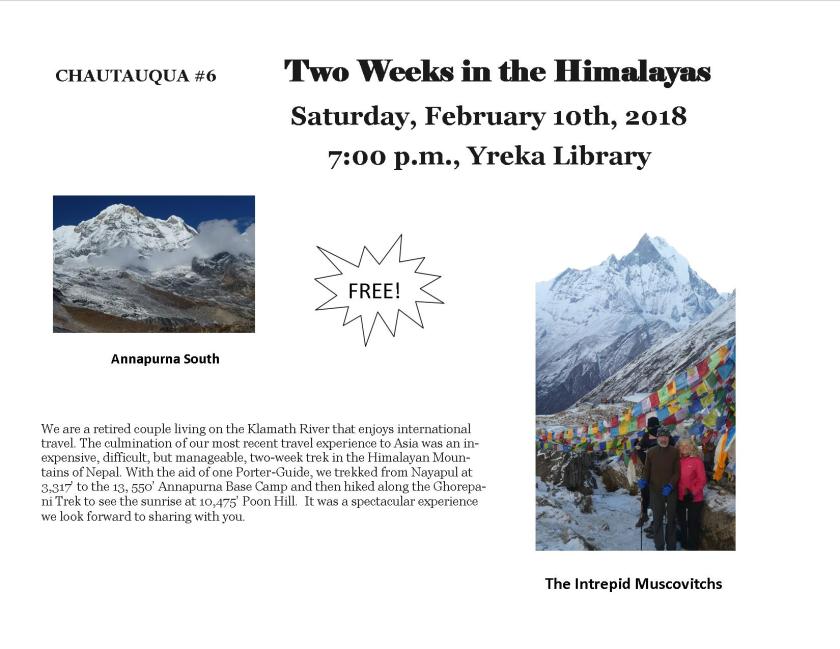
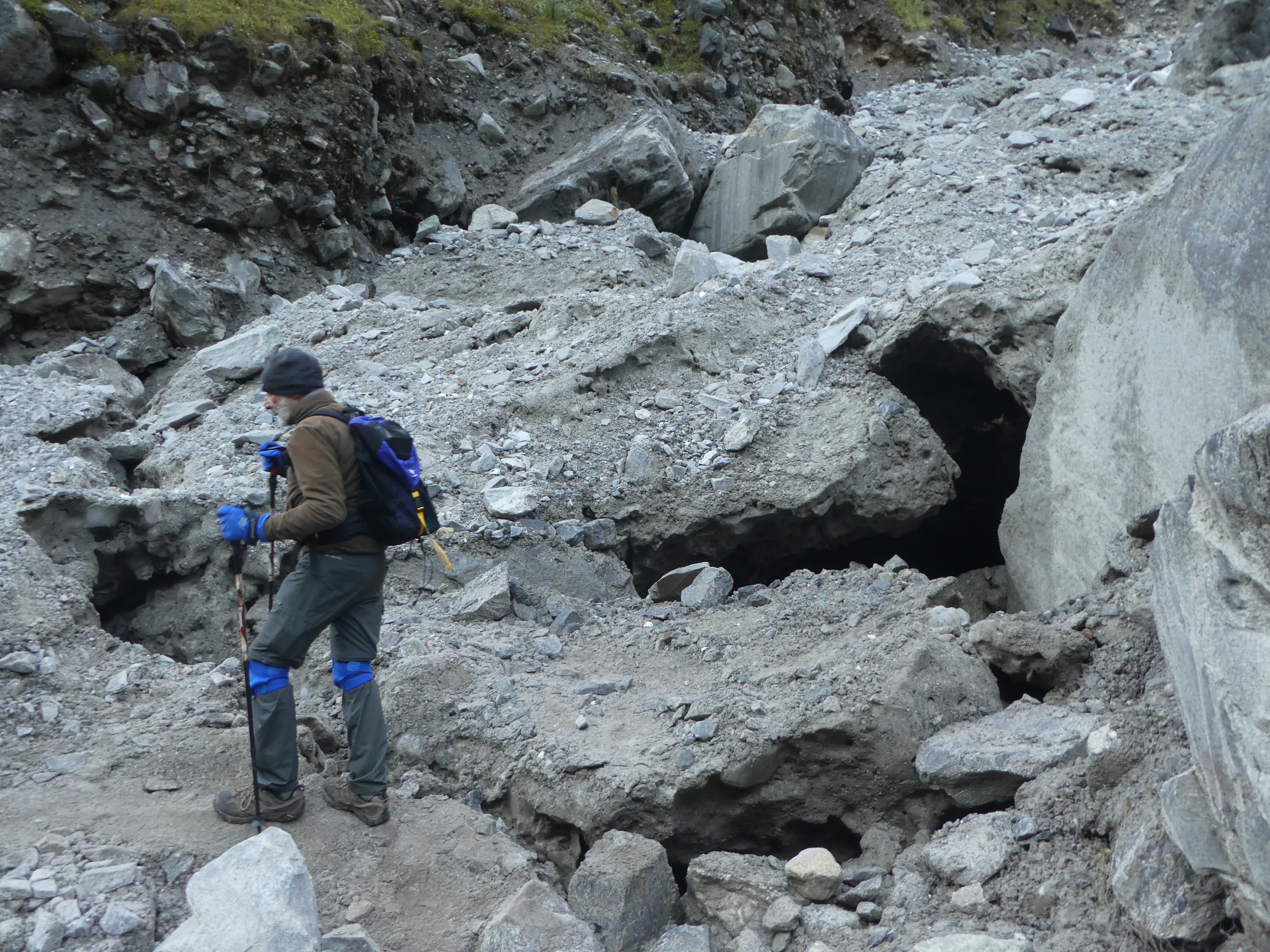
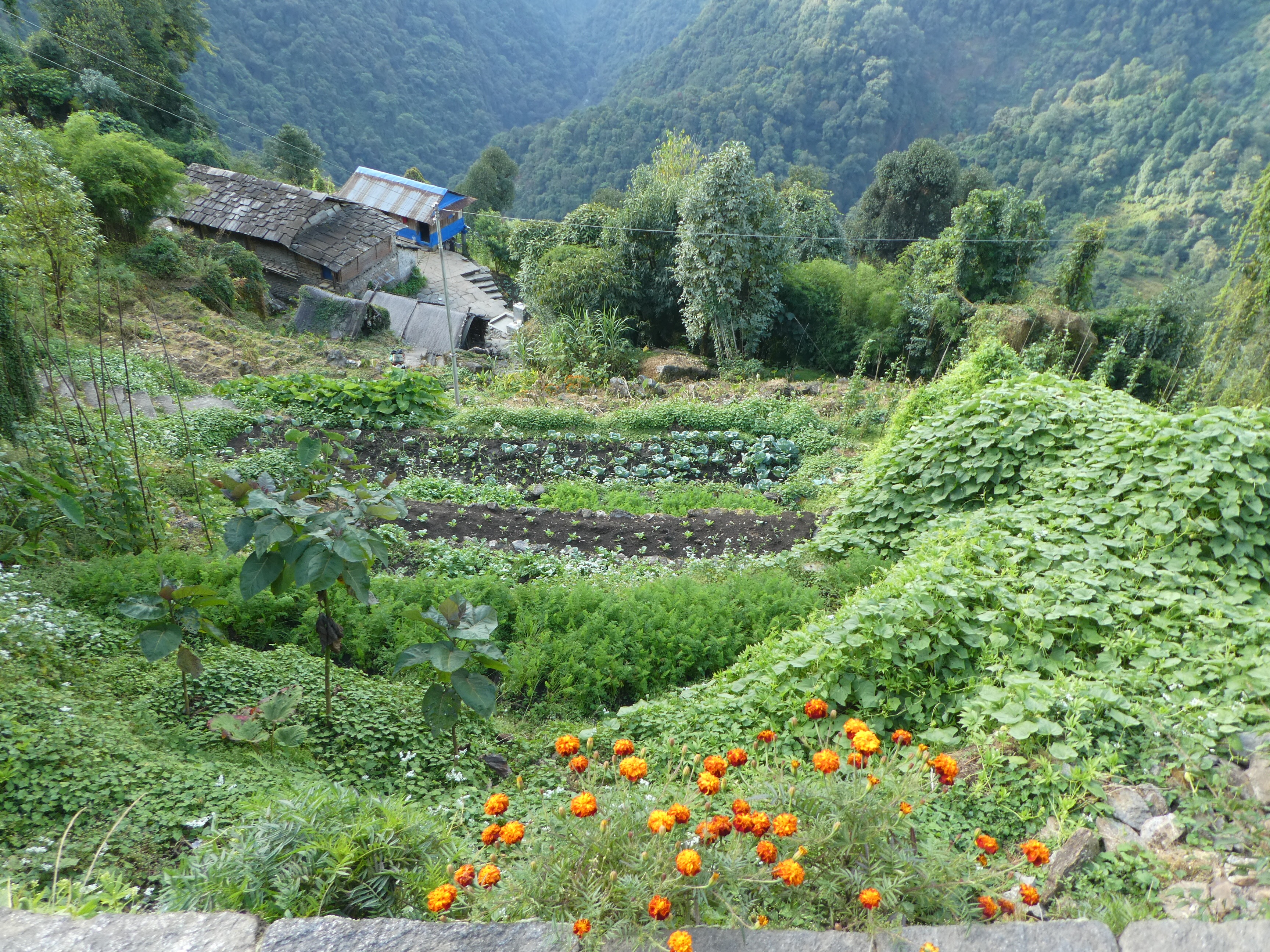
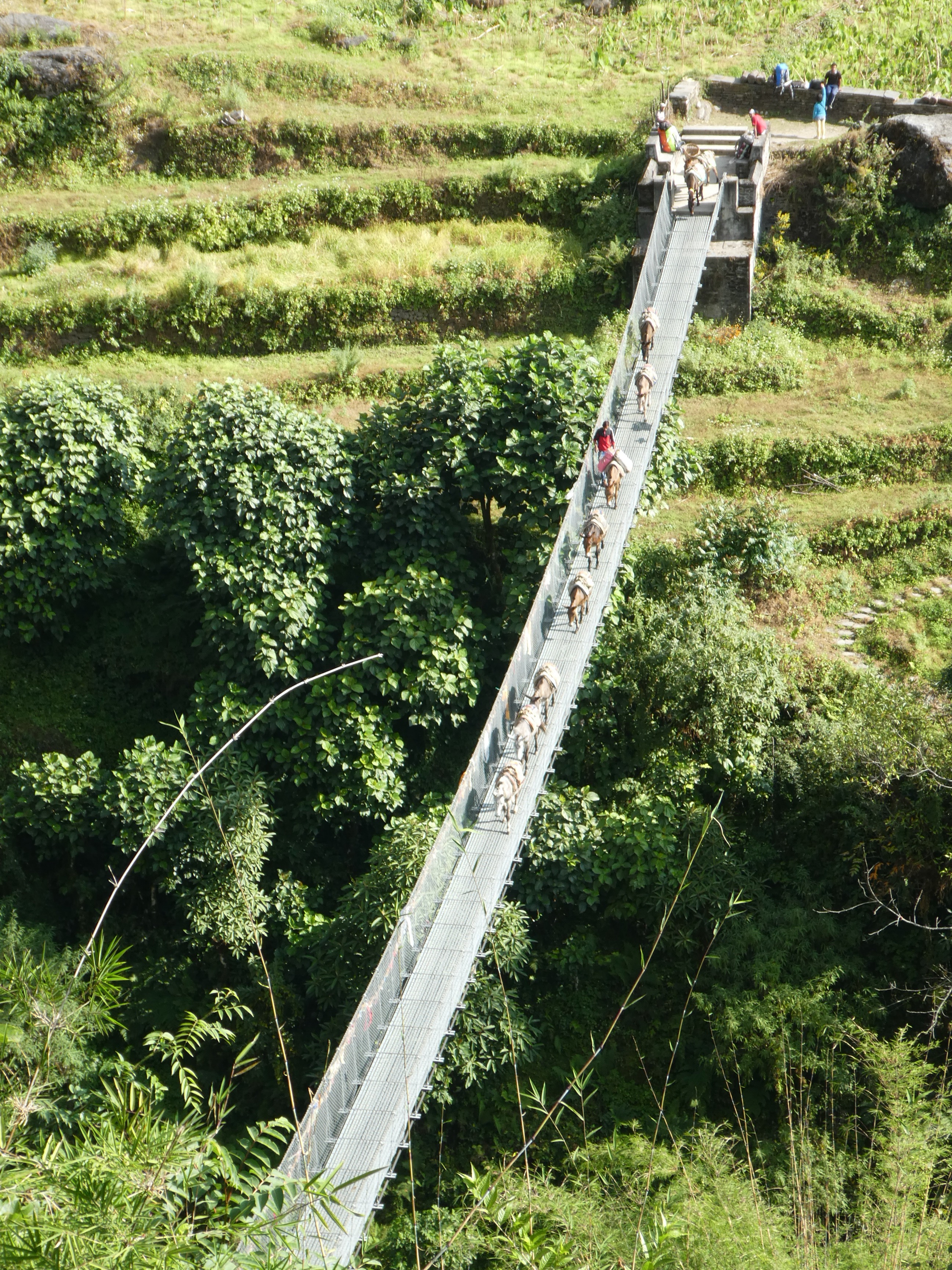
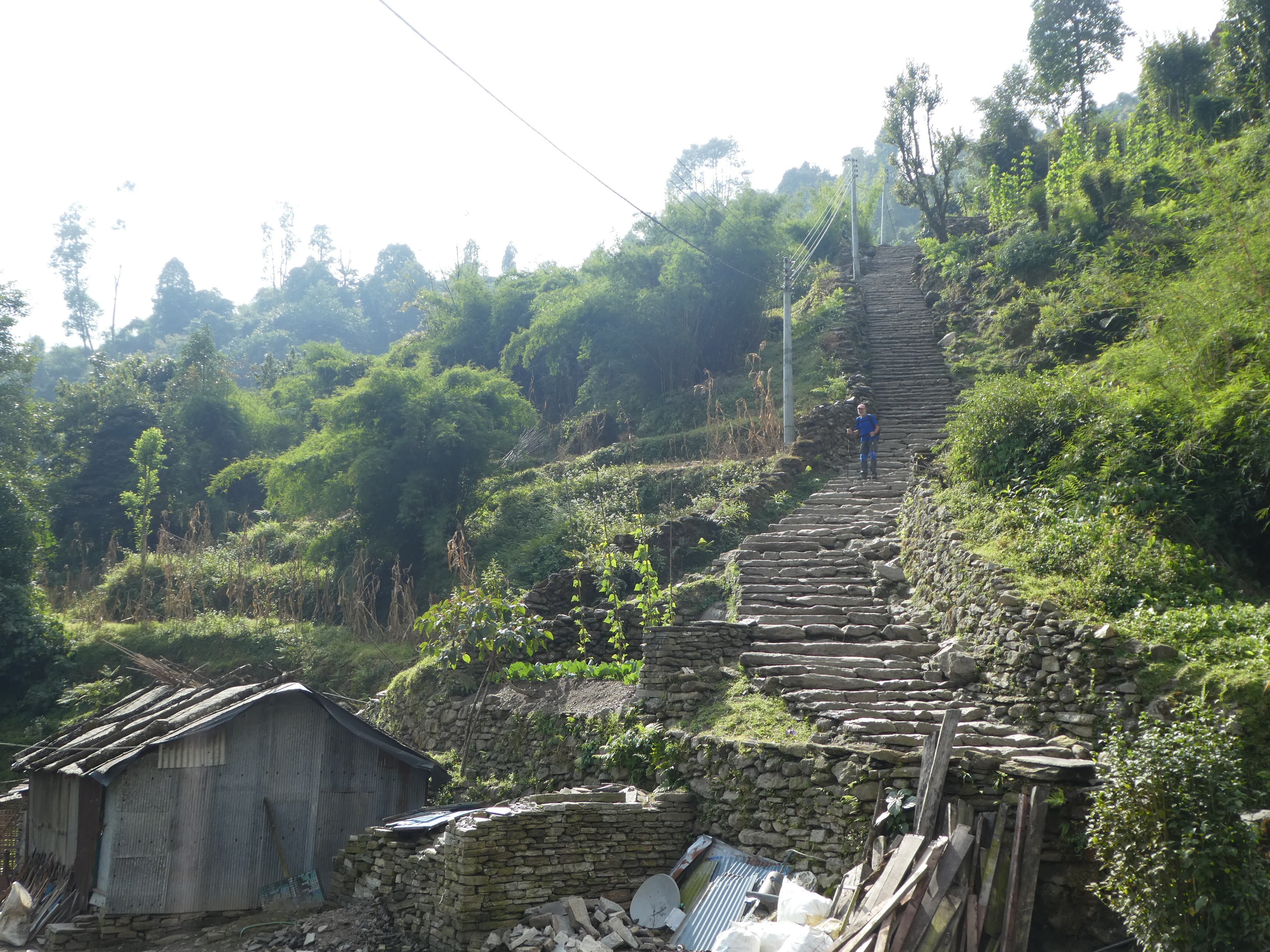
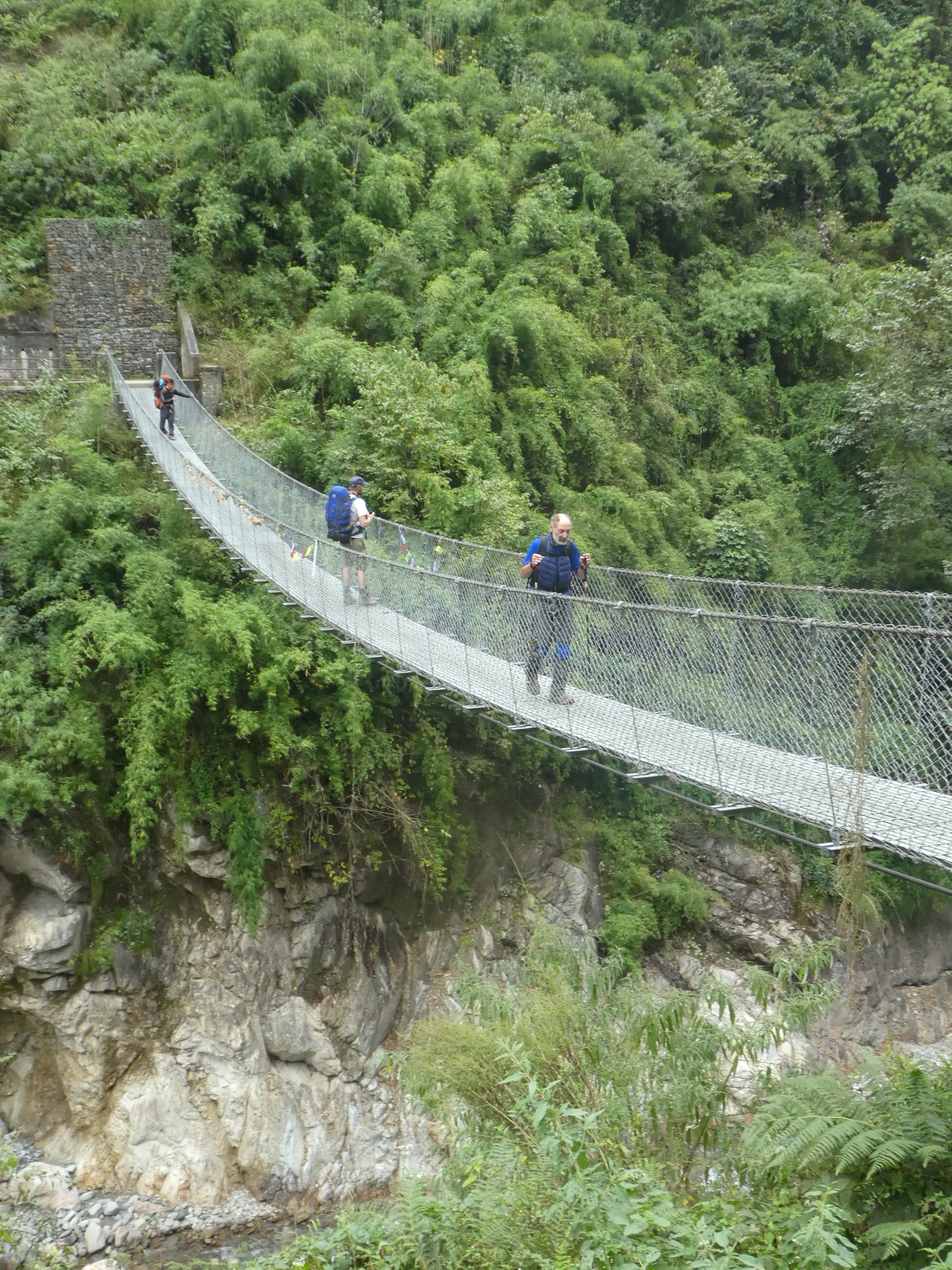
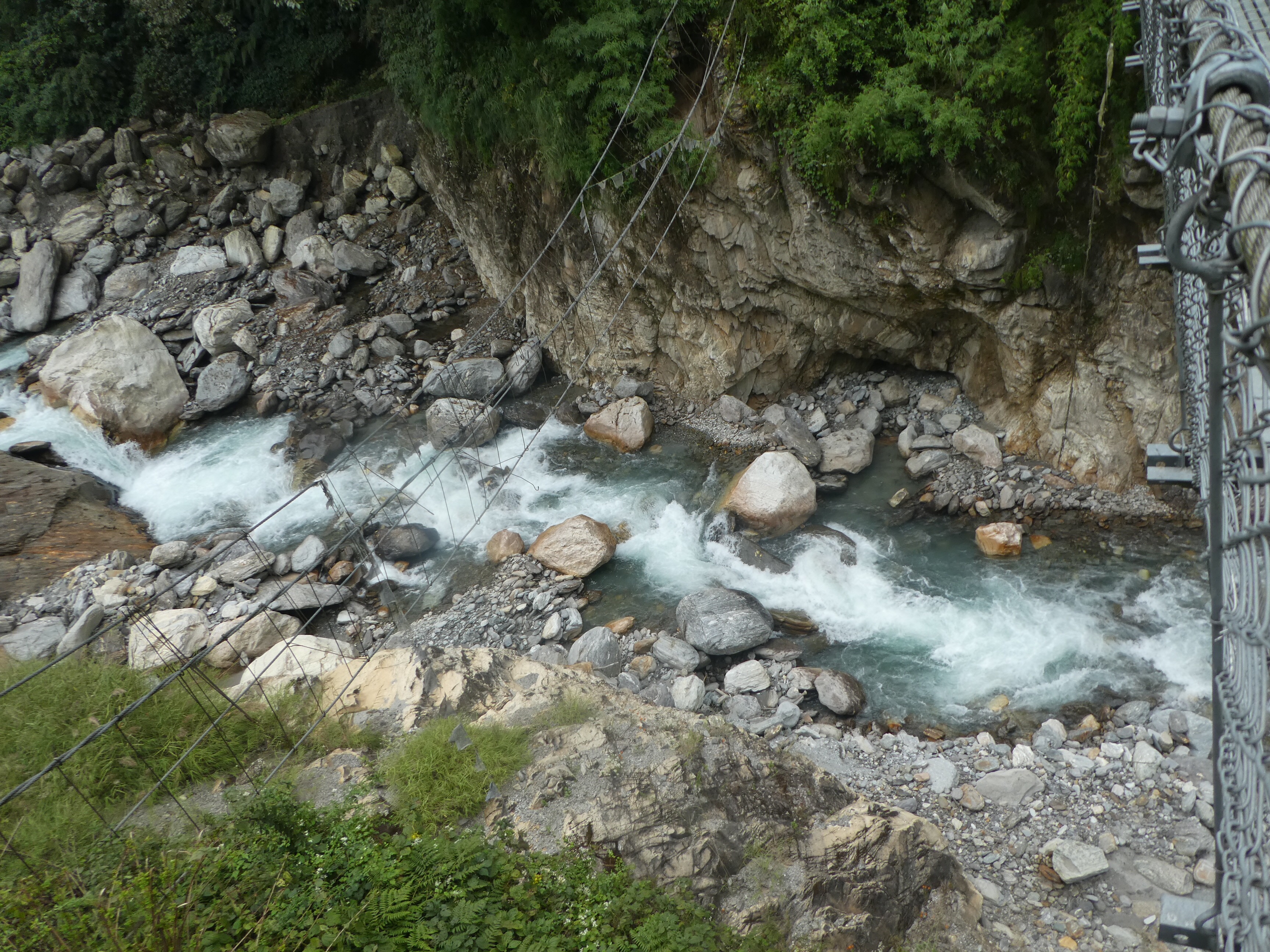
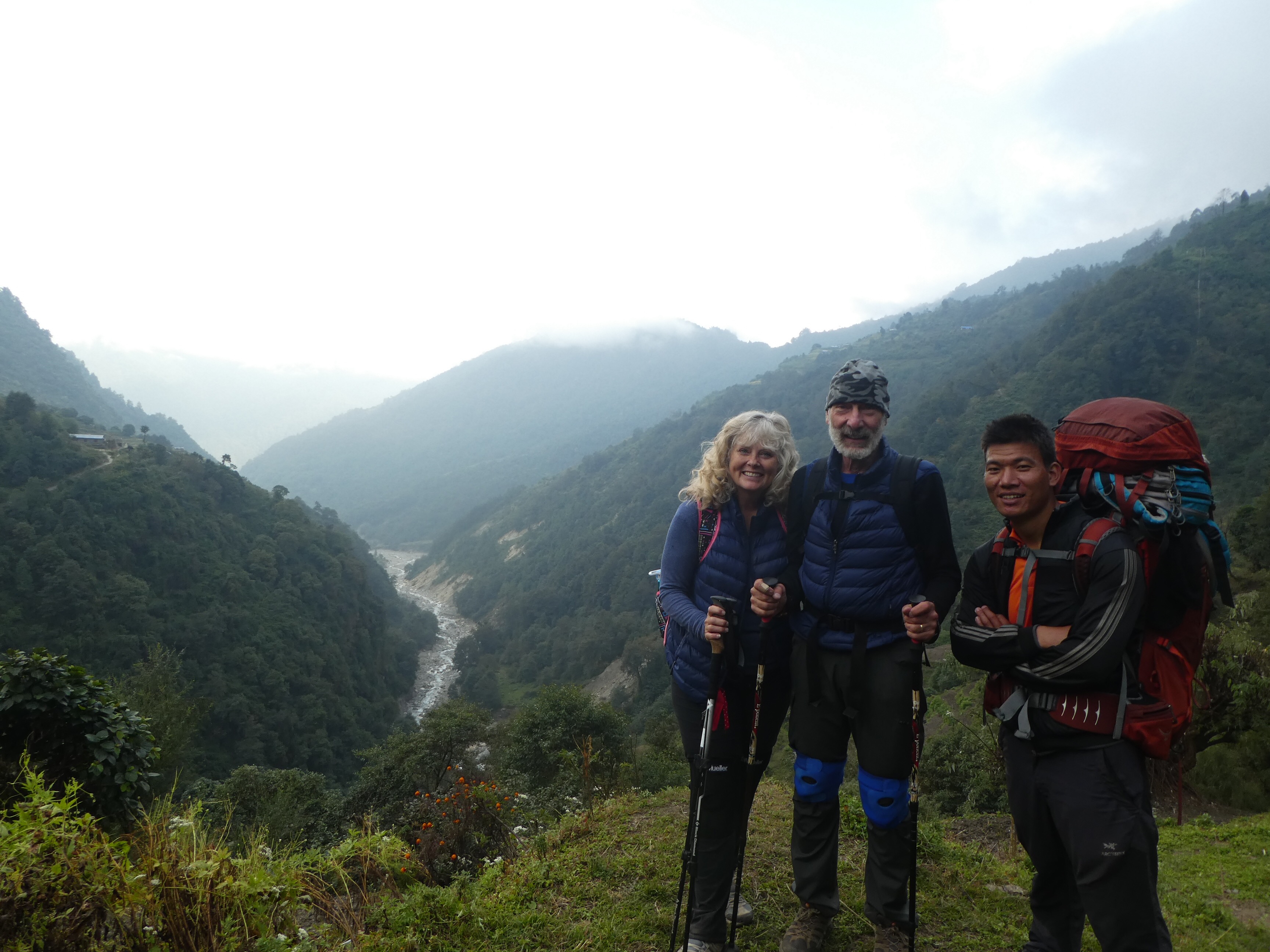
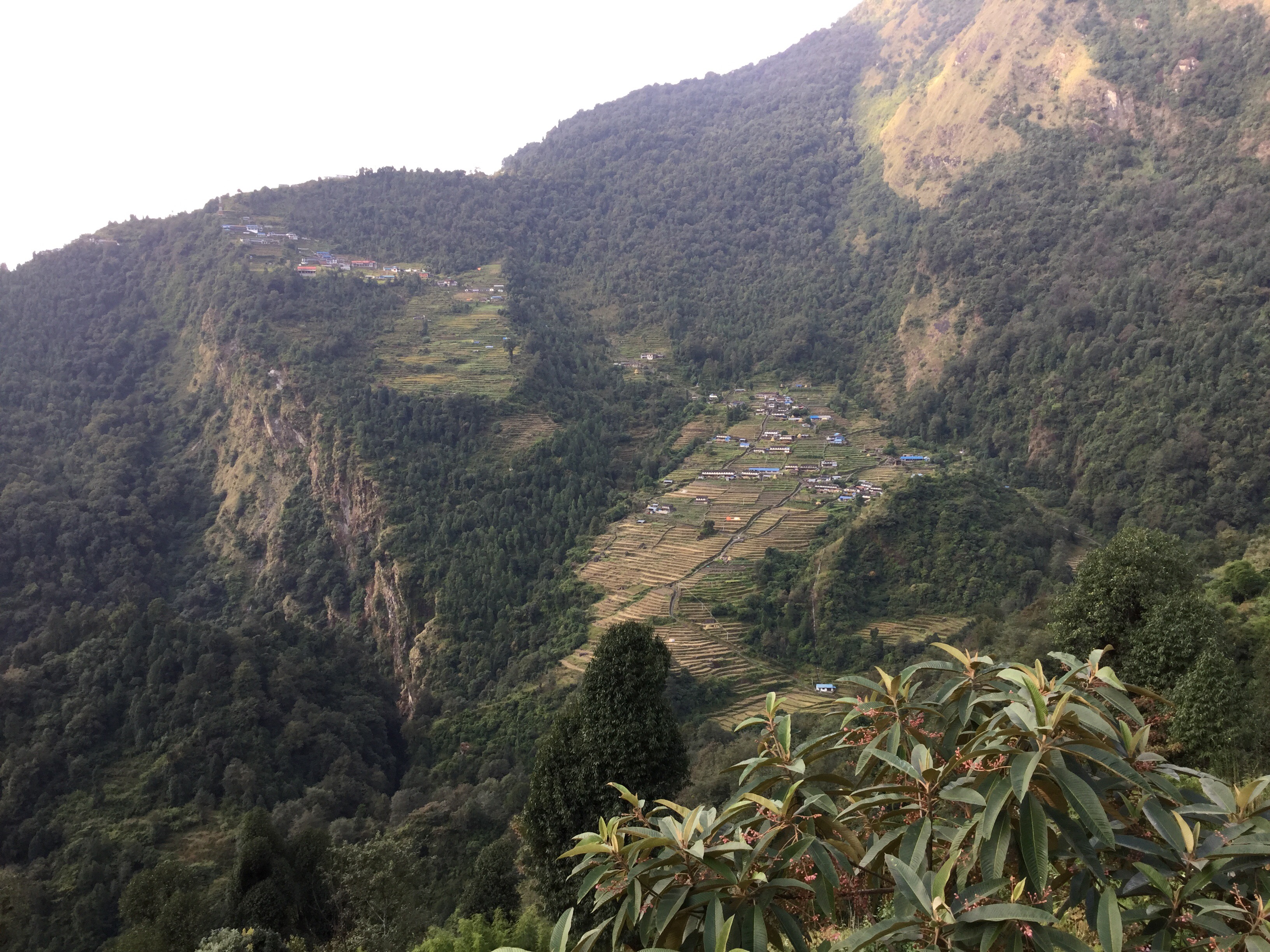
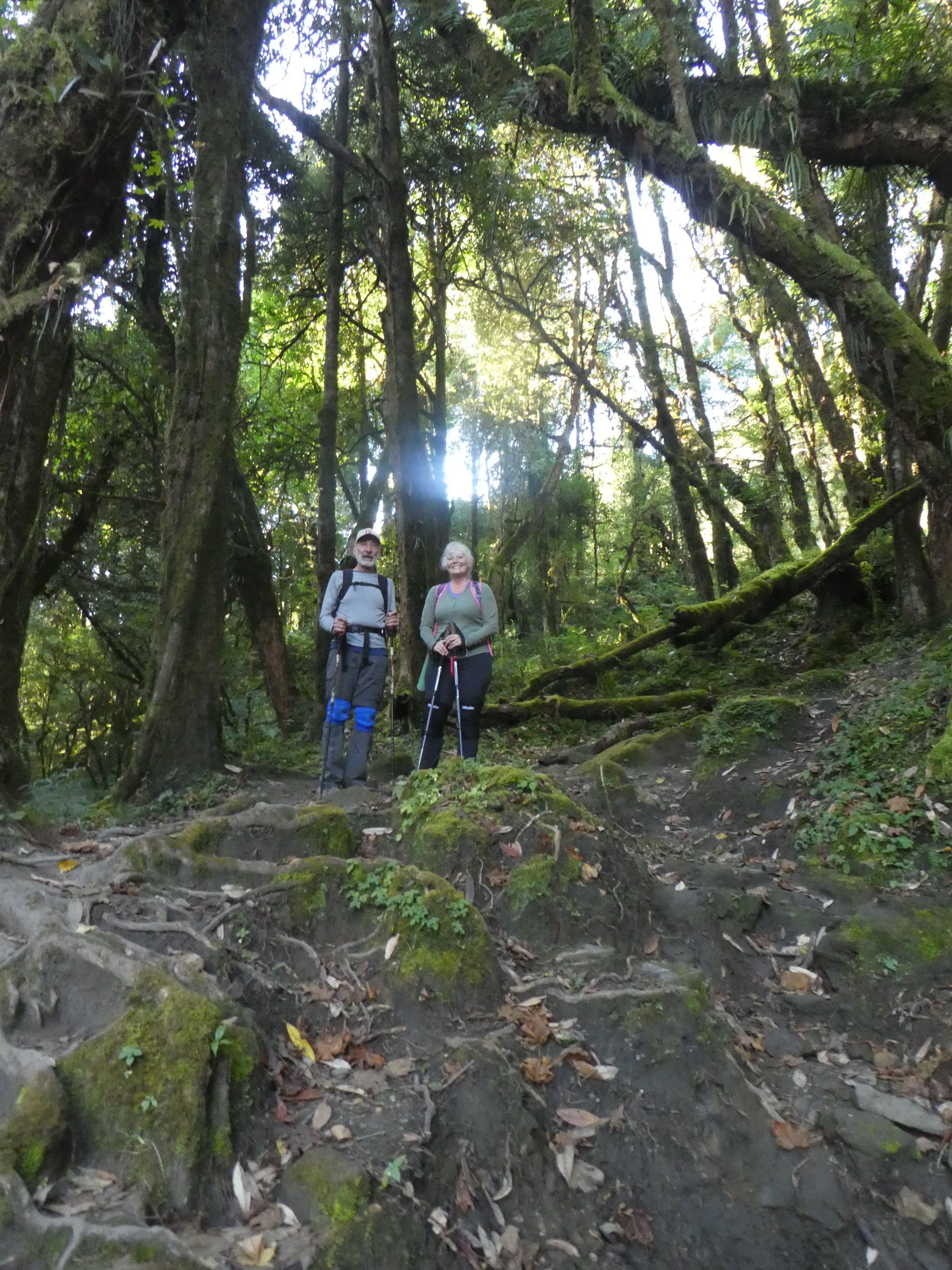
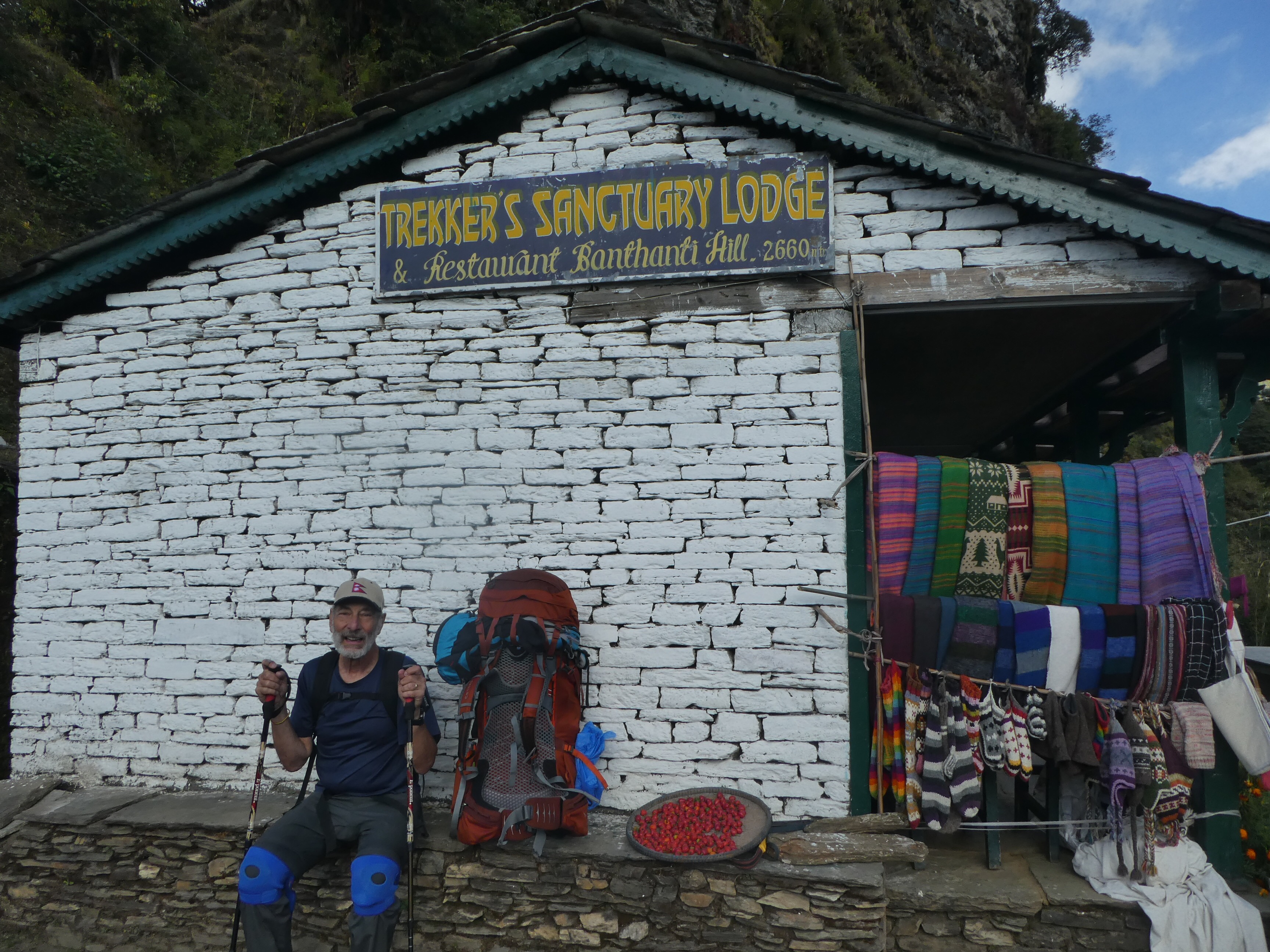
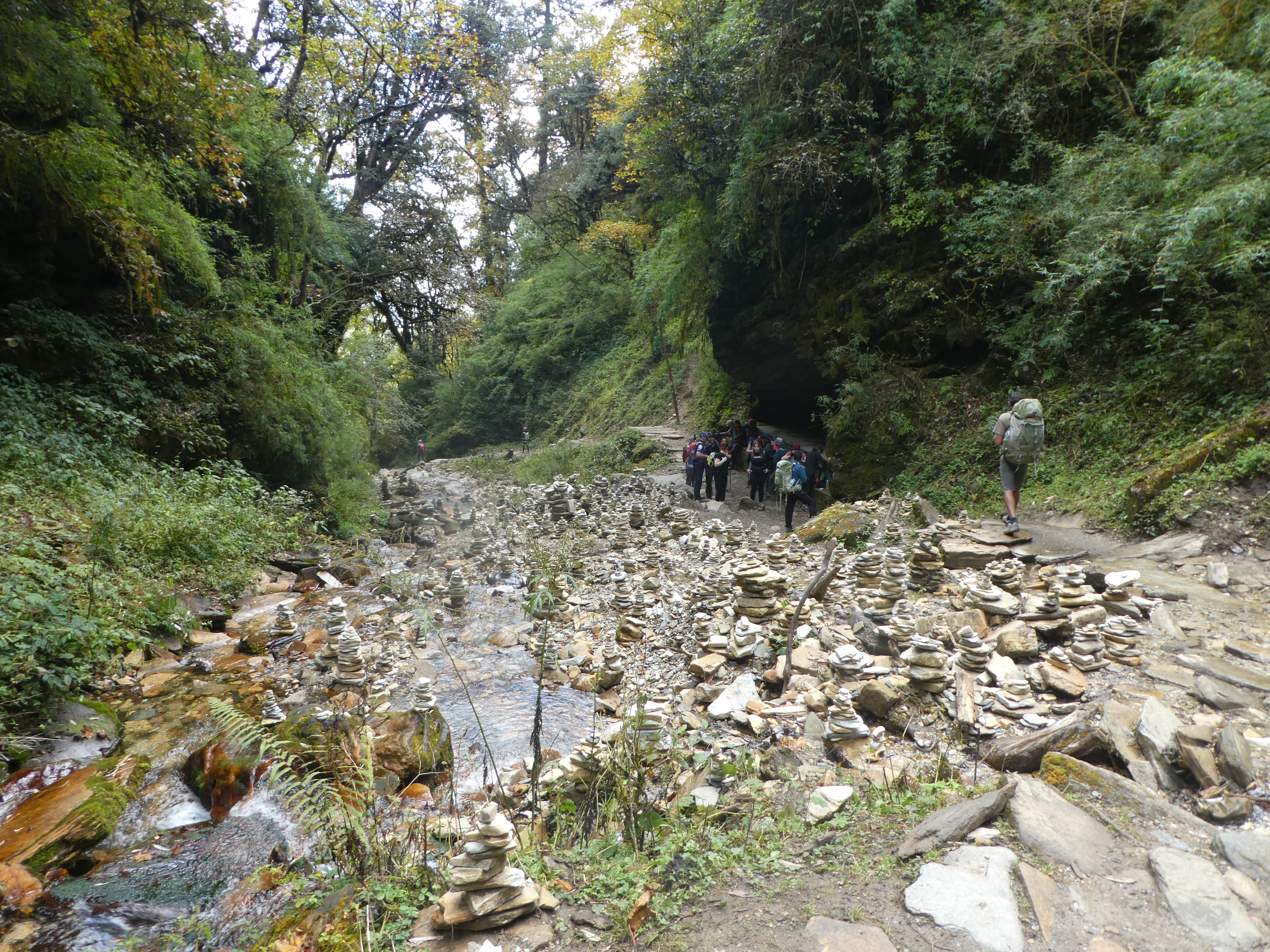
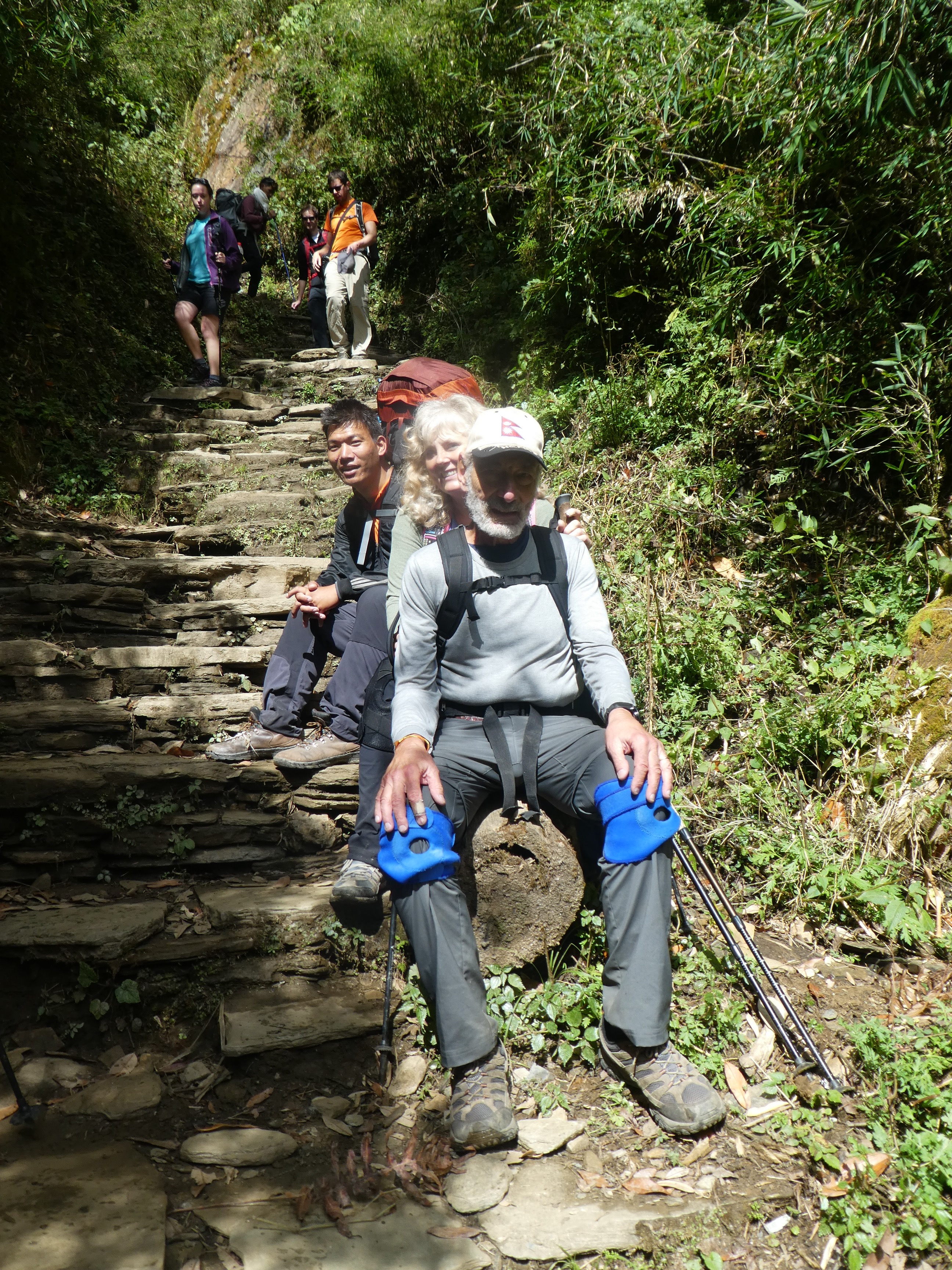
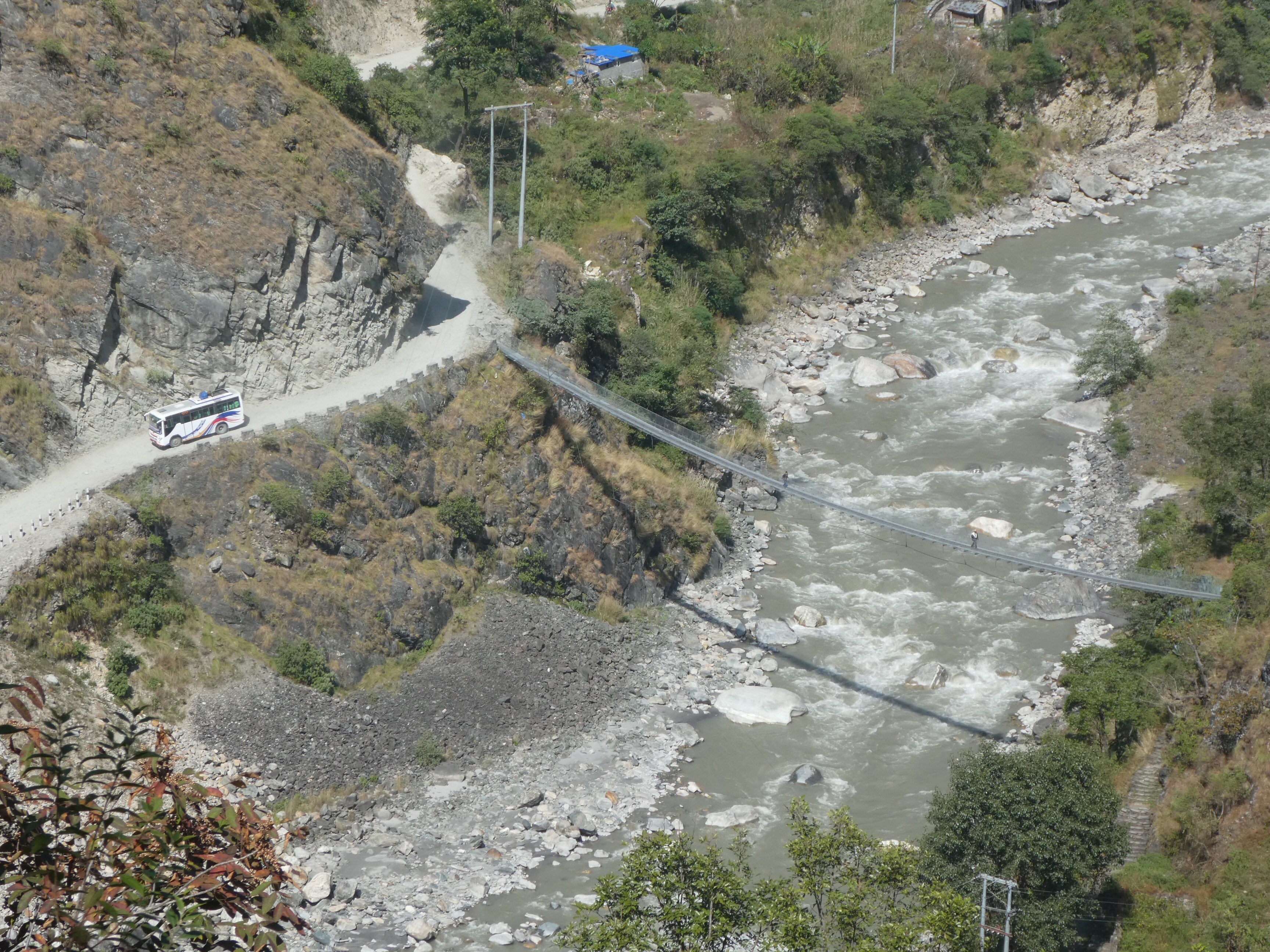
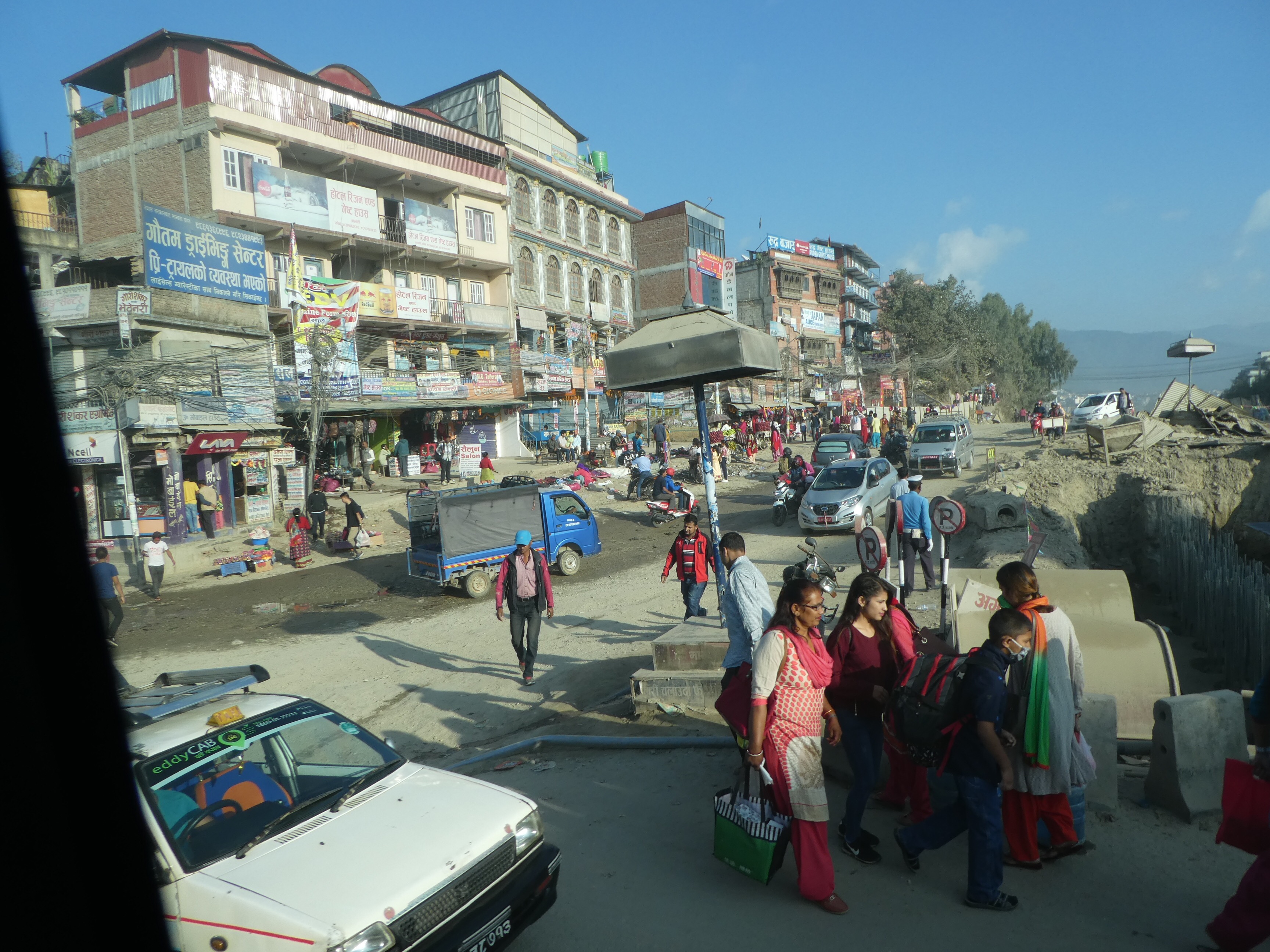
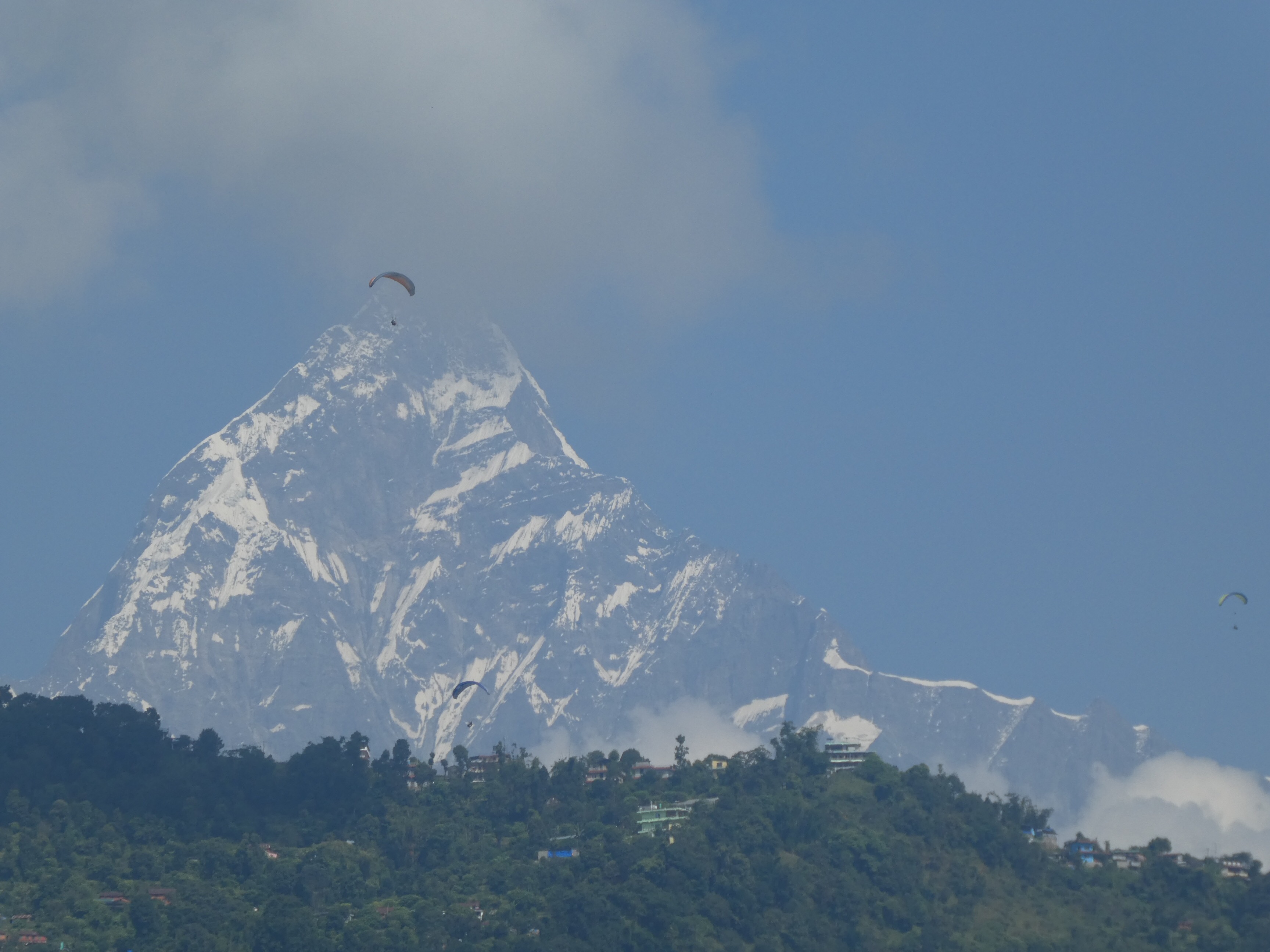
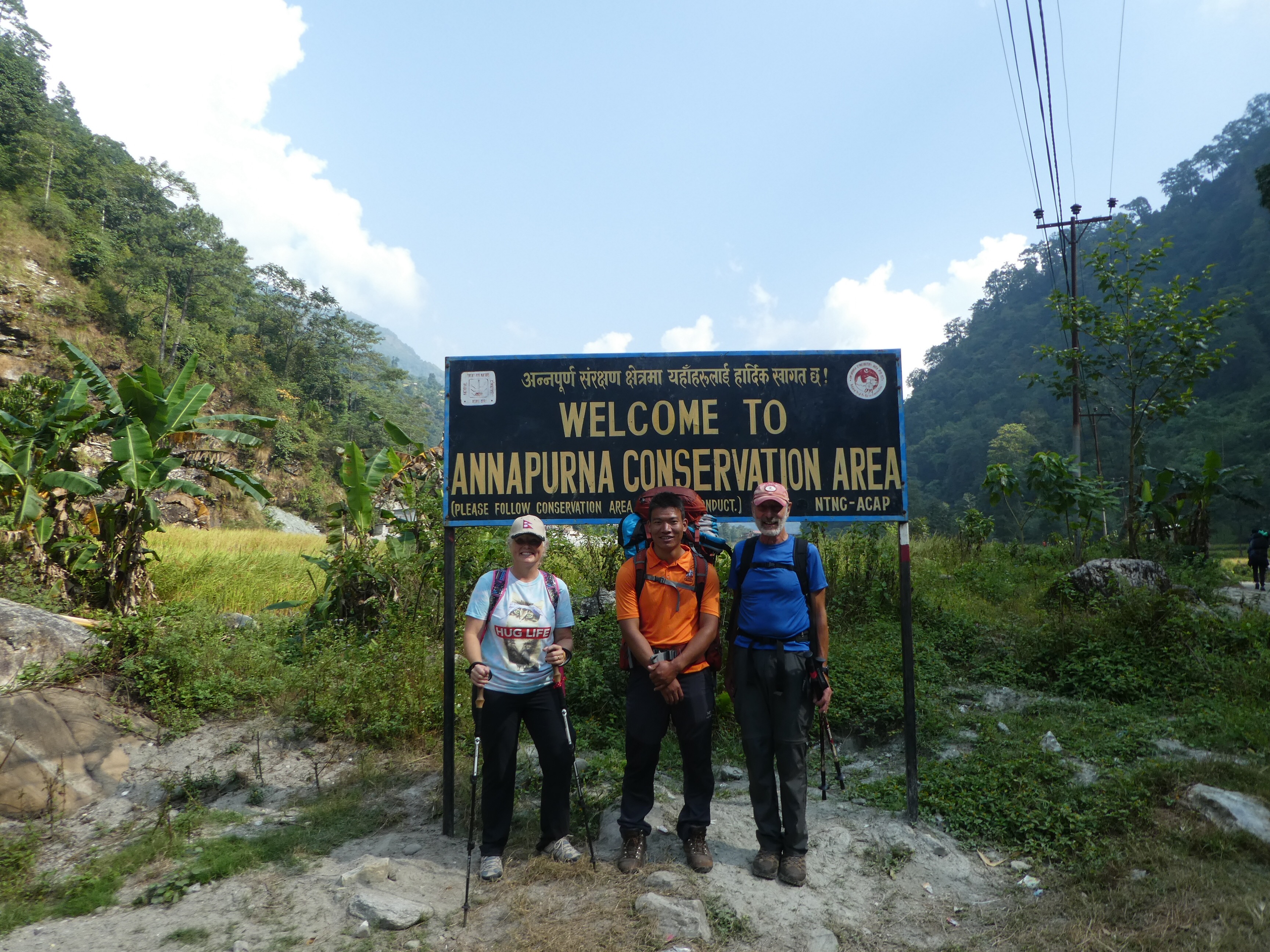
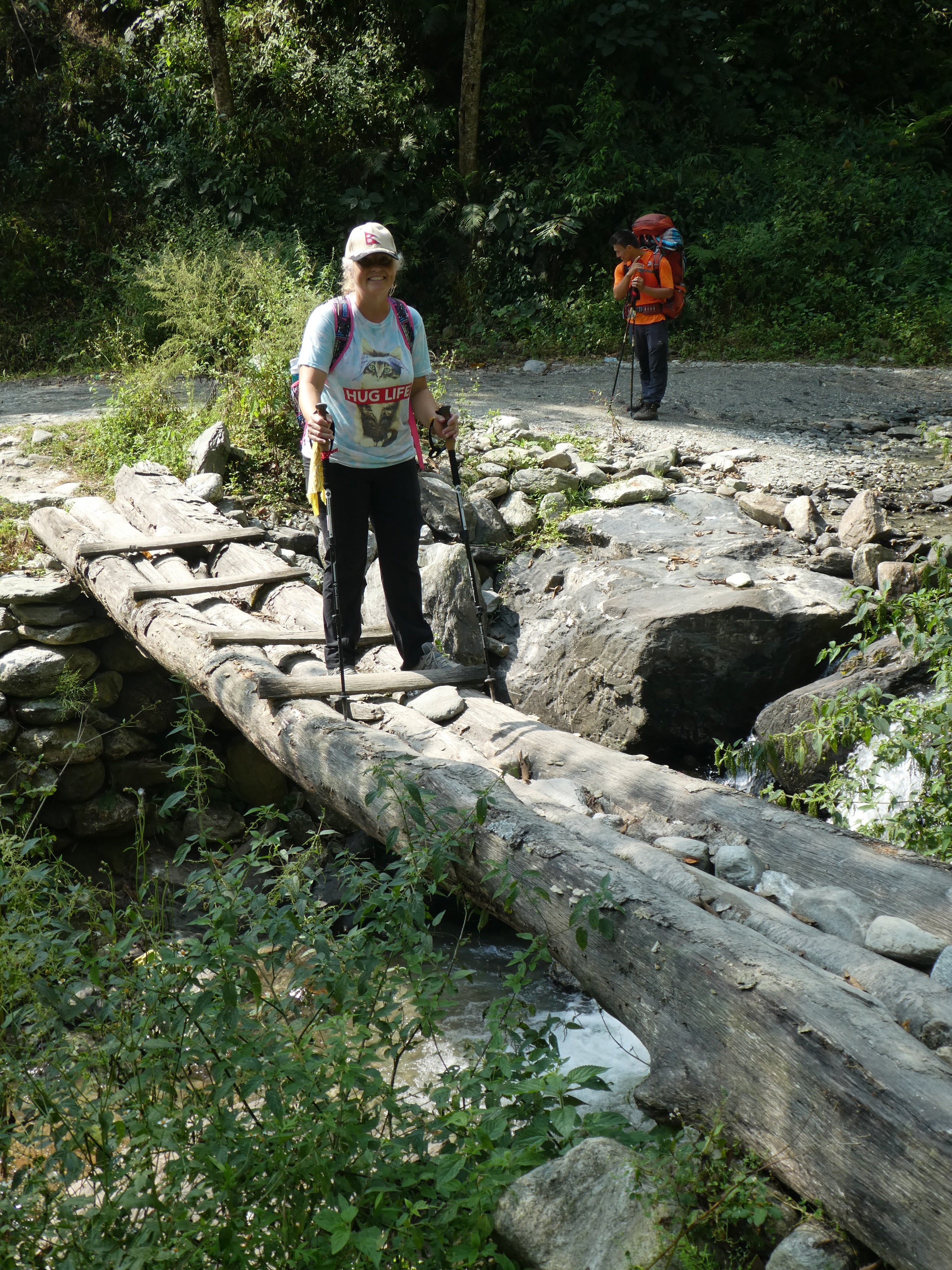
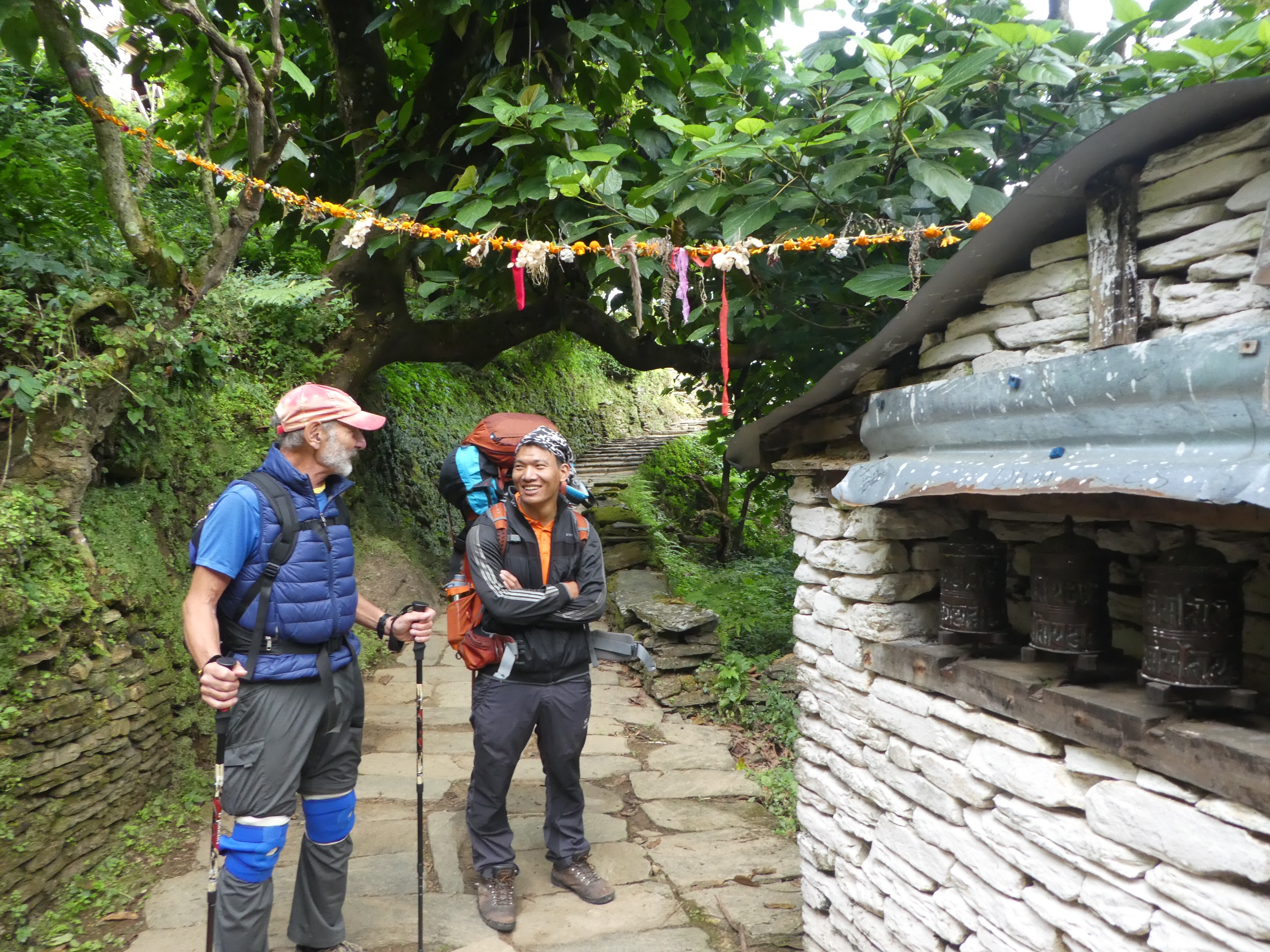
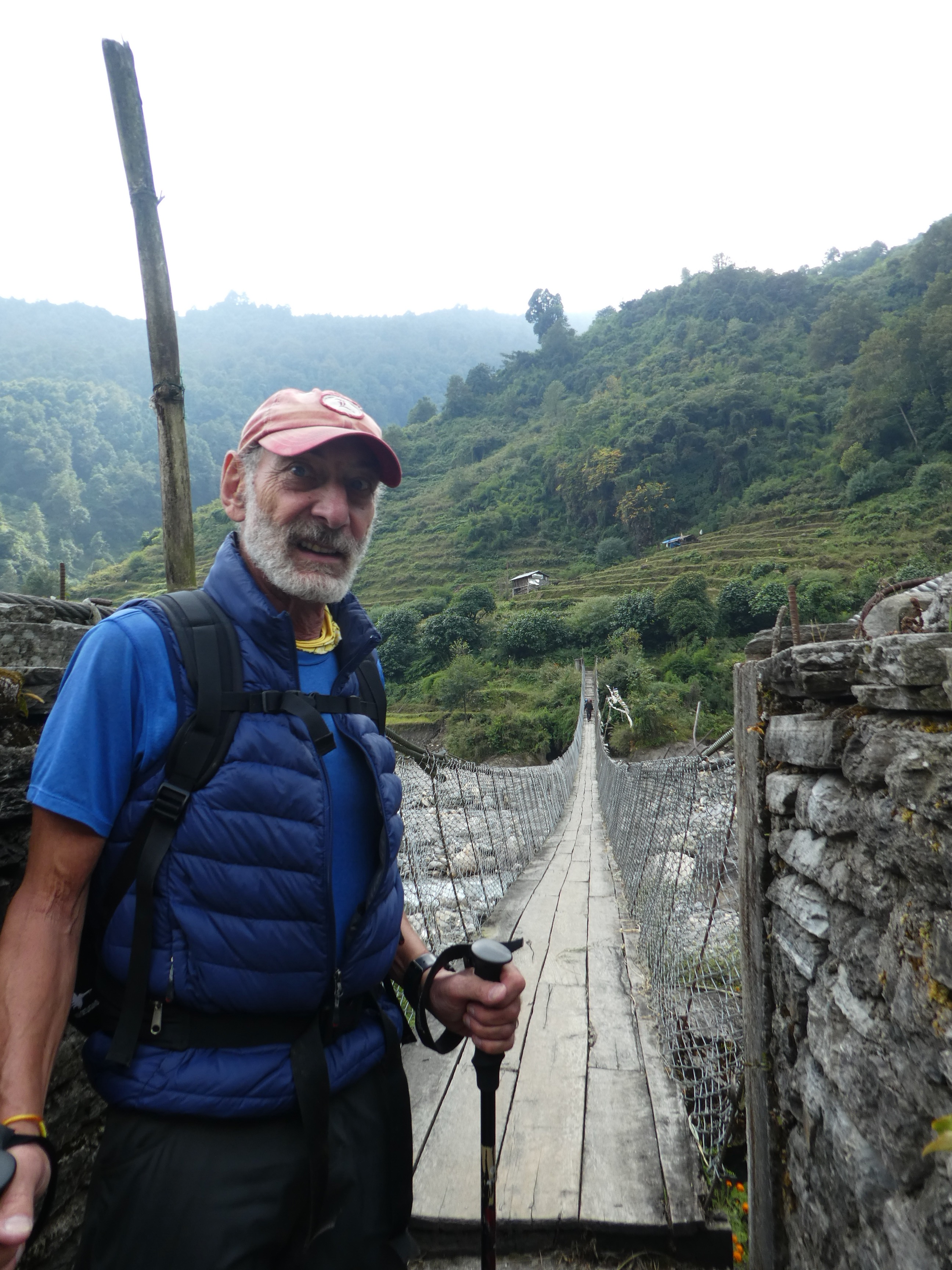
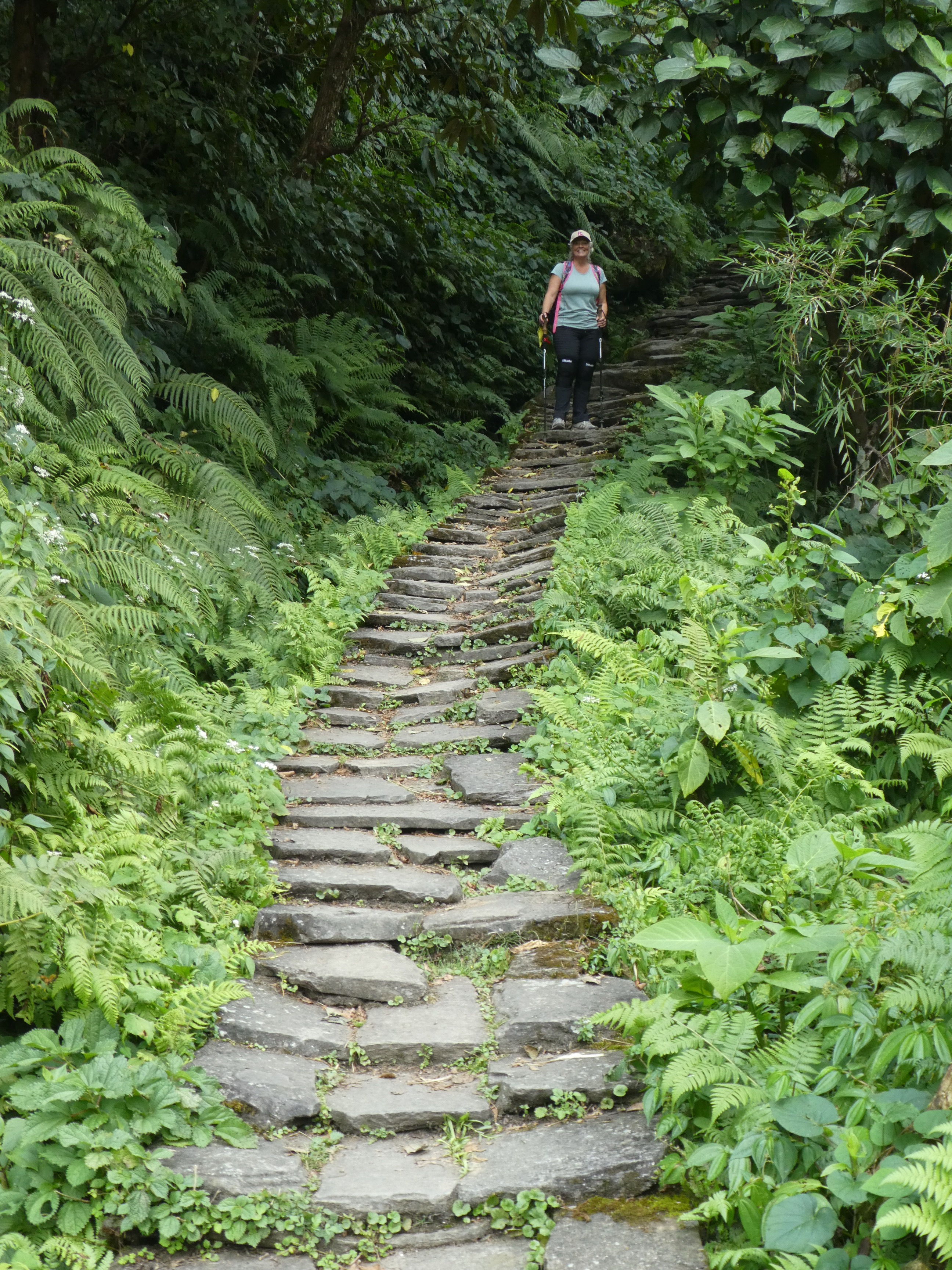
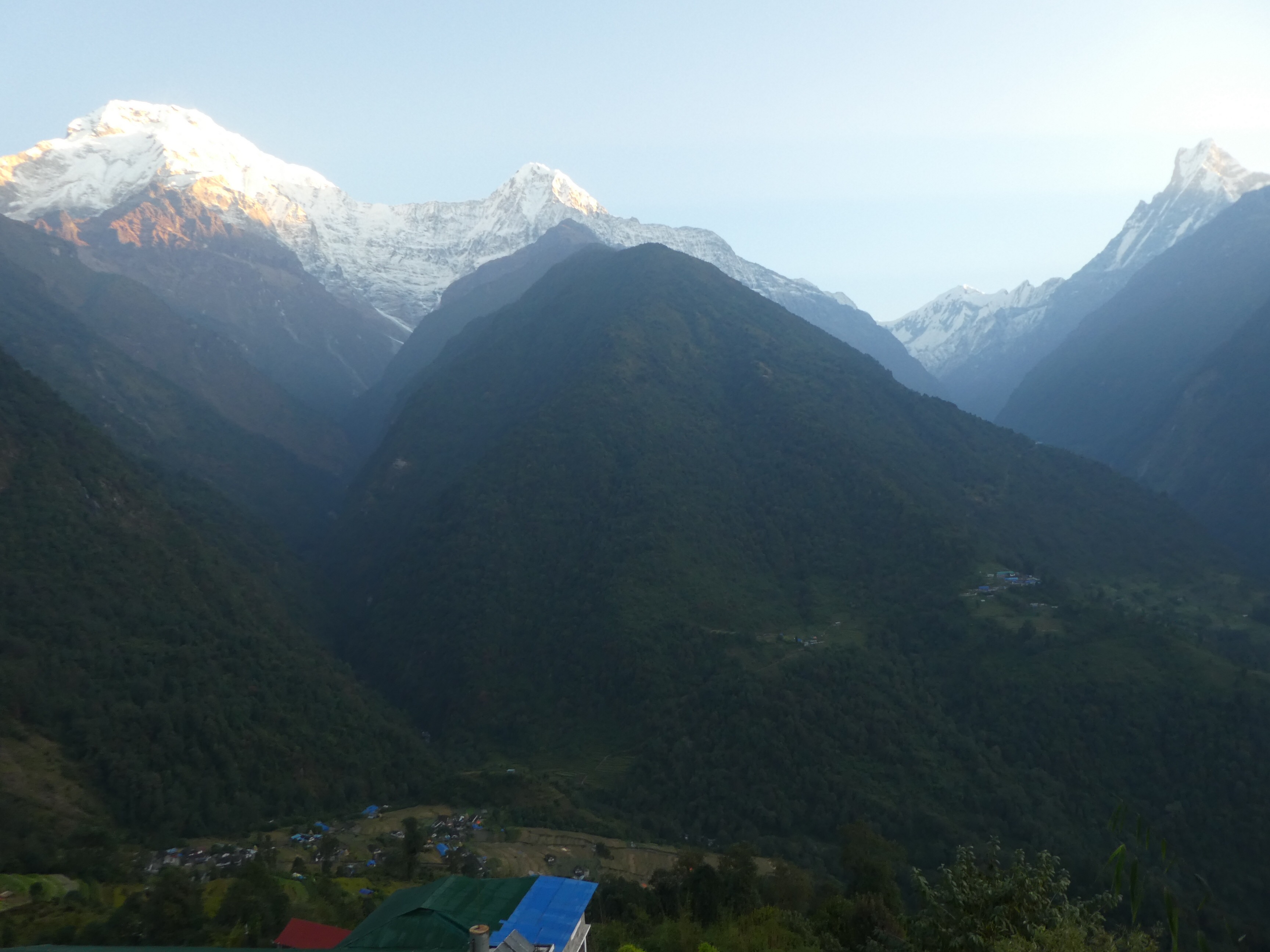
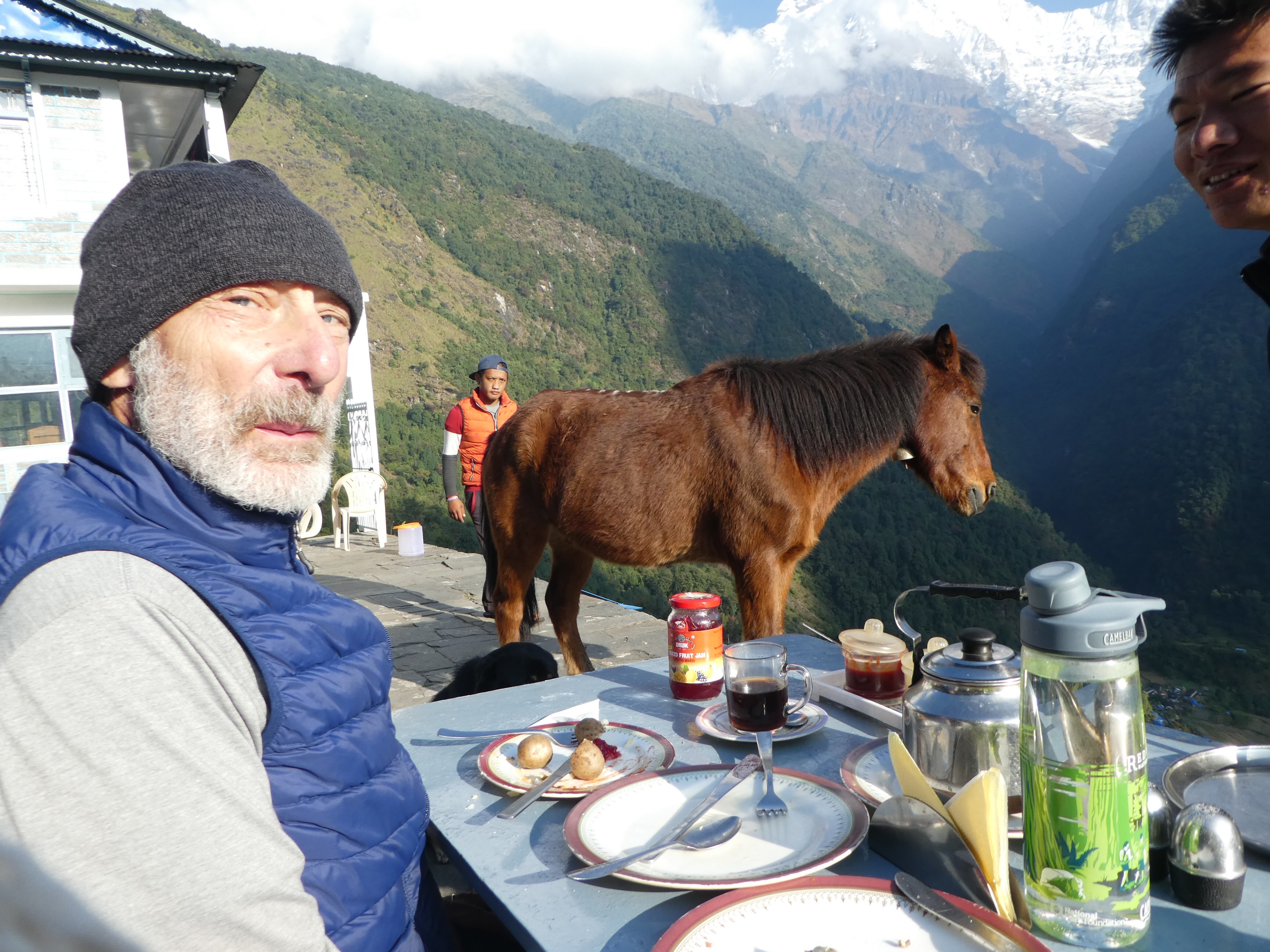
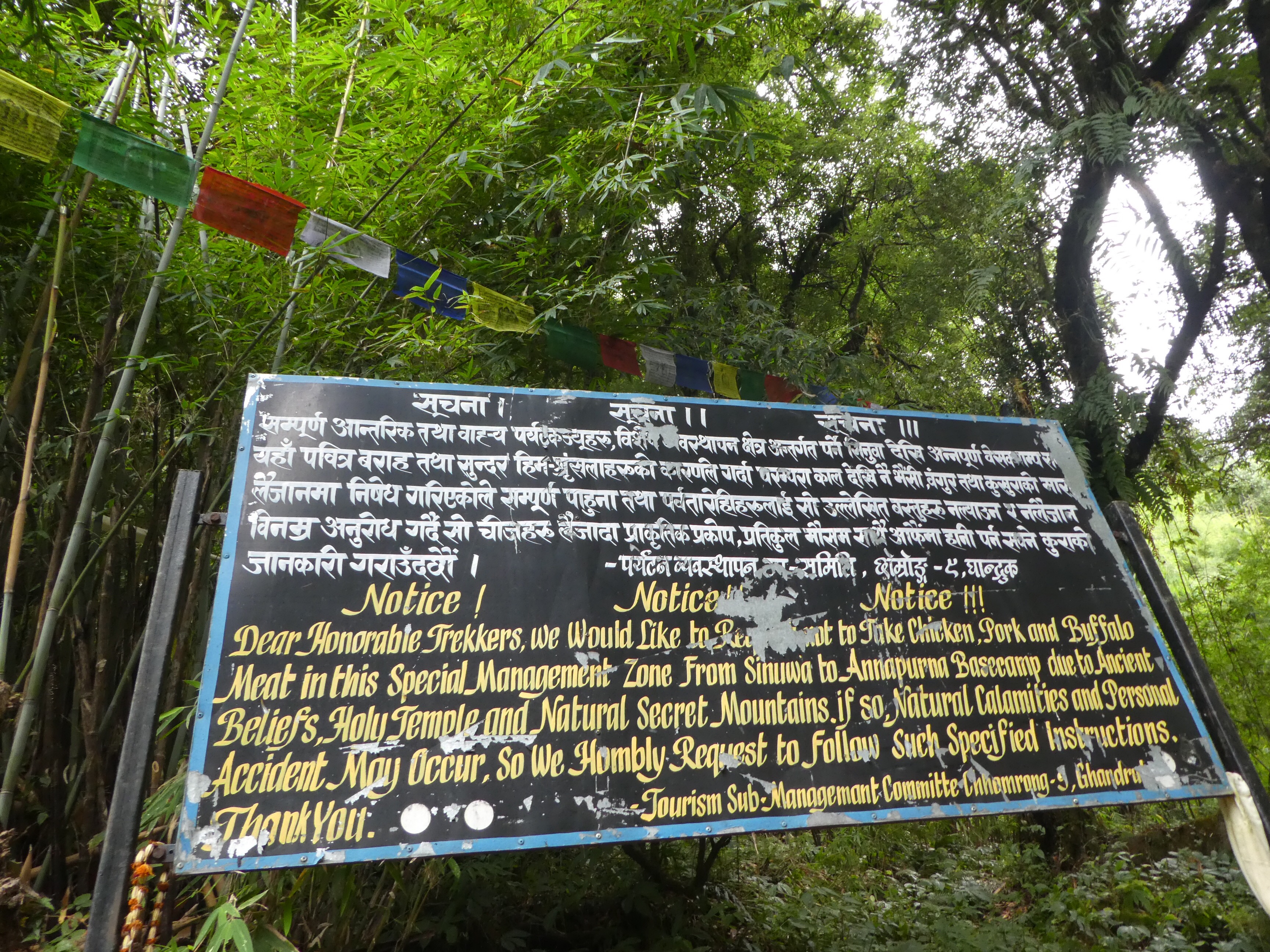
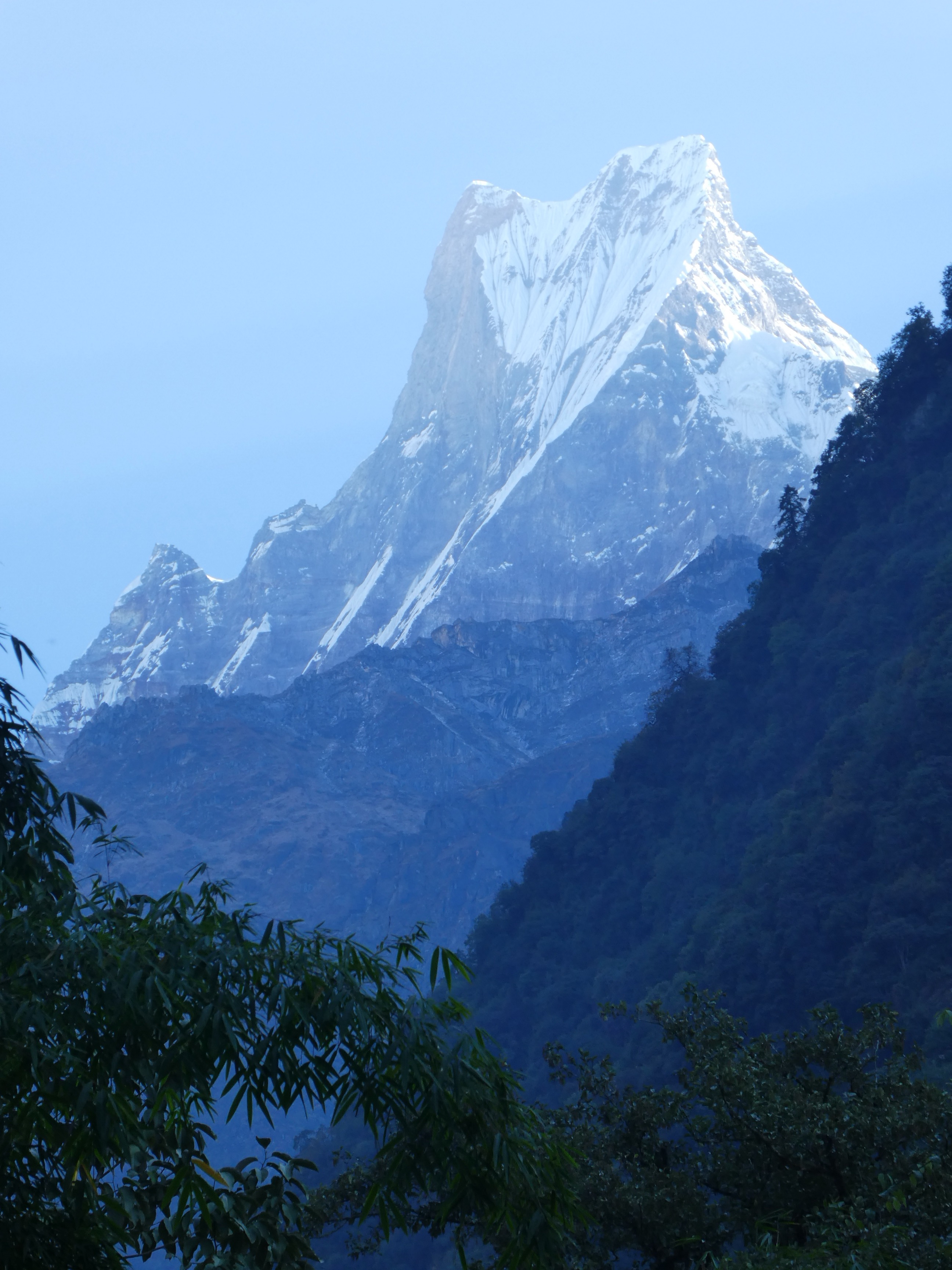
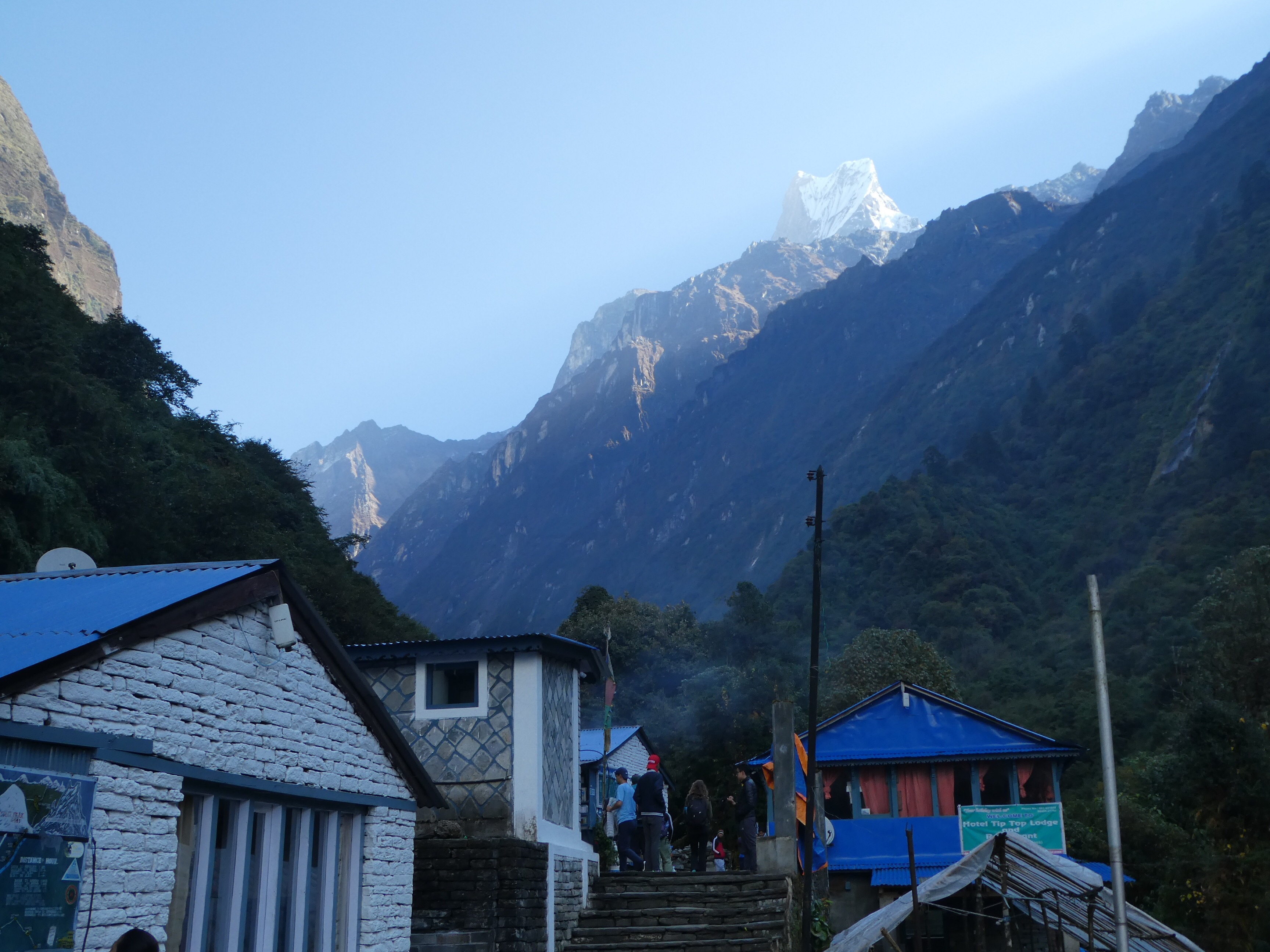
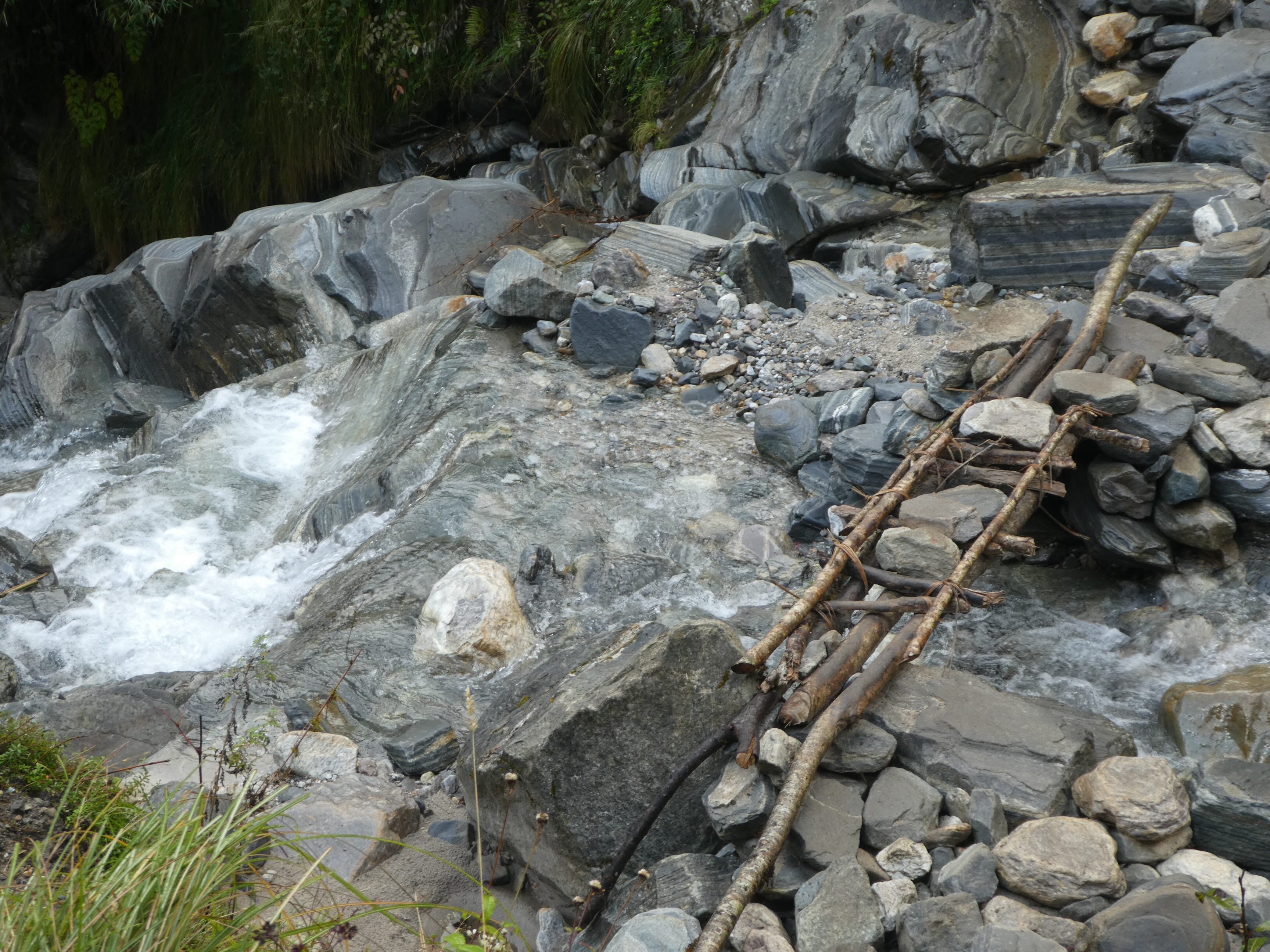
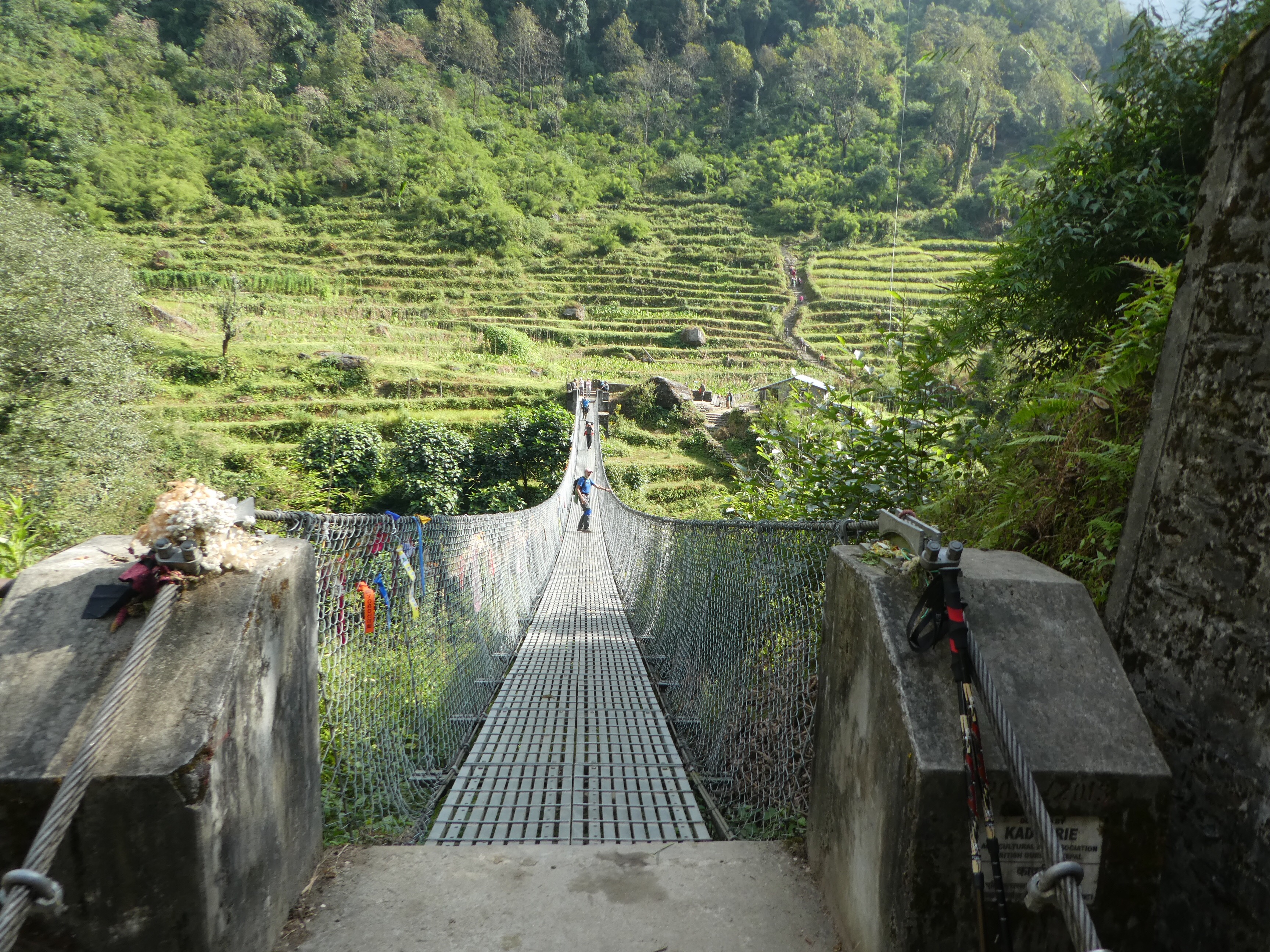
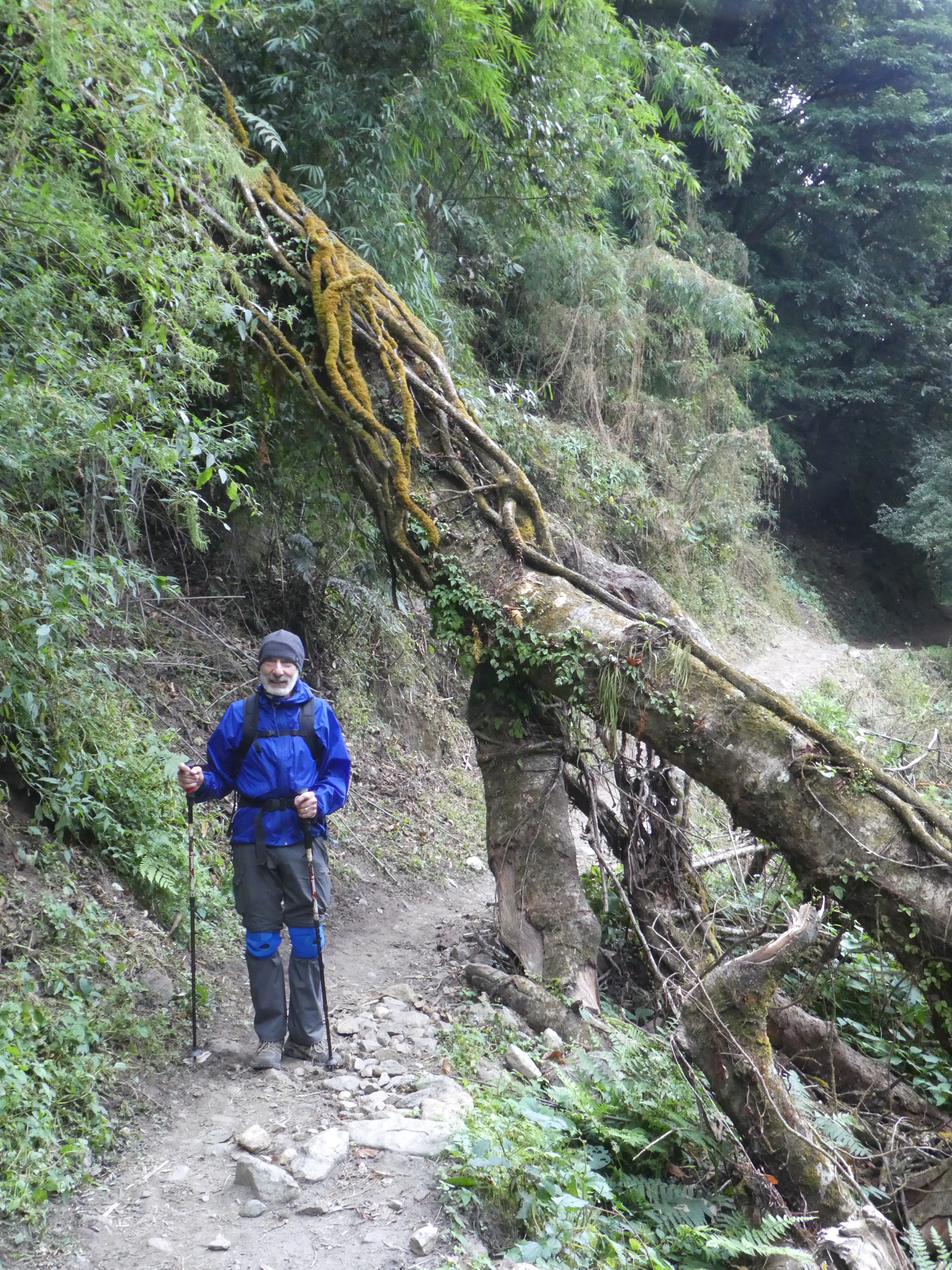
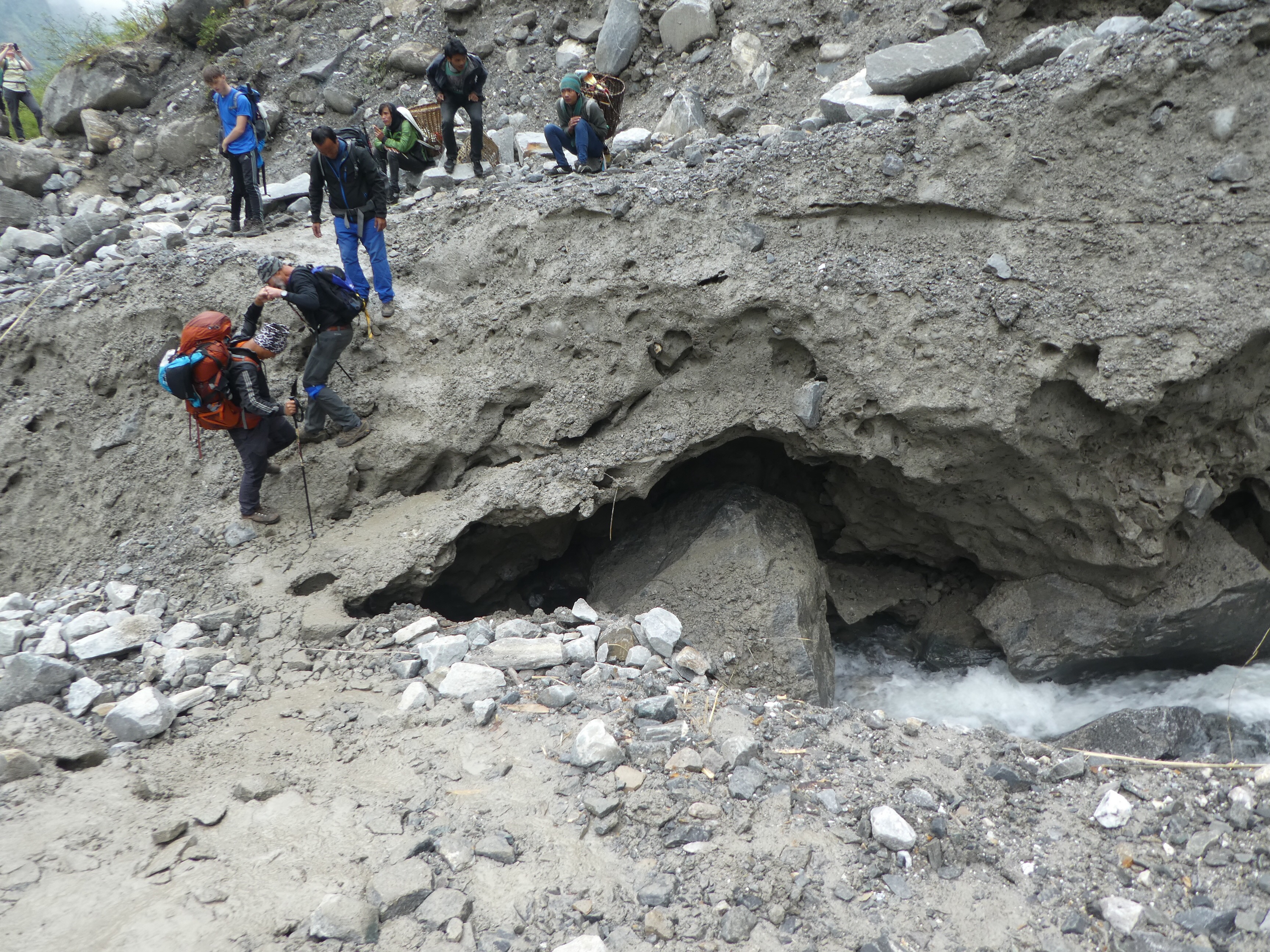
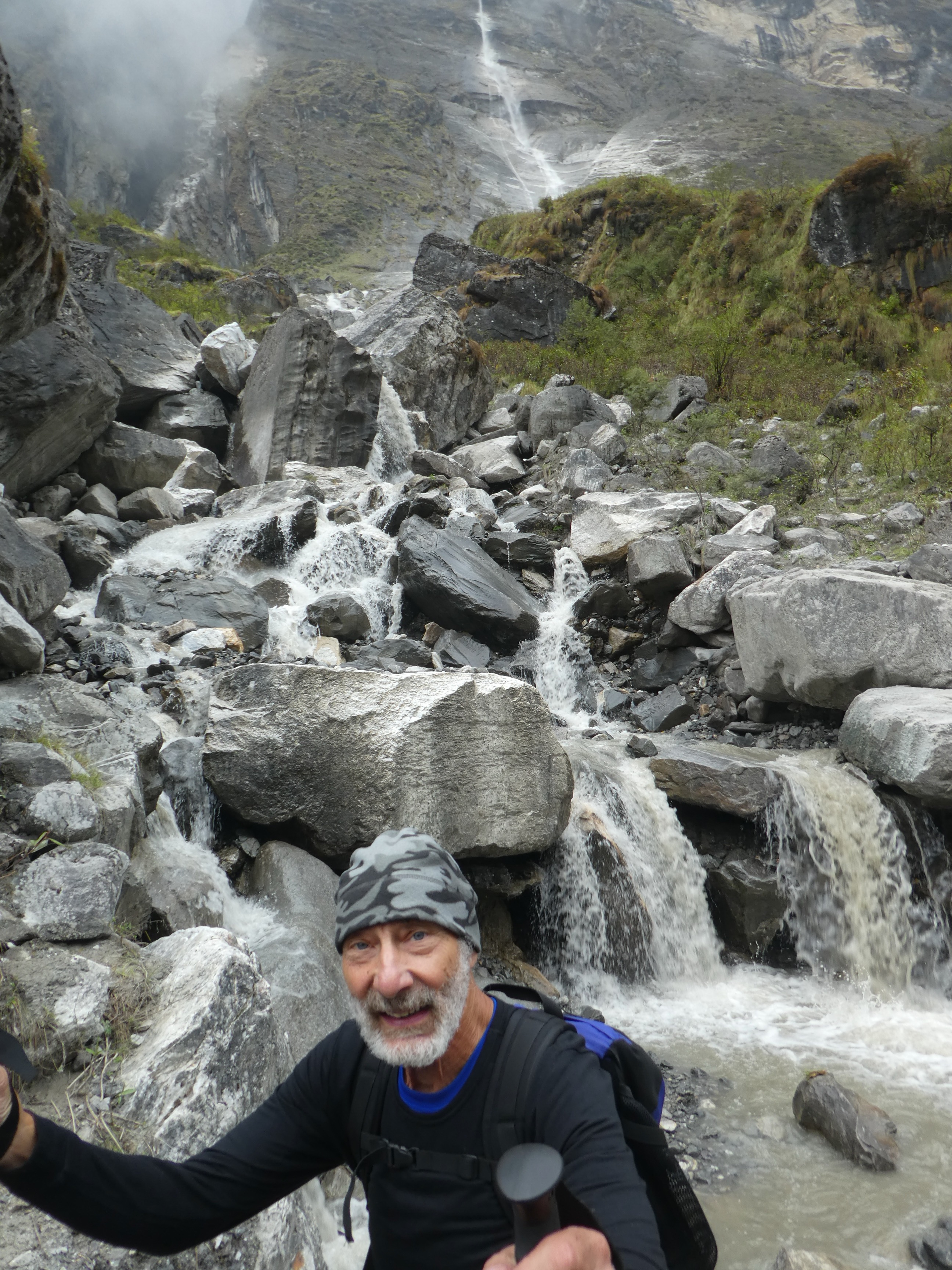
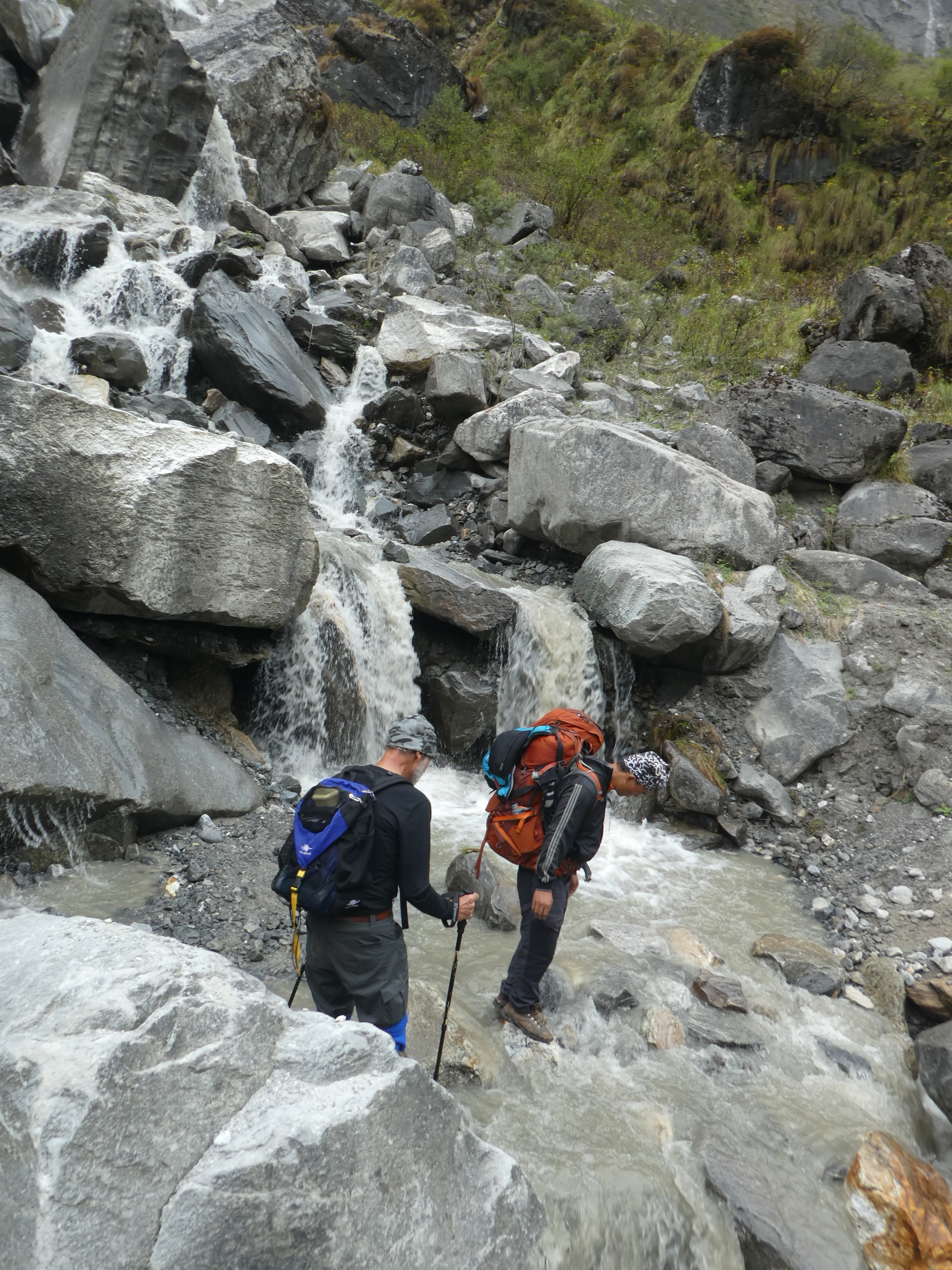
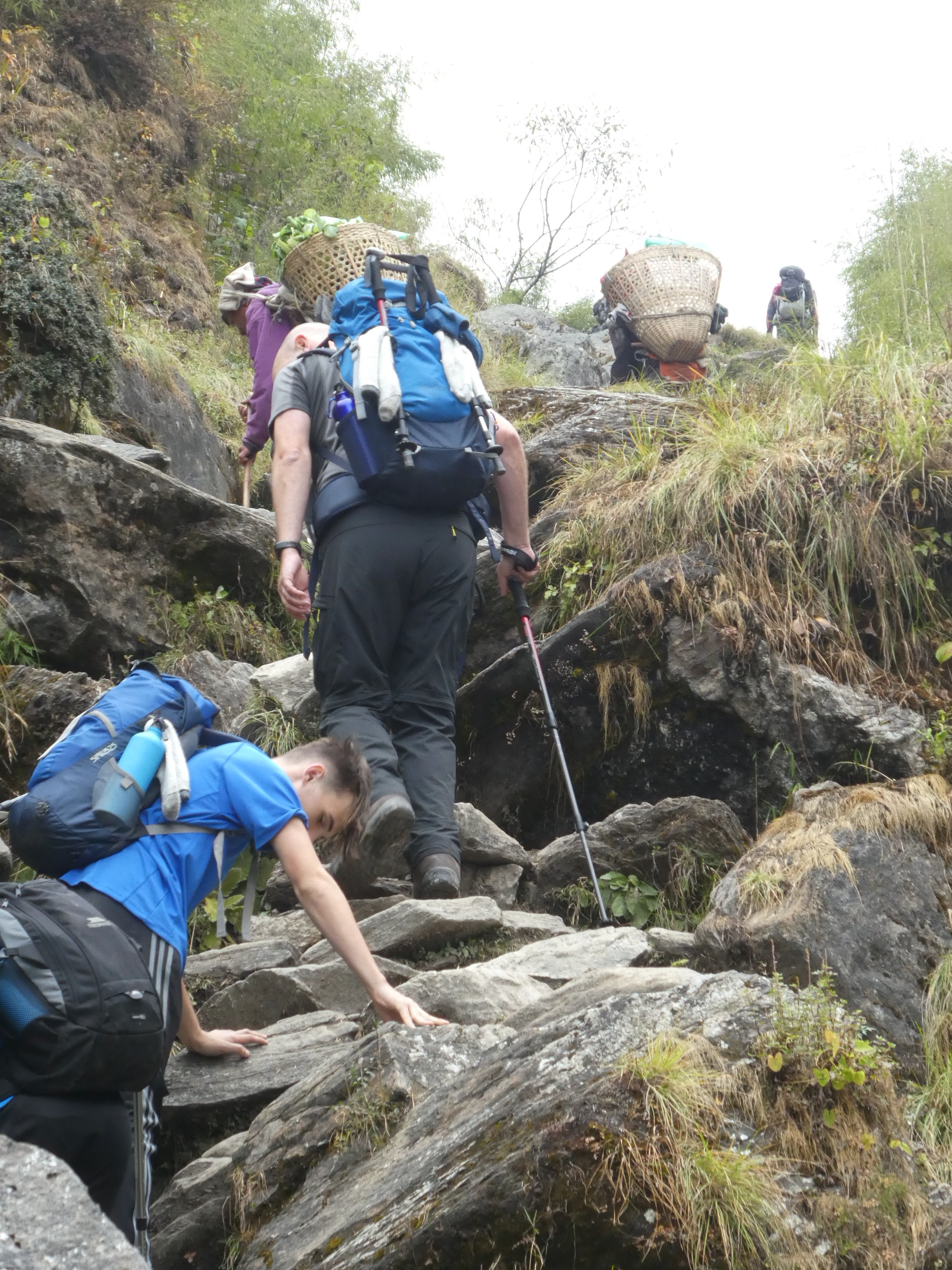
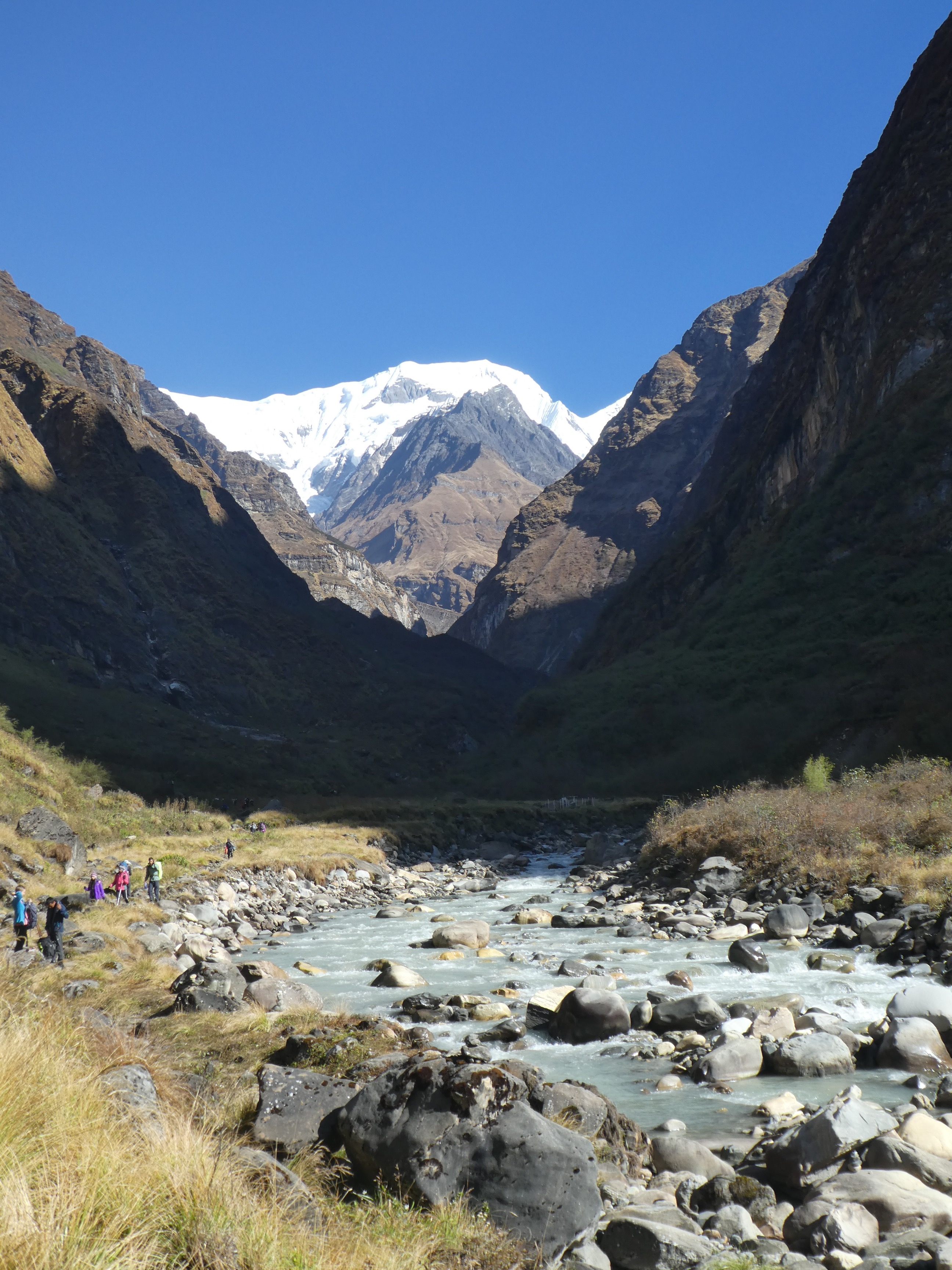
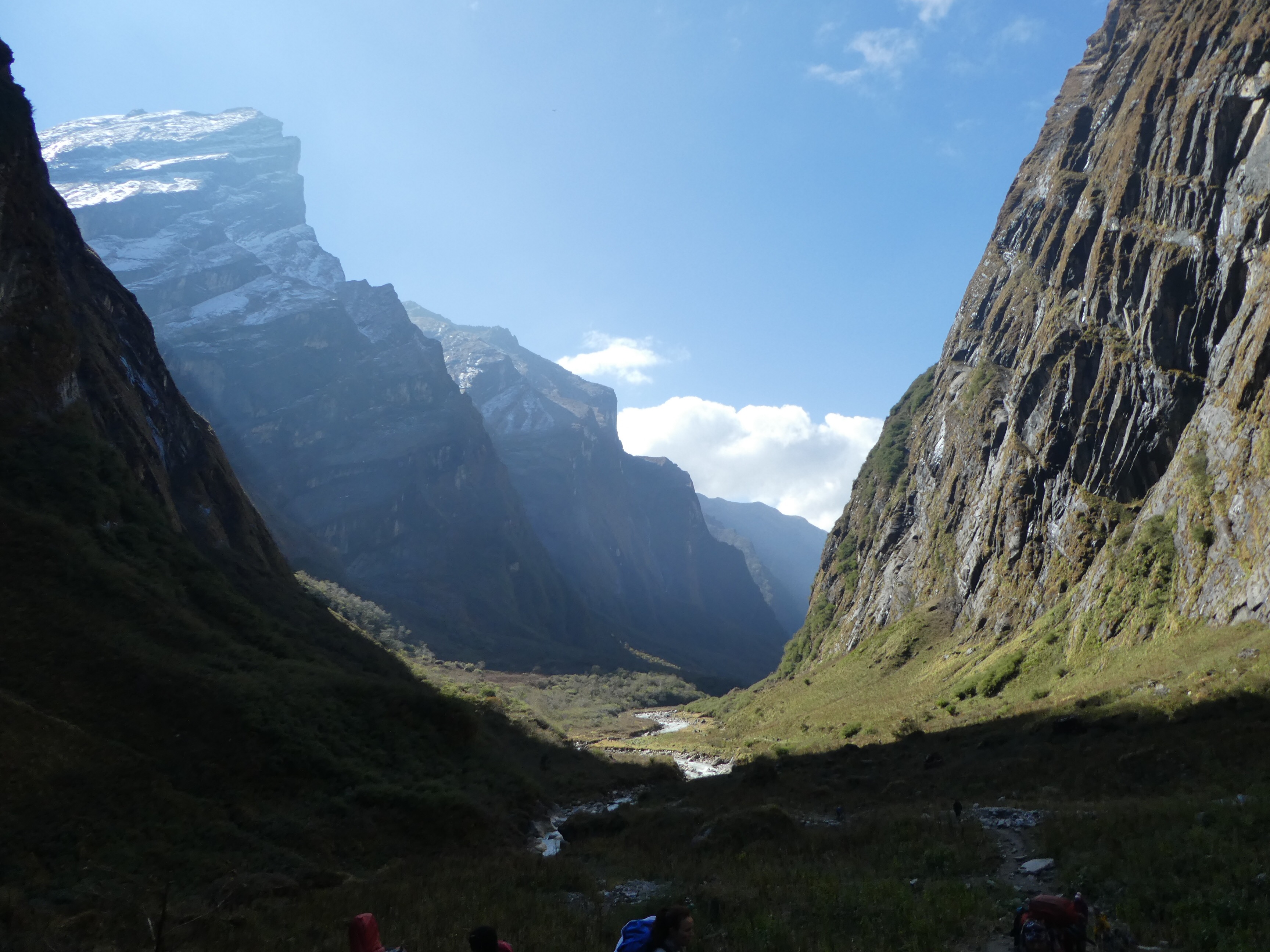
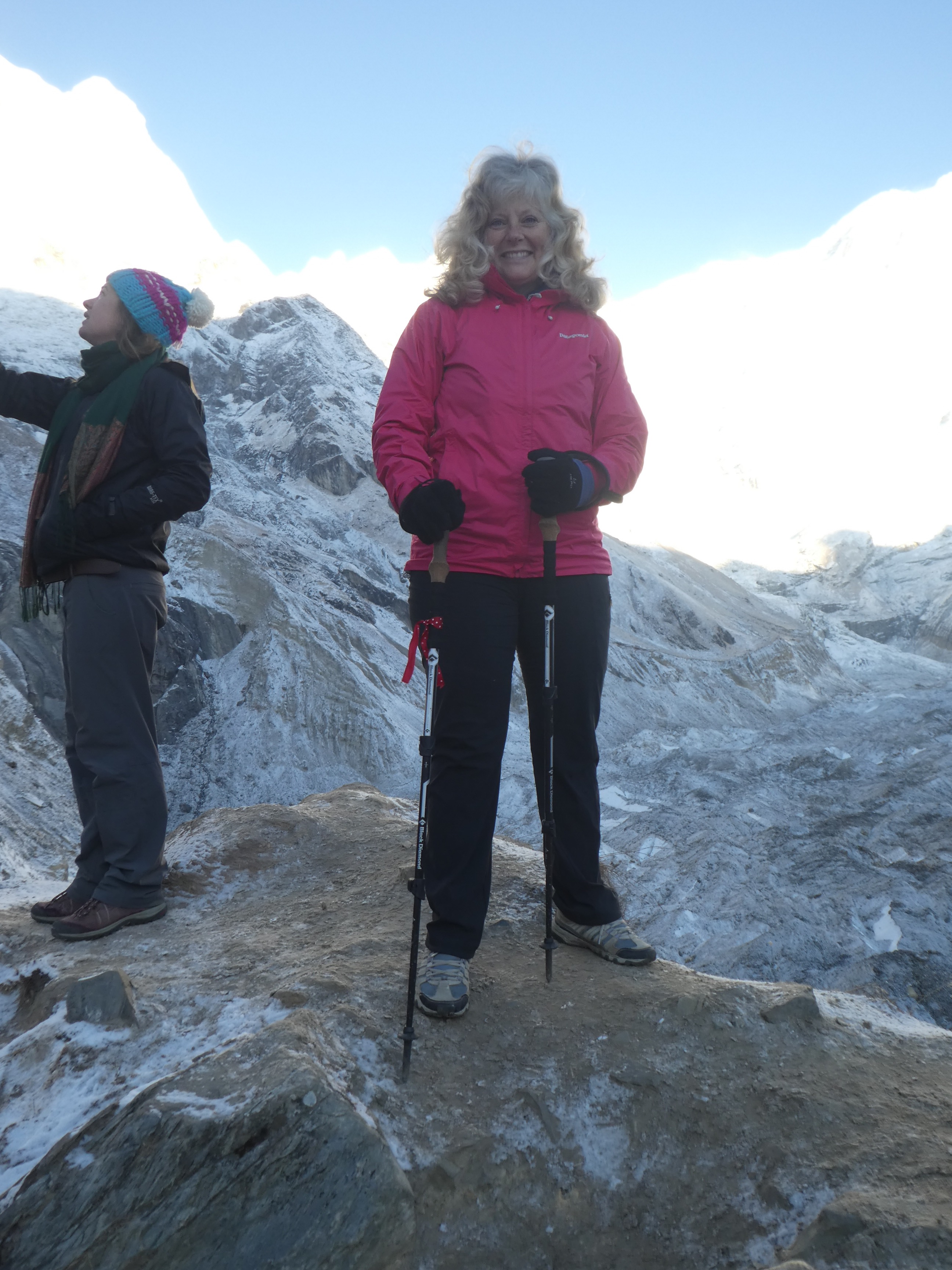
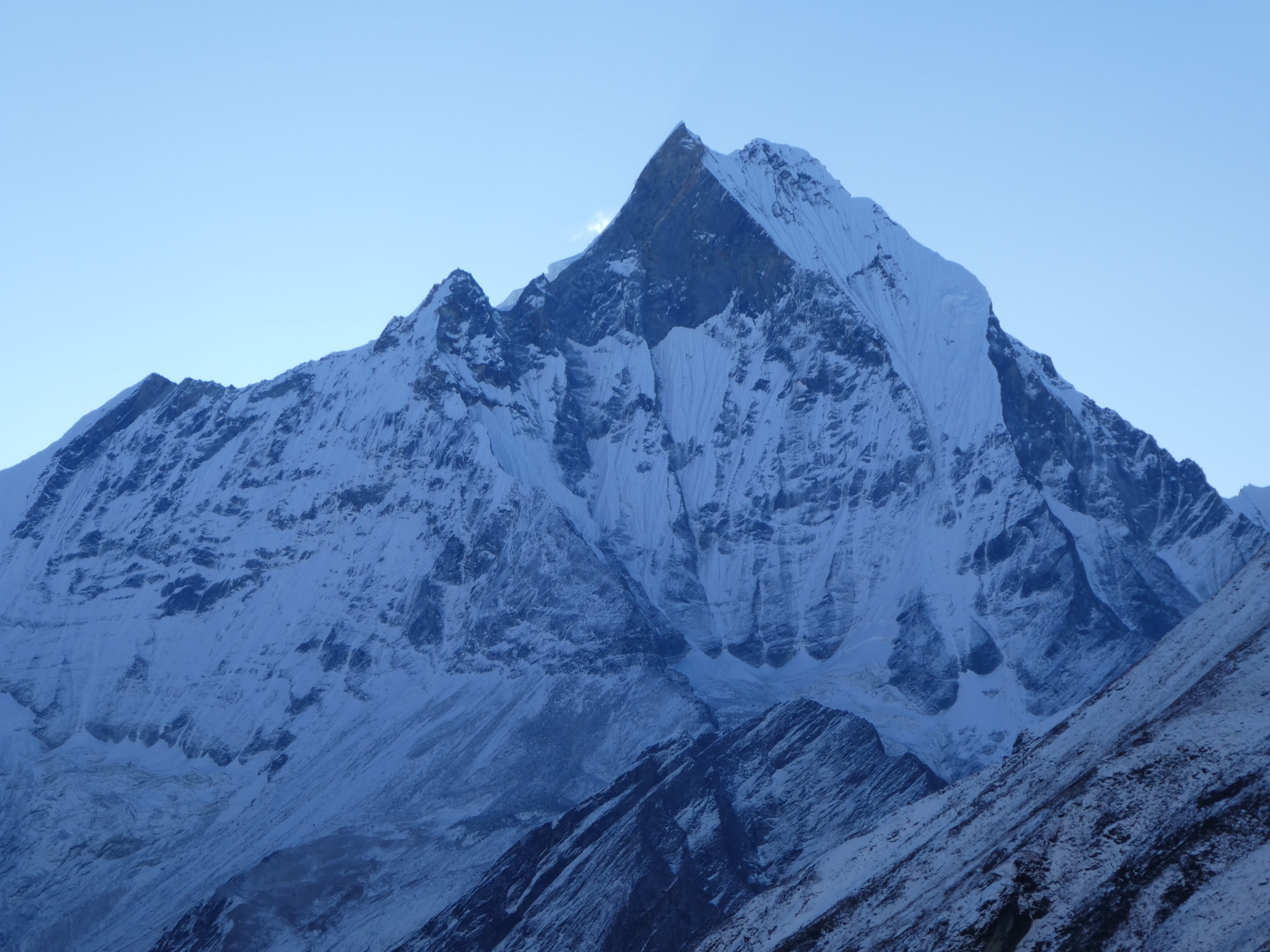
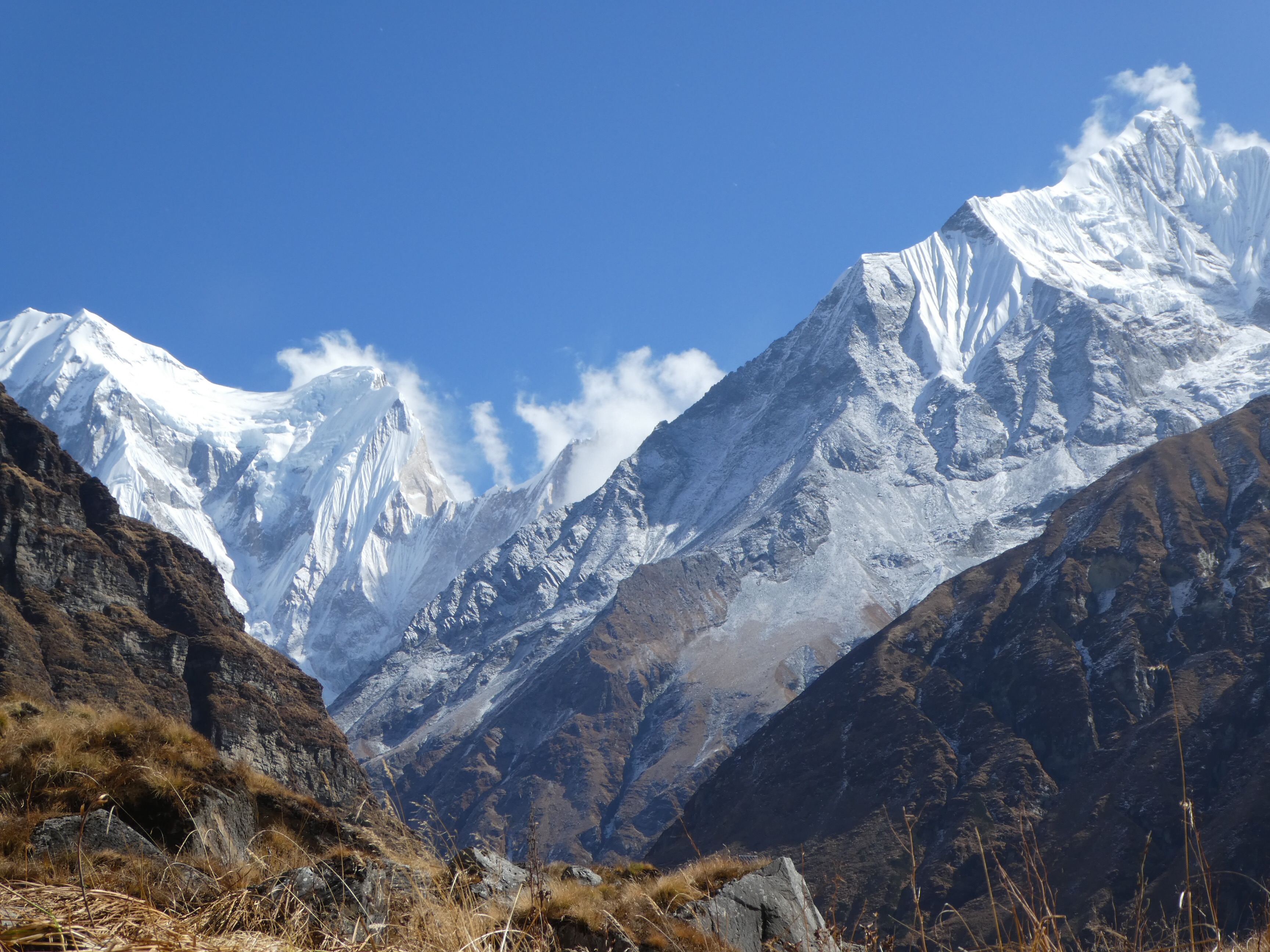
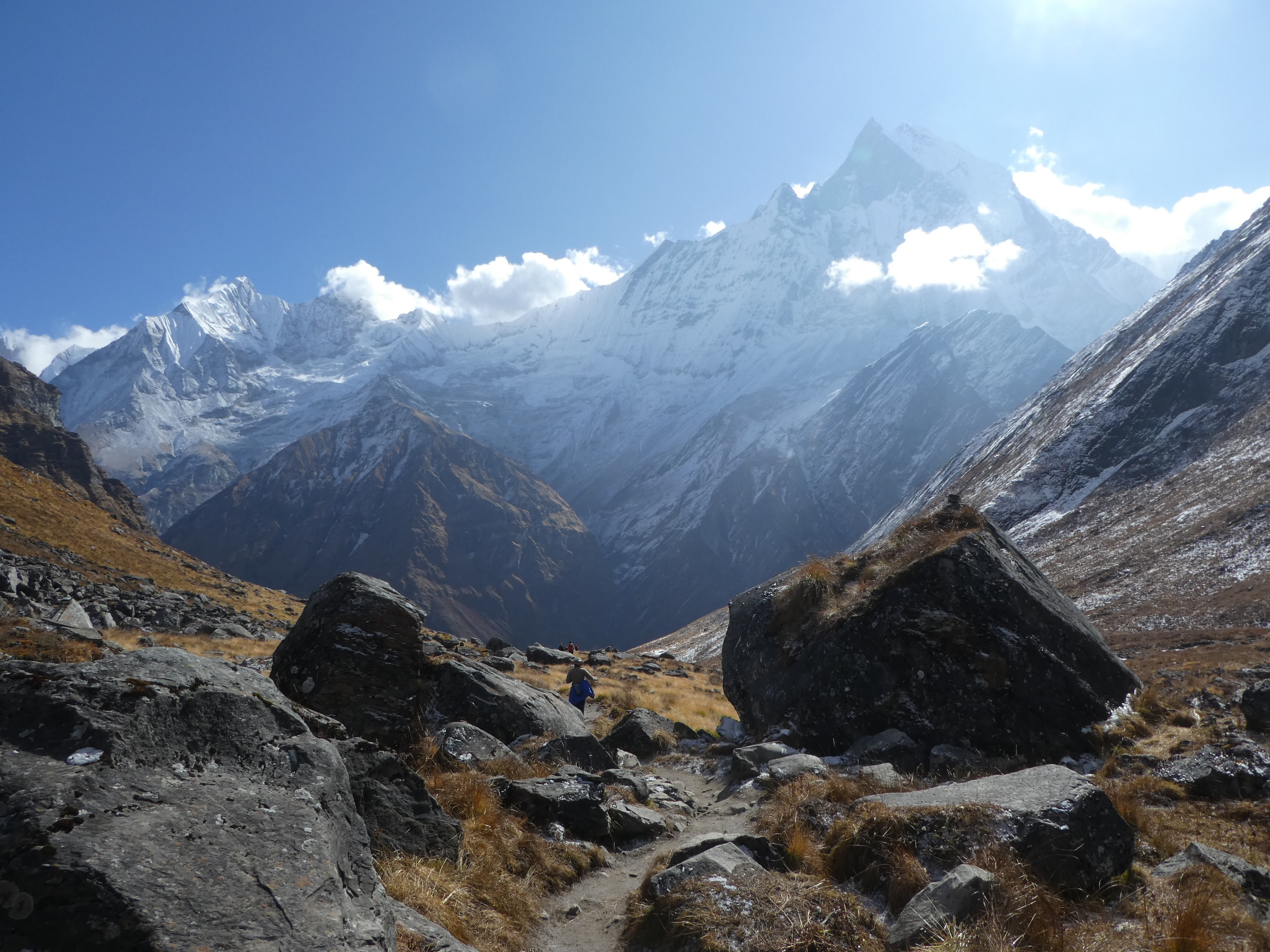
We are beginning this blog from Deurali guest house, 10,171 feet up in the Himalaya mountains.We are 4 days into a 12 day trek, only 2 days from our first goal of Annapurna Base Camp (ABC), at 13,550 feet. The base camp is situated in the Annapurna Sanctuary, a protected holy place in Nepal. As per Hindu beliefs, no meat may be consumed. No disposable plastic water bottles are allowed-yay! It’s 4 pm, Oct.26, 32 degrees outside, and will get a lot colder, below zero, at night. We are looking at massive, steep green mountains. Waterfalls are pouring down, and snow covered majesty awaits us. Tomorrow we will trek to Machhapuchhre Base Camp (MBC), and the next day, ABC, both snow covered for sure. We have seen Annapurna South, Hiun Chuli, and Machhapuchhre (aka Fishtail) along the way and are so looking forward to seeing them, and others, up close soon. Our trek has been incredibly difficult, but so beautiful up to this point. After 1 night in noisy, filthy, lively with Diwali festivities, Kathmandu, Nepal, we took the bus 8 hrs. over the worst roads imaginable to arrive in Pokhara, a 1hr taxi ride from Nayapul (3,346 ft.), where our trek began. At Pushpa Guesthouse, in Pokhara, Raj, the manager, introduced us to our porter/guide, Uttam. He has carried our 1 stuffed backpack topped by his own. It is all we can manage to carry light day packs with our own water. Uttam procures food and lodging each day and guides and follows us on the trail. He books our guest houses from his mobile, writes down our breakfast, lunch, and dinner choices and is our liaison in all matters with the guesthouses. It is high season right now, and we are especially grateful for his services. Many people are turned away from overbooked guesthouses, which means they have to just keep trekking! The trail is clearly defined and, mostly, incredibly steep. We climb up many steep rock steps. Some are just a big jumble that you must find your way up, up, up! Just when we think we can’t take another step up, we go straight down, down, down! We’ve followed along dried river beds, hopped rock to rock across rushing creeks, and tried not to look down crossing rivers on swaying, bouncing suspension bridges, or bridges made of bamboo, or tree limbs and flat stones, more branches and mud pack holding them together. We are exhausted and out of breath most of the way. We started a regimen of Diamox to ward off altitude sickness above 8,000 feet. We climb using trekking poles to steady and plant our feet, and knee brace wraps as well. Bruce tripped and fell on one knee without injury, but Linda fell flat on her face on a small wooden bridge and hurt her nose/teeth/leg. She’s O.K., but we hope we will not have any more of these accidents. One tourist, we were told, dropped dead on the trail. Another, fell into the river at a glacier crossing, hit her head, and came stumbling into our guest house, aided by two other trekkers. We thought she might be air lifted out, but later heard she was feeling better.  

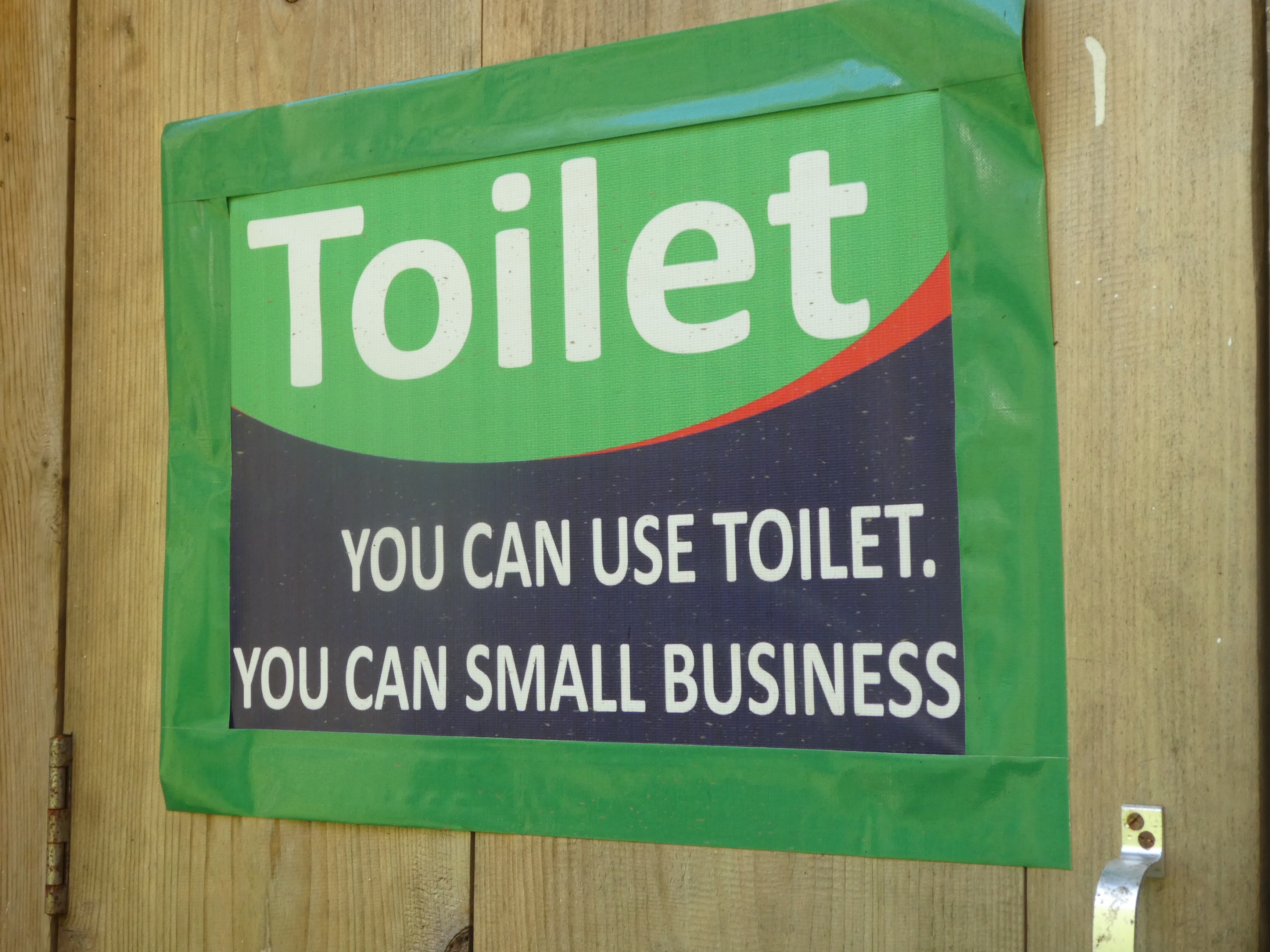
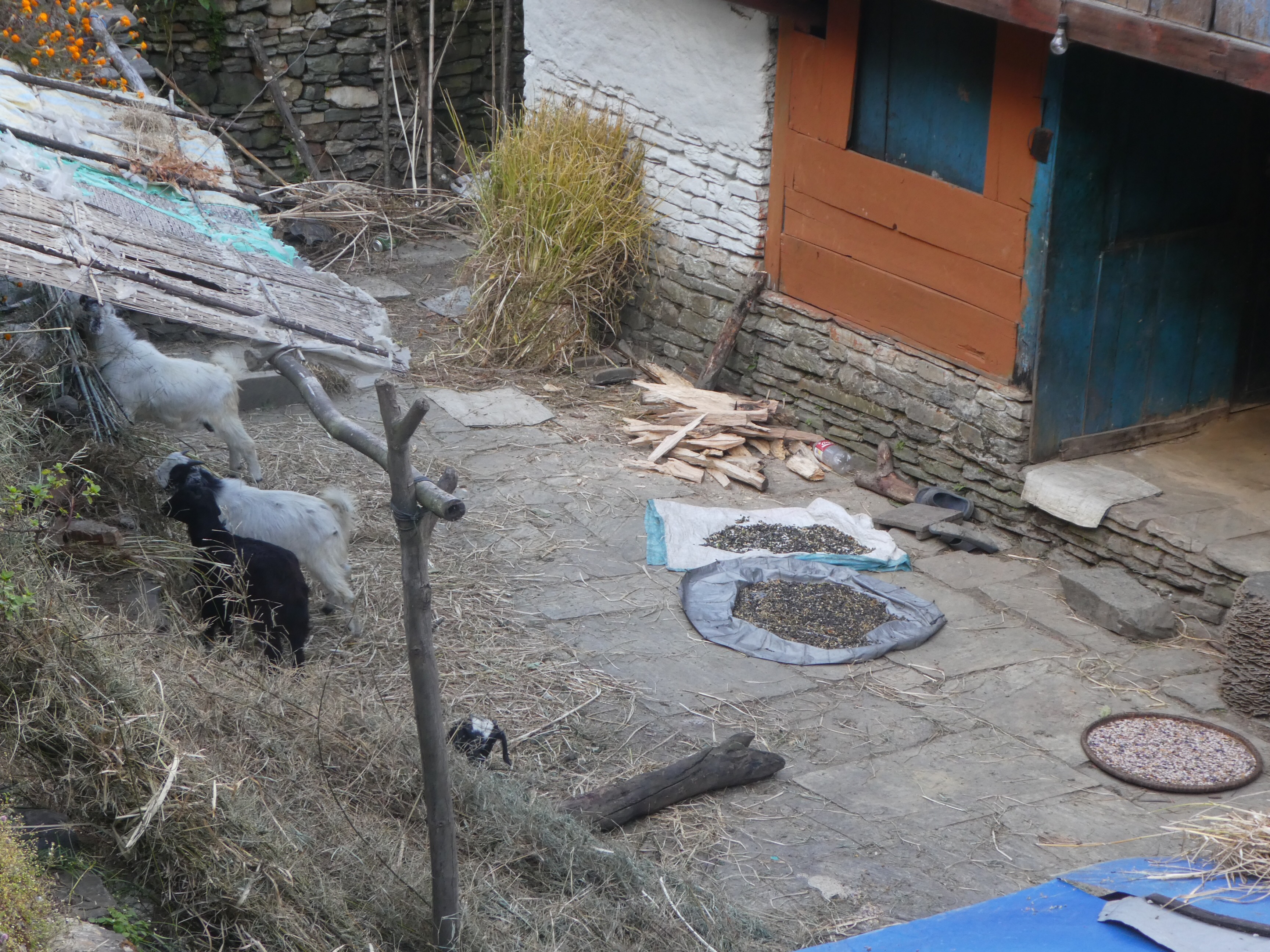
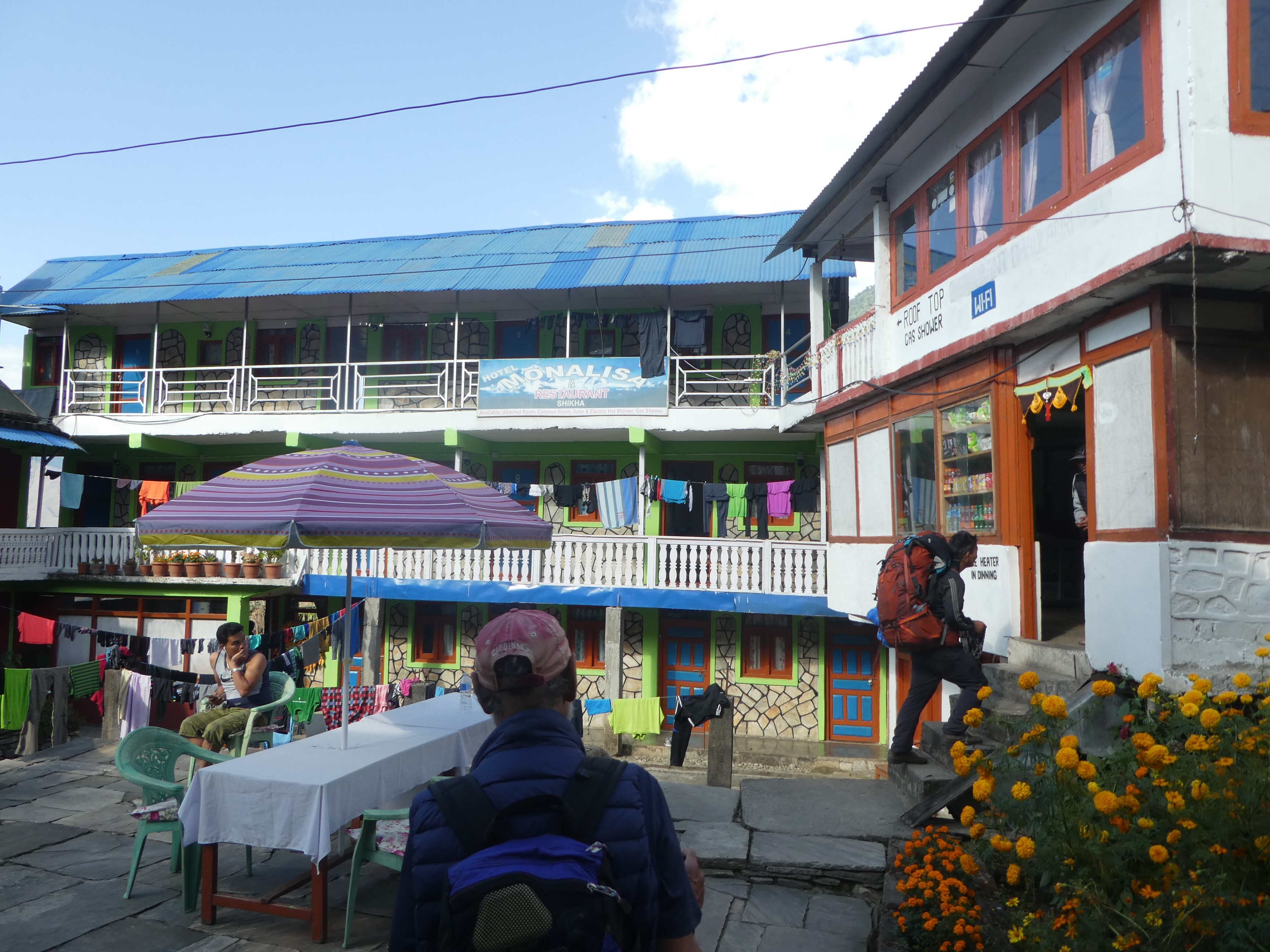
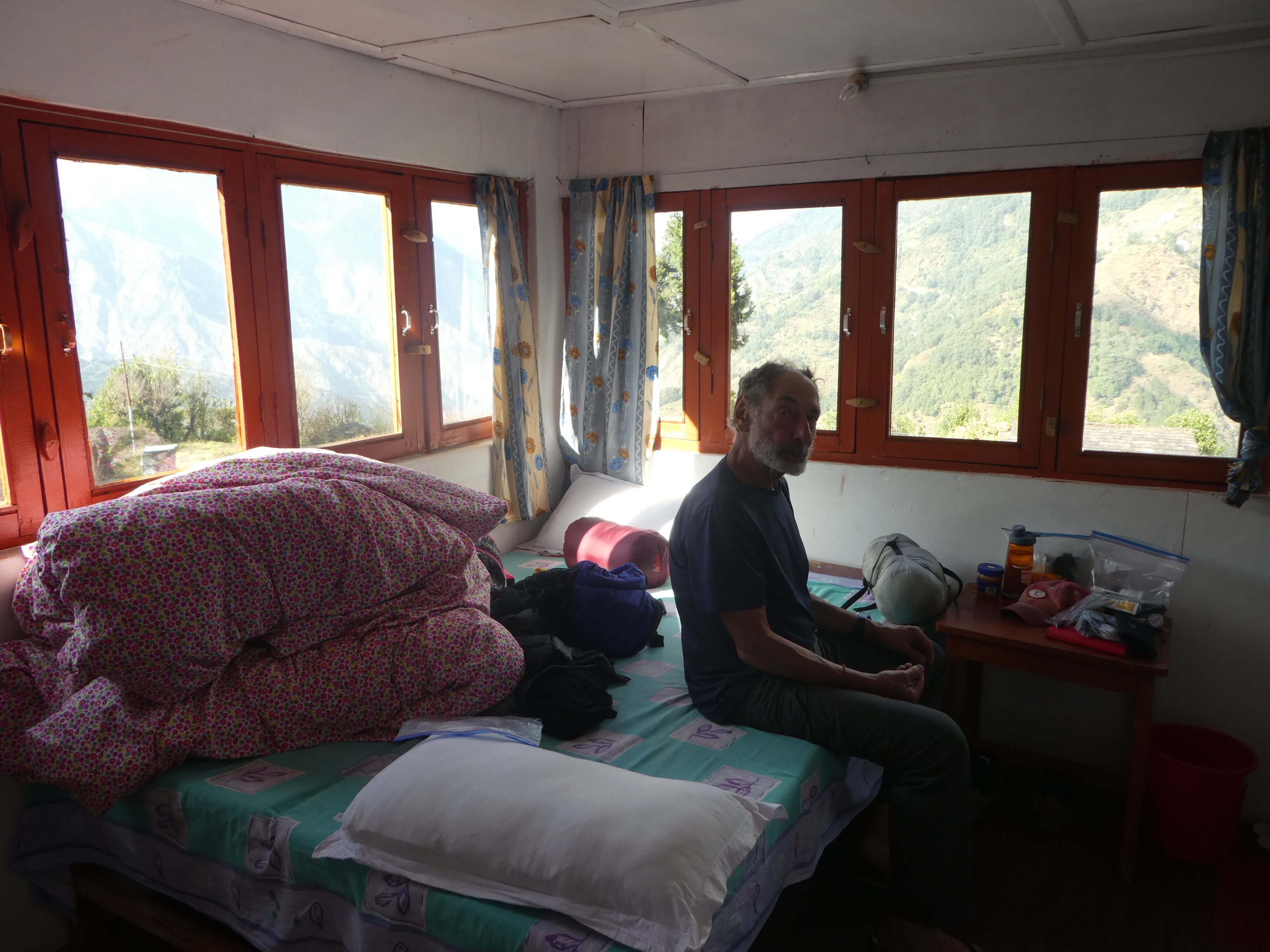
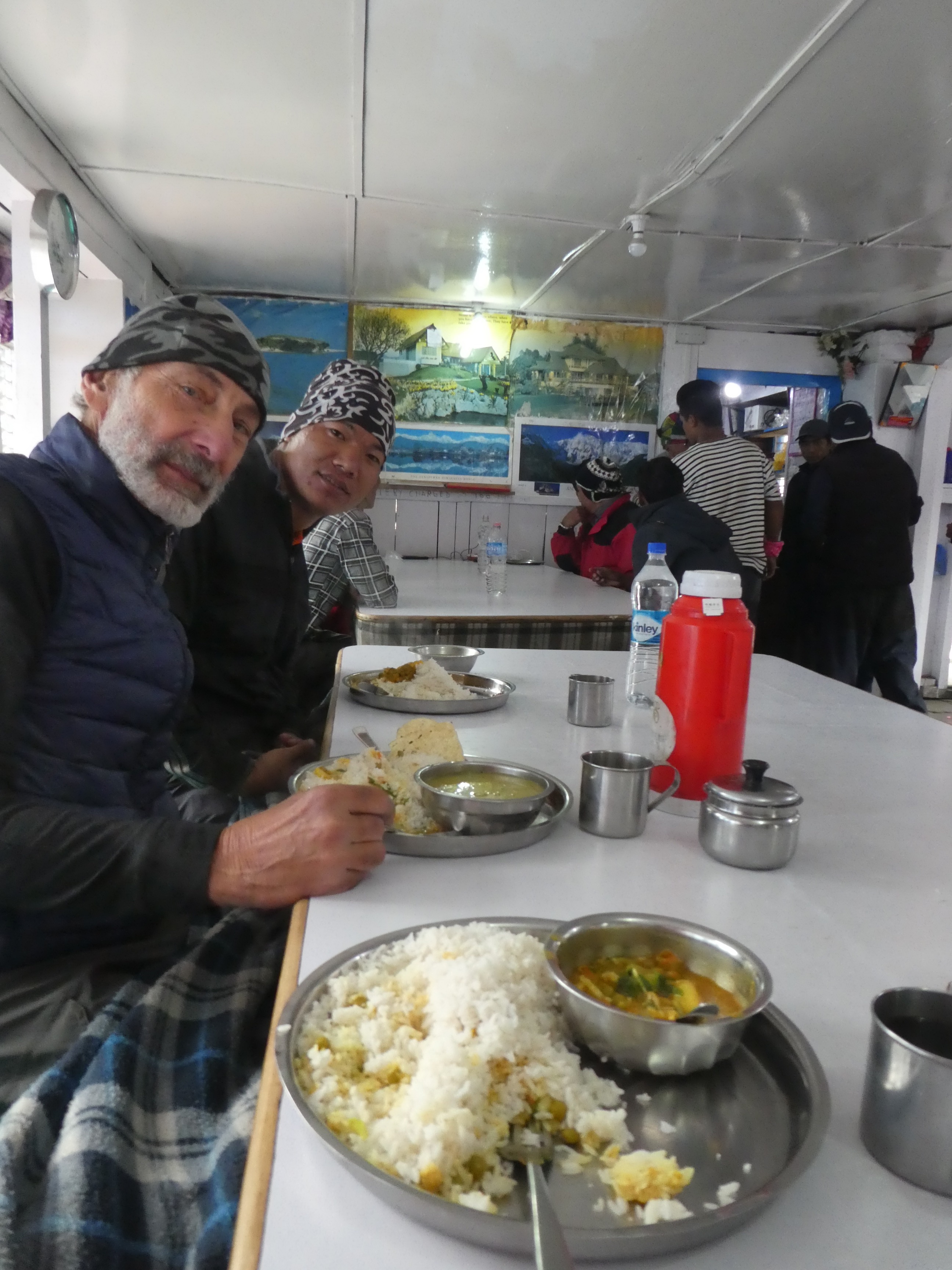
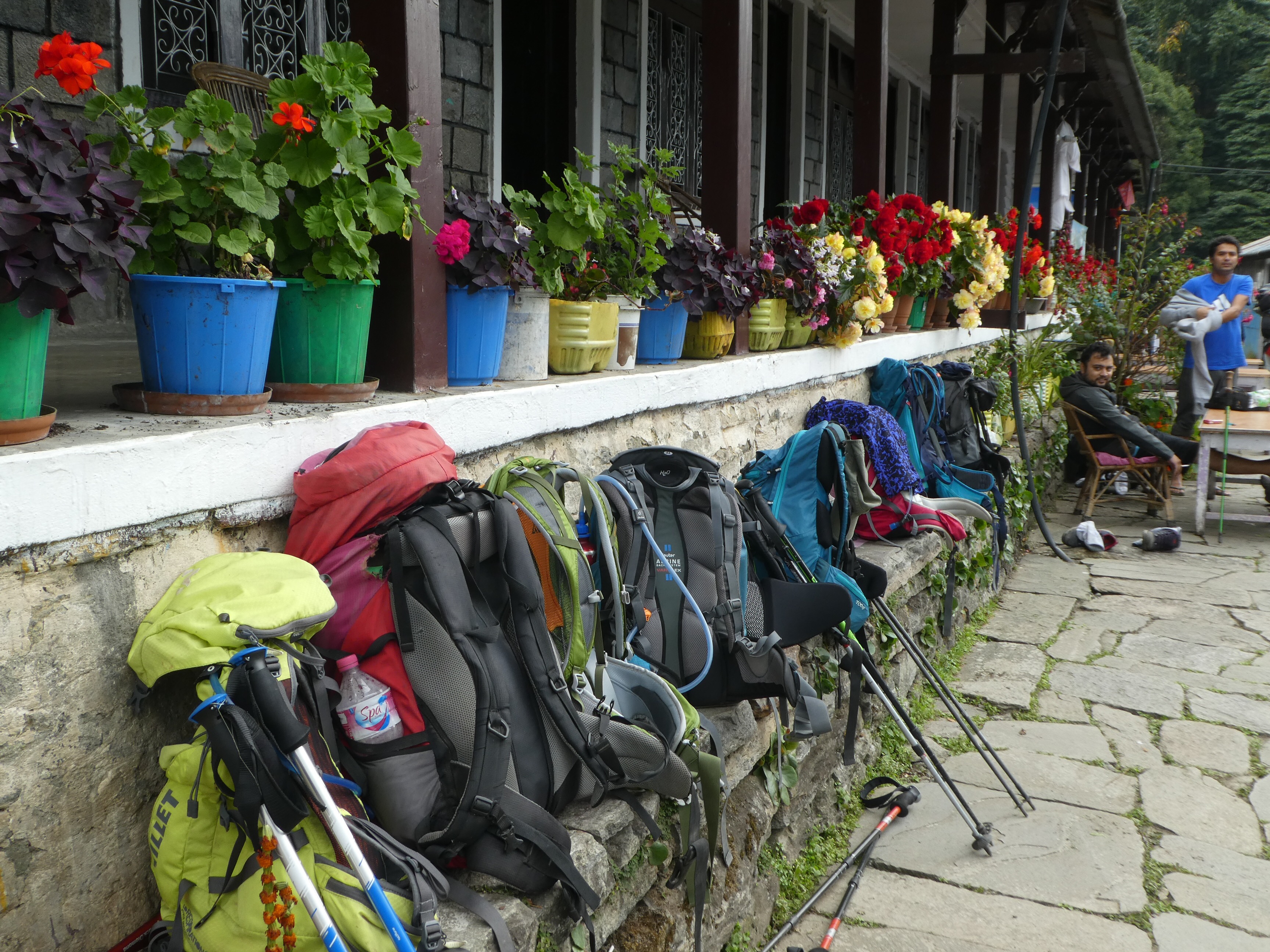
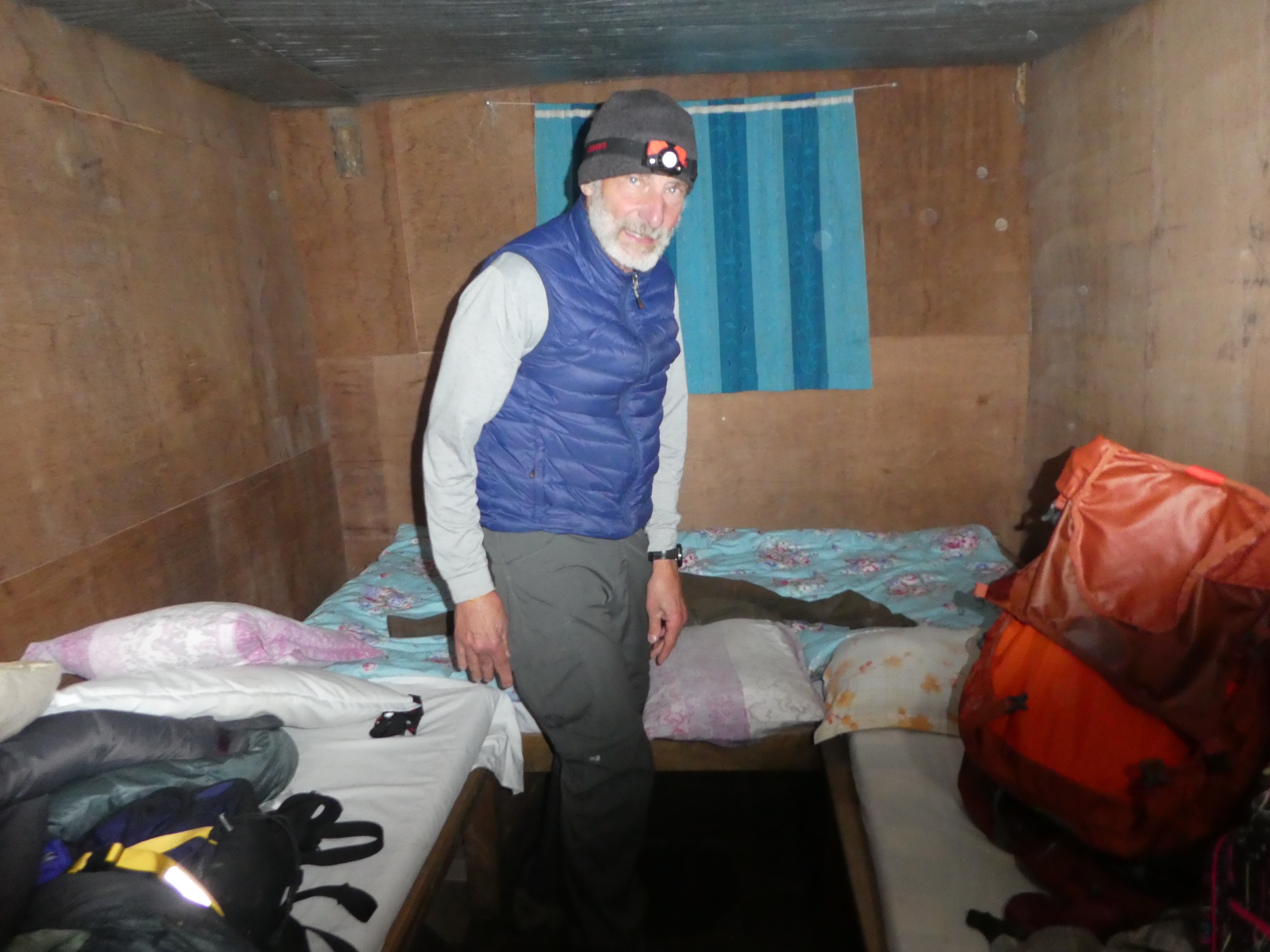
Our lodgings and meals are unusual. The guesthouses where we stay and eat lunch charge very little for a room, only $4-8 per night. They make their money on our meals. By American standards they are cheap too, about $5-8 per person per meal, incl. beverage. We also paid for potable drinking water. We refilled our water bottles from home with boiled water from refill stations. We ordered big pots of hot lemon ginger tea and coffee. Sometimes we paid for pots of hot water and added our own tea bags/instant coffee, or just snuggled up to the hot bottles for warmth! The prices are higher as we get higher in the mountains. The soups are thin but delicious. We have tired of Dahl baht, even though it is the best deal and most nutritional. Our guide, Uttam, eats it for lunch and dinner nearly every day of his life. We usually opt for a pasta dish. We eat at large communal tables with everyone else staying at the guesthouse. Eating at another nearby guesthouse is discouraged. You eat where you sleep. At higher altitudes, the food is monotonous, mostly white carbohydrates, rice, pasta, bisquick pizza, with egg dishes and porridge for breakfast. Dahl Baht is most popular. This is a thin lentil soup, accompanied by plain white rice and a veggie potato curry. It is always served as all you can eat. It is kind of amazing to have these food options, when someone had to haul every grain of food, drop of liquid (other than water), and super heavy propane tanks up the same trails on their backs! During our whole trip, but especially in Nepal, we did not drink or brush with tap water. Even so, we both got our usual bout of traveler’s diarrhea a few weeks ago in Laos. We had Cipro with us which knocked it flat within two days. We also both arrived in Nepal with colds. We sweated profusely through the first three days of trekking and kicked the colds much faster than we normally would. Our guest house rooms were sometimes shared, 3 or 4 in a room. Often we were lucky enough not to get a roommate. The rooms are of the concrete/wooden barracks variety, with 1 light bulb and no heat. (Think Alcatraz!) The usually shared 2 toilet facilities are often dirty, wet squattie potties with an occasional western toilet. 40 to 50 trekkers share 2-3 toilets. At the higher elevations, these are the only lodgings available on the treks. There are no upscale accommodations. We are so exhausted, we are really appreciative of what we get!

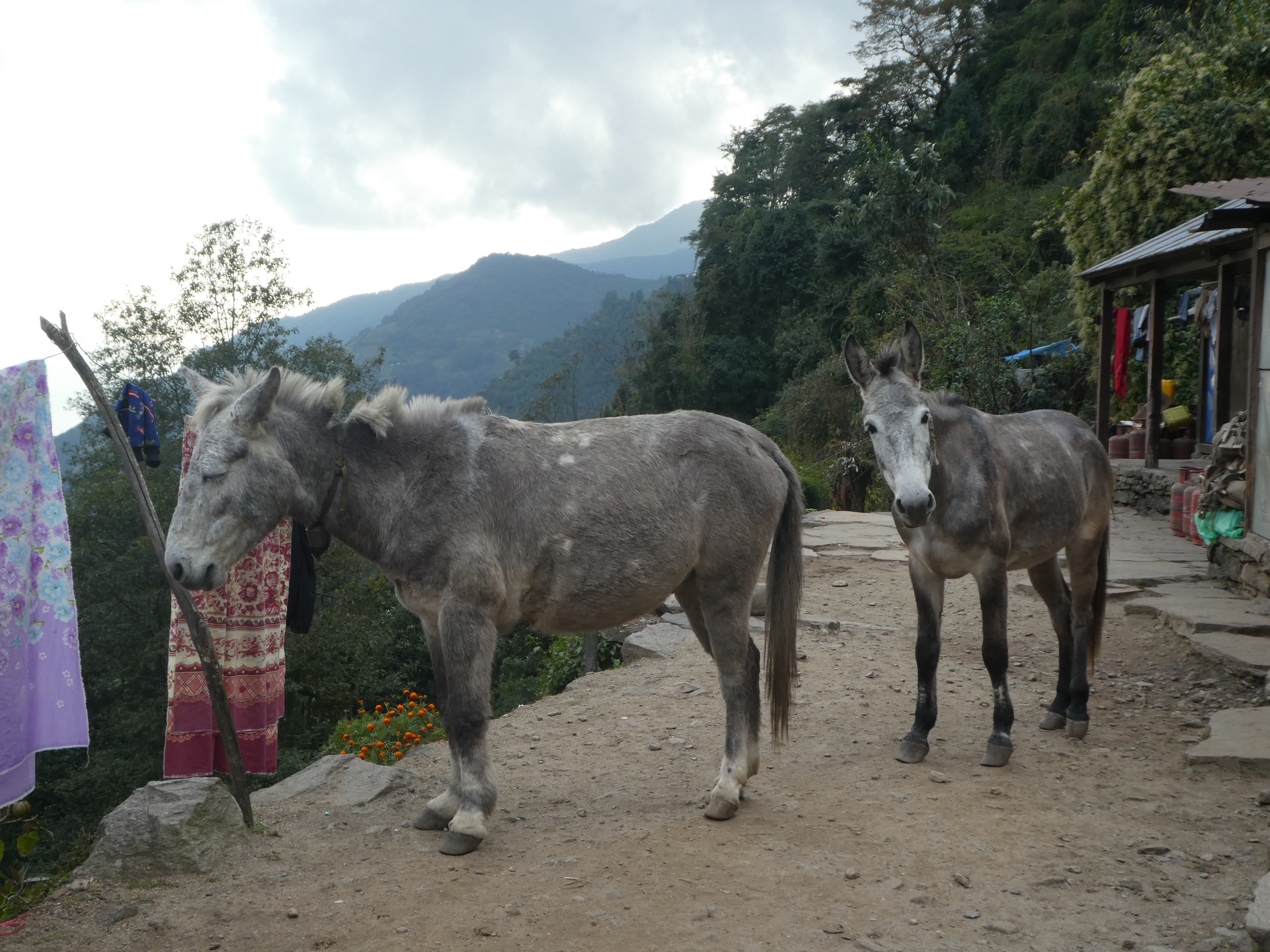
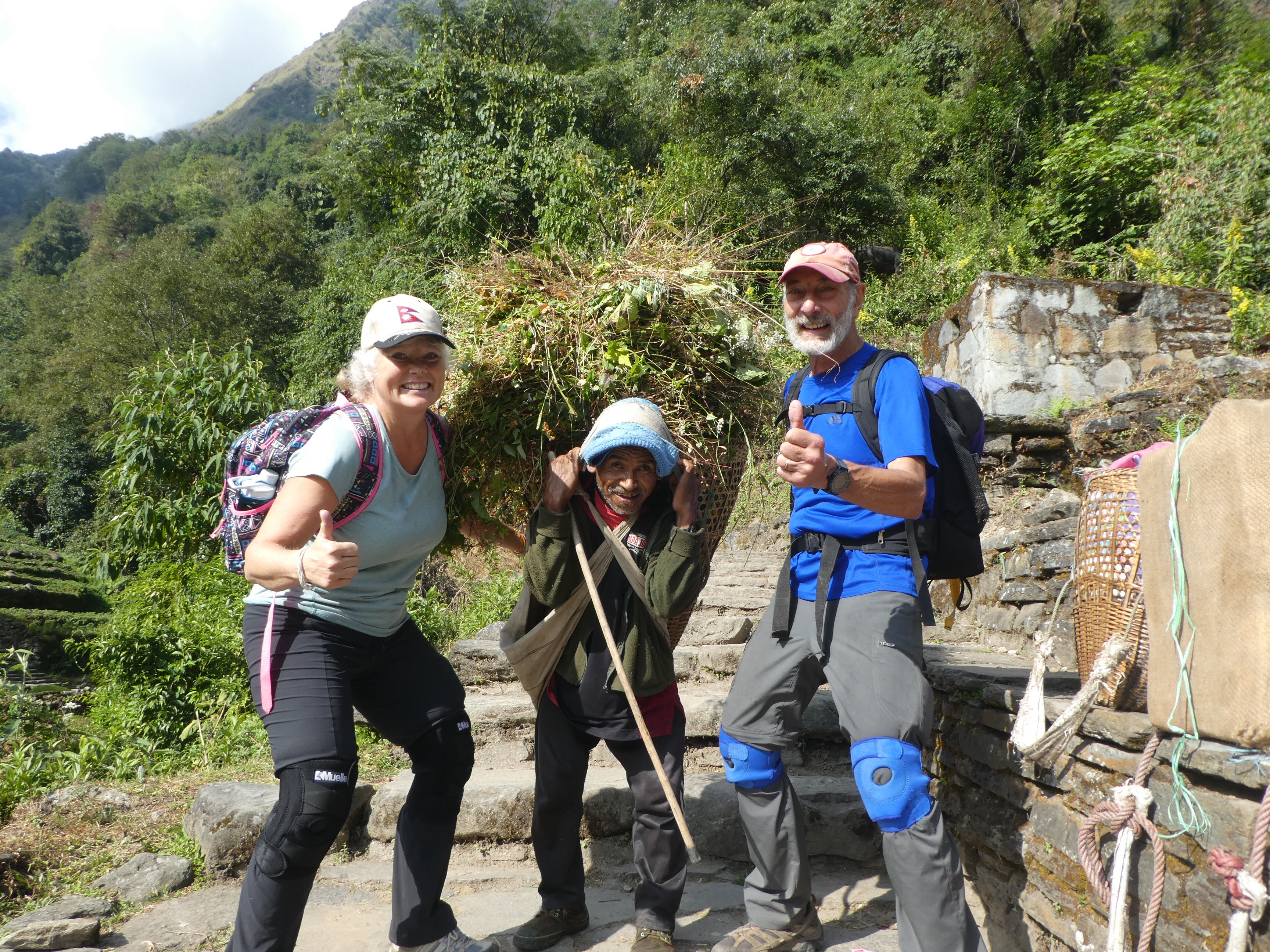
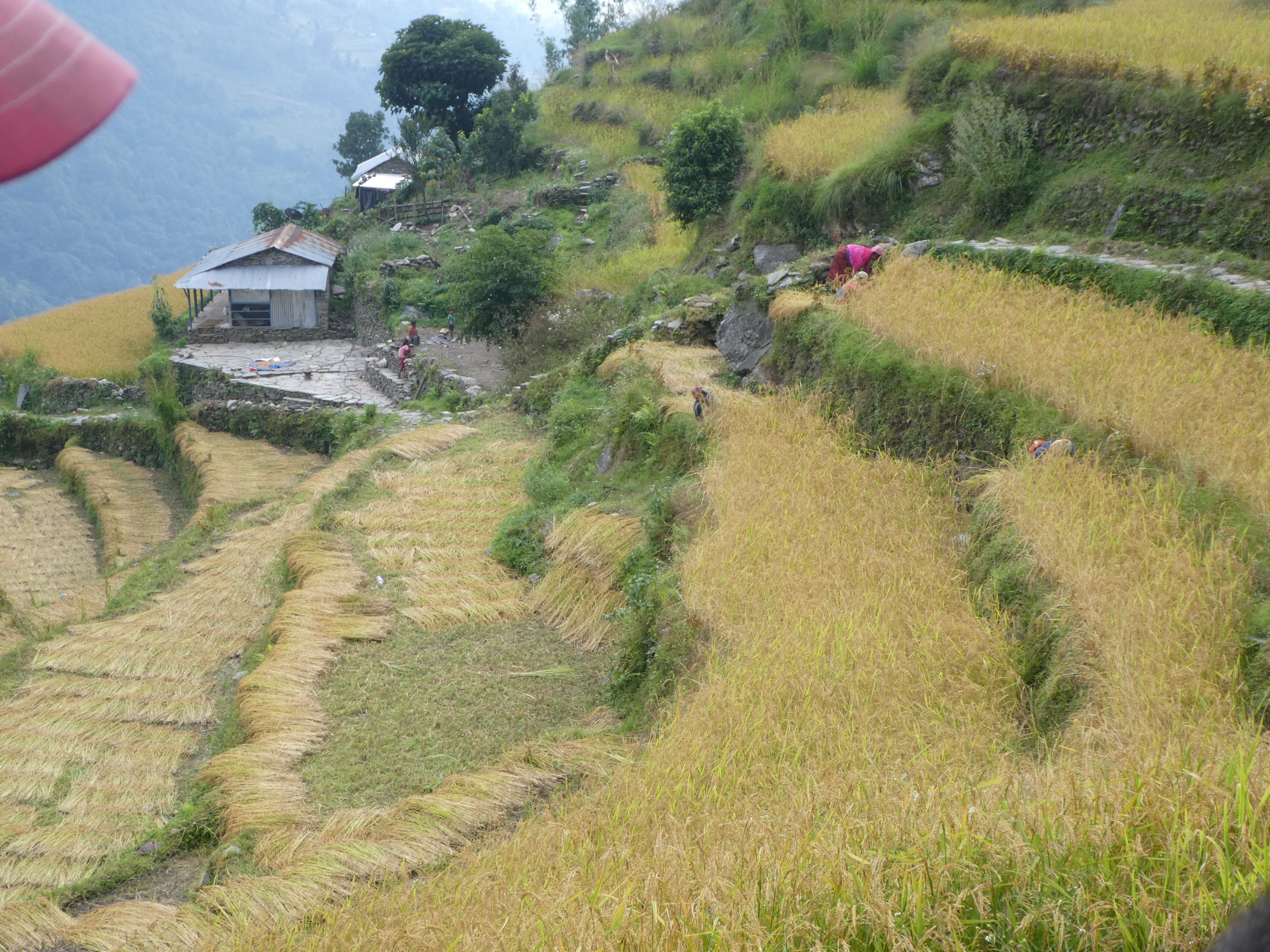
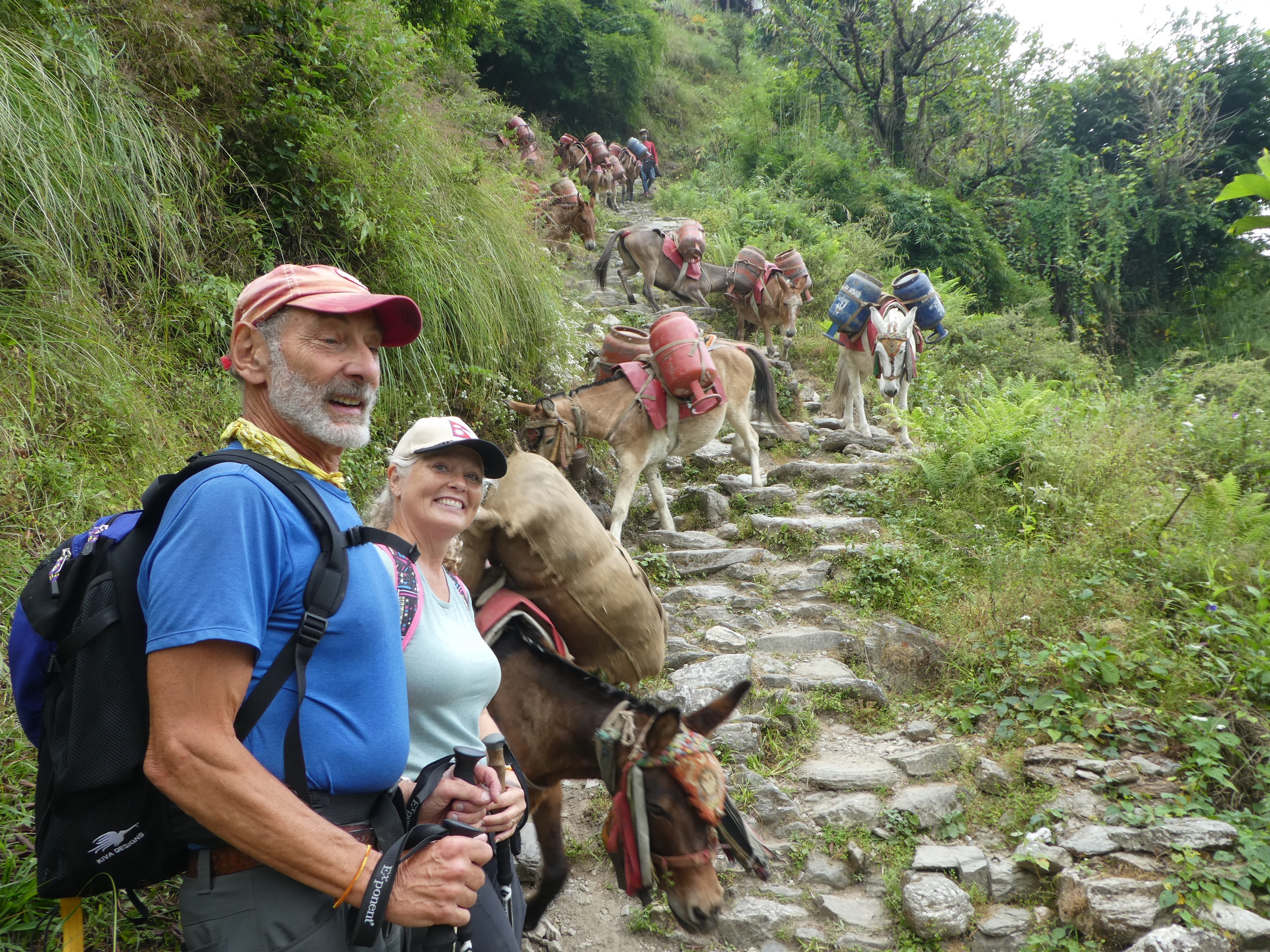
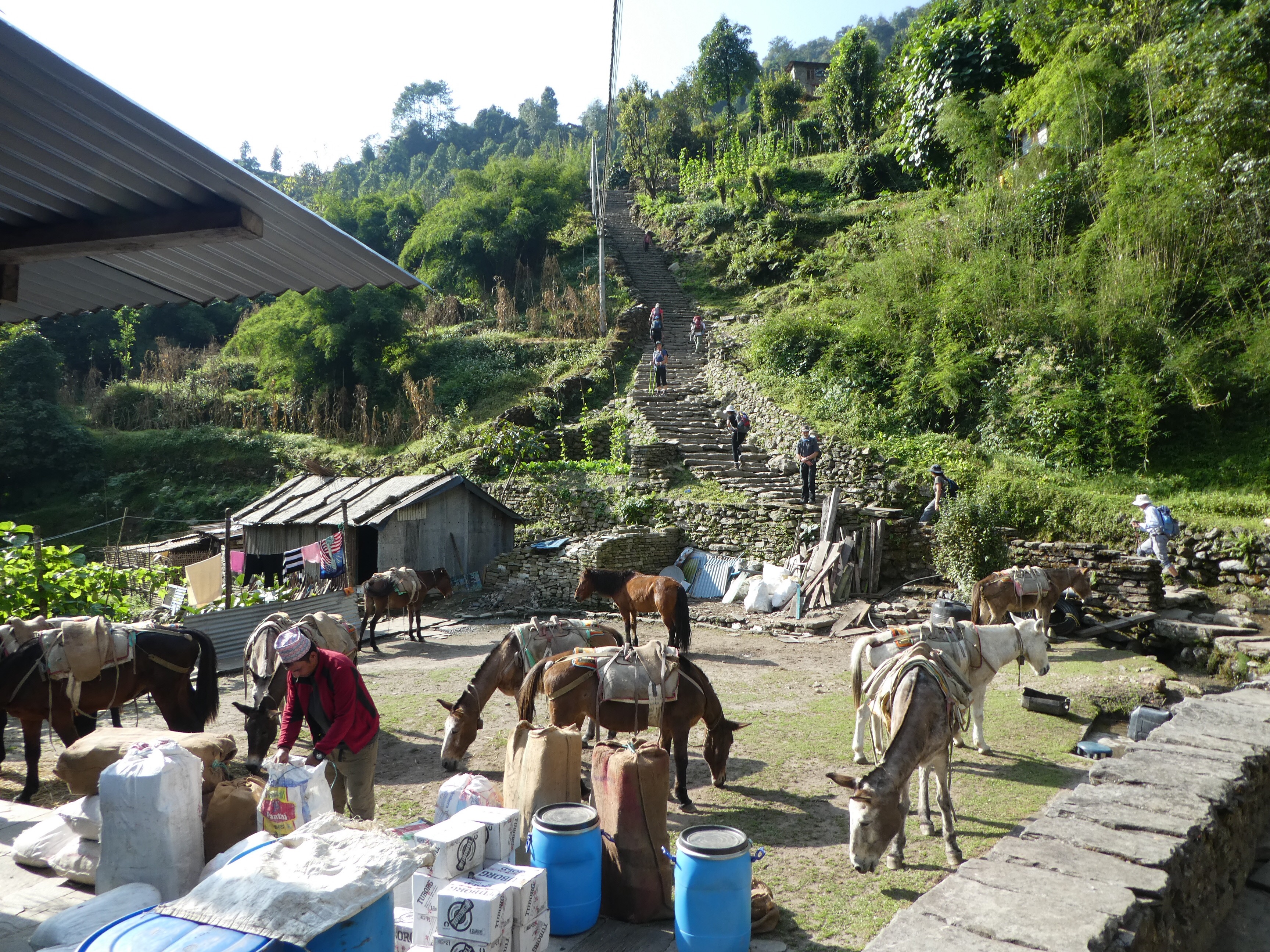
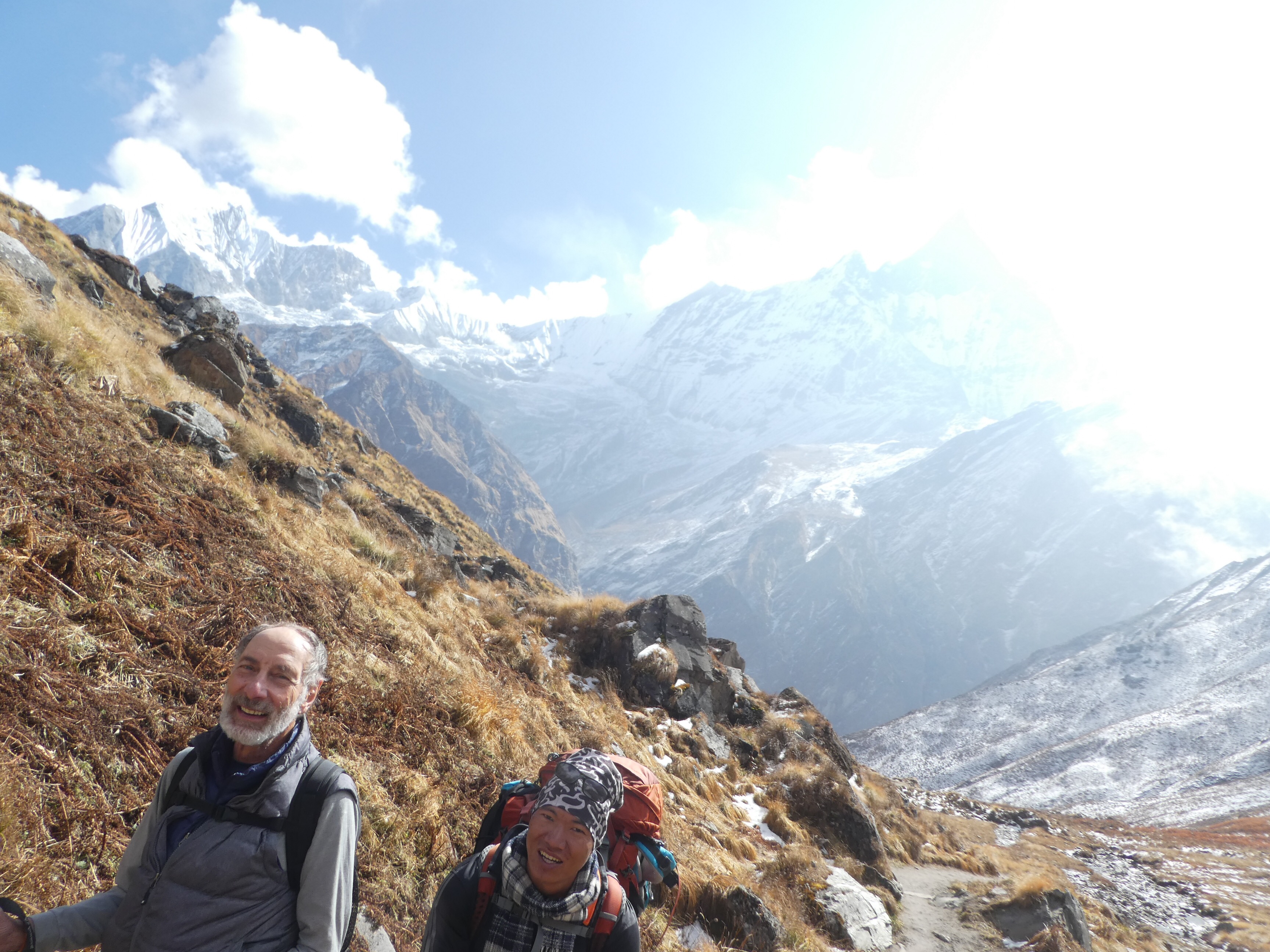
The inconveniences are well worth it. The views are phenomenal, and we love encountering so many world travelers. We share the trek with hundreds from Europe, Asia, The America’s, NZ, and Australia. Many trek carrying their own belongings, and many, like us, employ a porter/guide. The porters are amazing, carrying 3-4 large backpacks incredible distances, over the steepest terrain, using head-straps to help support the load on their backs. Our single bag, packed for the two of us, probably weighed about 25-30 pounds. We also are frequently passed by cargo-carrying mule trains as well. Mule trains even cross suspension bridges. We give way on the trail when the mule trains approach us by plastering ourselves against the mountain side.

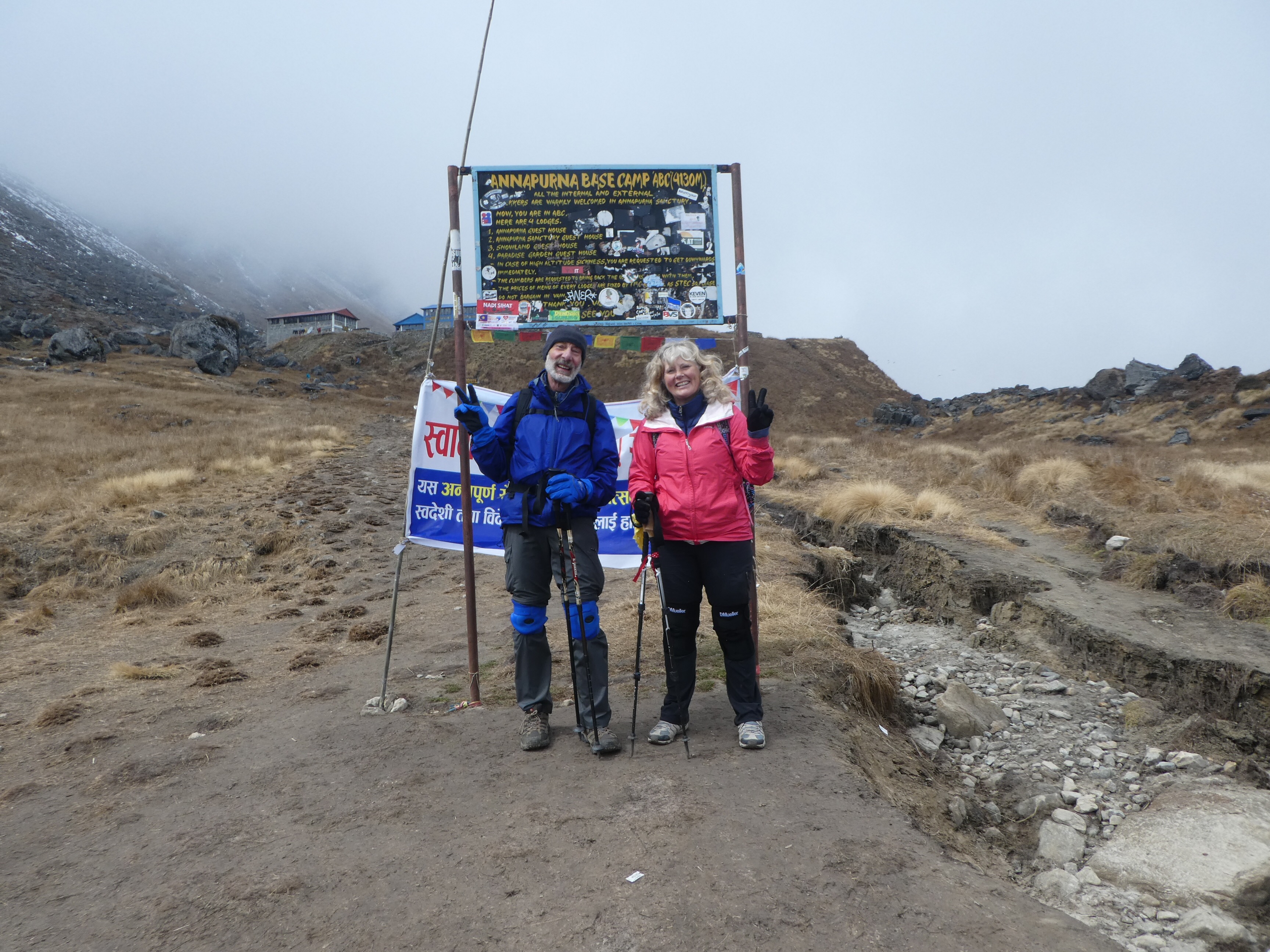
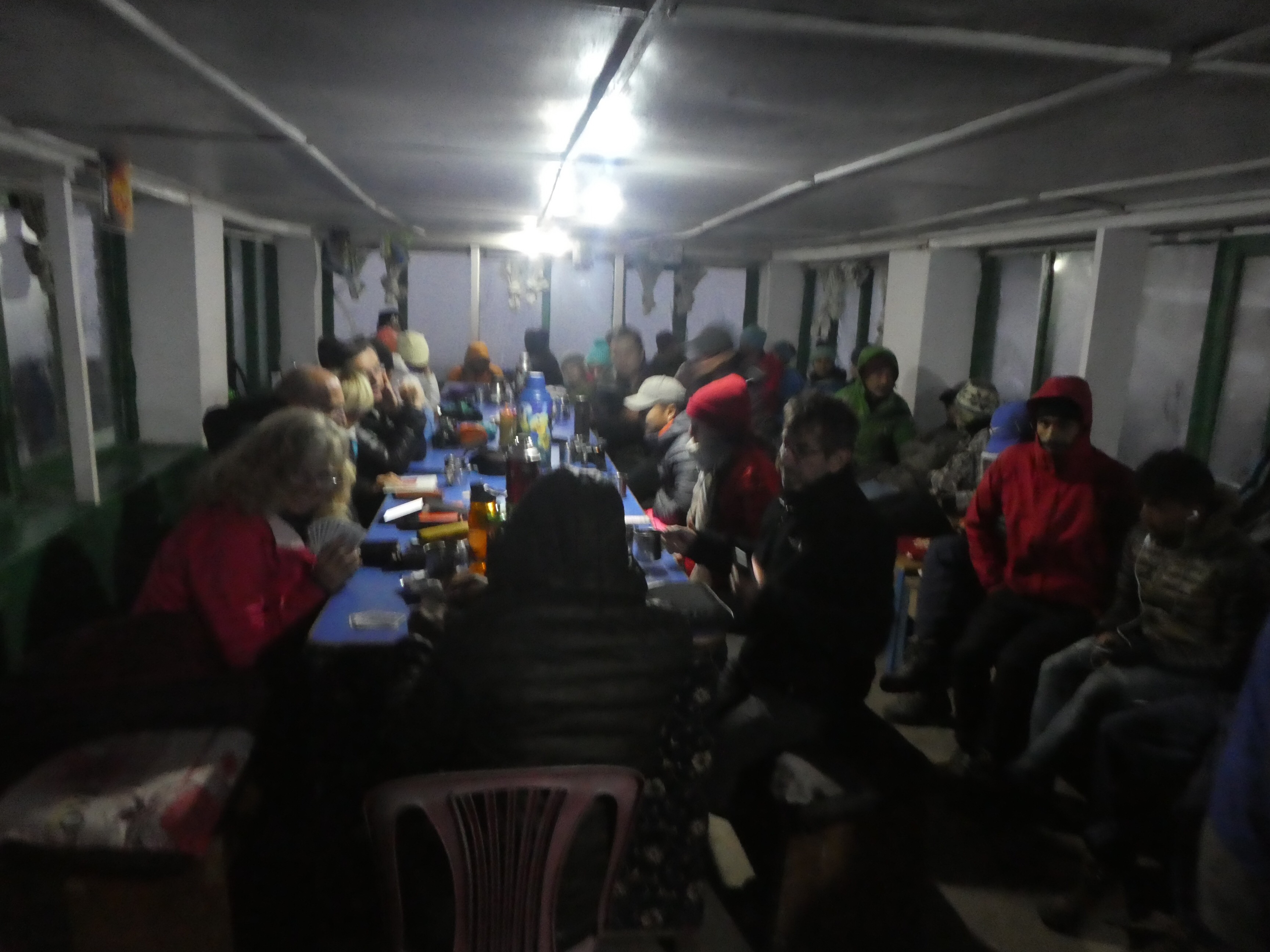
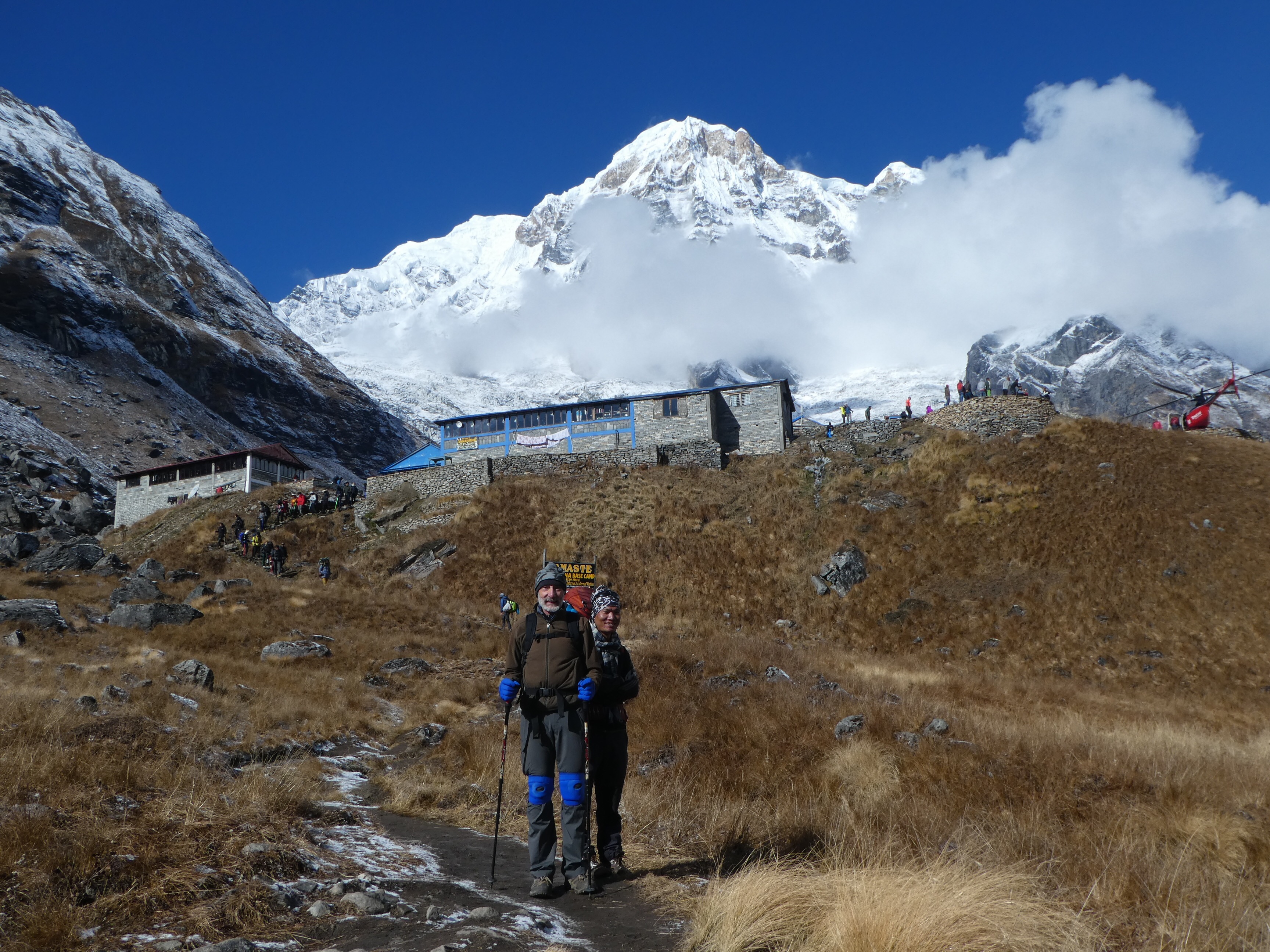
Day 6: We are now at Annapurna base camp at 13,550 ft. We trekked here for 2 hrs. from Machhapuchhre Base Camp (MBC) at 12,439 ft. The trek was agonizingly slow. We took 10 steps and had to catch our breath before continuing at a snails pace, but we did it! The afternoon view was obscured by clouds and it was snowing lightly when we arrived. Morning views are usually all you get. At these altitudes, the clouds move in rapidly around 11 am and stay until late that night. We are happily huddled, sharing a sleeping bag over our knees, with the lodge crowd in the communal dining hall, reading and blogging, and listening to the French folks chatting right next to us. It is 4 pm on Oct. 28 and 32 degrees outside.

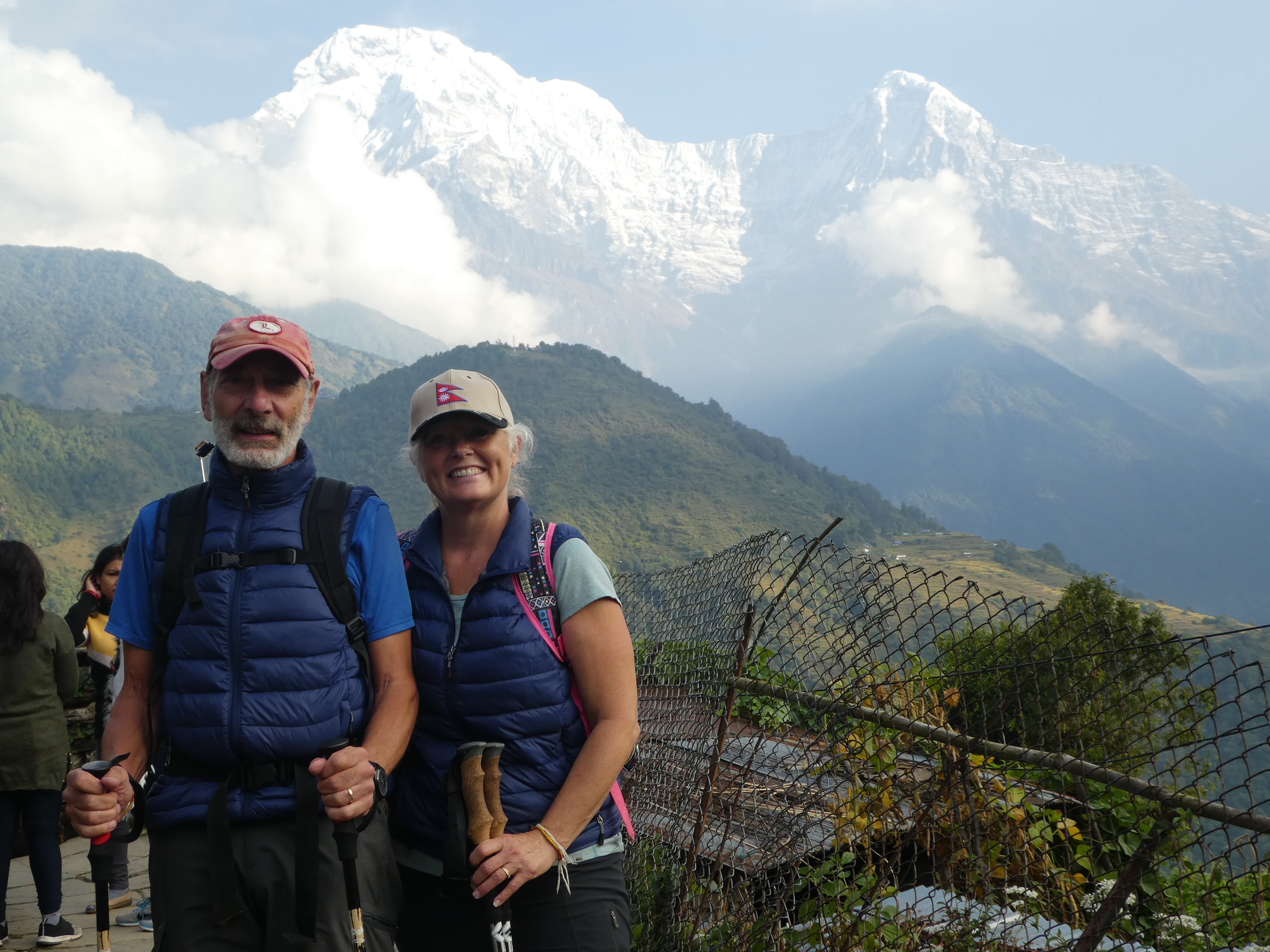
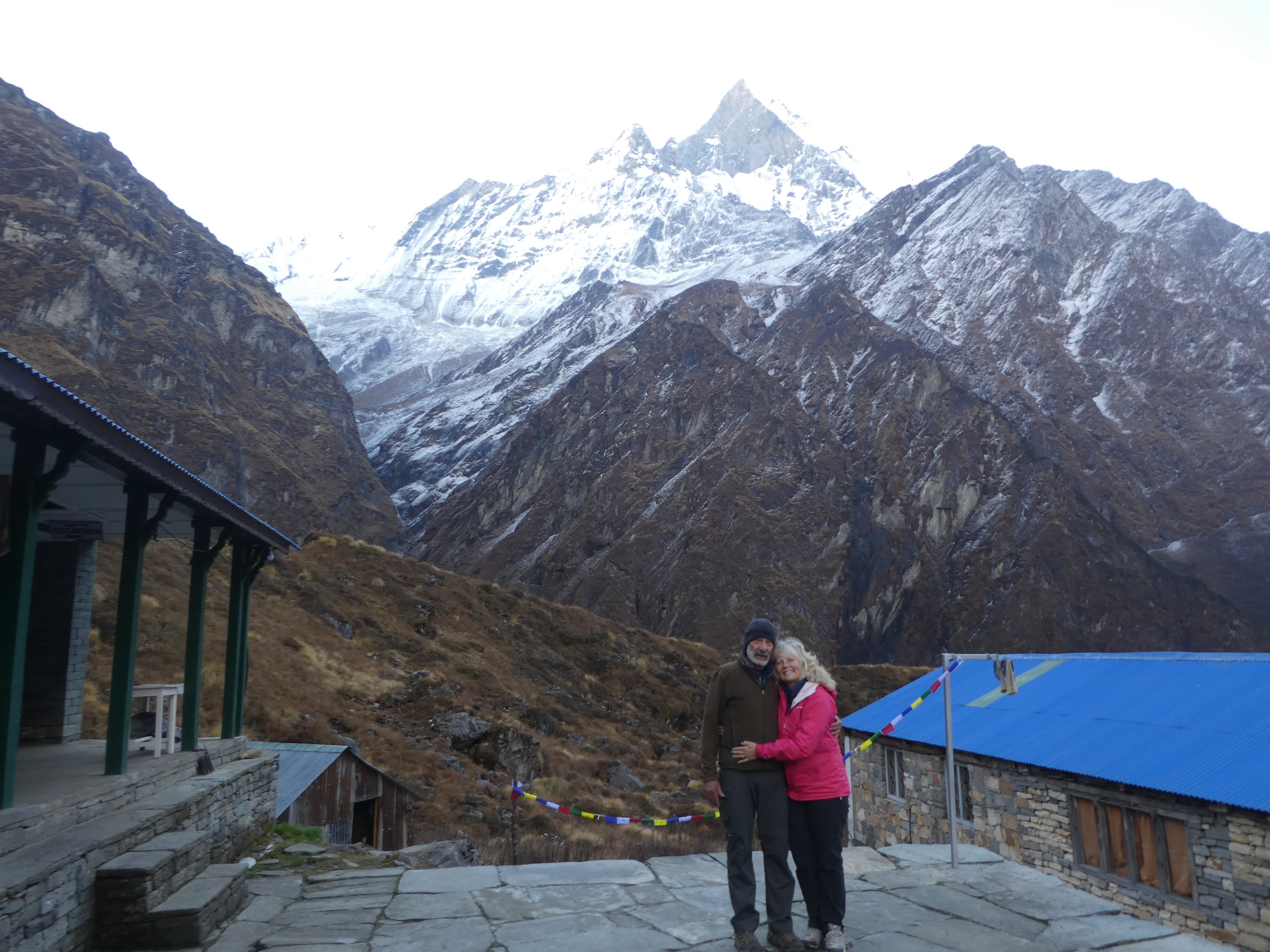
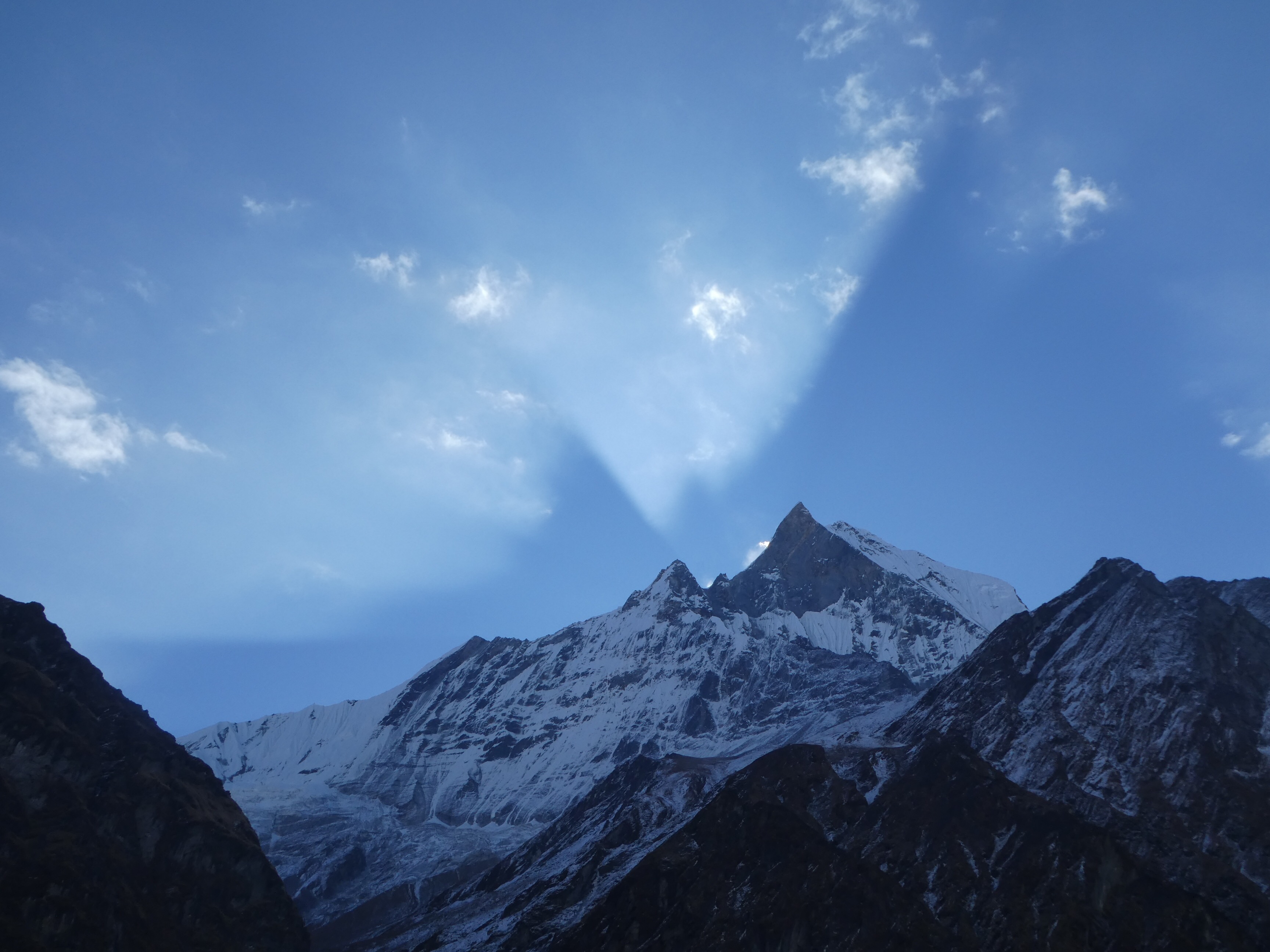
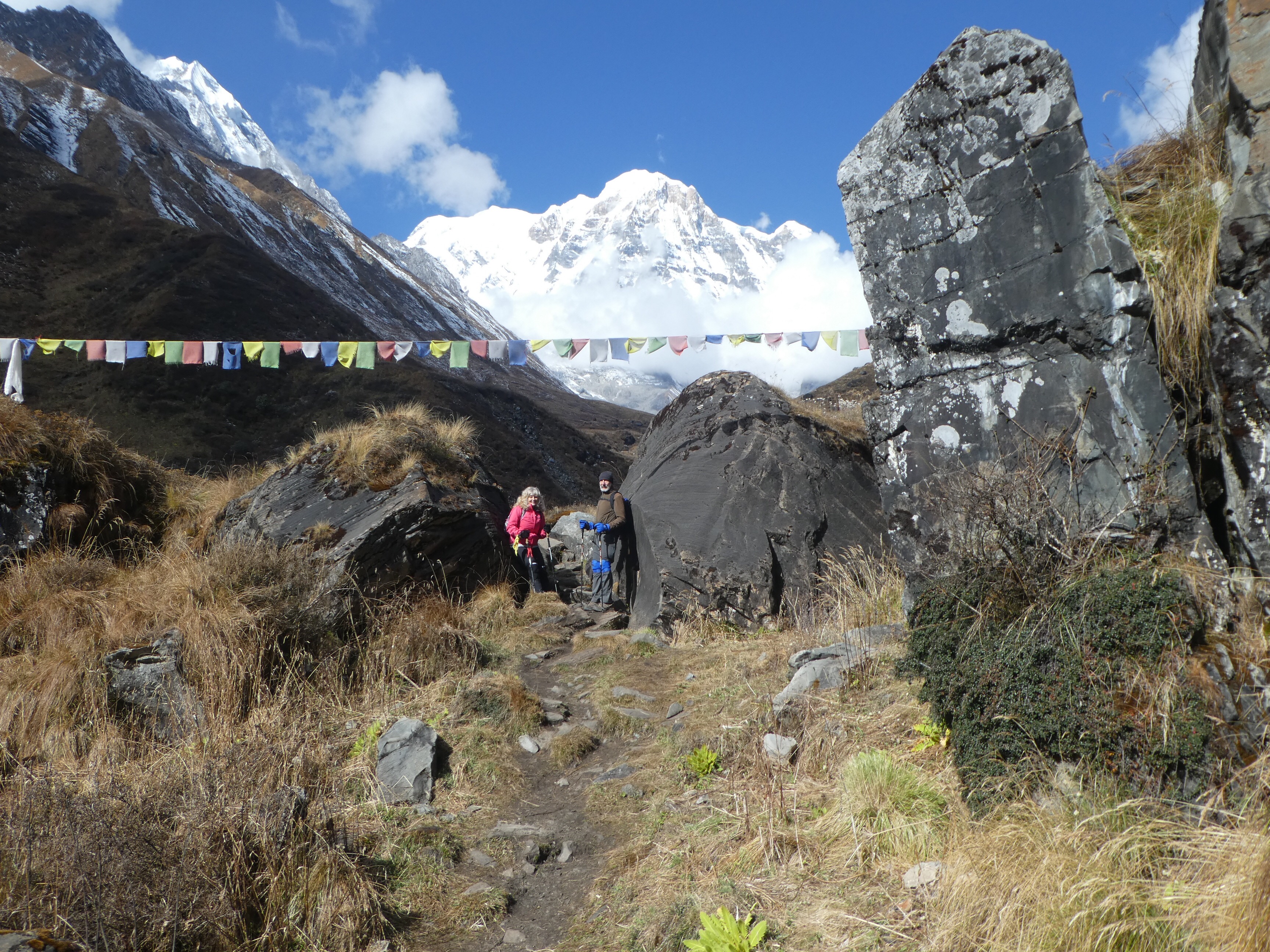
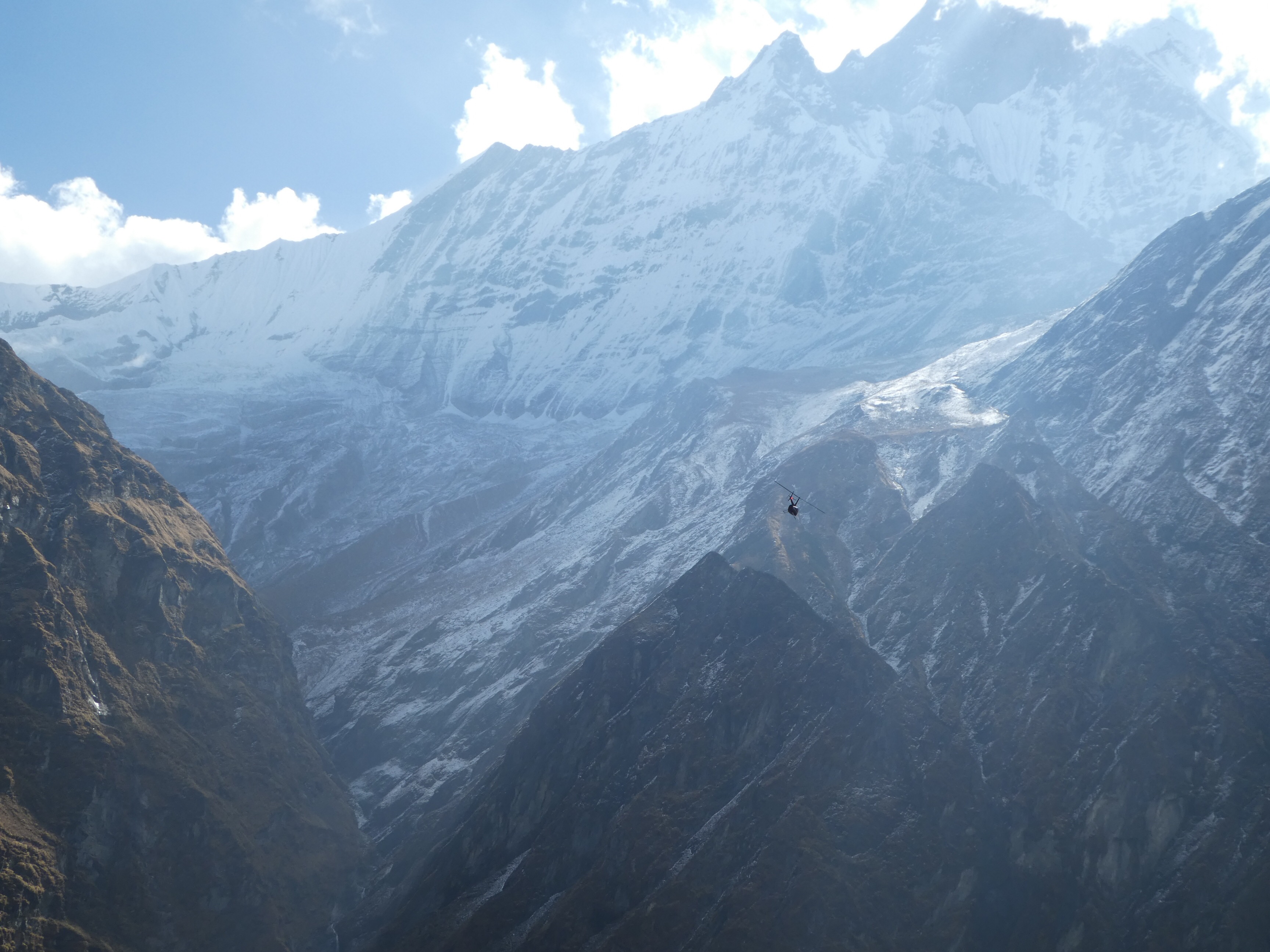
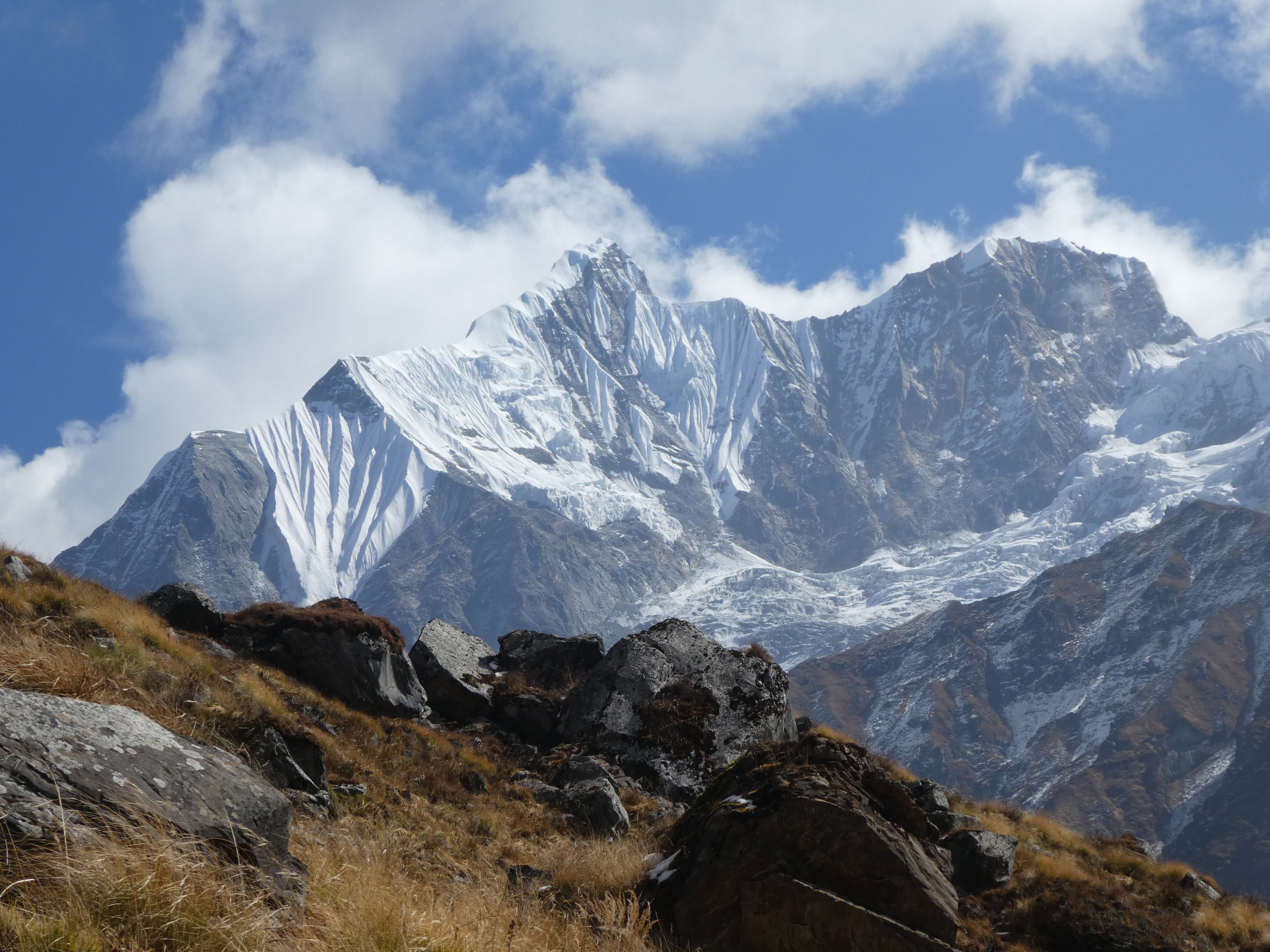
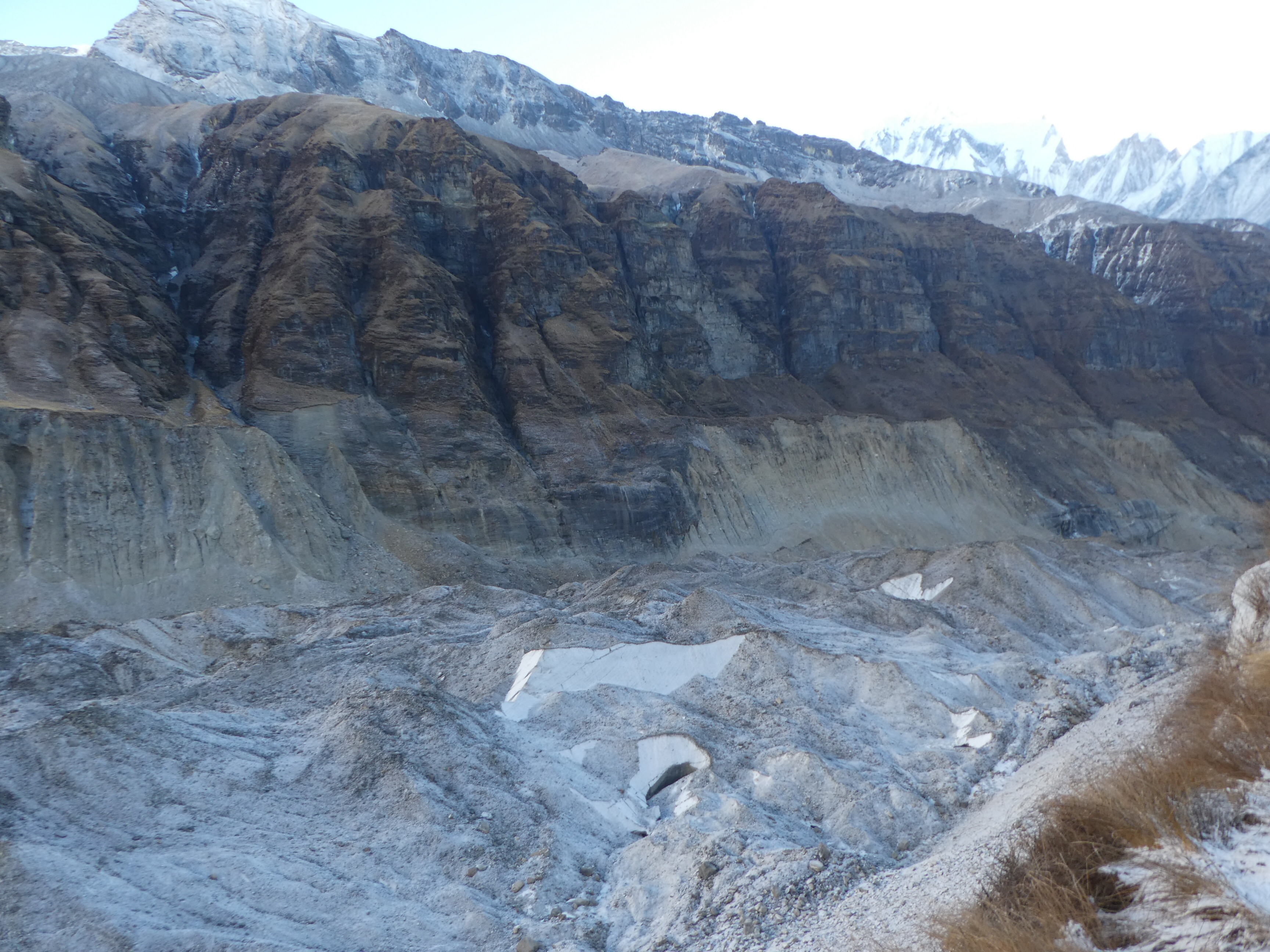
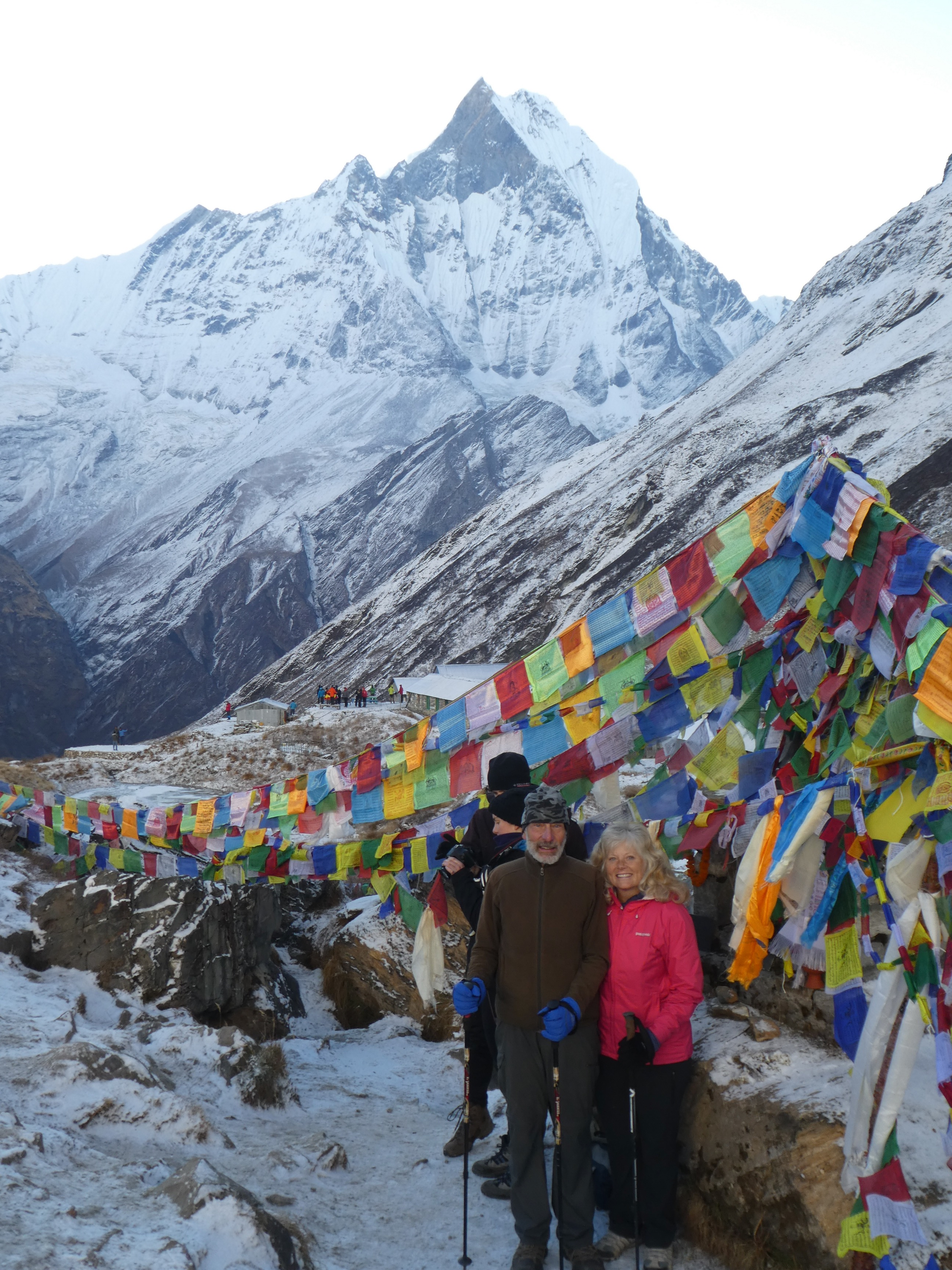
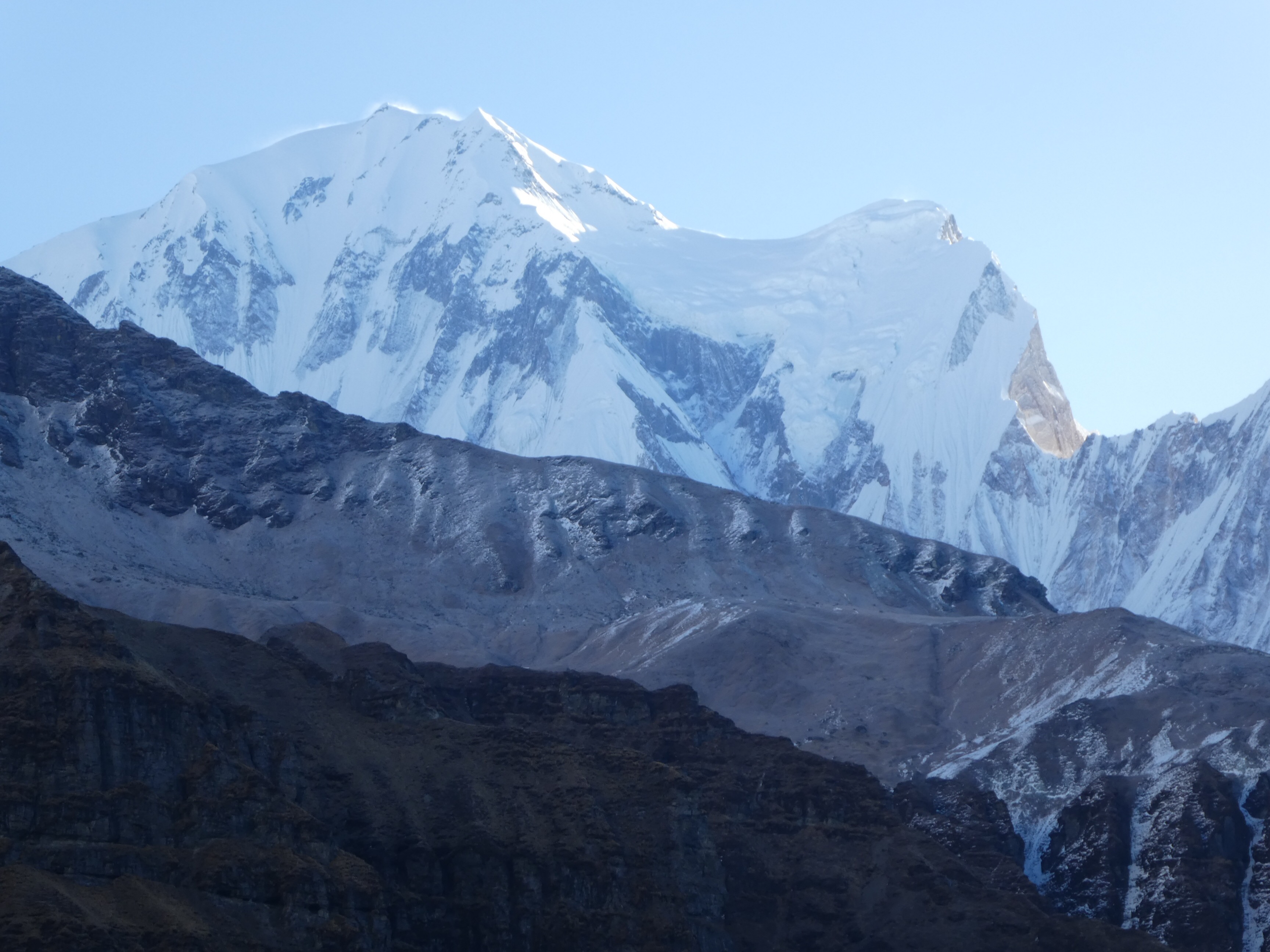
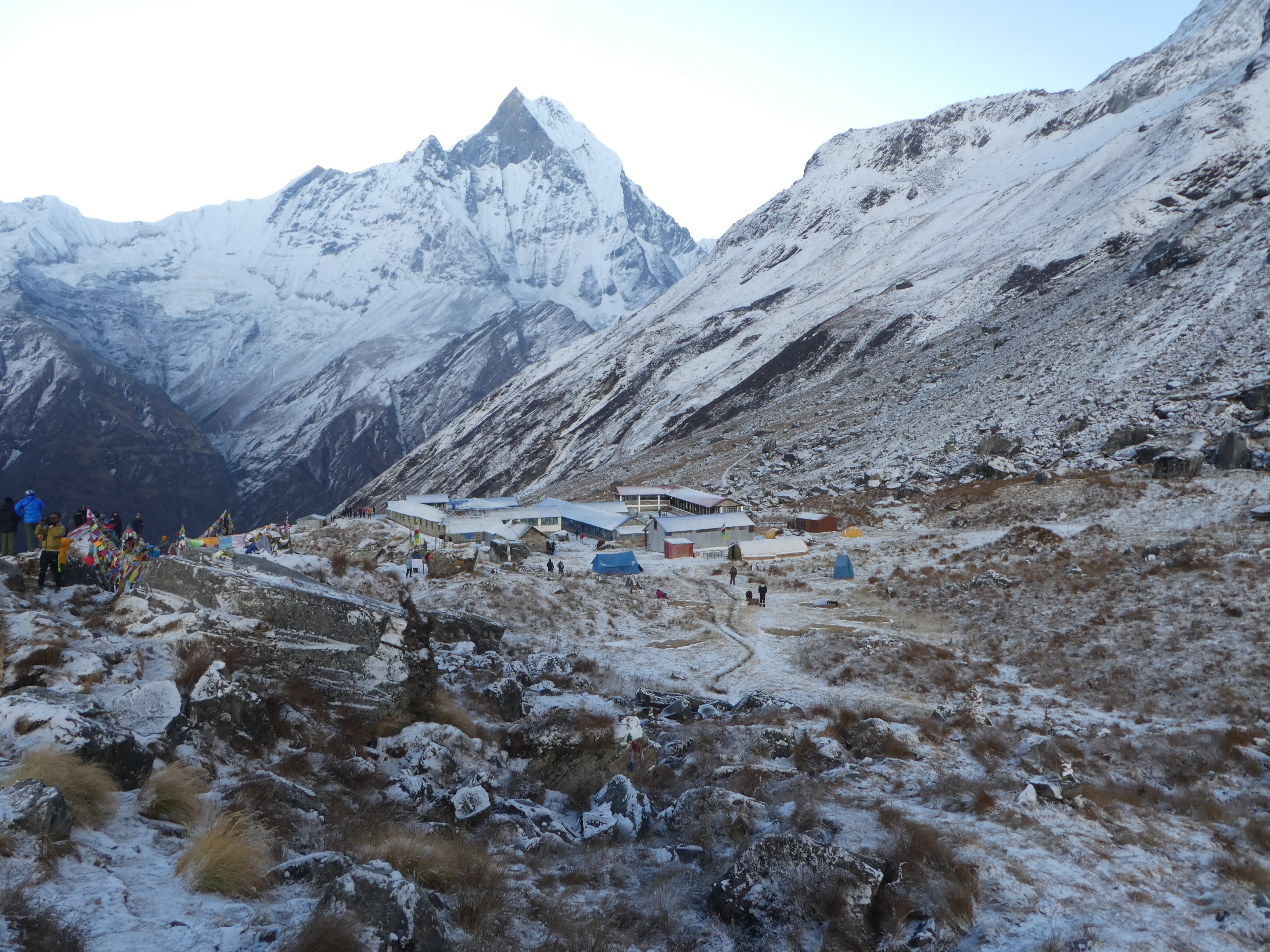
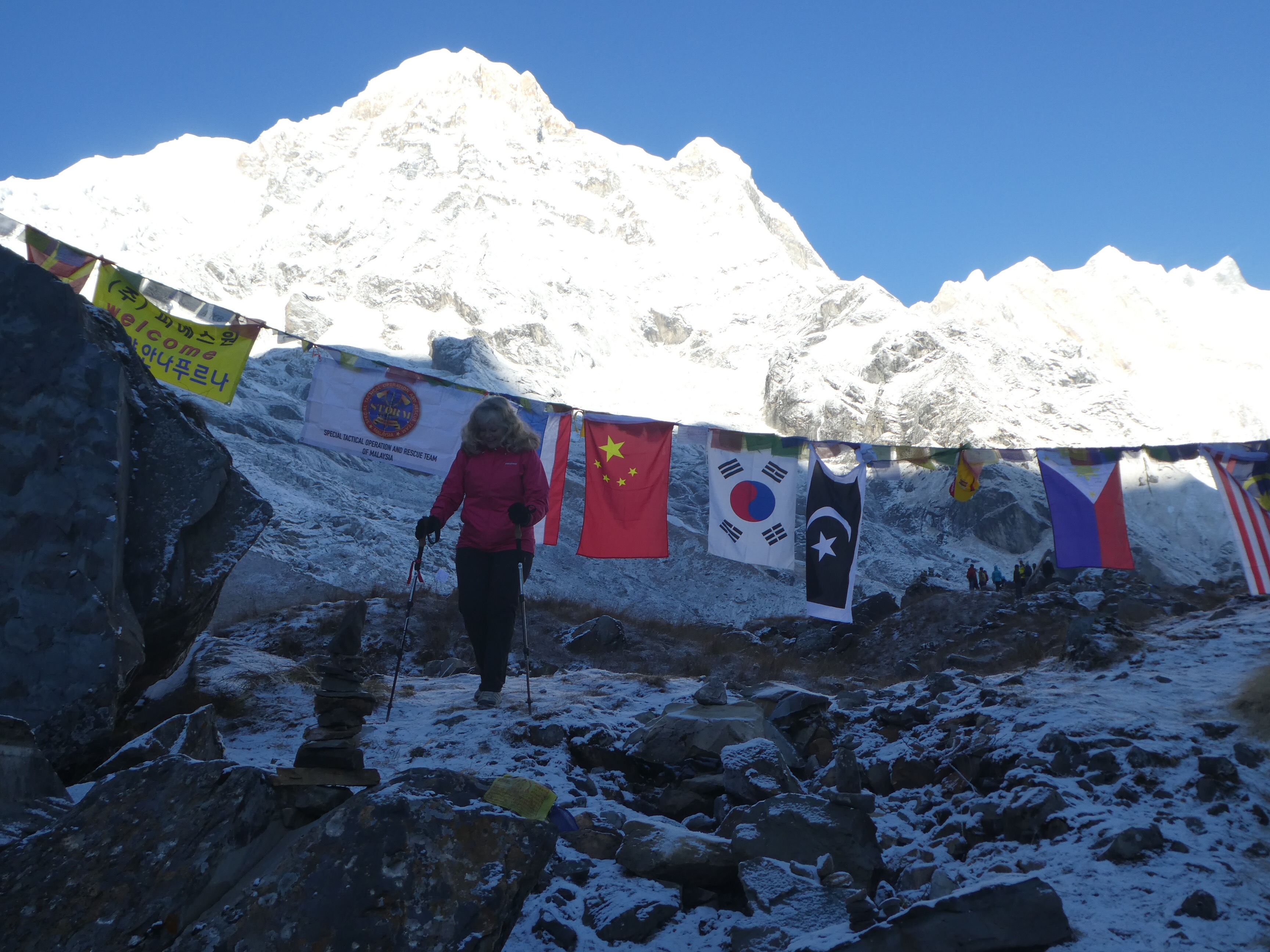
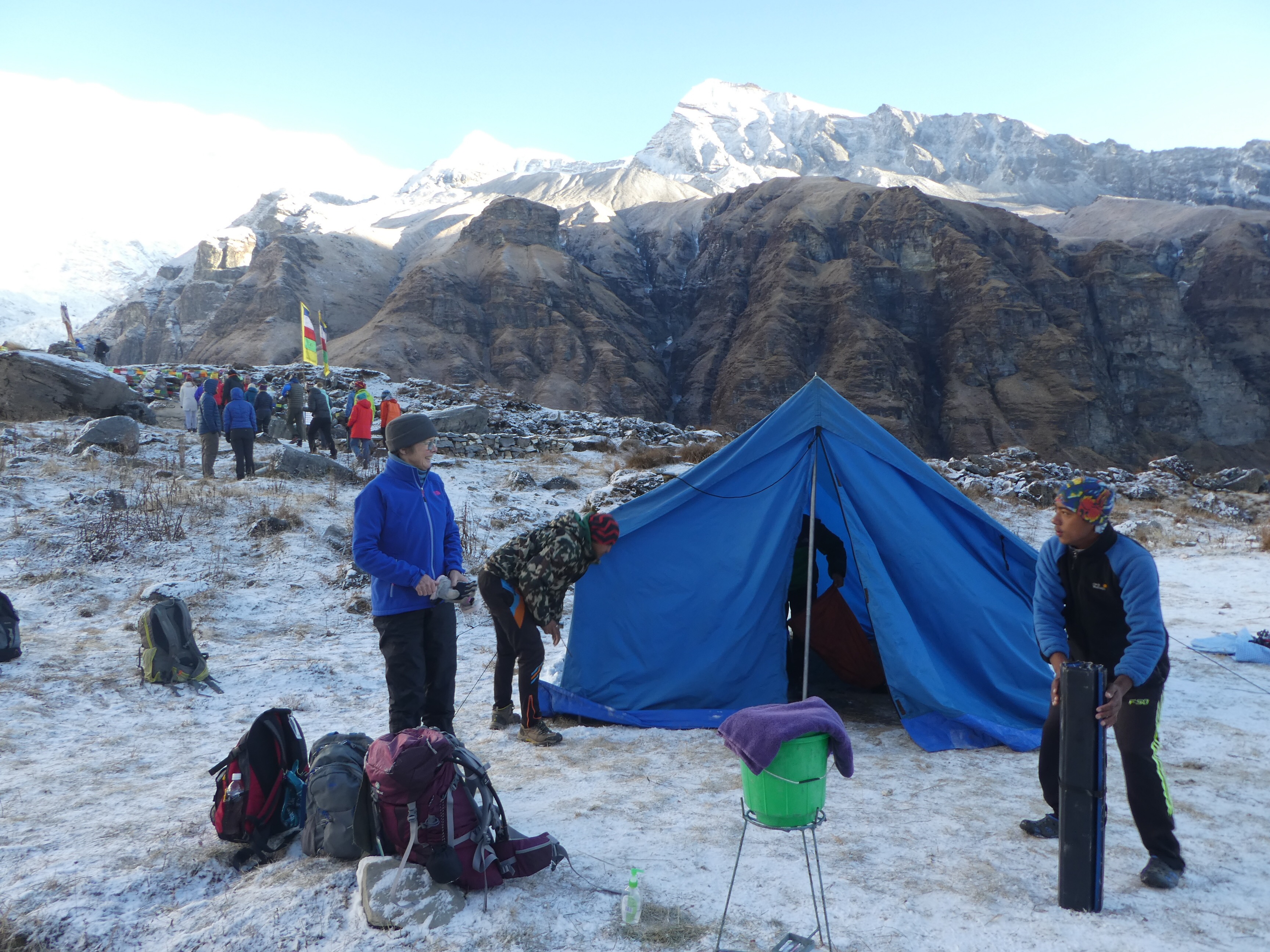
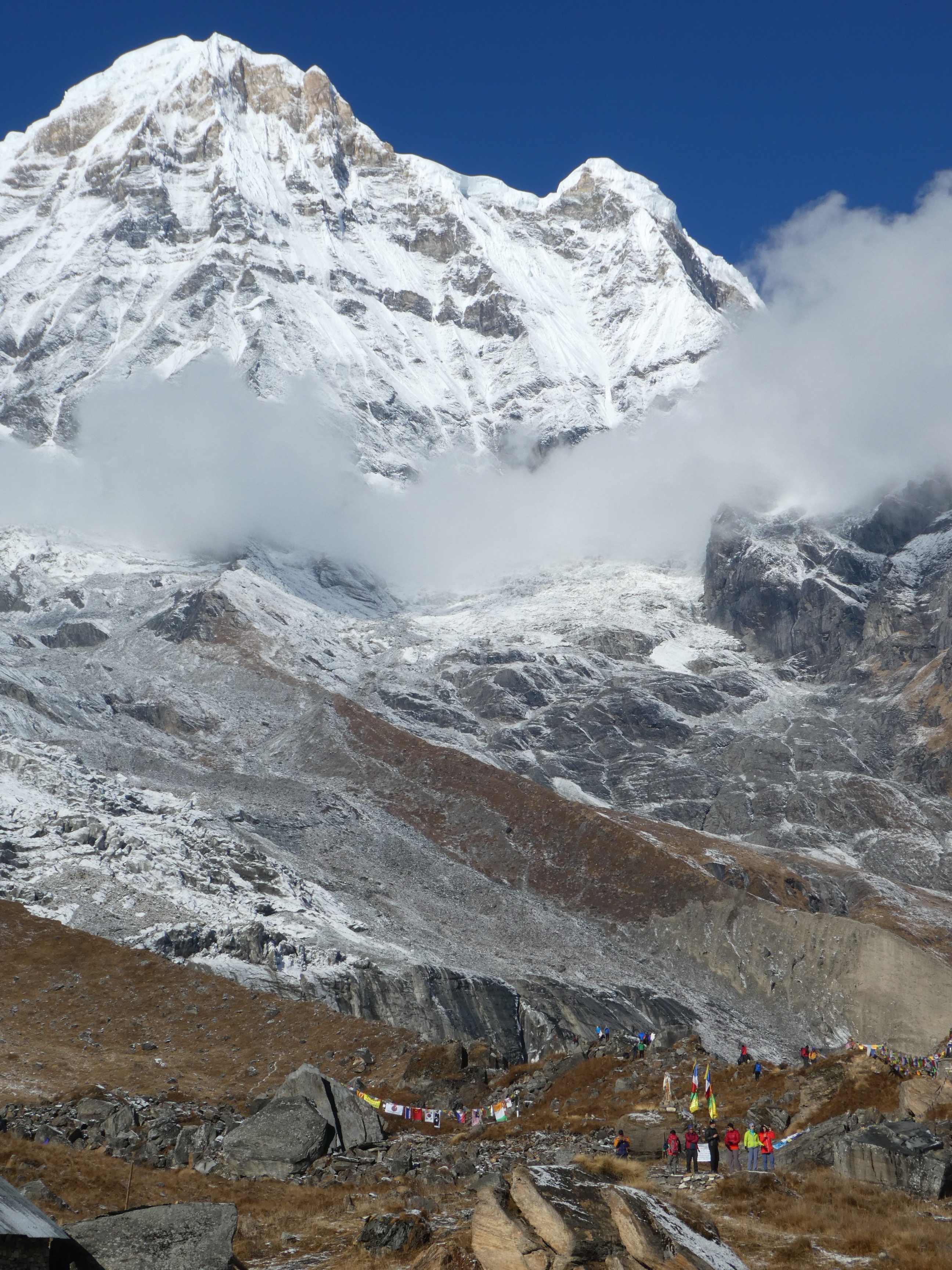
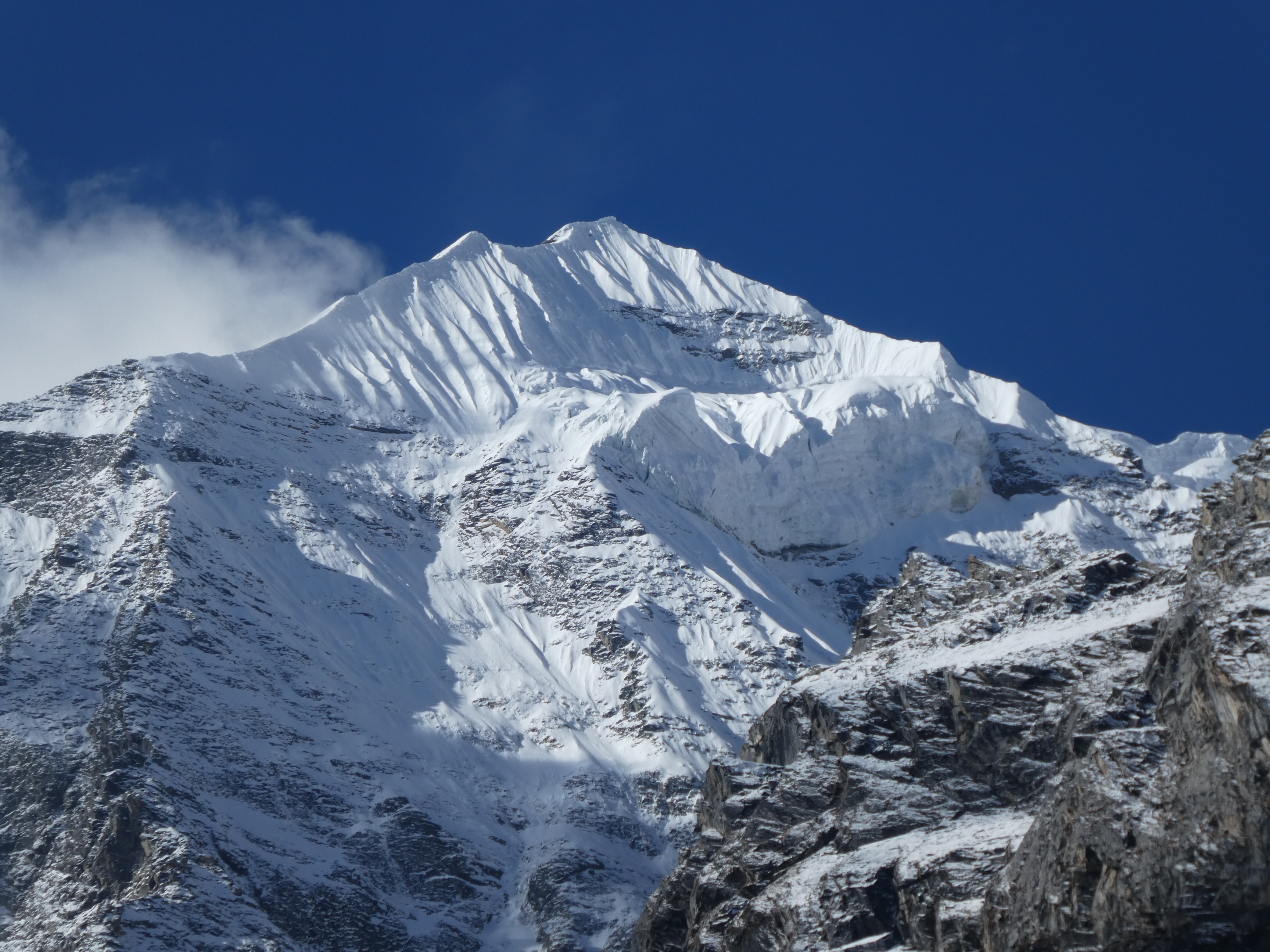
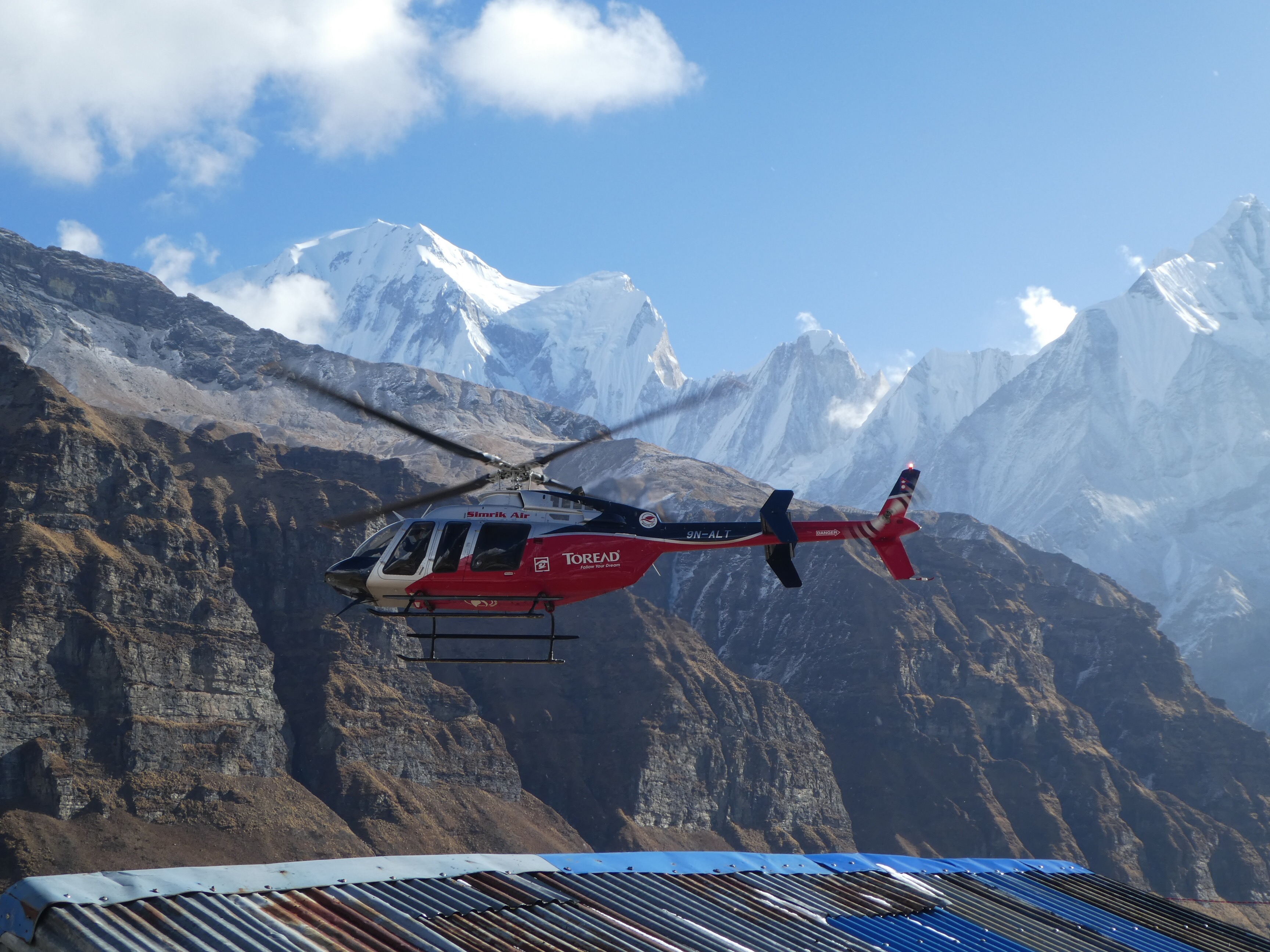
Day 7: We slept poorly at high altitude, with Bruce waking often to urinate, a side effect of the Diamox, and no heat in the room. The walls between rooms are super-thin paneling. We heard every noise our neighbors made. We had to go outside and down a walkway to use the bathroom, a freezing prospect, especially in the middle of the night. Late at night, the skies were clear, and there was moonlight enough to find our way. Bruce woke Linda up to see the view. The mountains were silhouetted against the star-lit blue-black sky and towered over us. We had a 360 degree view. We couldn’t wait to wake up and see them in the daylight! ABC is in a basin. In the morning, we were surrounded by Annapurna South, Himchuli, Machhapuchhre, Annapurna 1, and Barahchuli, Tent Peak, and Annapurna 3. They were so immense and so close up, It was dizzying. At daybreak, scores of trekkers emerged from their rooms and made the short trek up to a nearby viewing area to take photos in the crystal clear air, the sun glistening off the mountain peaks. We stood near the edge of a snow covered ridge and looked down a the massive “South Annapurna Glacier.” Several helicopters landed and took off right beside our guesthouse. On a dare, a young trekker stripped down to his birthday suit before the crowd. 😜There were tents pitched in a neat row behind the 2 guesthouses for those with no reservation, or those who were brave enough to “rough it.” There were streams of prayer flags, and flags from different countries, all blowing in the wind together. It amazed us to think that hardier folks than us use this camp as a starting point from which to begin their climbs! For us, this trek was a Herculean effort and a major accomplishment. We felt so small completely surrounded by such massive peaks! We intended to descend to Dobhan that night, but we got caught in a snowstorm so decided to be safe and stay put. We slept in Deurali instead (10,171’). This made the next day especially long, but we made it to lower Sinuwa (6,749’) for our scheduled sleep stop on Day 8.

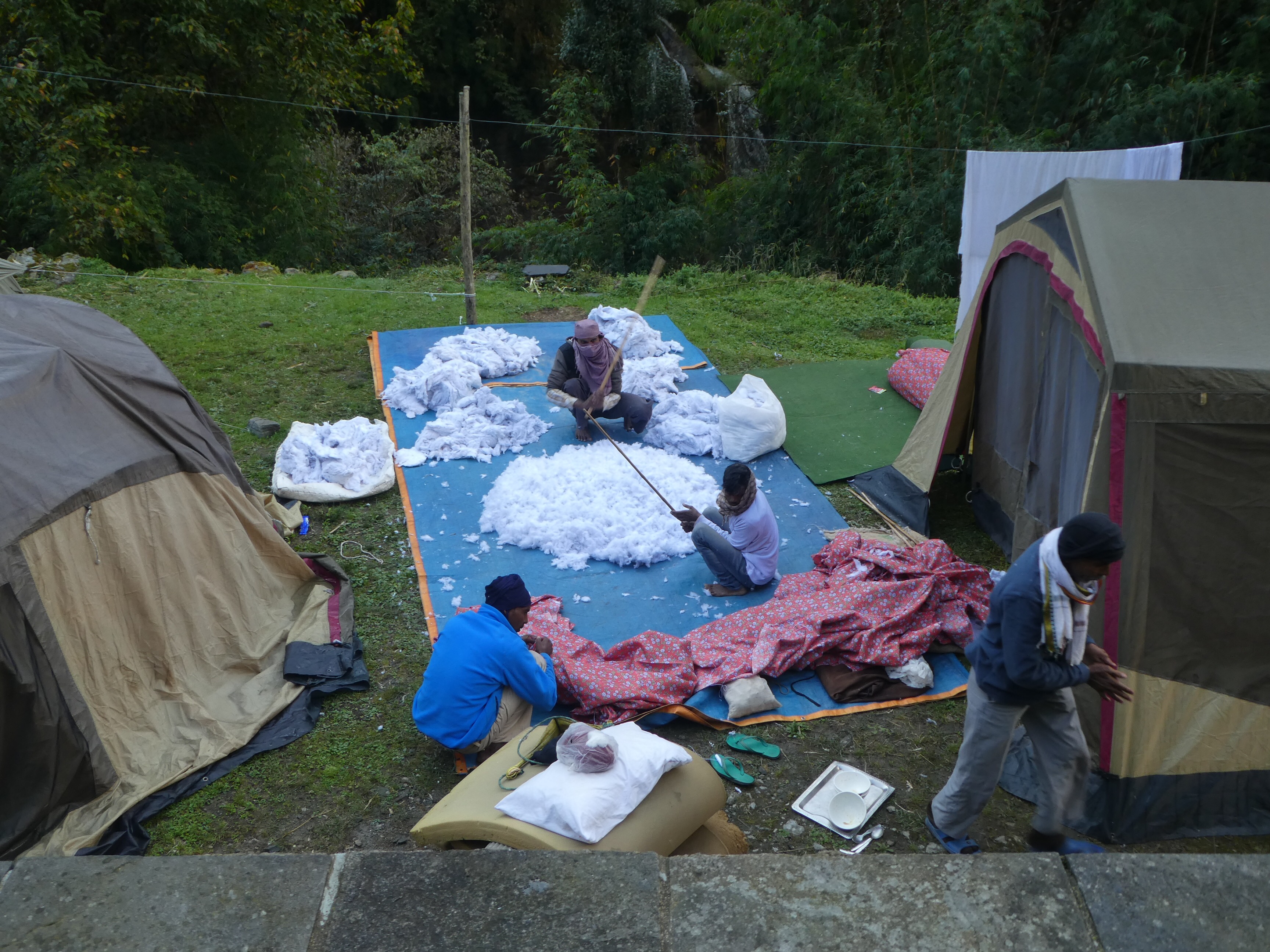
From Sinuwa, we made our way to Chuile, (Day 9) back up in altitude to around 9,000’, an hour and a half short of our goal, which was Tadapani. We didn’t feel confident that we’d make it to Tadapani before dark as tired as we were, and the trail is dangerous enough without using headlamps! It was interesting to pass a home where blanket makers were beating cotton filling into just the perfect “fluffiness.” When you buy a blanket here, they make it at your home!

Down now, from ABC, we head for our second Himalayan trekking goal- the Ghorepani-Ghandruk trek, so that we can see Ghorepani and Poonhill before ending our trek at Tatopani hot springs. Uttam explained to us that in Nepali “Tatopani” means hot water, “Tadapani” means far water, and “Ghorepani” means horse water. We can hardly wait to soak in hot water! From Tatopani, we’ll taxi 7 hrs. to Pokhara, bus to Kathmandu, and board our Singapore airlines flight home to San Francisco.

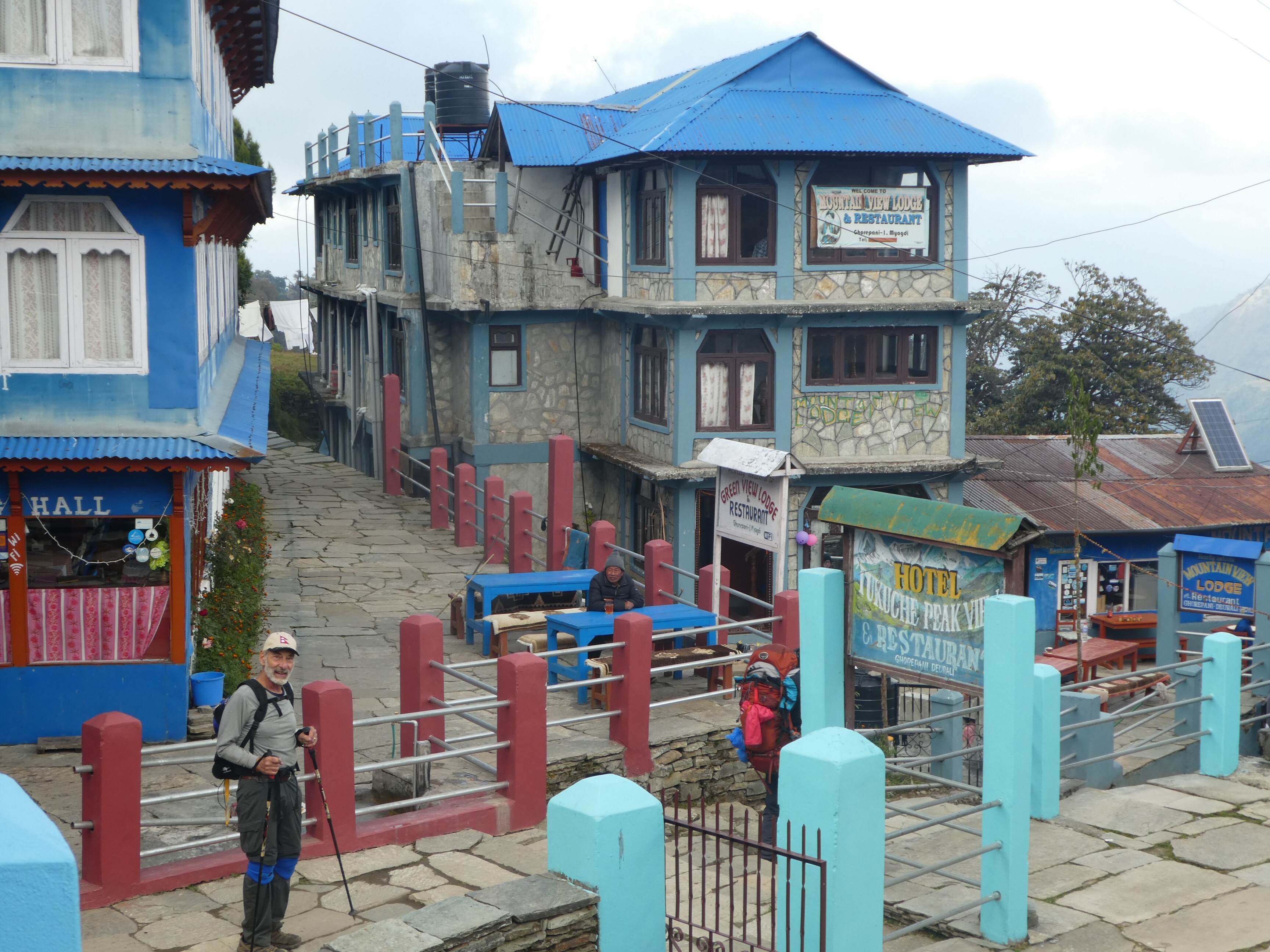
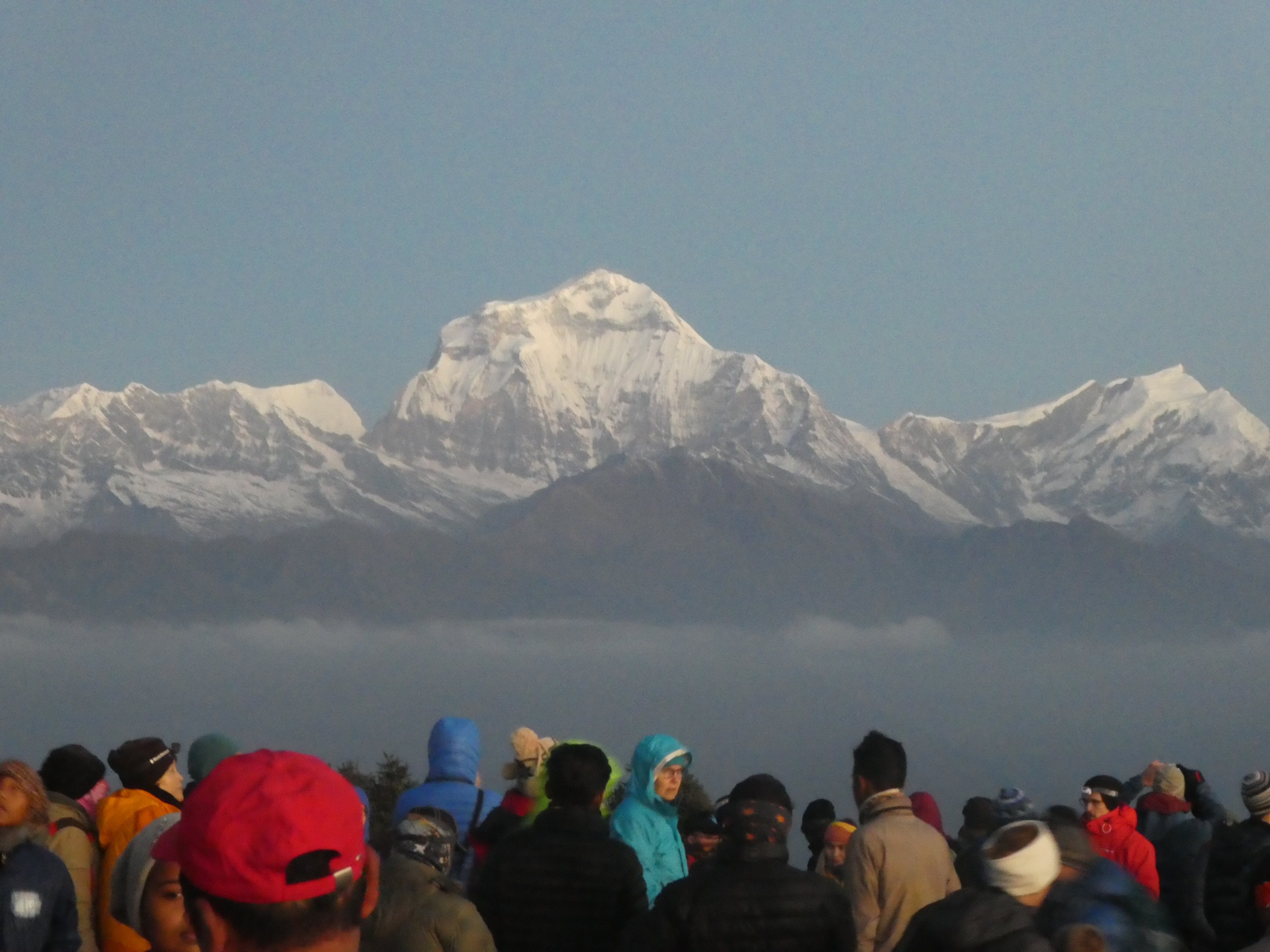
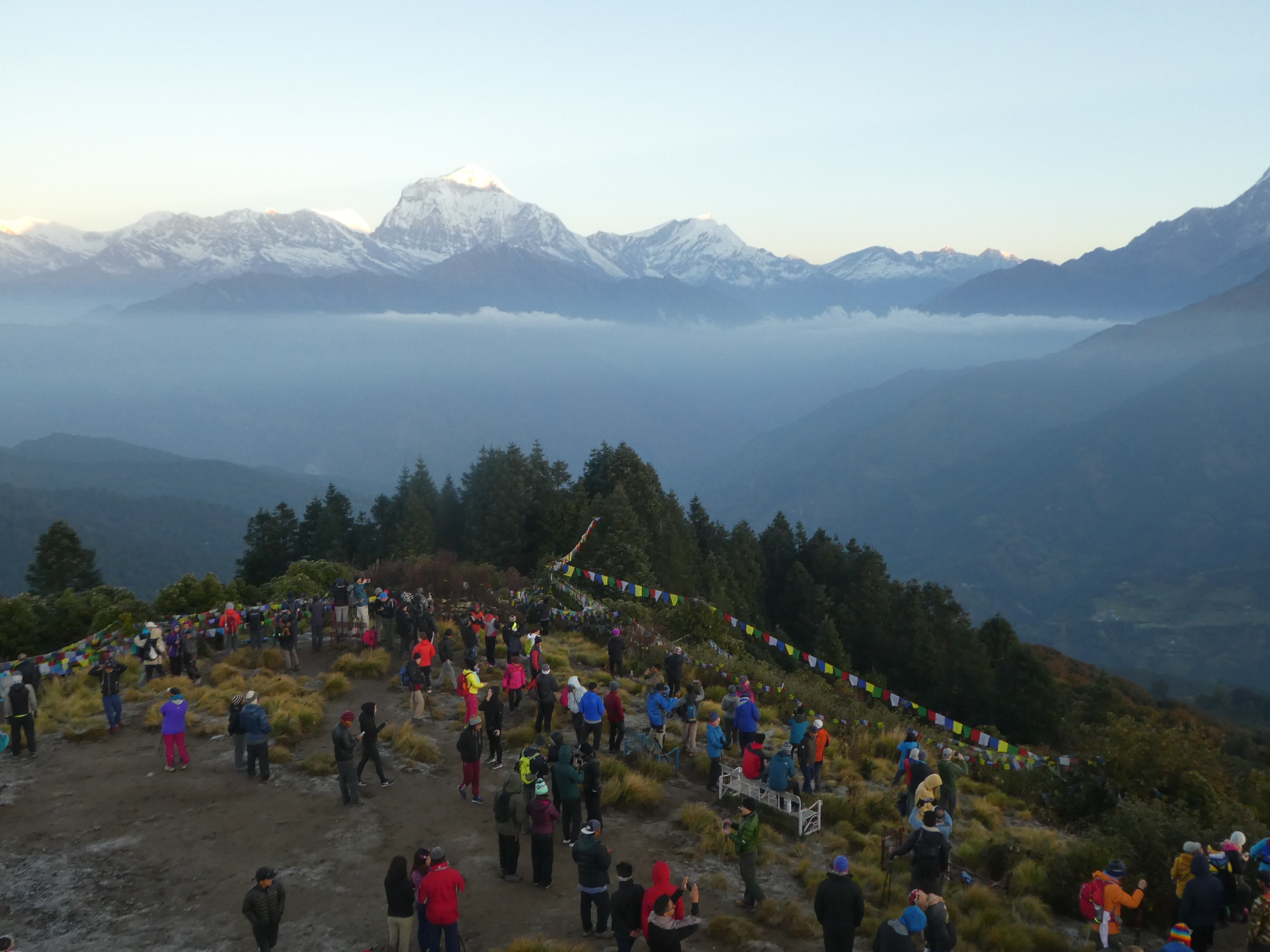
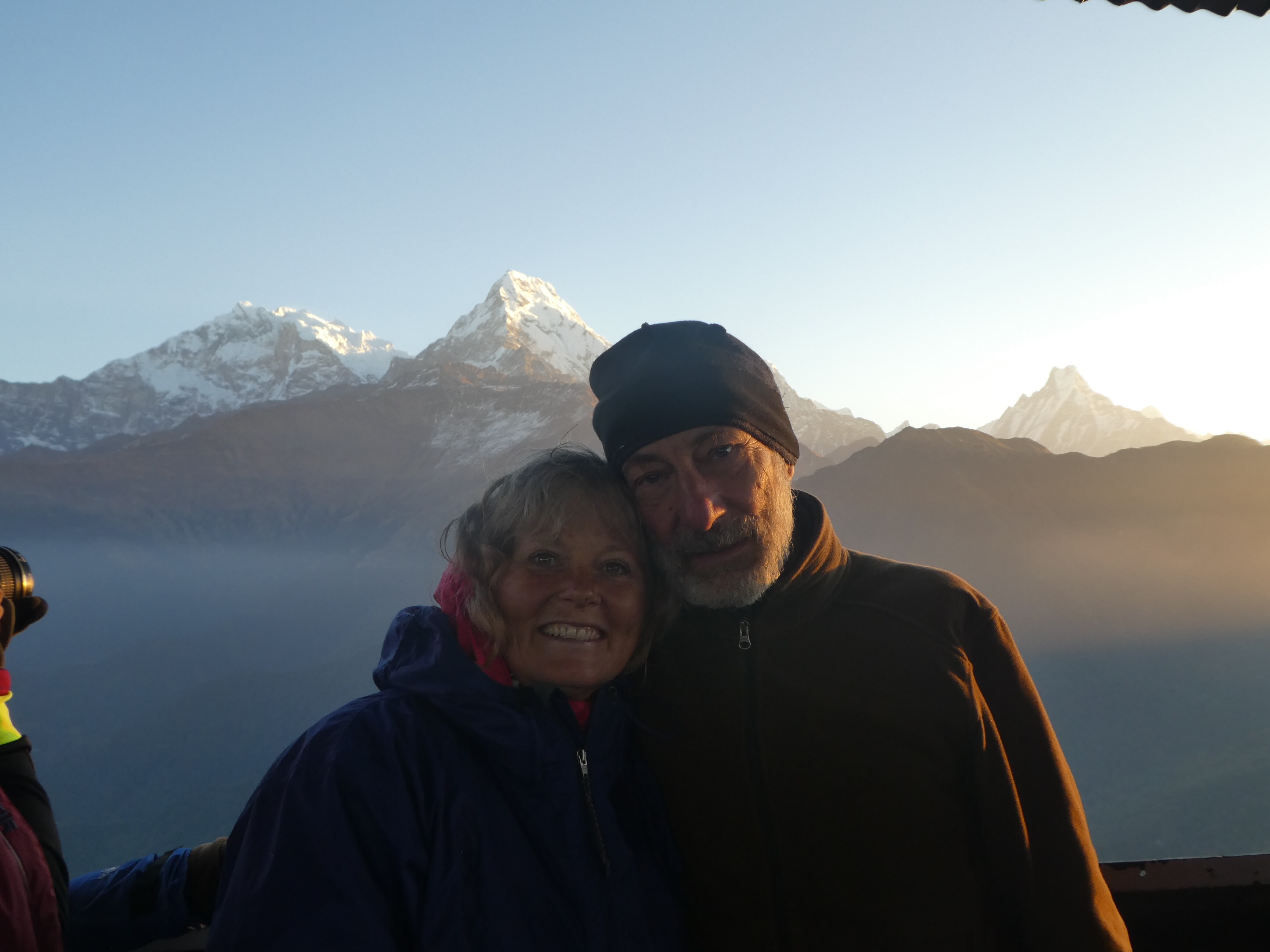
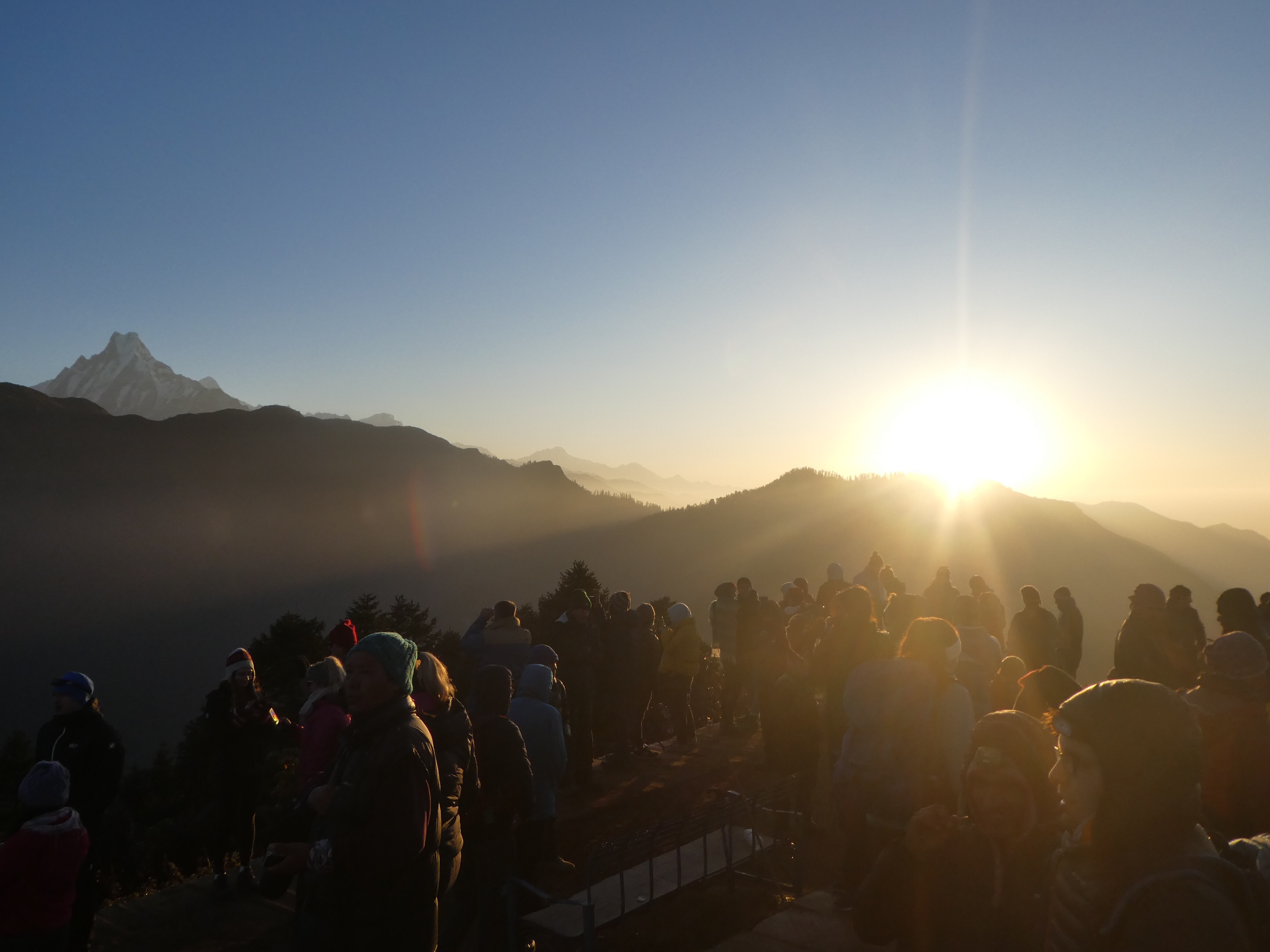
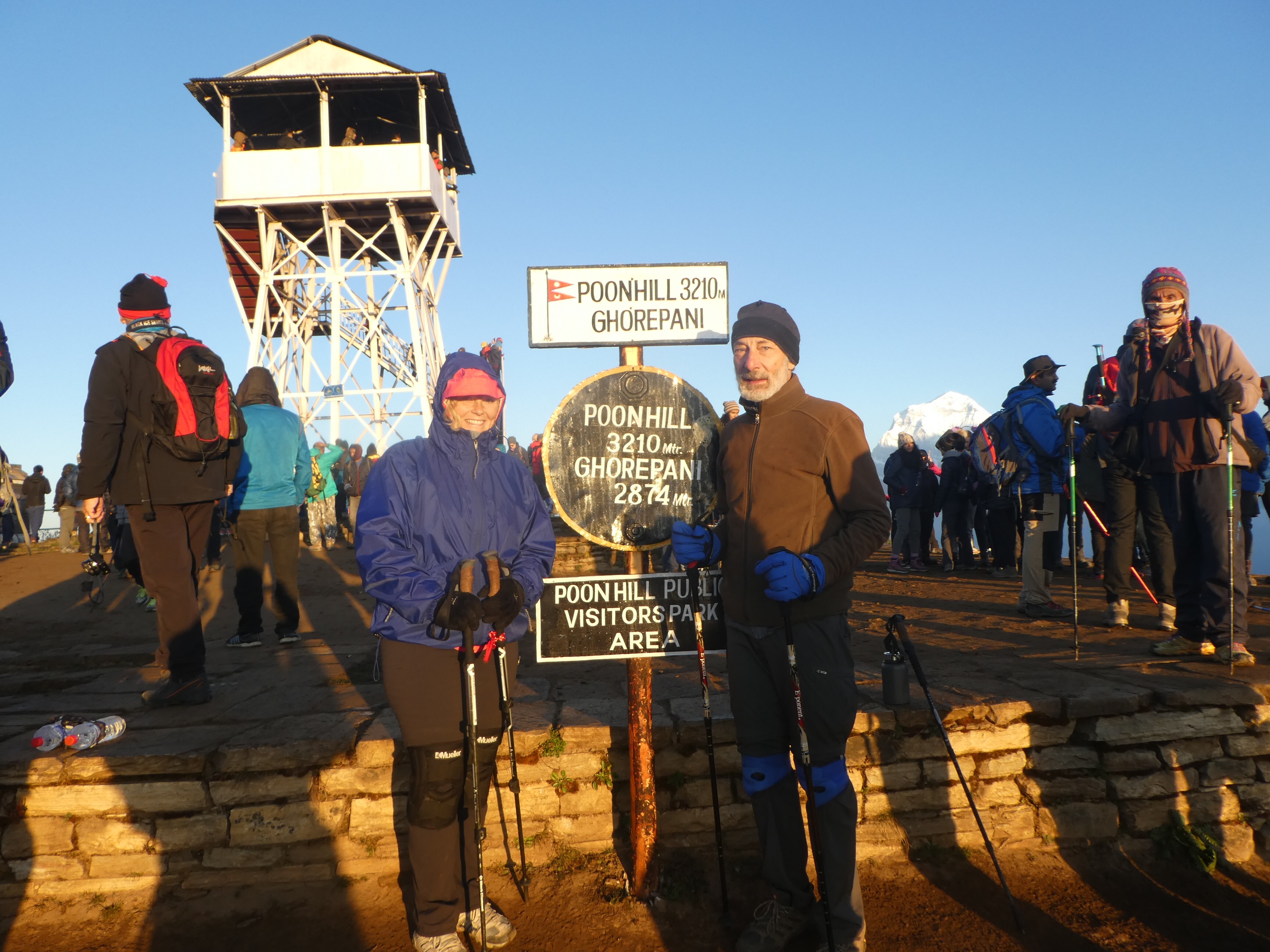
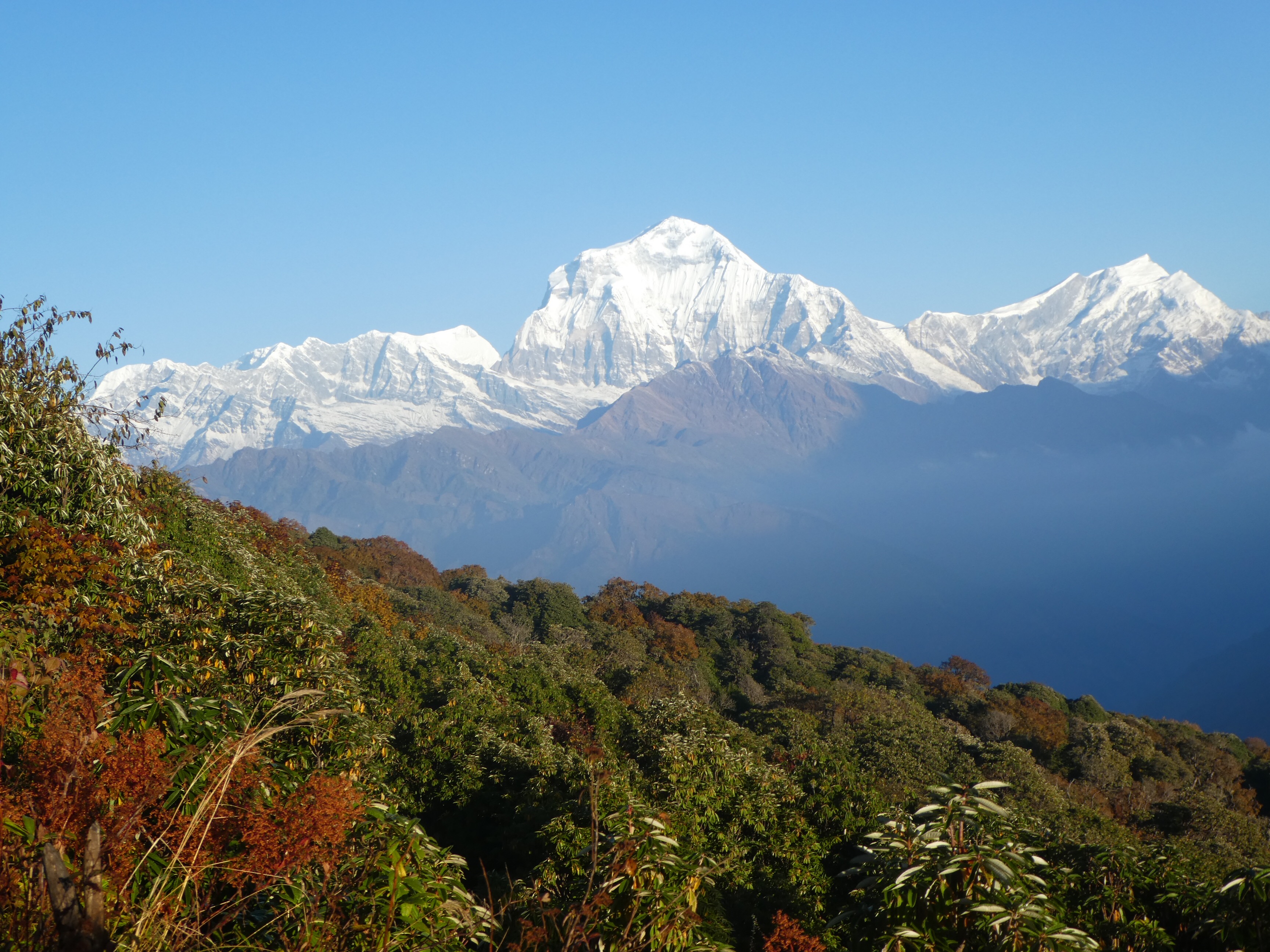
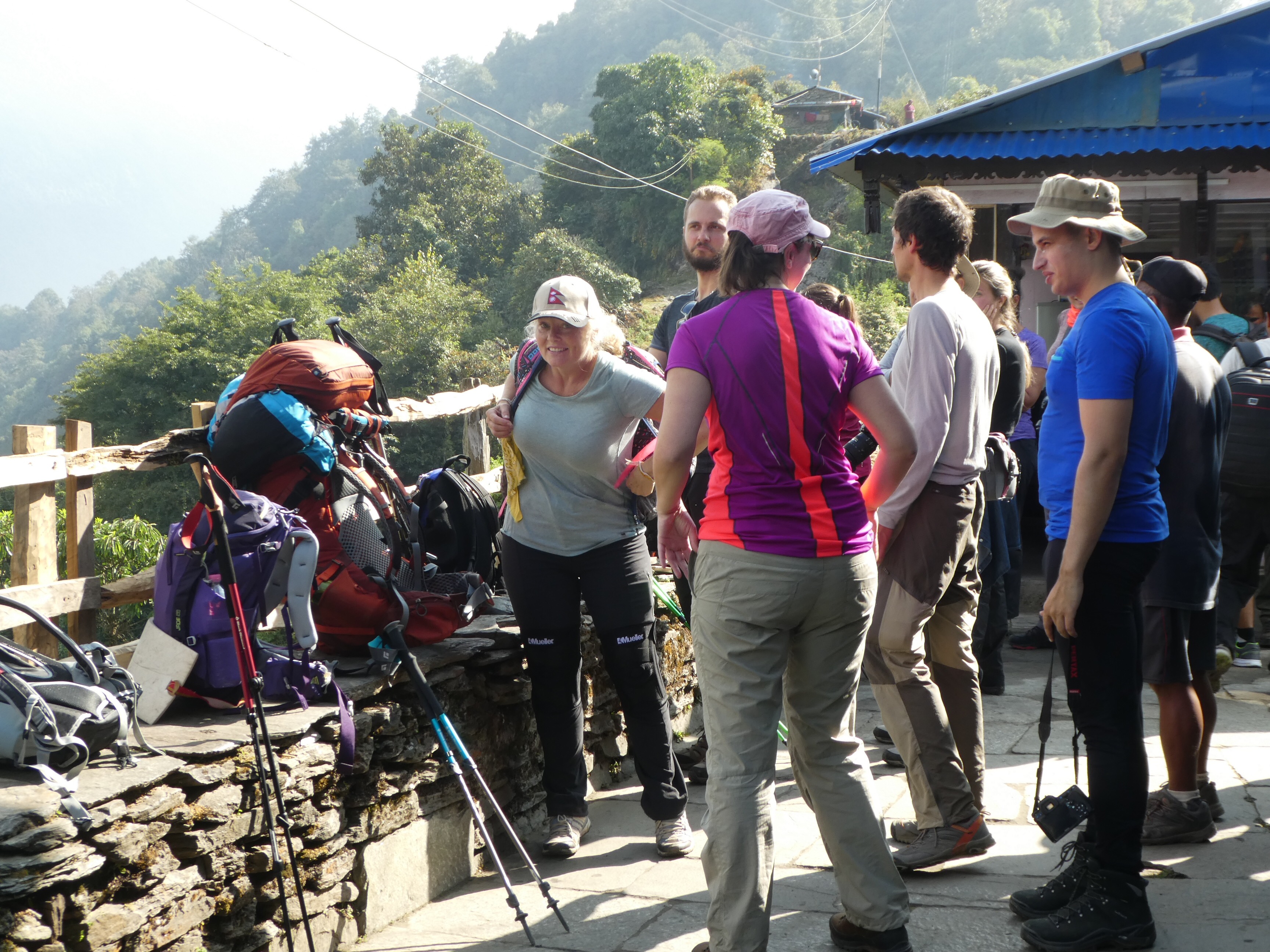
On Nov. 1, Day 10, we had to make up some time, so we started our arduous uphill trek to Ghorepani at 7 am. We finally arrived at 4 pm. Ghorepani is a village of several guest houses, shops and souvenir stands. Surrounded by mountains, it is still gorgeously serene. Our next goal was to view the sunrise from Poonhill, 1,500’ above Ghorepani. At 5 am, we rose from frozen slumber to trek with headlamps to the Poonhill mountain viewing area. We joined about two-hundred trekkers to watch the sun rise over multiple enormous peaks. According to Uttam we saw: Dhaulagiri 1, 2, 3, and 4, Nilghiri, Dhampus Peak, Tukche Peak, Gurja Peak, and Annapurna 1 and South, Himchuli, Machhapuchhre and Zangapurna. Beautiful! We sipped steaming hot mugs of coffee purchased from a small beverage stand at the top of Poonhill. Our guide told us that “Poon” is one of the Nepali castes. Uttam is Poon. The caste system is still strongly followed here. As a guide/porter, Uttam’s caste falls in the middle of the hierarchy.  

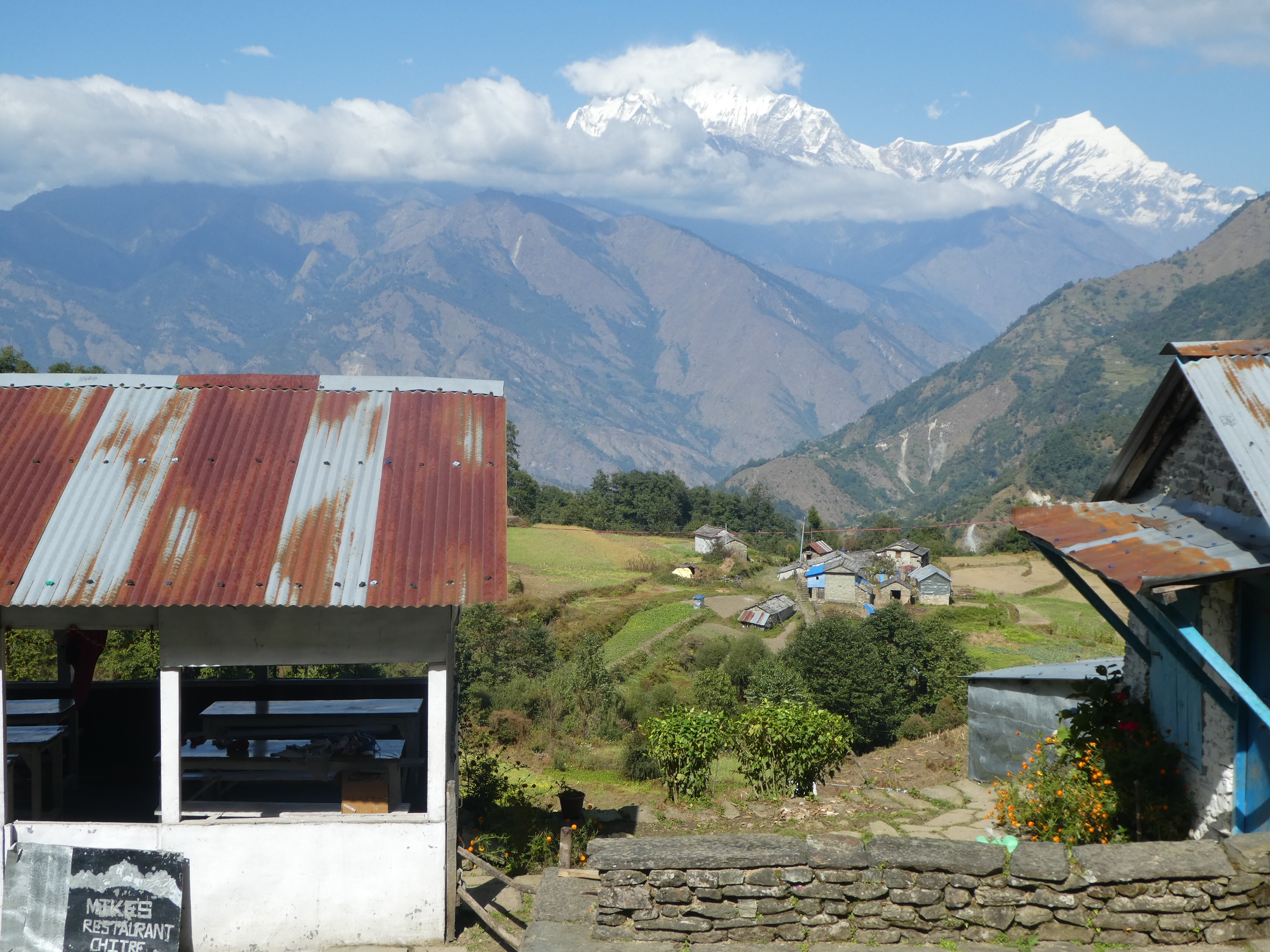
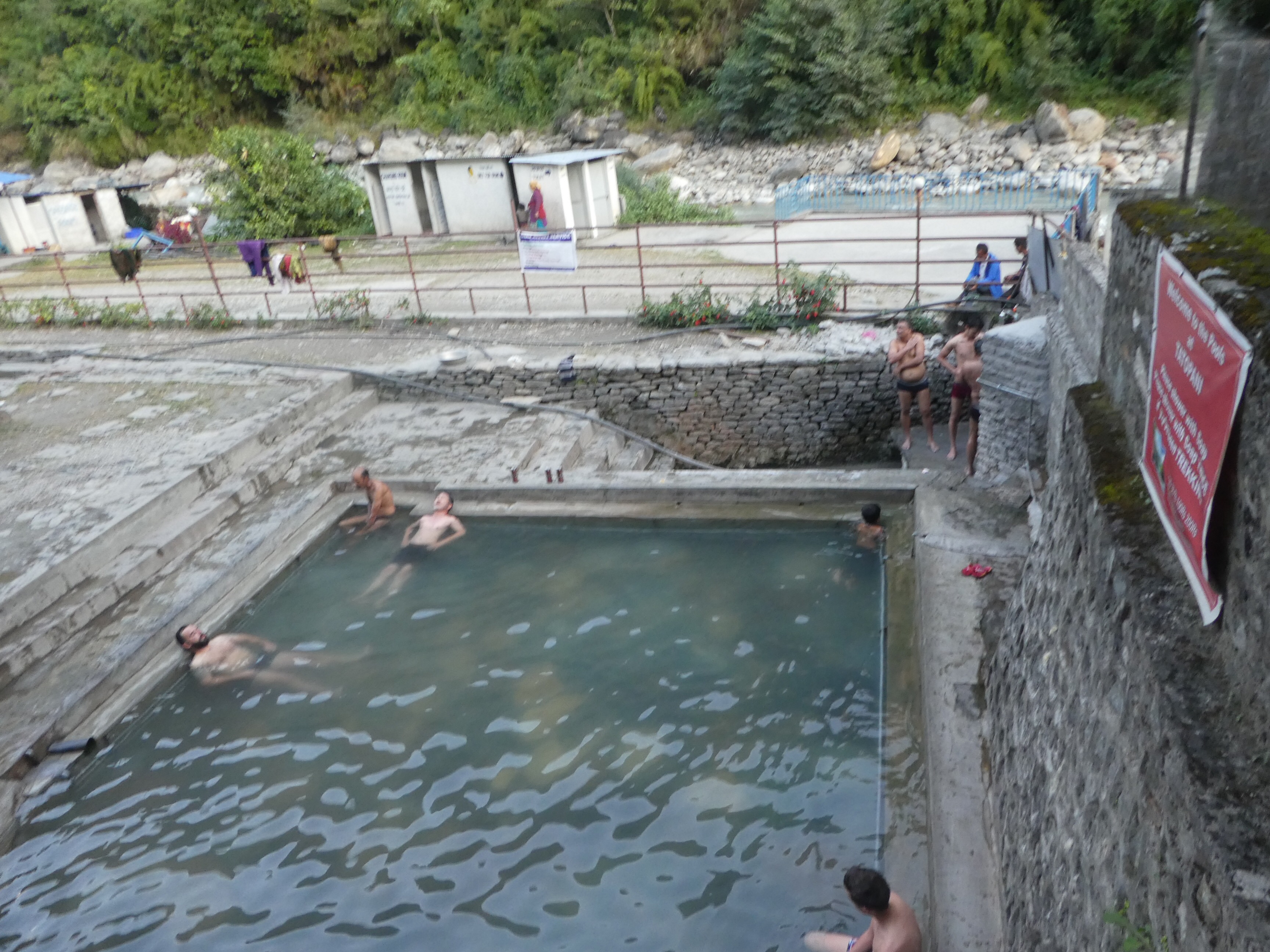
For two days, days 11 and 12, we descended steeply from 9,000 ft. Ghorepani to Tatopani hot springs and our nearby lodging at 3,900’ elevation. We felt so sorry for those ascending in the opposite direction. We knew they were in for a rough trek. Soaking in the hot spring pool was an absolute delight. Bruce showered there as well, for the first time in 12 days.  

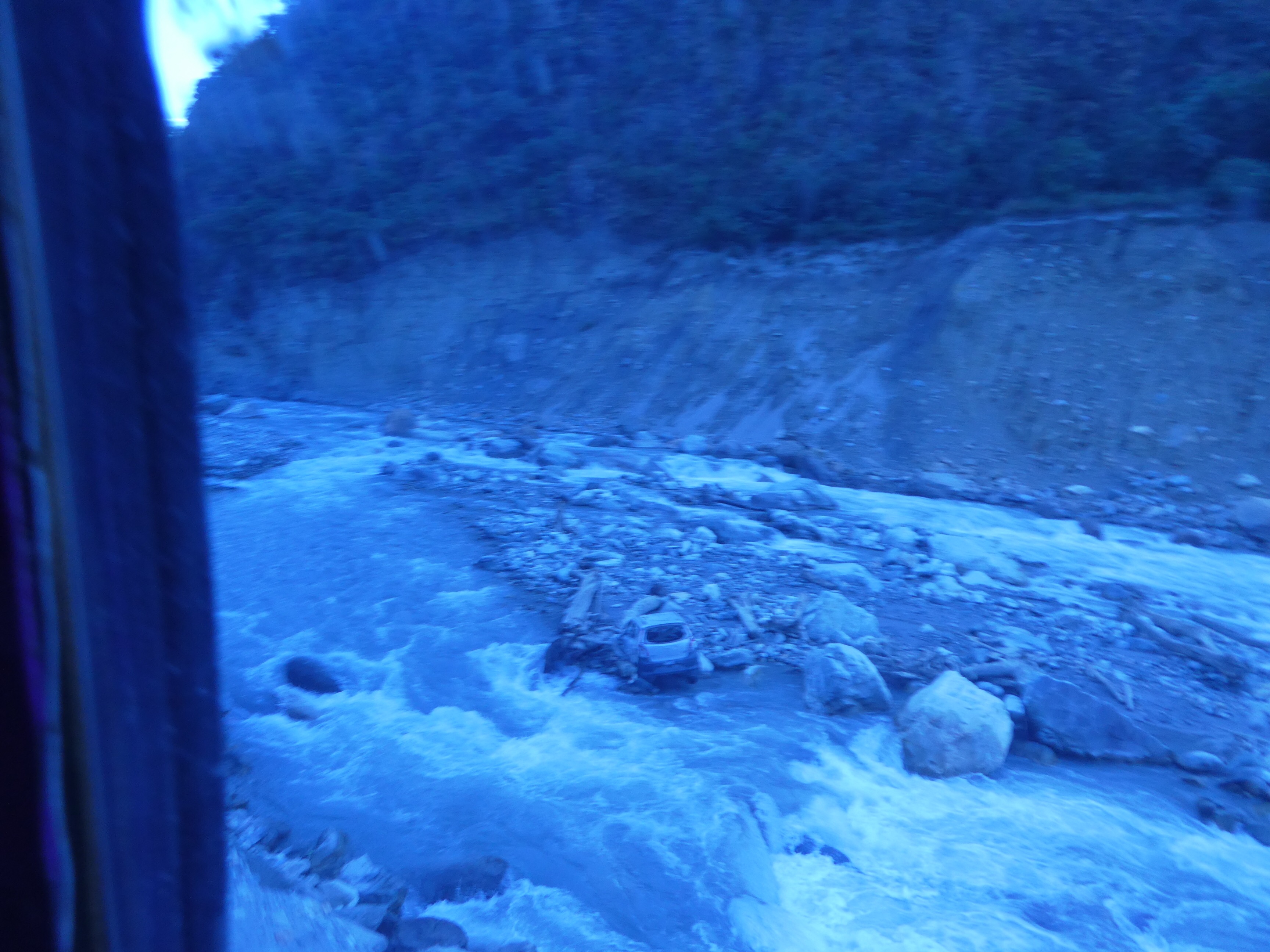
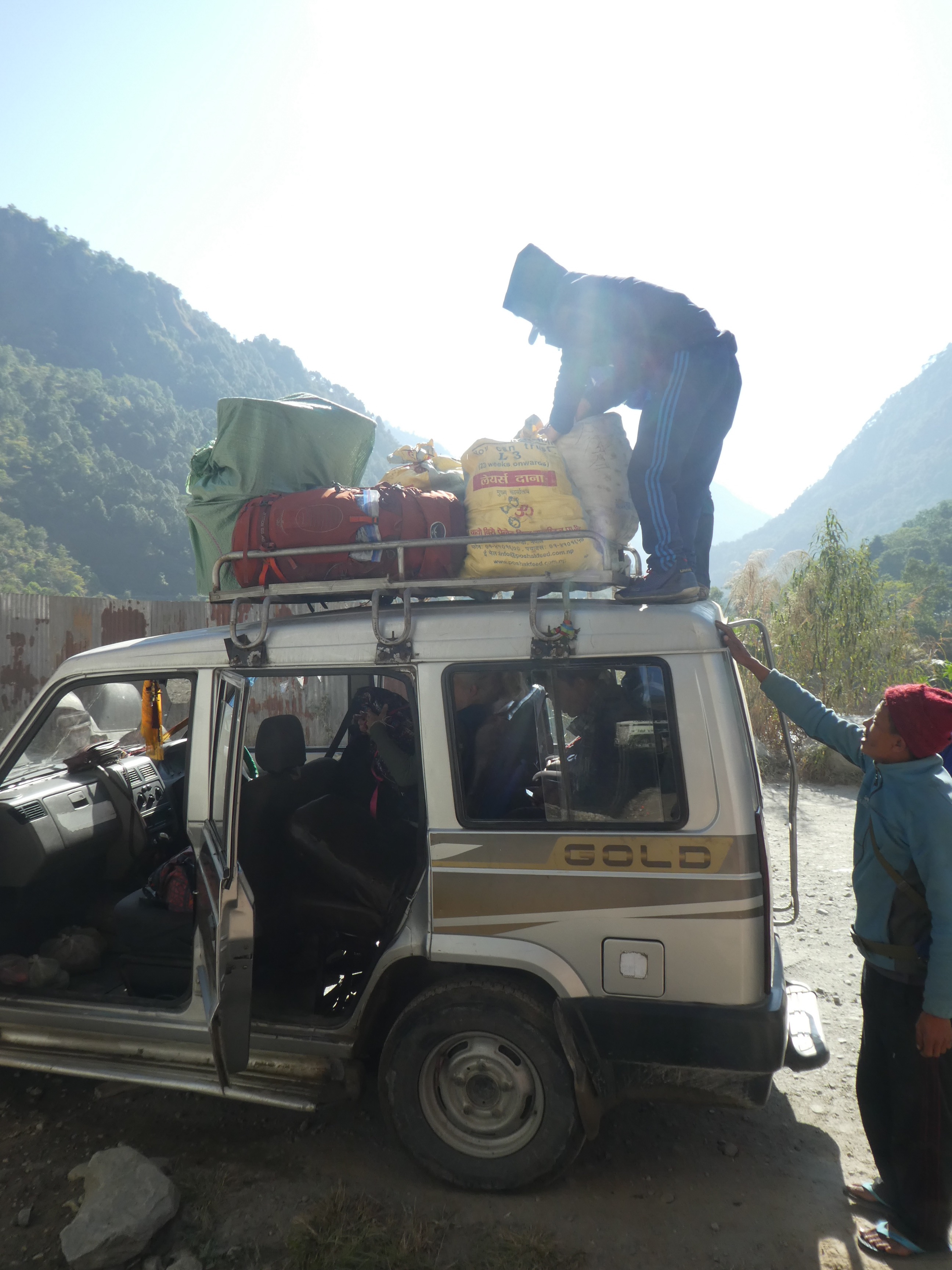
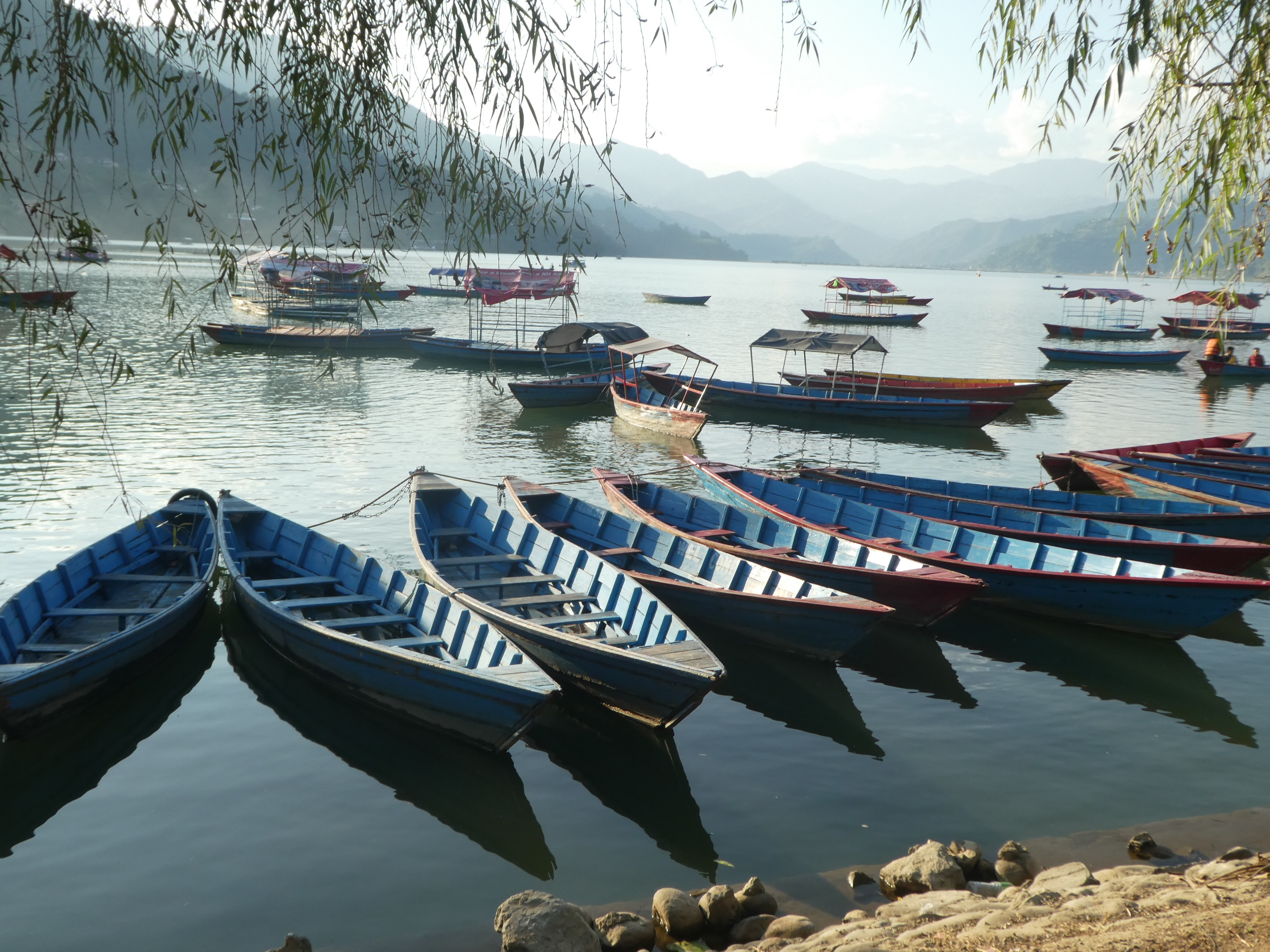
Our return trip to Pokhara was a harrowing bus/jeep/taxi ride. We often felt the bus between Tatopani and Beni would slip over the edge of the crumbling, rocky, pot hole-filled road and plunge into the raging river below. Our fear was not unfounded. We saw an unrecovered car that had wrecked and fallen into the river. After 2 hrs on the bus, ten of us were crammed into a Jeep that banged its way 3 hrs to the Pokhara outskirts. On the way, the Jeep bottomed out in a deep pothole and our radiator began to leak. We were so thankful to arrive back safely at Pushpa guesthouse in Lakeside, Pokhara! We slept well that night, rewarded our porter/guide, Uttam, with a generous tip, and thanked Raj and Uttam for an unforgettable experience.  

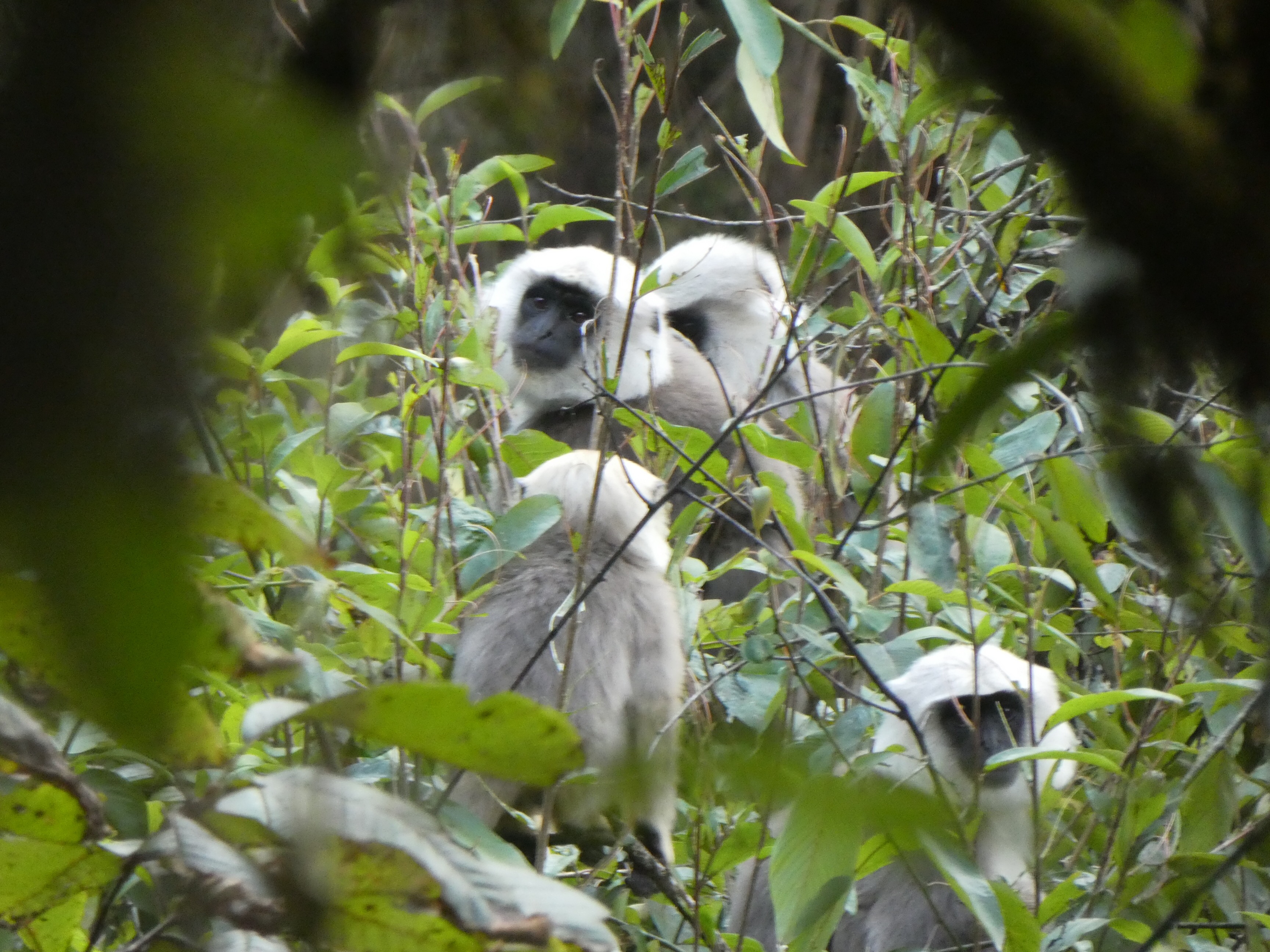
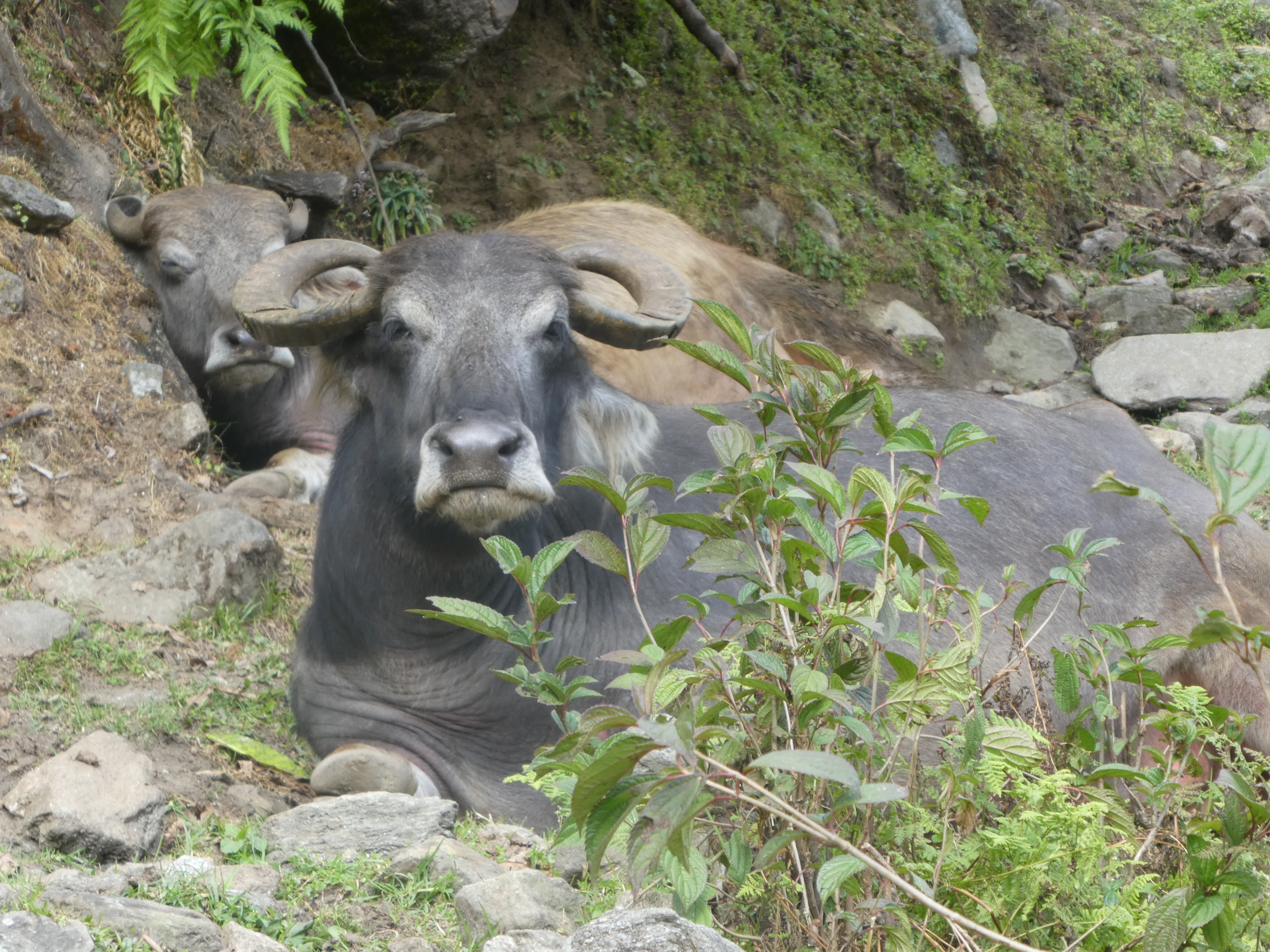
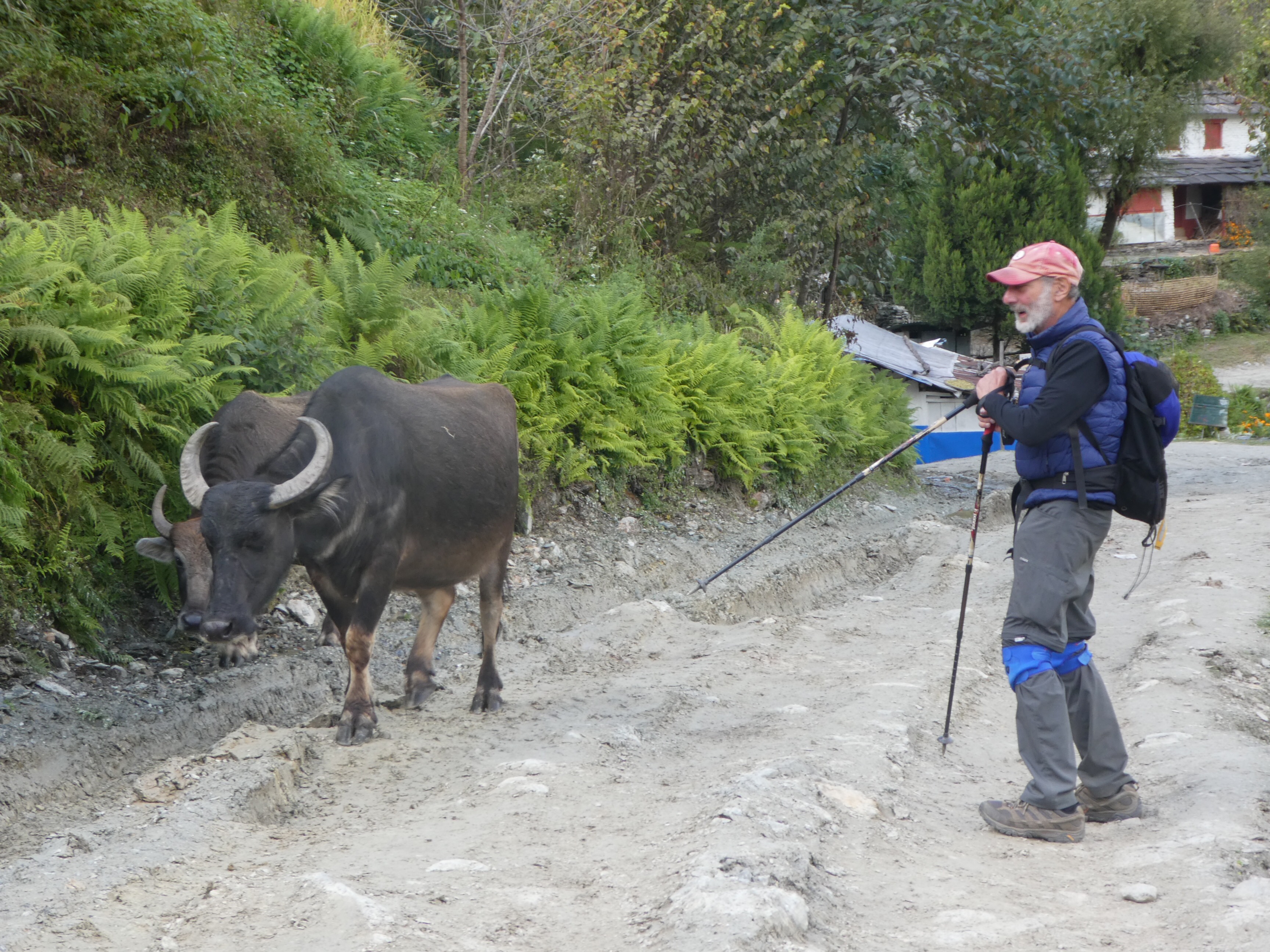
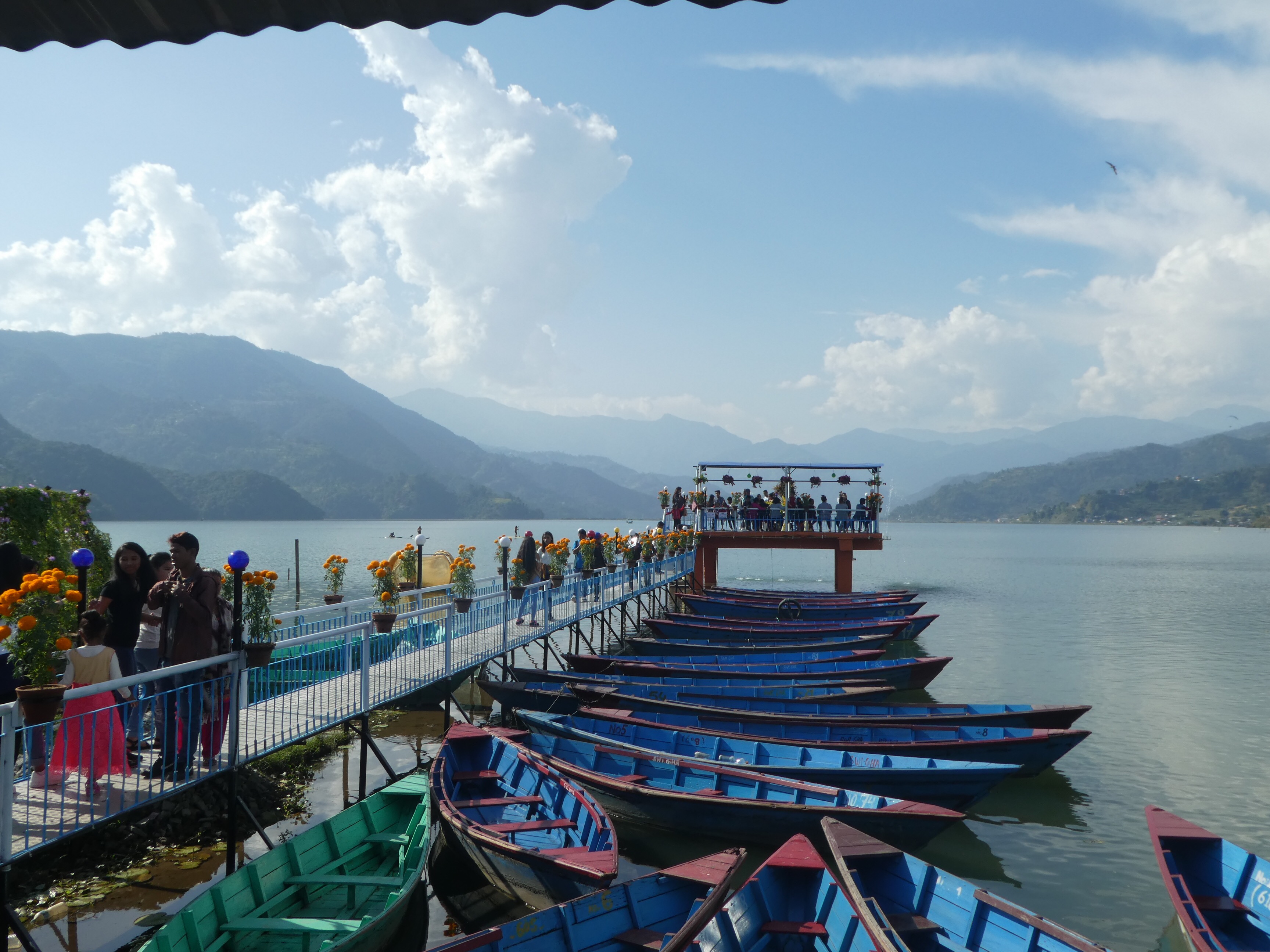
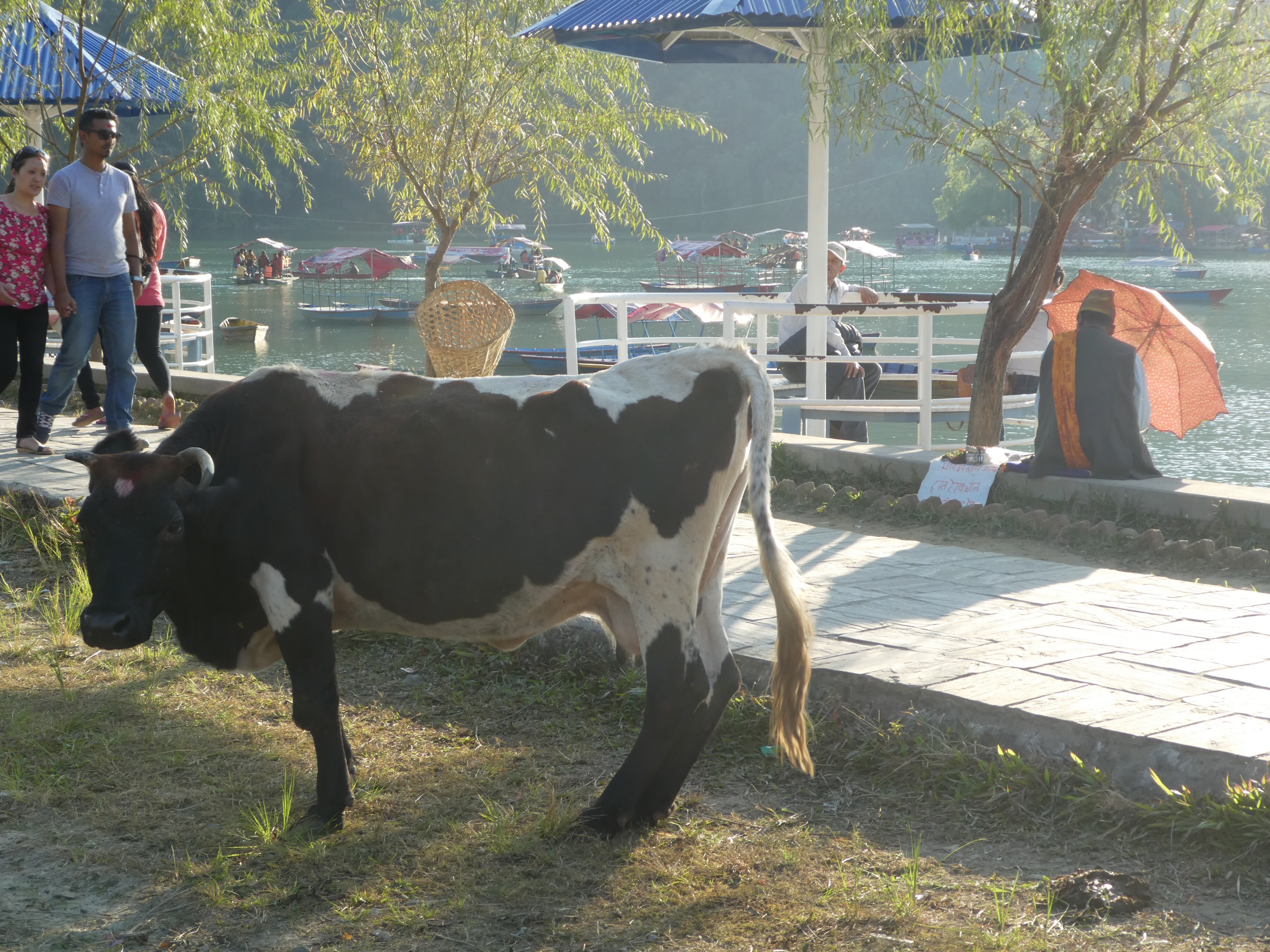
We are recovering for a couple of days here in Pokhara. It feels great to be clean again, yet a little strange to be walking on flat land, unaided by trekking poles and unencumbered by back packs! We tried the water buffalo mo-mo, a dumpling similar to gyoza, and it is yummy! We’ve had numerous encounters with water buffalo on the trail, and they seem sweet natured. We had our clothes laundered and are ready to pack for home. Dhandebad (thank you) for sharing this latest adventure with us! We look forward to getting back home and seeing you again soon. 

Hugs n Love, BnL 
P.S. We’ll try to post photos with this, but will probably end up creating a separate blog for the photos. 

Taipei, Taiwan- Suitcase City (Post #9)

Dear Friends and Family,
 Niihau! (Hello,)
We left laid back Laos and flew to Taipei, Taiwan. We knew as soon as we reached our baggage carousel that we were in a cosmopolitan city. Our backpacks were easy to spot. They were the only two canvas packs in a sea of huge, sturdy suitcases. Our trek through Taiwan immigration lines was long. Six of ten elderly Korean women, trying to keep their group together, snuck in front of us. “Where are you from?” Bruce asked. “China”, one of them said, and the group burst into laughter. Apparently they had just come from touring China together, but they were from South Korea. We met up with them in a customs line about 45 minutes later and one of them asked Linda where we’re from. “China,” she quipped, and again, they burst into laughter. Laughter is the universal language. We picked up our backpacks, got on the MRT subway and, in 40 minutes, we were at Taipei Main Station, a vast transportation hub. An elderly businessman practically walked us all the way to Diary of Taipei hotel. Without him, we would have been quite lost.  

For 3 days, we had a great room, a delicious Chinese breakfast buffet, and free laundry facilities. Taipei is a big city like New York or Shanghai, with lots of great, cheap Chinese food options. You get 10 handmade dim sum while you wait for only 20 Taiwanese dollars. 20 Taiwanese dollars equals 2 US dollars. Noodle options are plentiful, proof positive the Chinese, not the Italians, invented spaghetti. We were in food heaven there! There were hot spicy pork buns, sweet bean cakes, custard filled egg shells, curried delights, and all kinds of tofu and vegetable specialties. Three days passed too quickly.

The city is busy with traffic. At lights, throngs of scooters line up in front of car traffic. A go signal allows pedestrians to cross every which way while all motorized traffic stops. We took a free walking tour that began in the beautiful “Peace Park,” moved through the historic old town, and ended in an upscale shopping district. We learned about how Taiwan liberated itself from Japan and then mainland China. We visited a gorgeous temple dedicated to the goddess “Matsu.” We took a long walk to the tallest building in the country, Taipei 101. Its segmented design looks like a sugar-cane stalk. At 1671 ft., it was the world’s tallest building until the year 2010. We visited the National Palace museum filled with priceless historical pieces of Chinese history. At the entrance, there is a large seated statue of Sun Yat Sen, the father of the country, similar to the Lincoln Memorial in Washington DC. We also walked to two of the remaining historical gates that were once part of a city wall. 

Taiwanese seem to love meeting Americans and practicing their English. People were super friendly and we got nothing but good vibes wherever we went. We were told that we were fortunate to be there between typhoons. One was building as our flight to Nepal took off in light rain.  

We will update you again soon! Love, BnL