Krakow, Poland- Journey’s End (NE Eur No 14)

Dear Friends and Family,

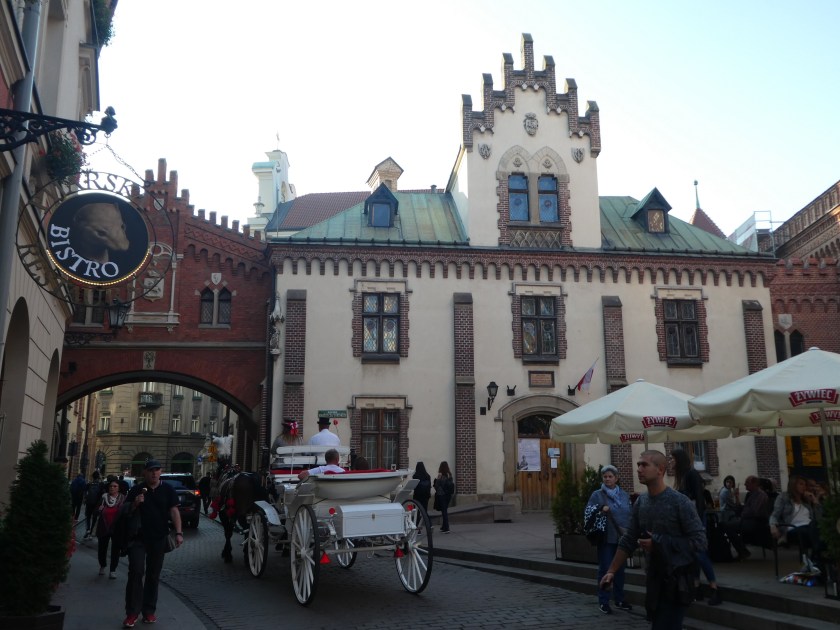
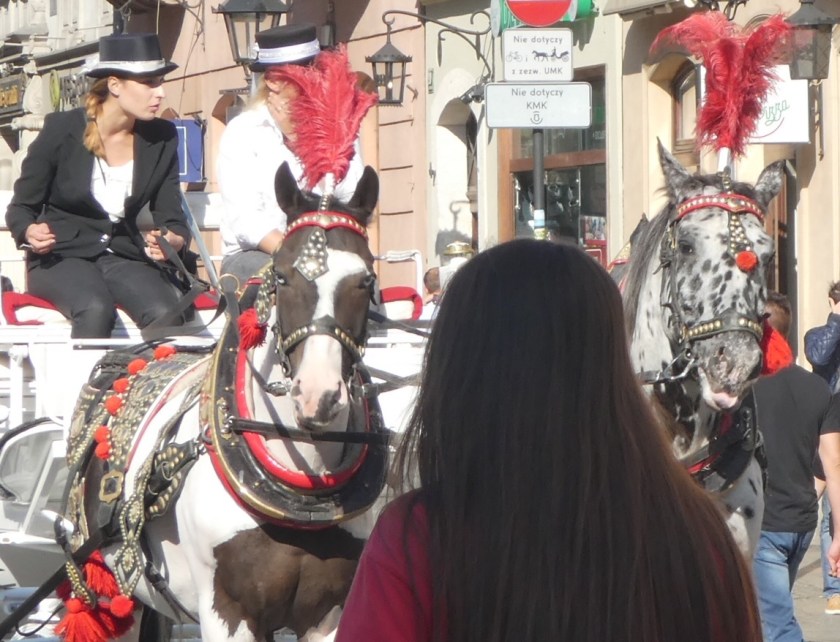
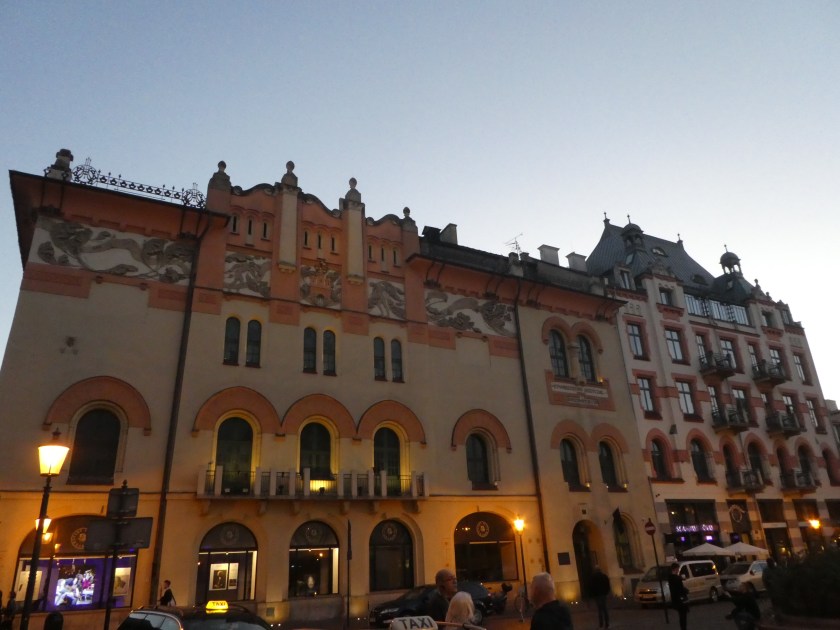
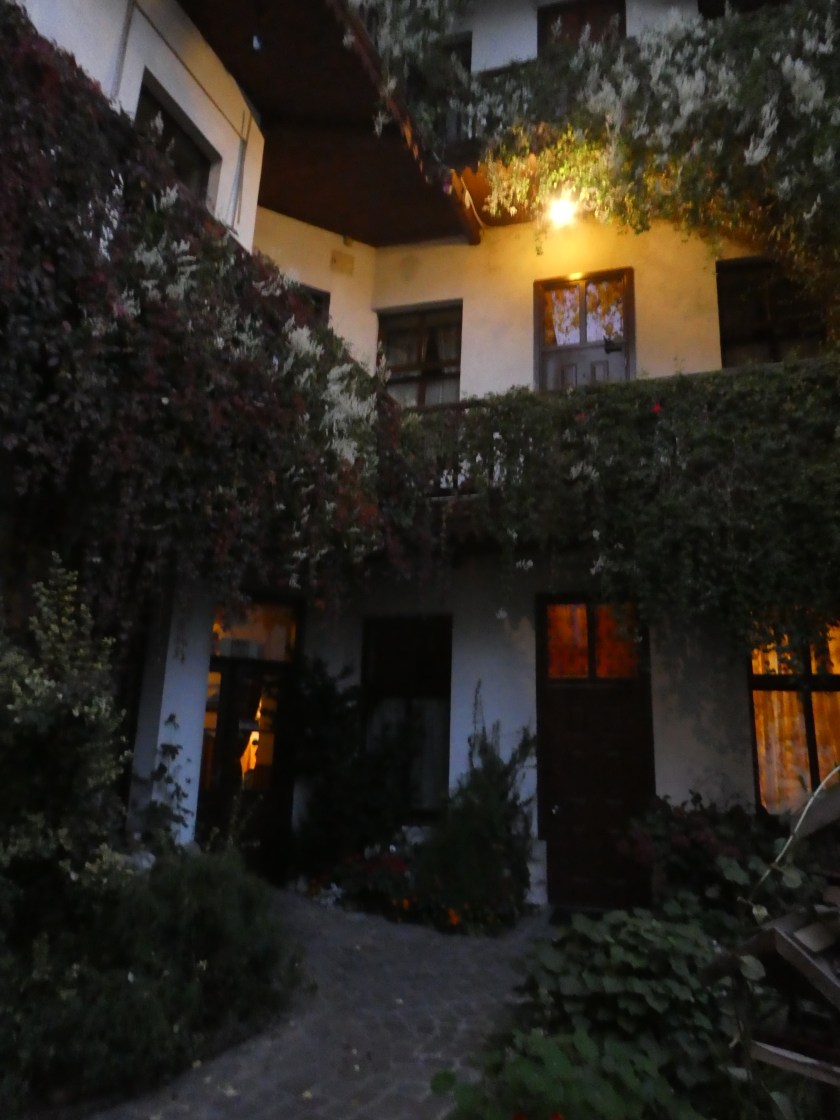
Krakow, Poland boasts the largest medieval plaza in the country. It measures 7 square kilometers. Krakow was saved from destruction by the Nazis during WWII because the Germans basically considered it a German city. The old town, a UNESCO World Heritage Site, is teaming with history, tourists, locals, 200,000 students, horse drawn carriages, bicycles, street music, cafes, 840 pubs & restaurants, souvenirs , ambiance…in short, everything you could possibly want during ideal autumn weather. Though the street noise and crowds were, at times, overwhelming, we closed the outside doors at Globtrotter Guest House and entered a realm, and a room, of peace, right in the midst of mayhem.

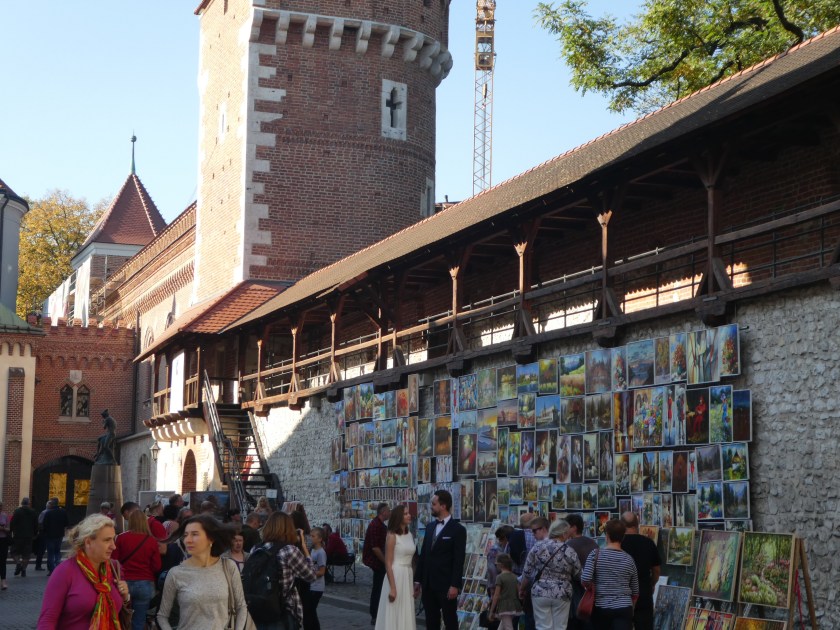
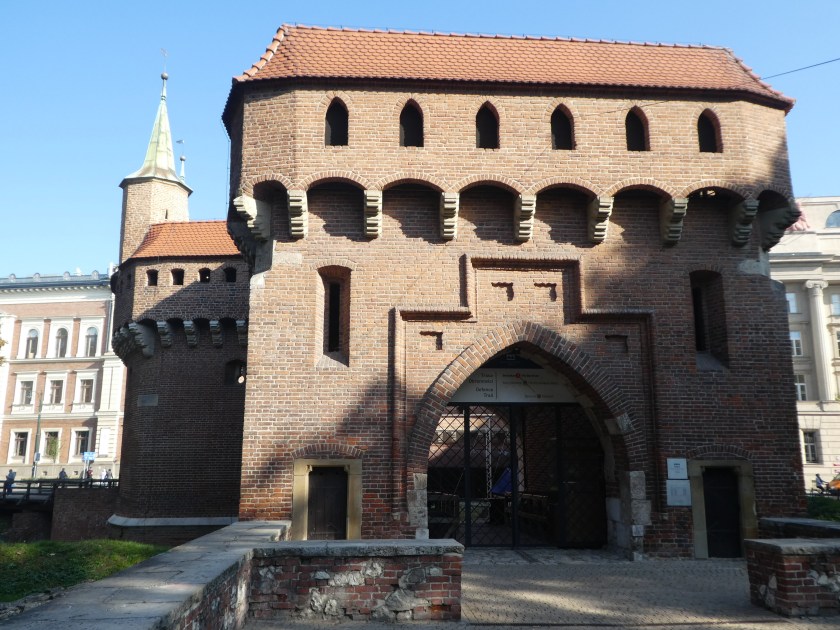
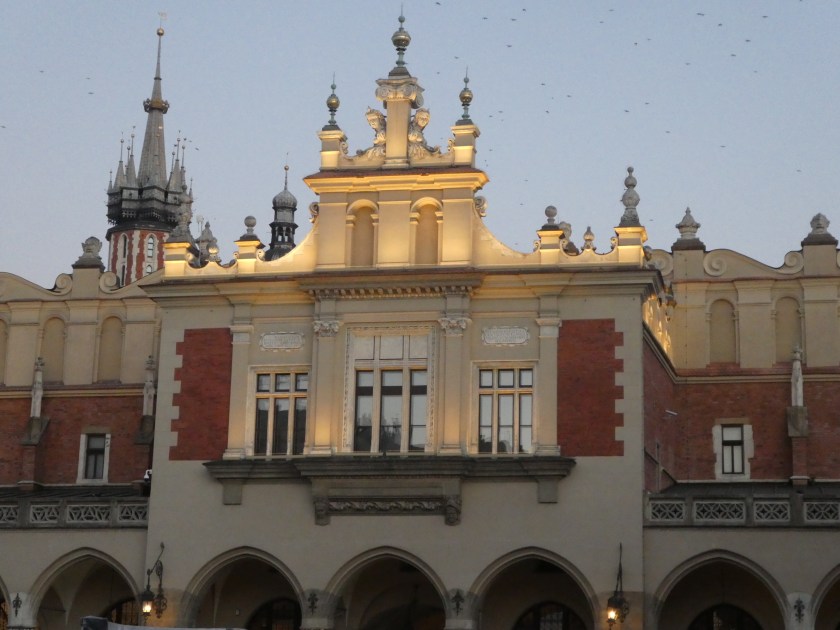
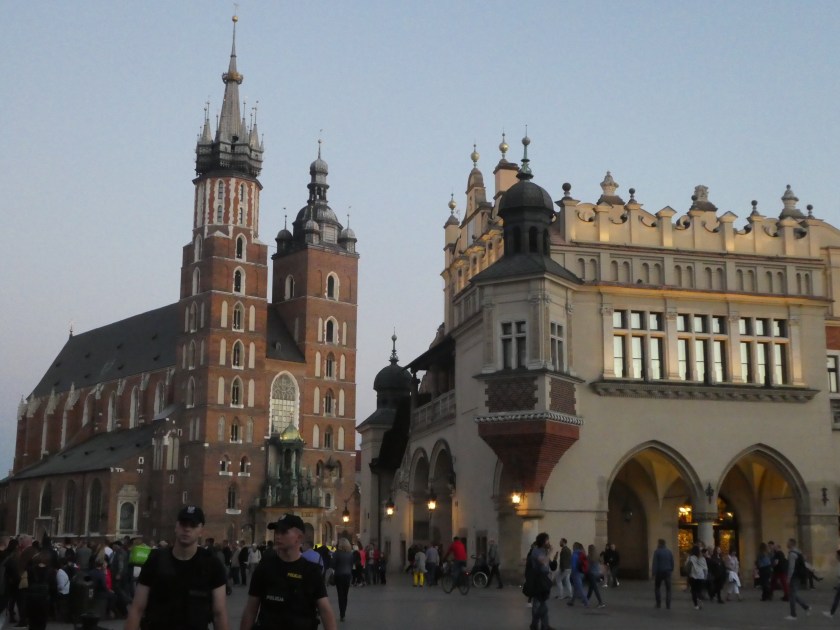
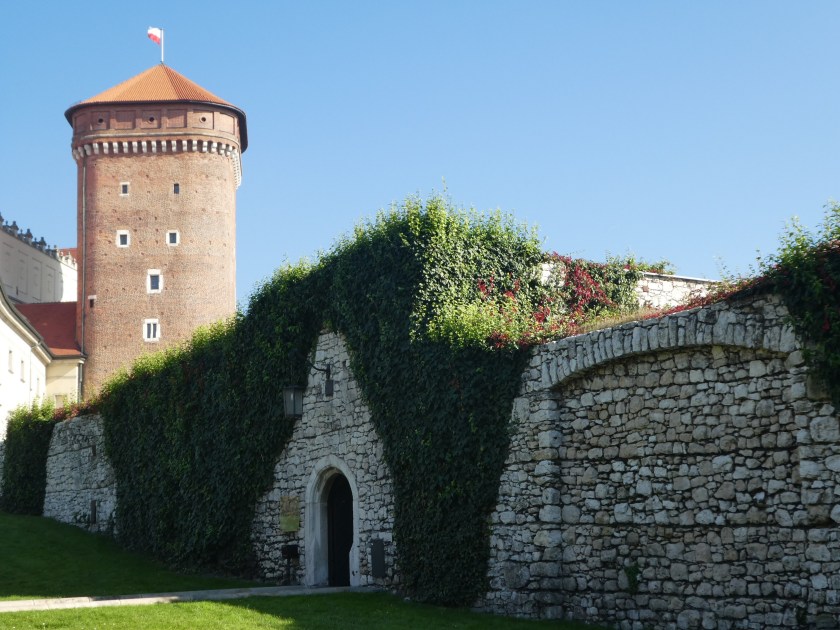
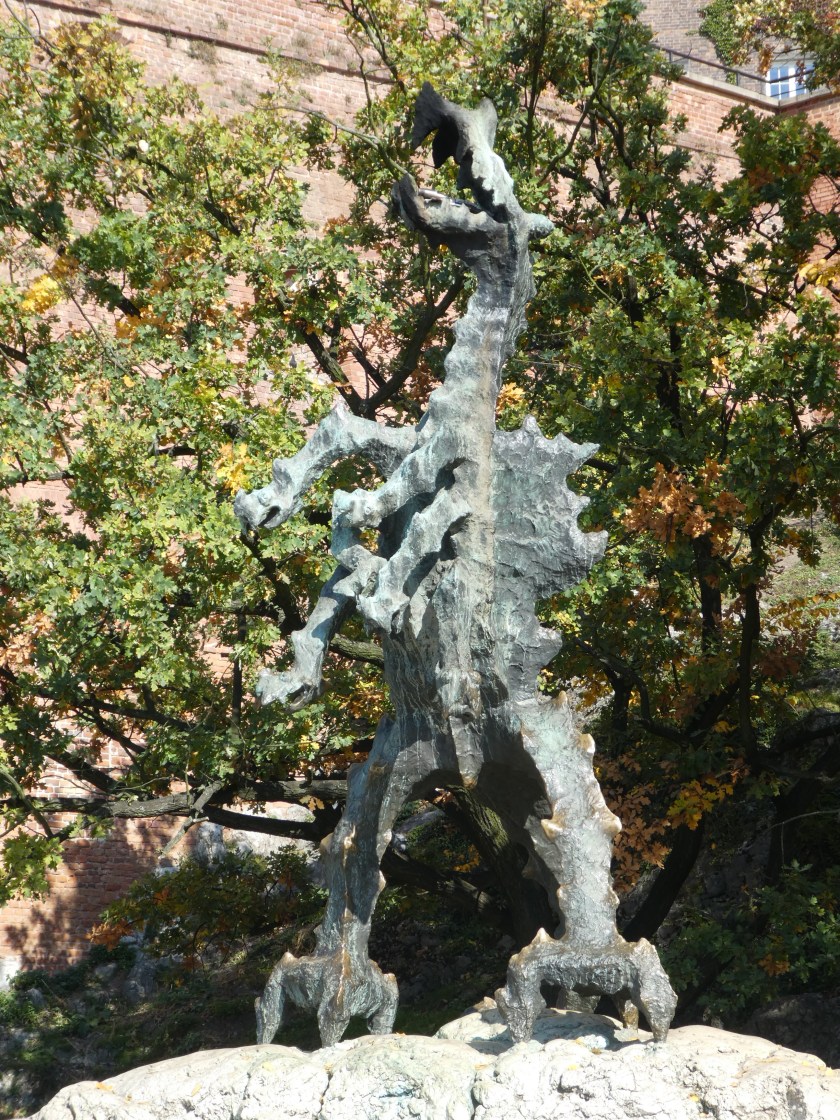
We went on two free (+tip) tours in one day. We toured the Old Town, then Kazimierz, the Old Jewish quarter and ghetto. The old town was once surrounded by a wall. The wall has been replaced by a wooded walking path and parks. The barbican, a fortified outpost, and several beautiful archways still remain. The 700 yr. old original “Cloth Market,” is now a series of indoor souvenir stalls. The 13th century town hall tower leans 55cm. to one side. The nearby, St. Mary’s Church clock tower rings out every hour on the hour. At this time, a bugler blows his horn from four windows facing each direction. His performance stops abruptly to commemorate a 13th century bugler that once saved Kraków from invaders by sounding an alarm on his bugle. He was shot through the throat and killed. The bugler plays from each window to honor the king and three other important people. The king resided in nearby Wawel Castle. It sits high on a hill overlooking the old town and faces Poland’s largest river, the Wisla. We checked out the river and a statue of a “fire breathing” (Yup. Every hour!) dragon.

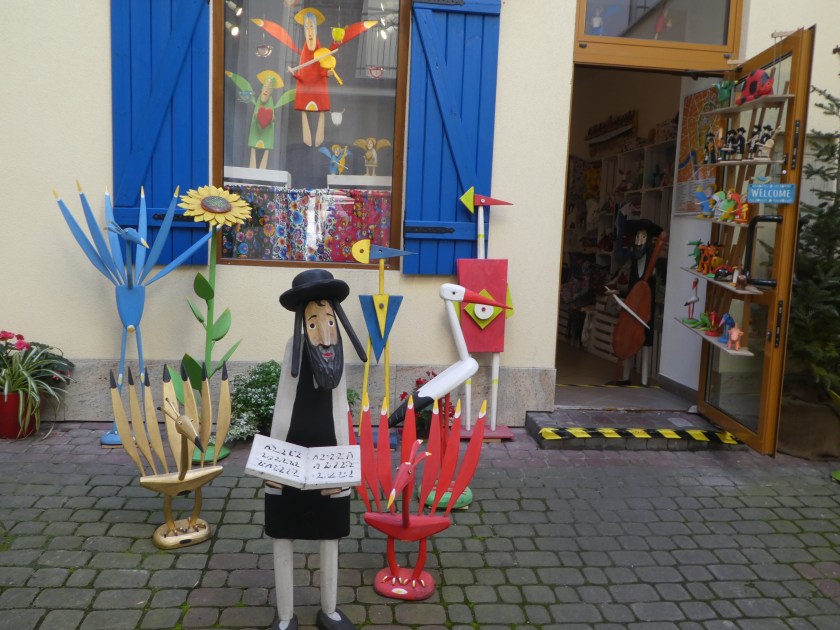
During the Jewish Kraków tour, we learned about some of the horrors and heroes of Kraków during WWII. Much of the movie “Schindler’s List” was filmed in the Kraków ghetto. Of the two movies depicting the Holocaust, “Schindler’s List” and Roman Polanski’s “The Pianist,” “The Pianist”is more accurate. Polanski was approached to direct Schindler’s List but he was too traumatized. As a child, he lived in the Kraków ghetto for two years with his family. One day his father helped him escape through a barbed wire section of fence, telling him to run and never look back. He directed “The Pianist” nine years after Schindler’s List was produced.

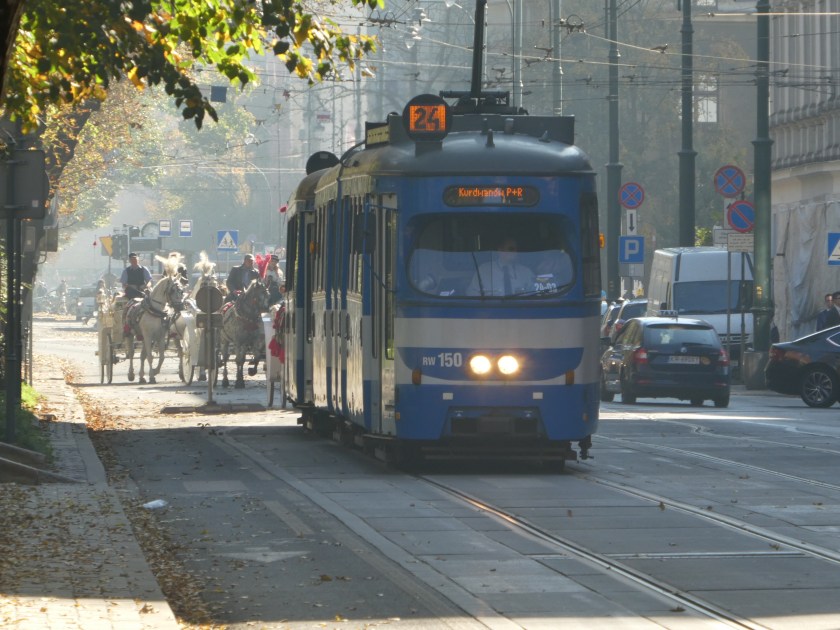
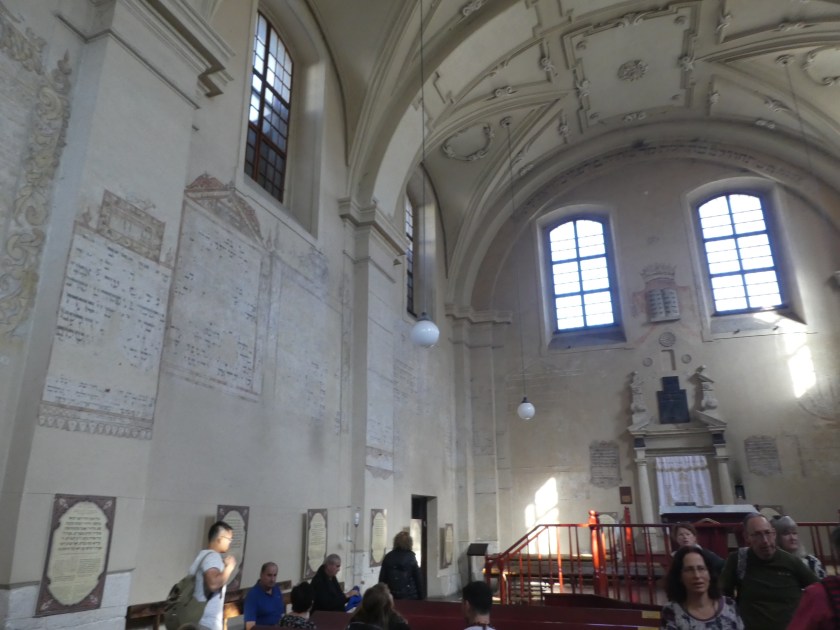
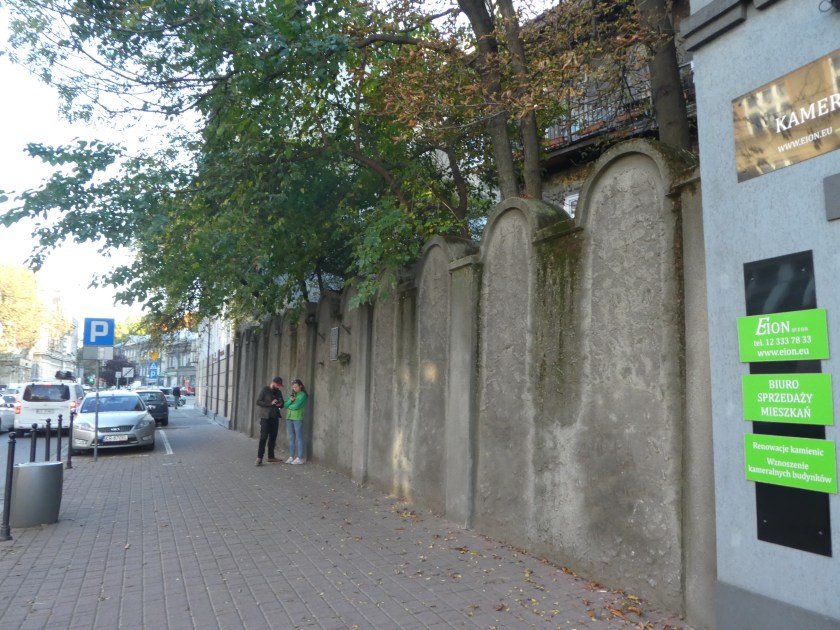
Life hung by a thread for people in the ghetto. The Nazis forced the Jews to build a tall cement wall around the ghetto in the shape of headstones, signifying imminent death. Over 80,000 Jews were forced into this ghetto and only about 3,000 survived. The plan was to gradually starve them by limiting their food intake to 250-300 calories per day. During the war, the tram was not allowed to stop in the ghetto. Sympathetic Poles threw food like potatoes and bread from the windows until a law was passed in 1941 forbidding anyone to help the Jews, under penalty of death. Tadeusz Pankiewicz, a Catholic pharmacist, used his business in the ghetto to smuggle medicines, food, hair dyes, and documents into the ghetto. He and his staff hid people facing deportation to extermination camps. He kept a diary and later wrote a book about his experience called The Kraków Ghetto Pharmacy. He was recognized as “Polish Righteous Among the Nations” by Yad Vashim of Jerusalem. Today, there are six Jewish temples in the Kazimierz neighborhood, but none are active. There are only 150 registered Jews and the population is declining.

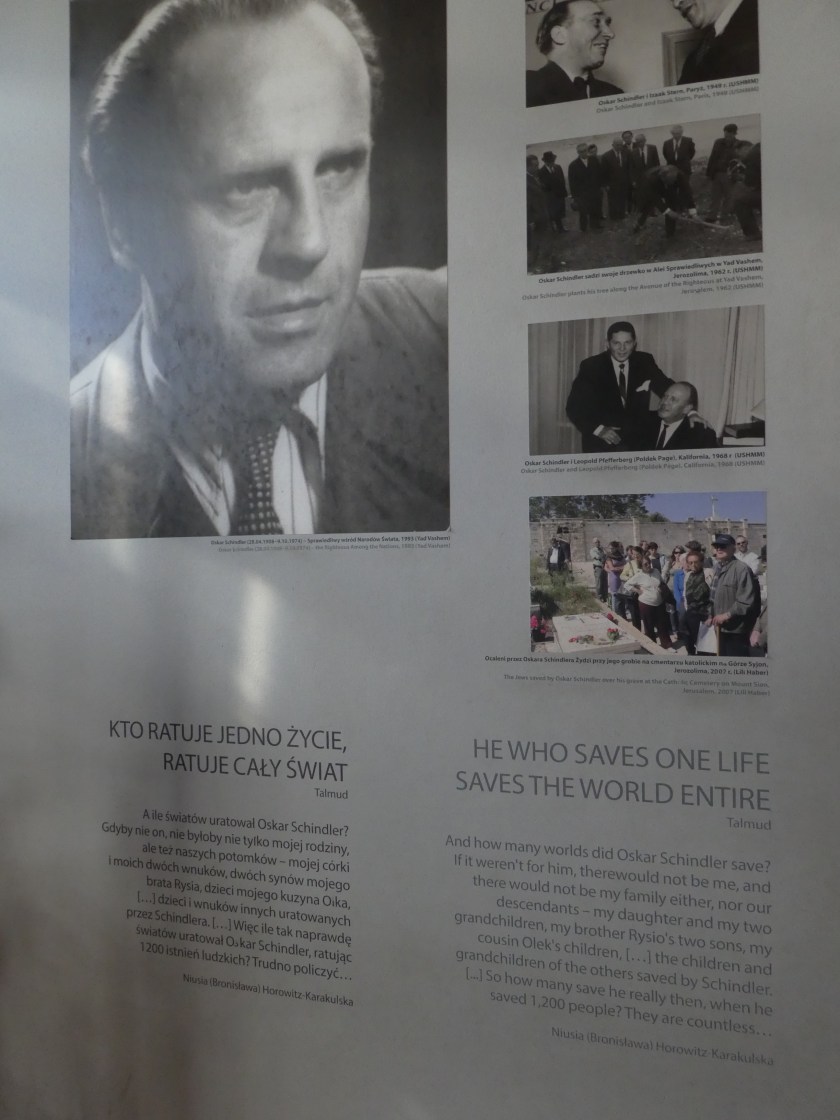
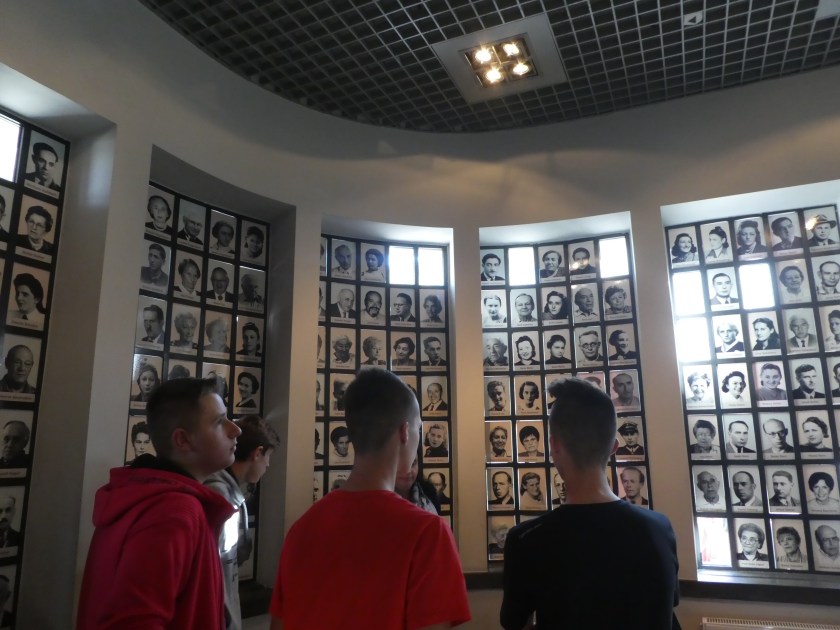
Another day, we visited Schindler’s Enamel Factory. Schindler saved more than 1,100 Jews from the gas chambers by using them as authorized workers. He moved his factory to the Czech Republic as the Nazis were just about to swoop in and kill his workers. The factory we saw is not the original building, and Schindler is not quite the hero we imagined him to be.

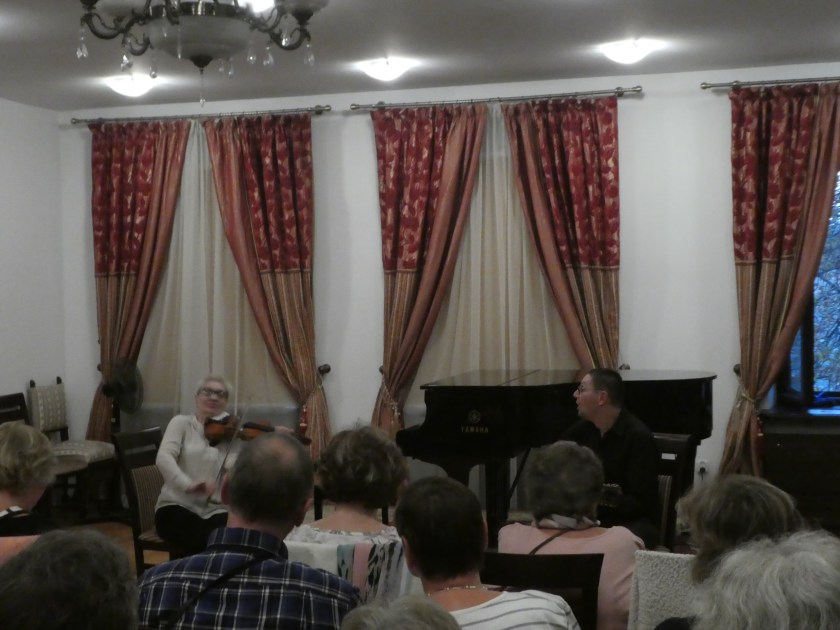
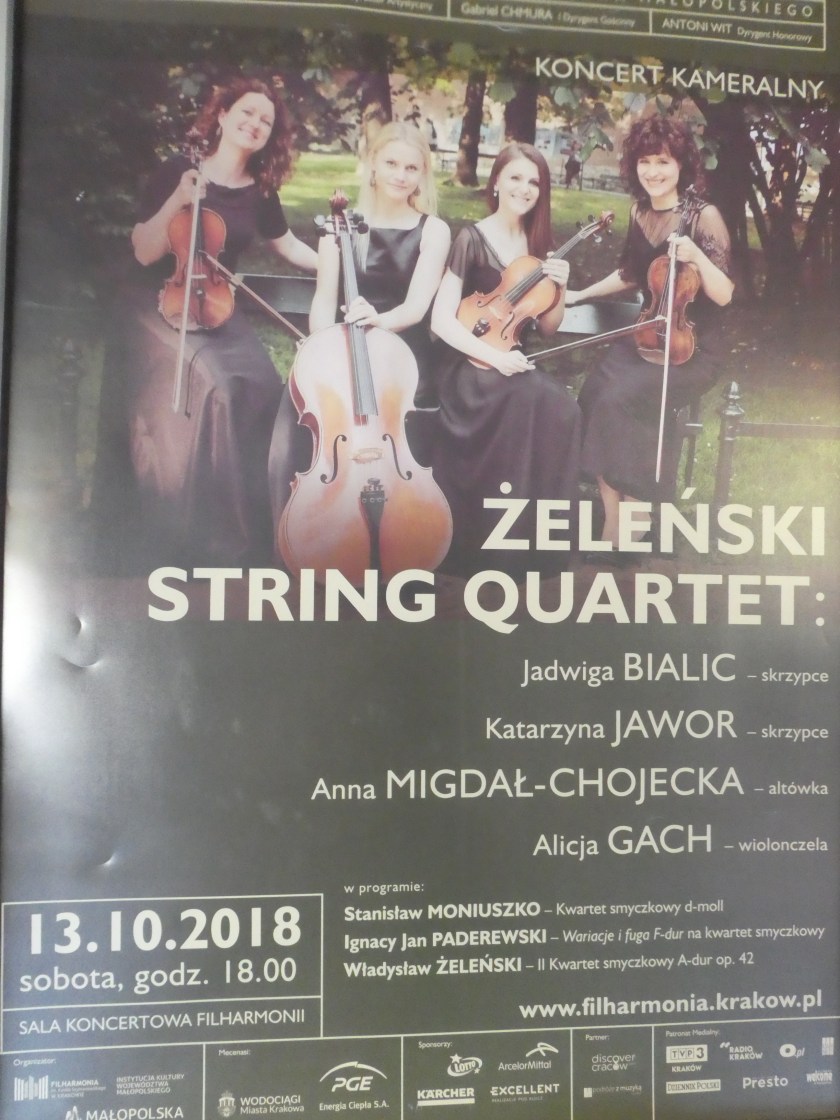
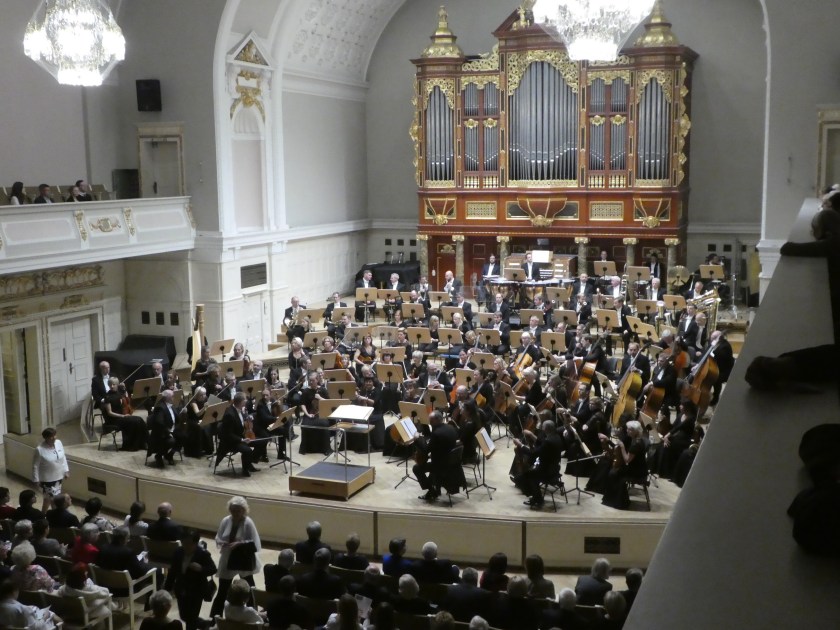
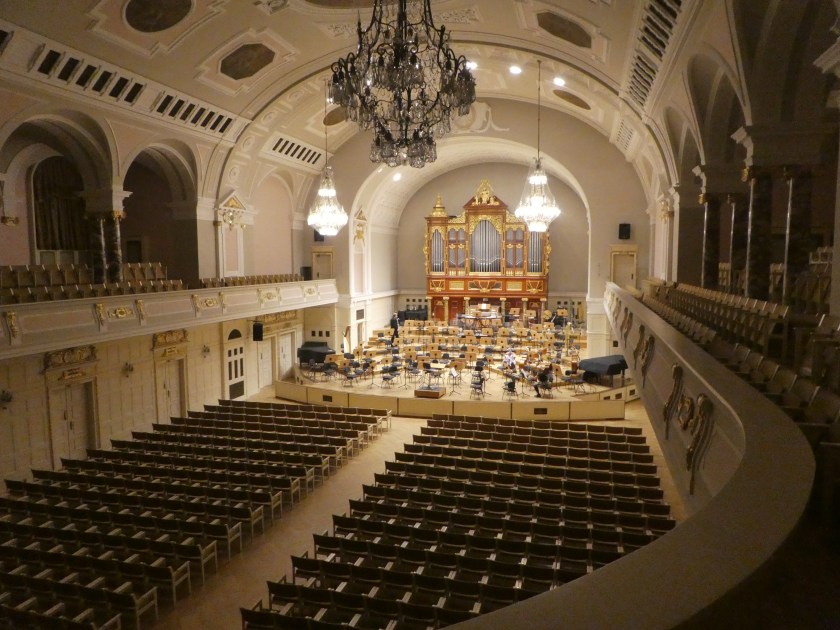
We attended two Klezmer concerts at a small music hall, and one string quartet concert at the Kraków Philharmonic. Klezmer is basically Jewish jazz, featuring violin or clarinet. The vocals are in Yiddish. The music is very stirring. The Zelenski String Quartet performance was flawless.

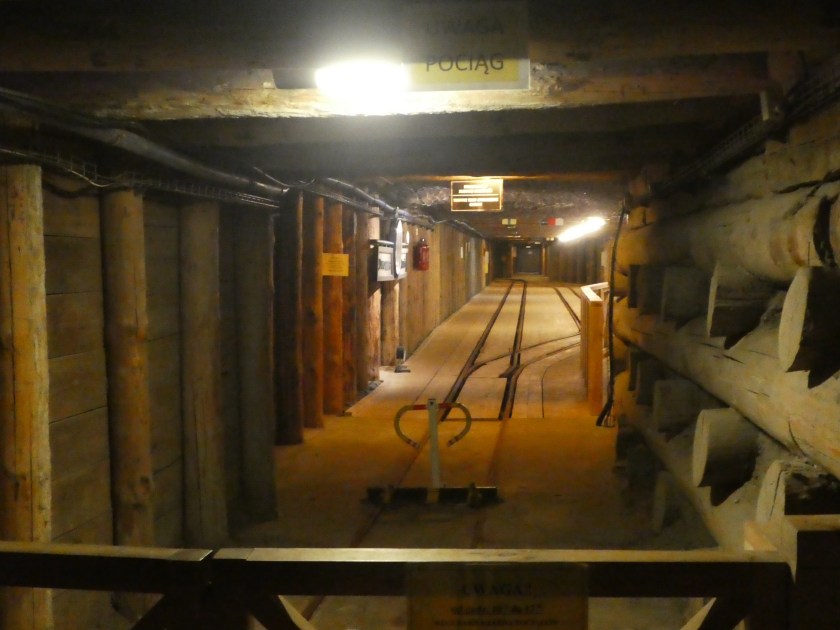
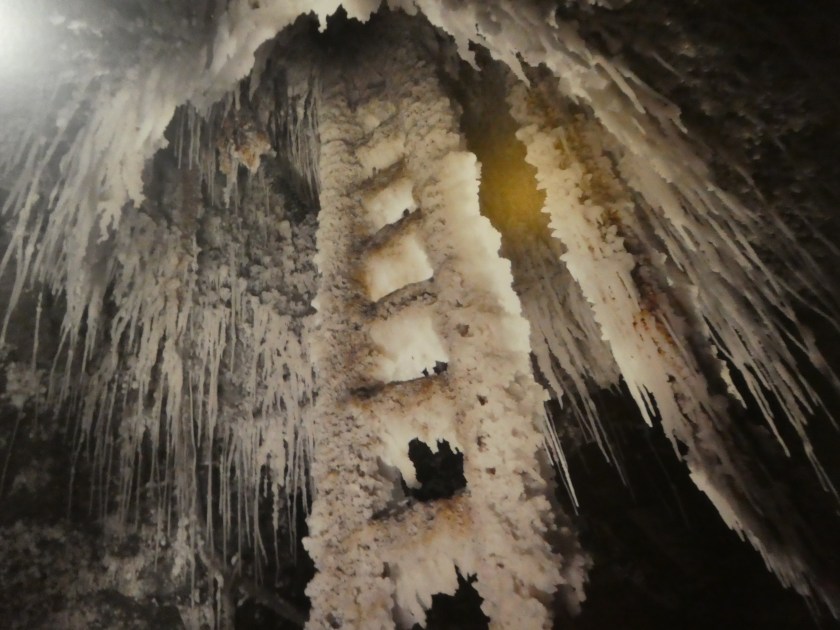
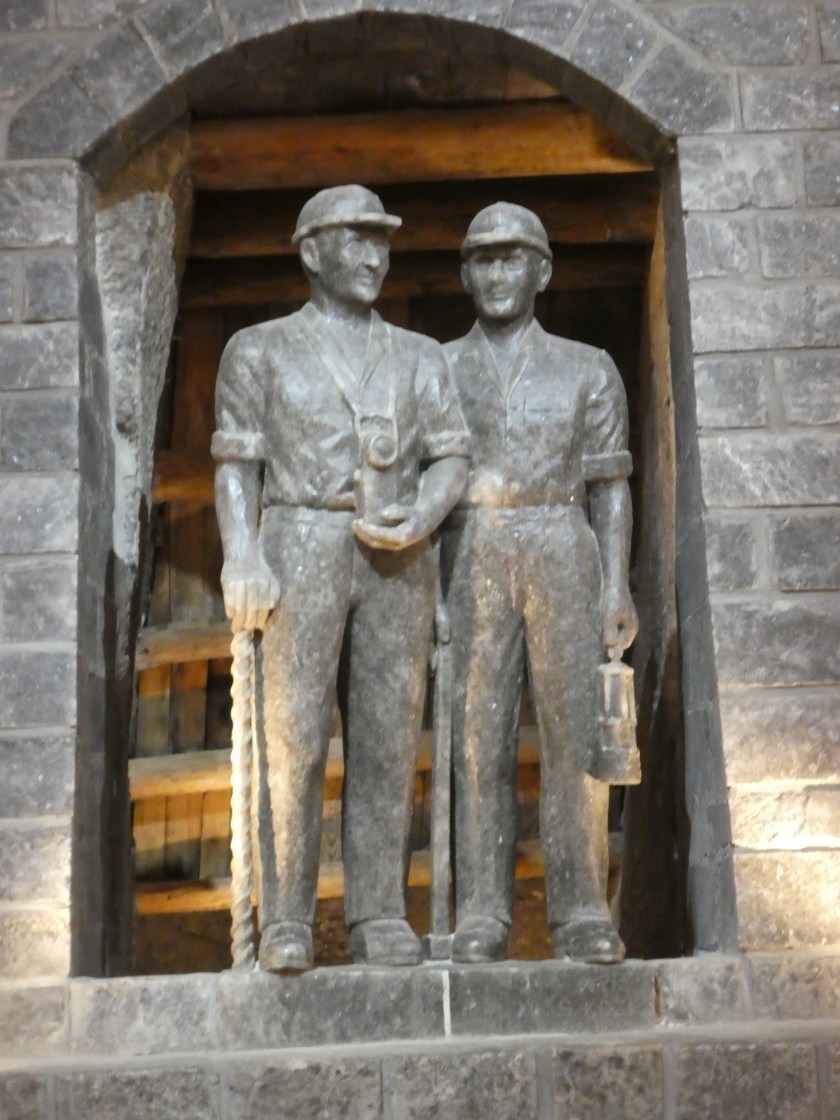
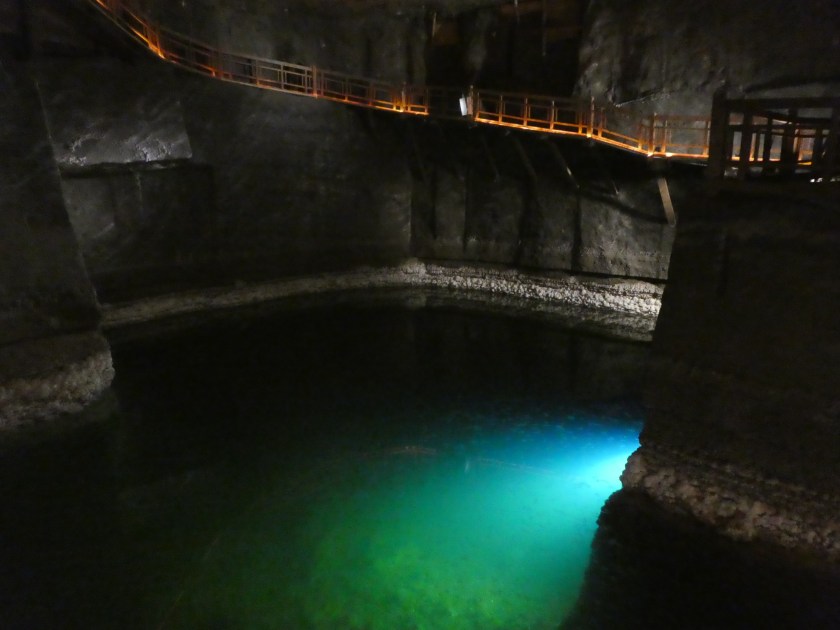
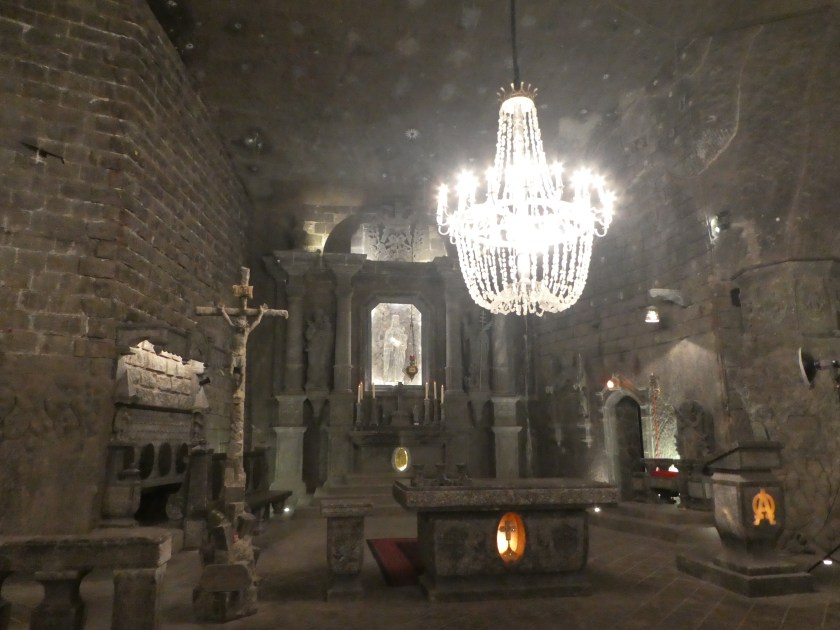
We went down into one of the world’s largest salt mines, the Wieliczka Salt Mine, active for over 700 years. It was interesting to follow the miner’s route nearly 3 km, and drop to the third level, down over 800 stair steps. We were so glad to take an elevator UP! Stalactites “grow” so quickly they have to be cleared from the ceilings every three months. The stalactites are actually hollow, so they are perfect for drinking tequila! The miners’ work was back breaking and dangerous. Many died from fires or methane explosions. They prayed in forty chapels, scattered throughout the mine. They used horses to pull cartloads of salt along rails. During one period, sixty horses lived underground. It was too difficult to get them up and down, so they had underground stables and carried down feed. We saw three beautiful, glowing “brine lakes” in the mine.

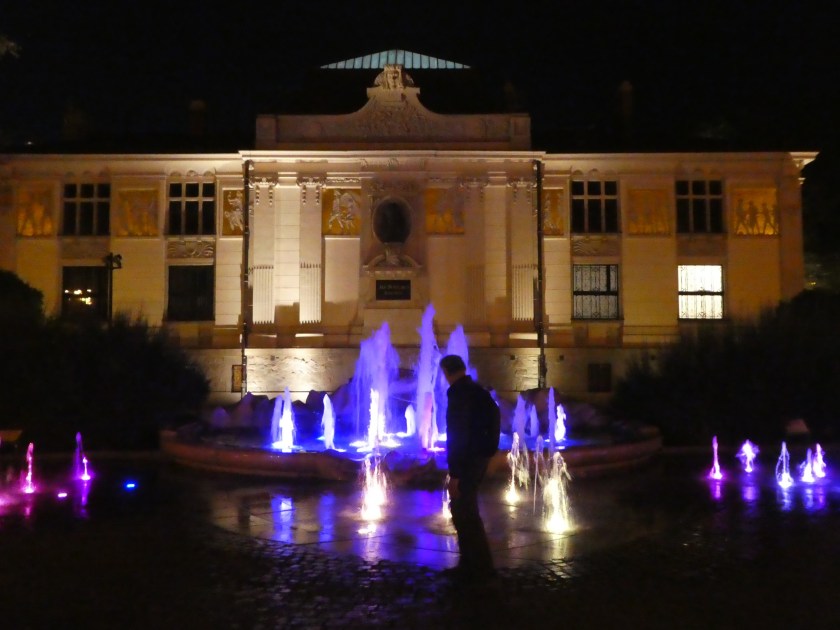
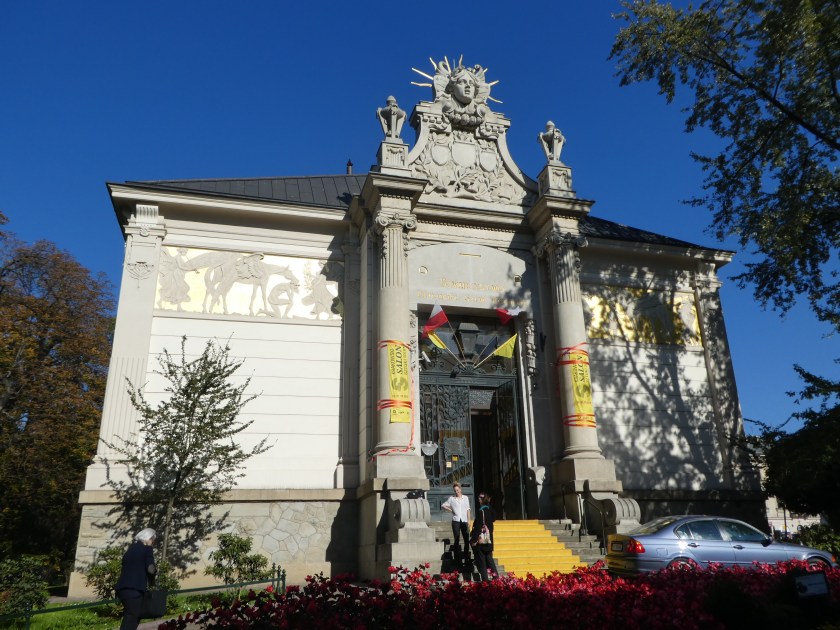
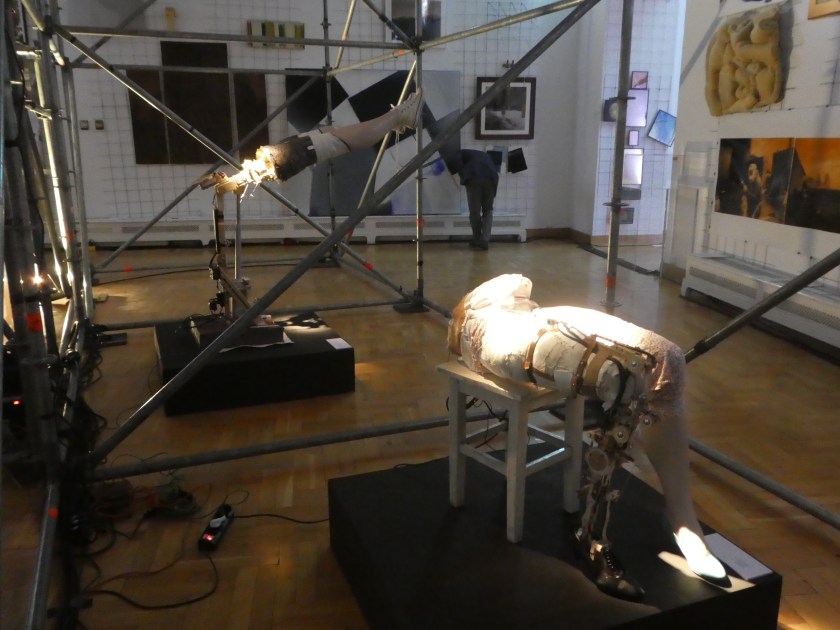
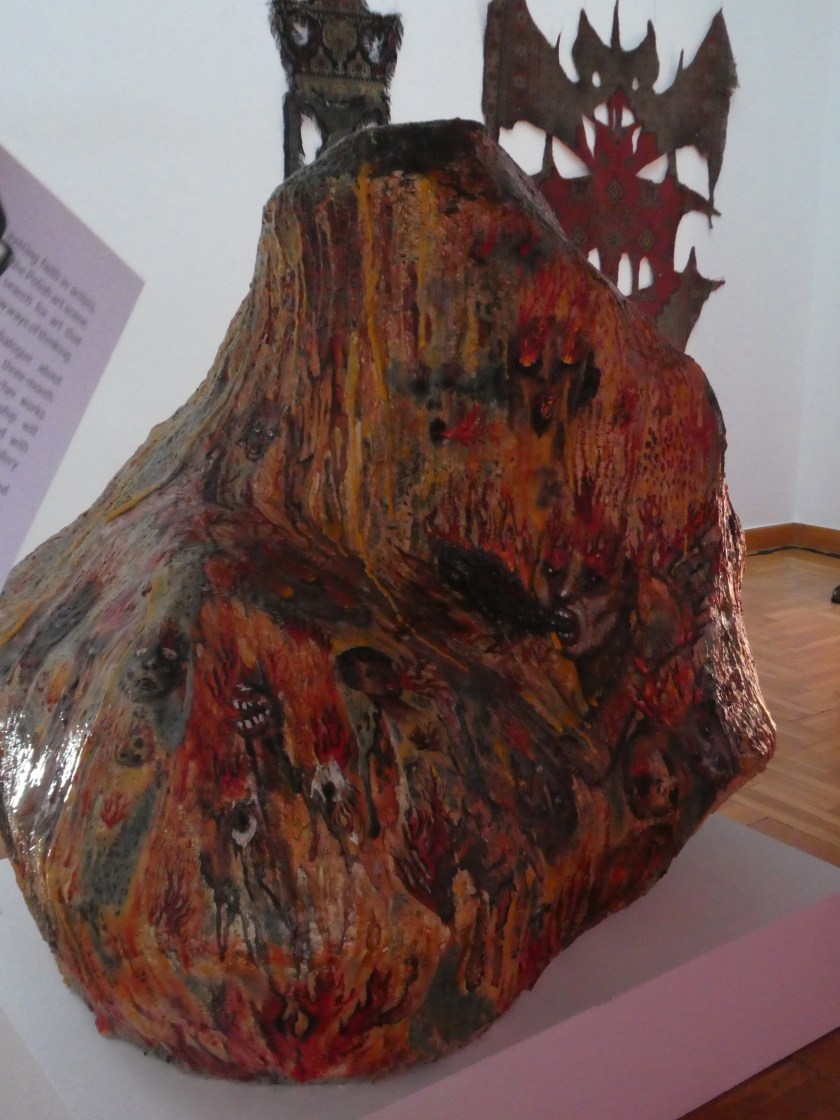
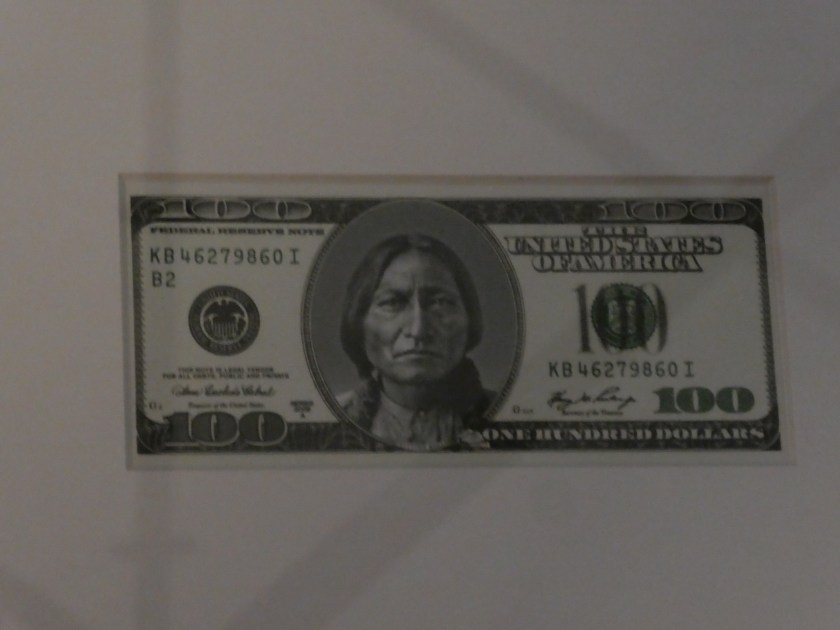
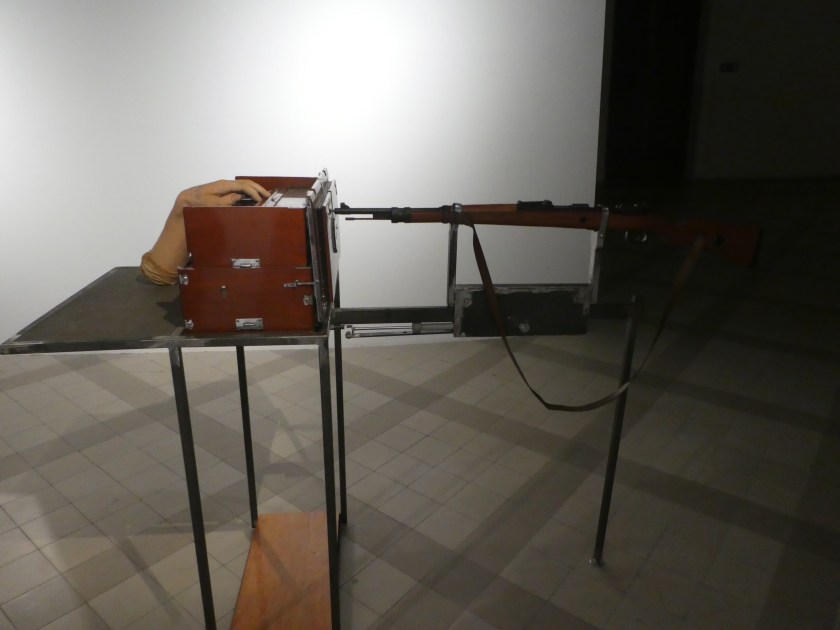
We saw a modern art exhibition at the Palace of Art and were asked to cast a vote for our favorite artist. It was opening night, so they offered us red wine to sip as we wandered around. Bruce chose legs, one pair in tennies, exercising, and another in heels. Linda chose a rock dripping with candle wax and painted with what looked like a scene from a level in Dante’s Inferno. There were short movies, paintings, sculptures, and all sorts of head-scratching exhibits. We had a second glass of wine and enjoyed the experience.

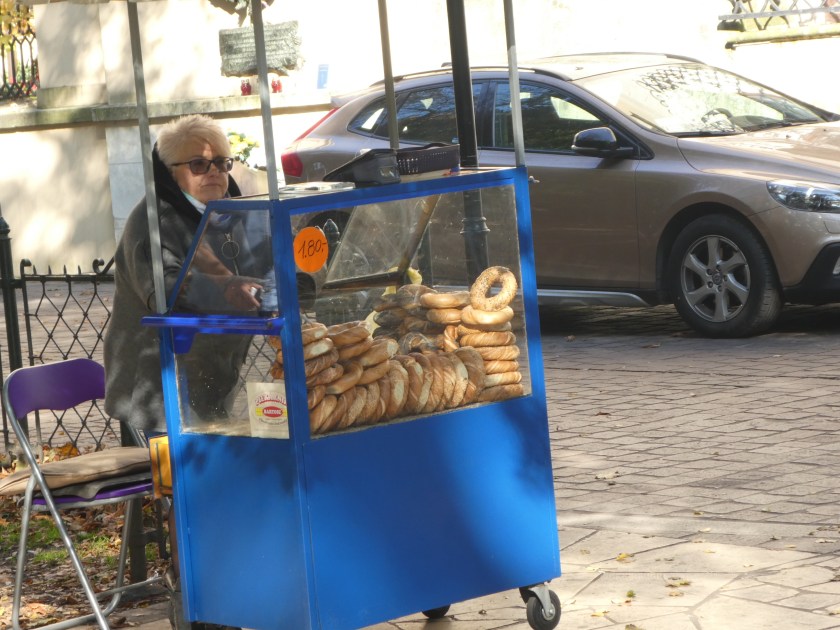
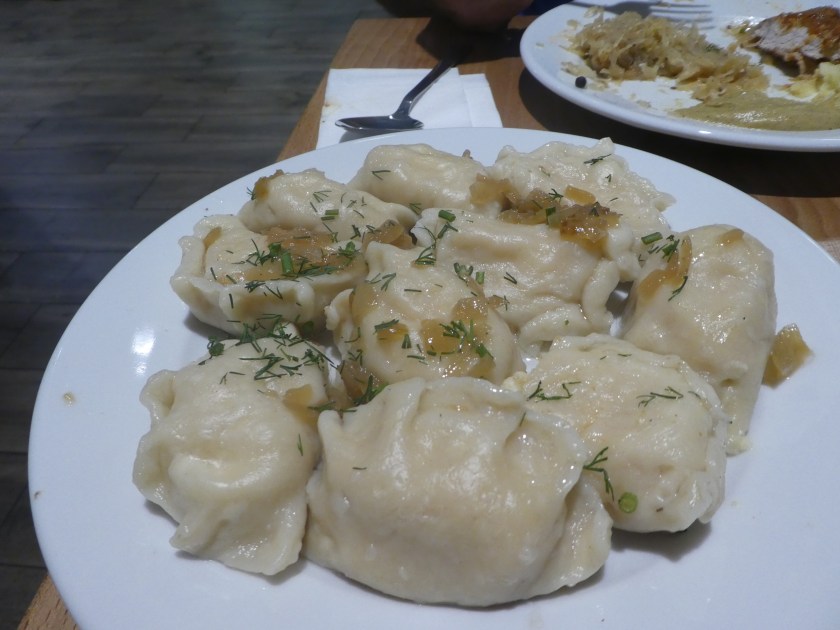
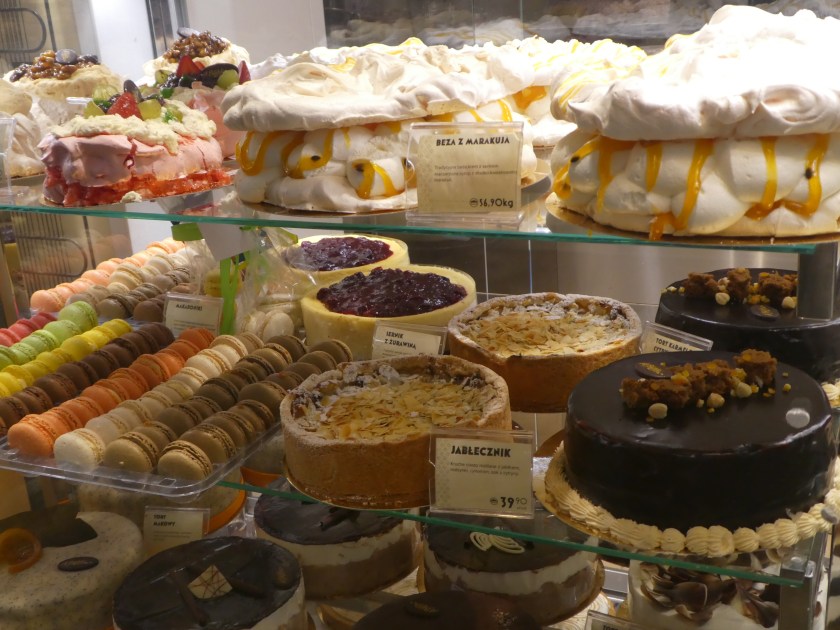
We ate the best Polish cuisine near Kraków Glowny, the train station. We have had several kinds of pierogi, schabowy-breaded pork cutlets, kielbasa, and yummy mashed potatoes. We tried obwarzanek, the Polish equivalent of a pretzel, baked only by specially licensed bakers and sold from street carts. We really enjoyed zapiekanki, one side of a foot long baguette piled high with melted cheese and your choice of toppings. They might include caramelized onions, mushrooms, meats, pickles, tomatoes , etc. It was a fun filled, tasty last week in Poland.

We will rise at 2:30am and walk to the train station. Ugh. Linda is hunting for her “anti-aging” cream and Bruce will probably never fall asleep. 😁 Ha! We will board our flight back to California at 6:40am. It has been a wonderful trip. We hope you enjoyed our travels from the comfort of your own homes! We look forward to seeing family and friends soon.

Love, BnL
Loads to do in Lodz (Poland, NE Eur No 13)

Dear Friends and Family,

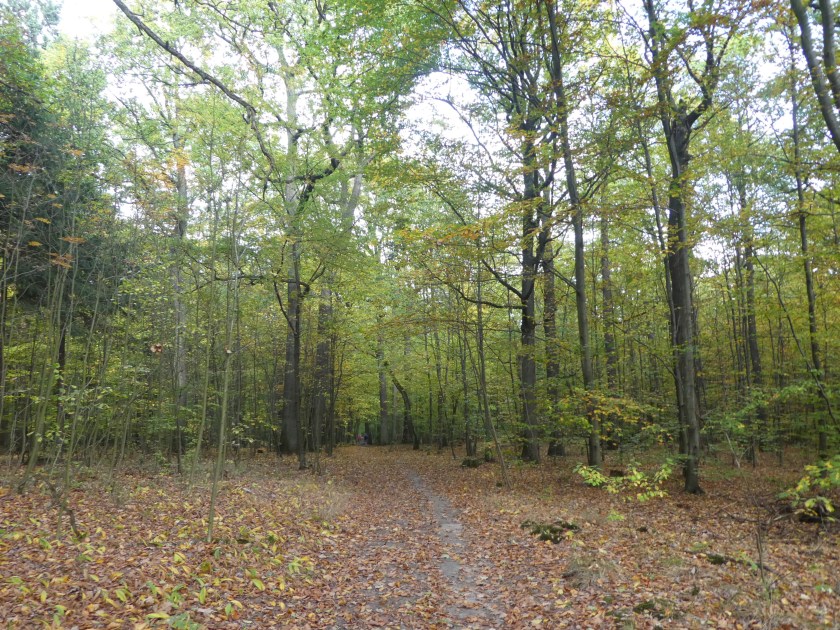
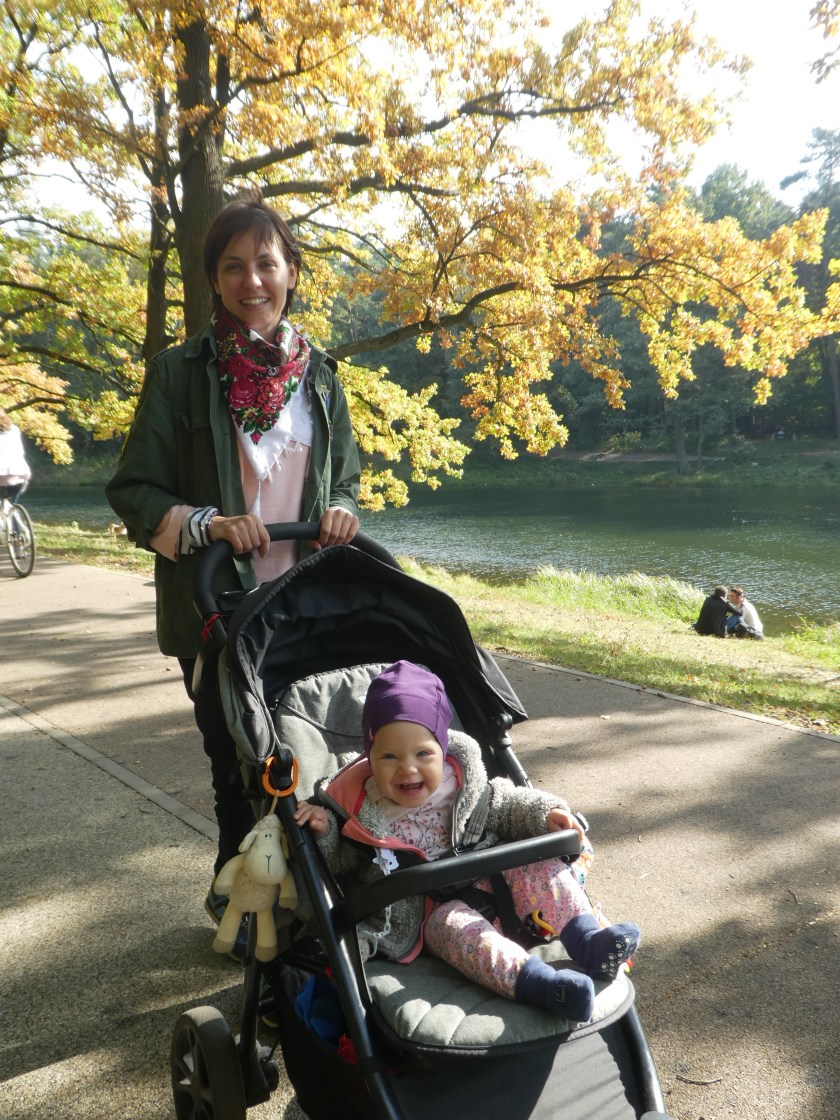
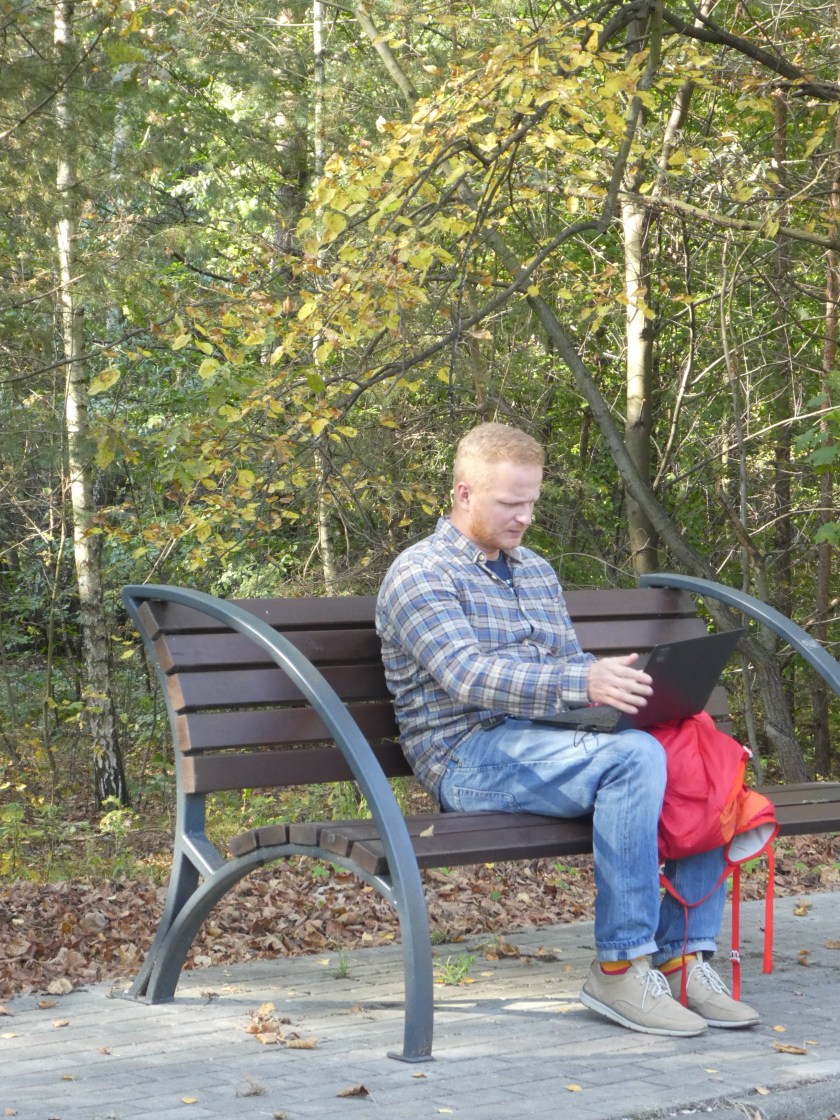
Our new friend Rafal’s hometown is pronounced Woodge, but spelled Lodz. We had an good time here, thanks largely to the hospitality of Rafal, (pronounced Rafaow), his wife, Ala (short for Alicia) and their darling 10 month old daughter, Lucy (pronounced Wootsie). Forgive us, Rafal, if we still don’t have it right! They picked us up at our Lodz Centrum B&B Hotel and drove us to Lagiewniki Park, where we all hiked along level forested trails for most of the day. Ala pushed Wootsie in her stroller, and we all laughed and talked about anything and everything in the beautiful fall weather. At the end of the trail we shared a beer. This is practically a Polish tradition. Alicia works in logistics. Poland entitles her to one year of maternity leave. Rafal is an IT troubleshooter. He had to occasionally take a work call and solve a computer problem, and his laptop eventually ran out of power. He had to hurriedly drop us off near Fabriczna train station and get back in touch with his company. We needed to change our train tickets to Kraków, so this drop off was ideal for us. We hope to host Rafal, Ala, and Lucy someday at our Klamath River home. We were so happy to have met this sweet family and visit their hometown! There was much more to see and do than our schedule permitted, but we thoroughly enjoyed our limited time there.

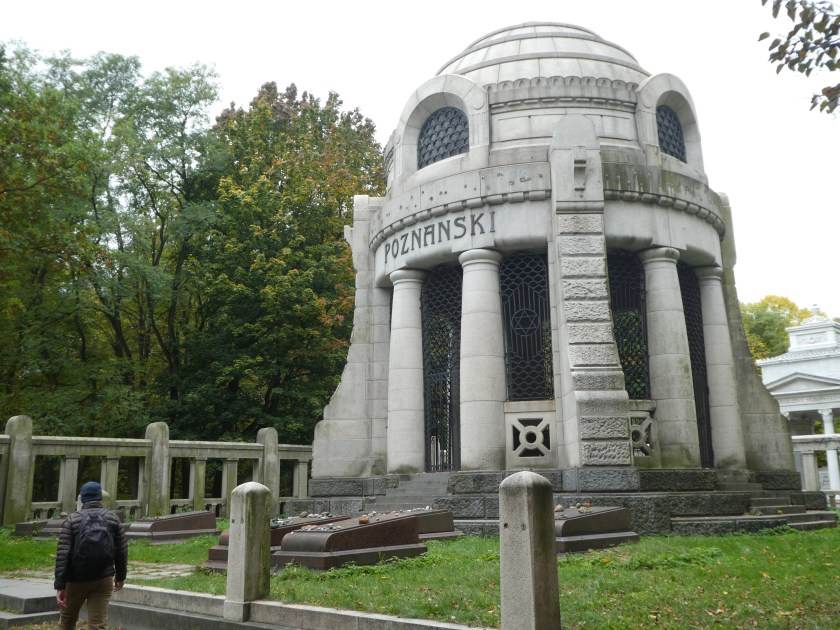
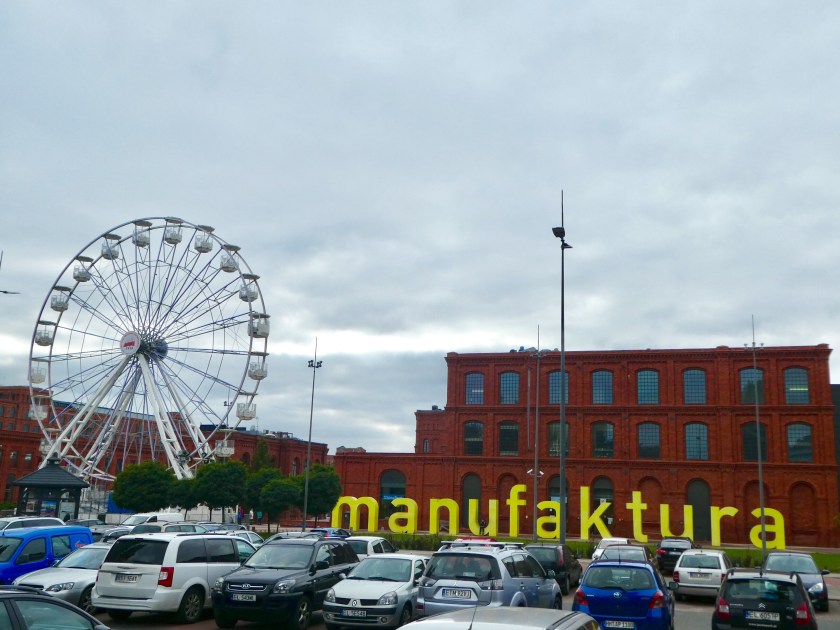
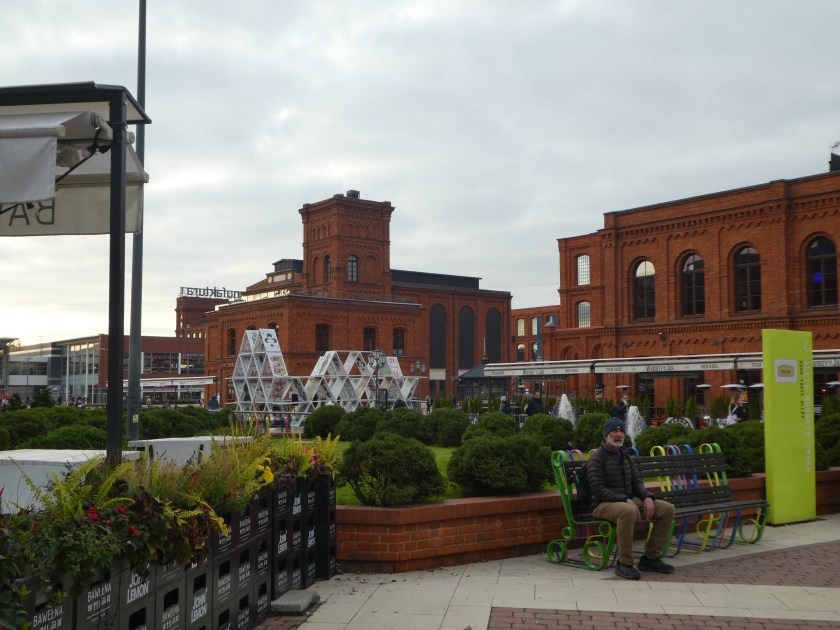
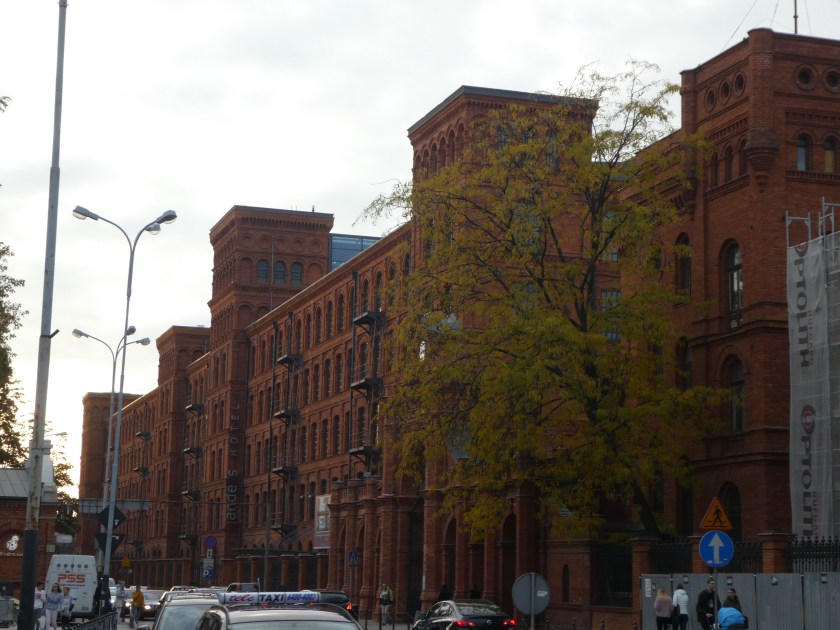
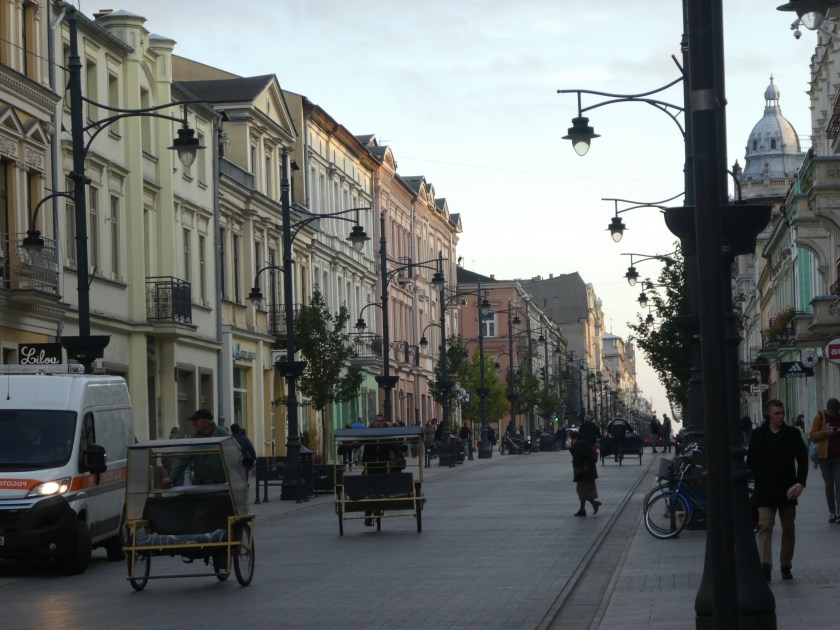
When we first arrived at our hotel on Saturday night, we walked over to the nearby, “Manufaktura,” an enormous mall that used to be a huge textile manufacturing plant. It was originally owned by Israel Poznanski, a wealthy Jewish merchant. He was laid to rest within the largest mausoleum in the Lodz Jewish cemetery. Manufaktura may be the the biggest shopping mall in the world. At least it seemed so to us. Huge red brick buildings surround a large, open plaza with a Ferris wheel, a merry go round, a large fountain, and a movie complex. There’s a giant exhibit of playing cards, shaped like a house of cards, that light up sequentially , to music. There are coffee houses, restaurants, and pubs along the exterior, with tables, umbrellas, and gaslit torches for added ambiance and warmth in the evening. Neon lights glow pink, purple, red, green, and blue around the square and over the main gate. The main building houses a large interior mall with the biggest supermarket we’ve seen in Poland. It was like three superWalmarts in one store. They had a fashion show going on near the superstore that people watched from several mall levels. Pencil-thin models pranced down a runway to the sound of rock music from high volume speakers. It was an engaging display. Why aren’t these fashion shows more inclusive? We also explored a section of the colorful Piotrkowska St., the longest pedestrian street in Europe. Two days later, we decided to deal with a much more significant issue.

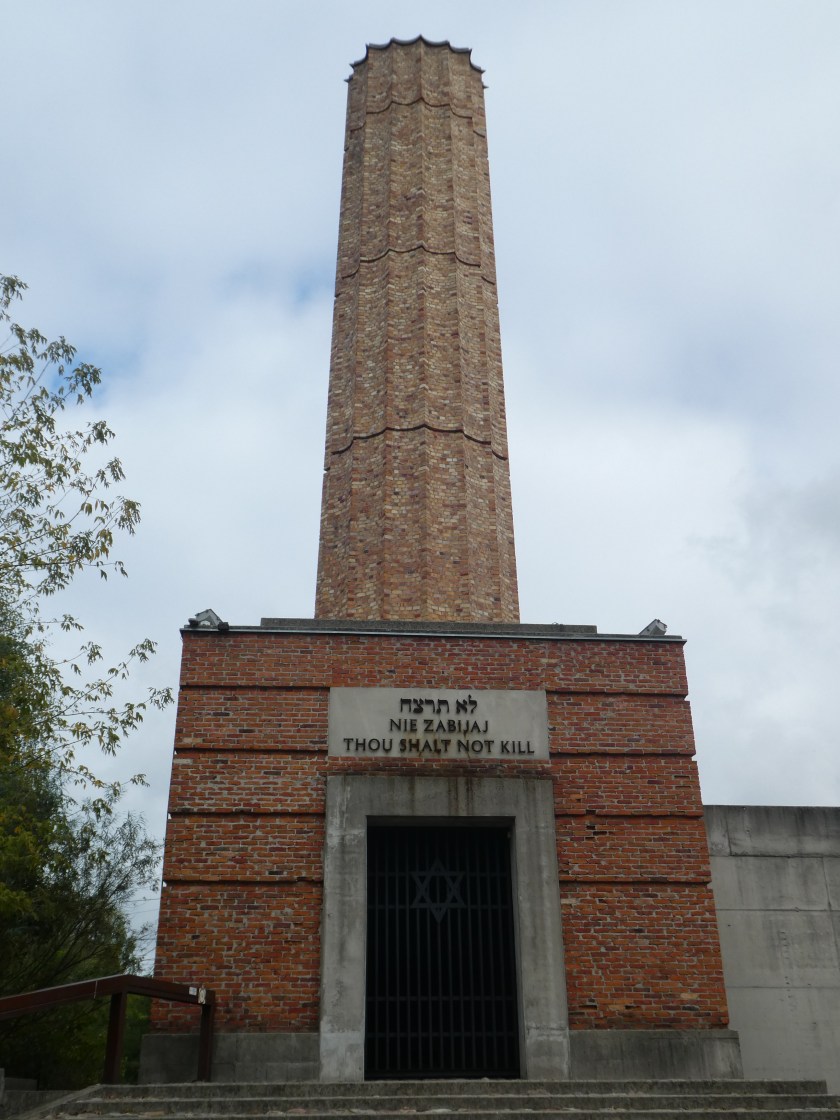
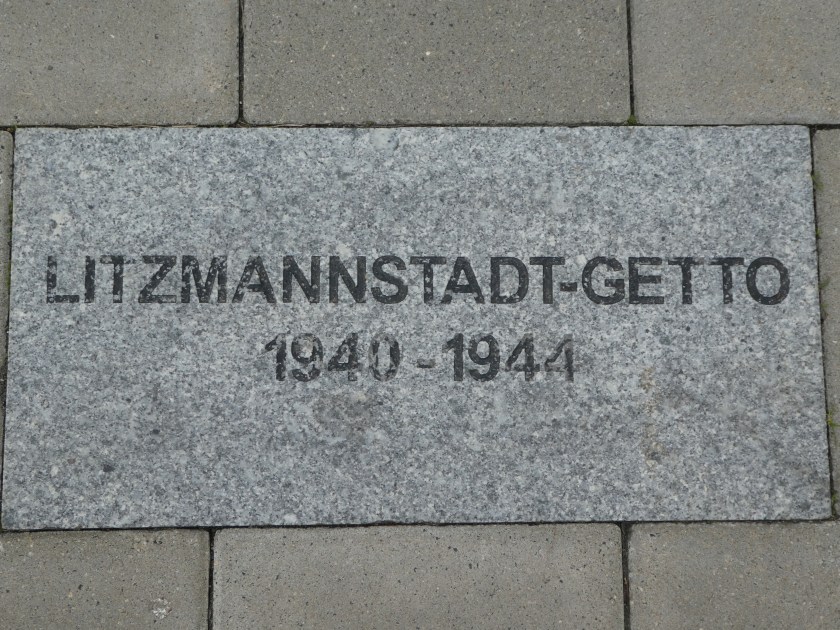
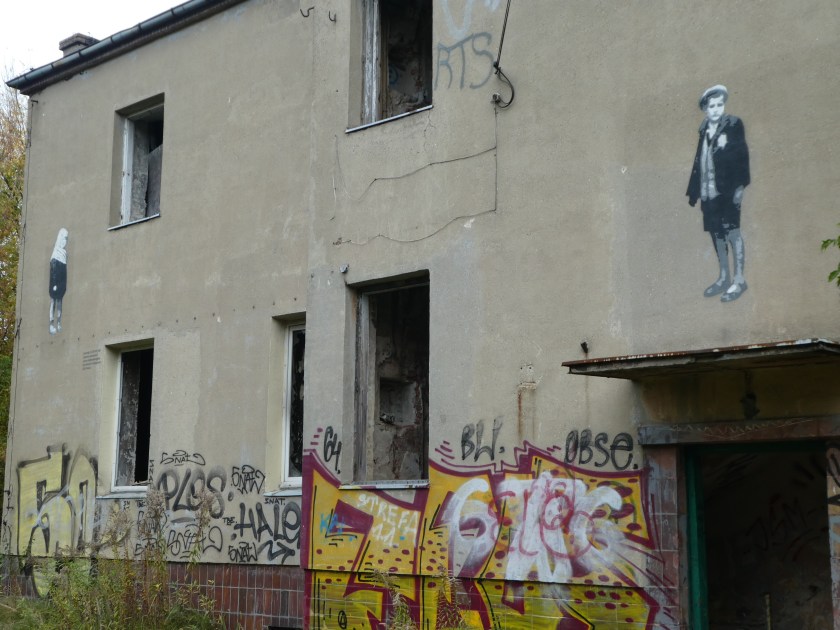
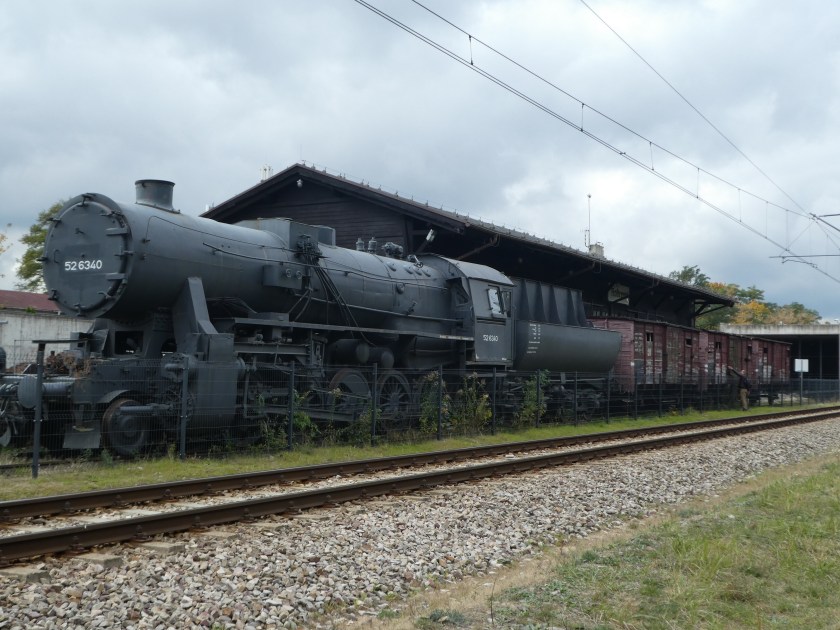
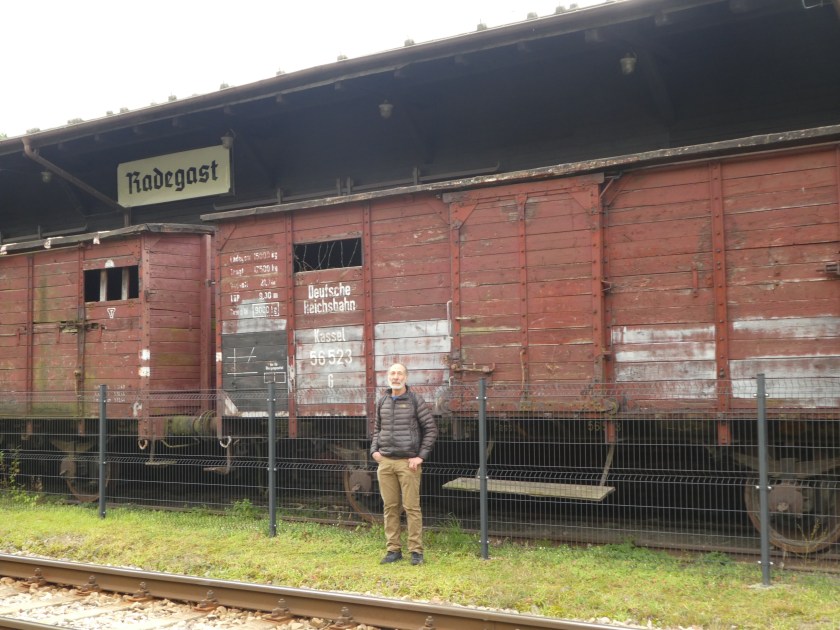
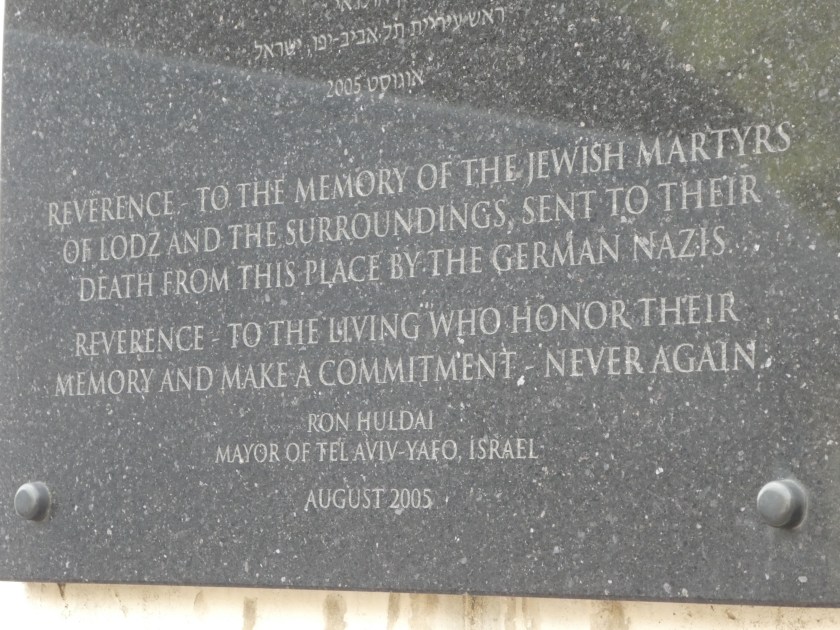
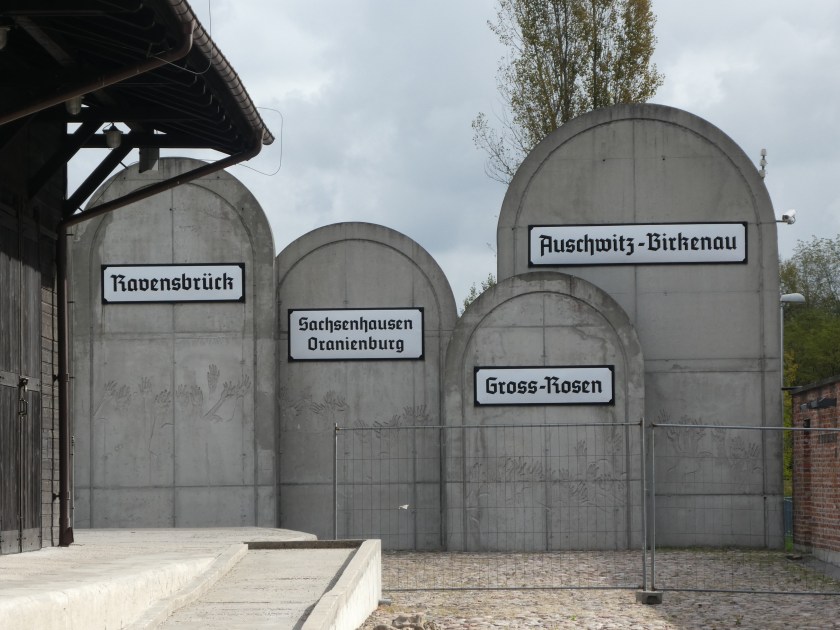
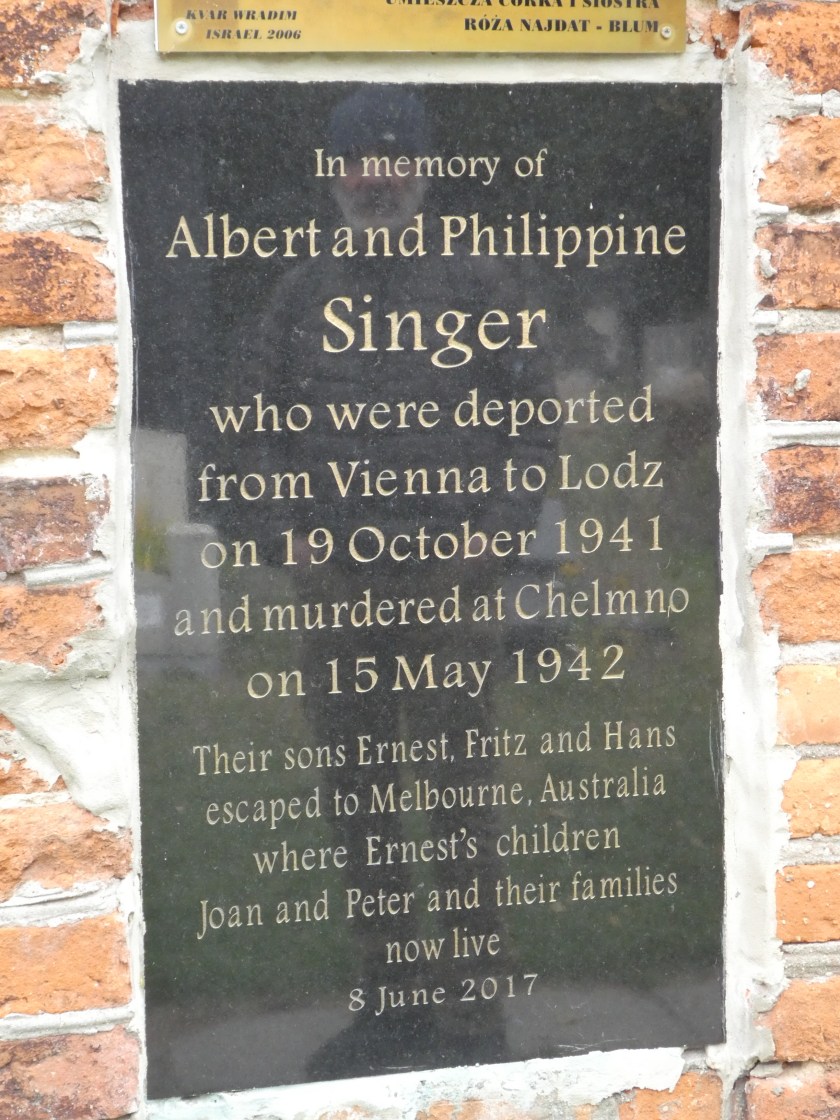
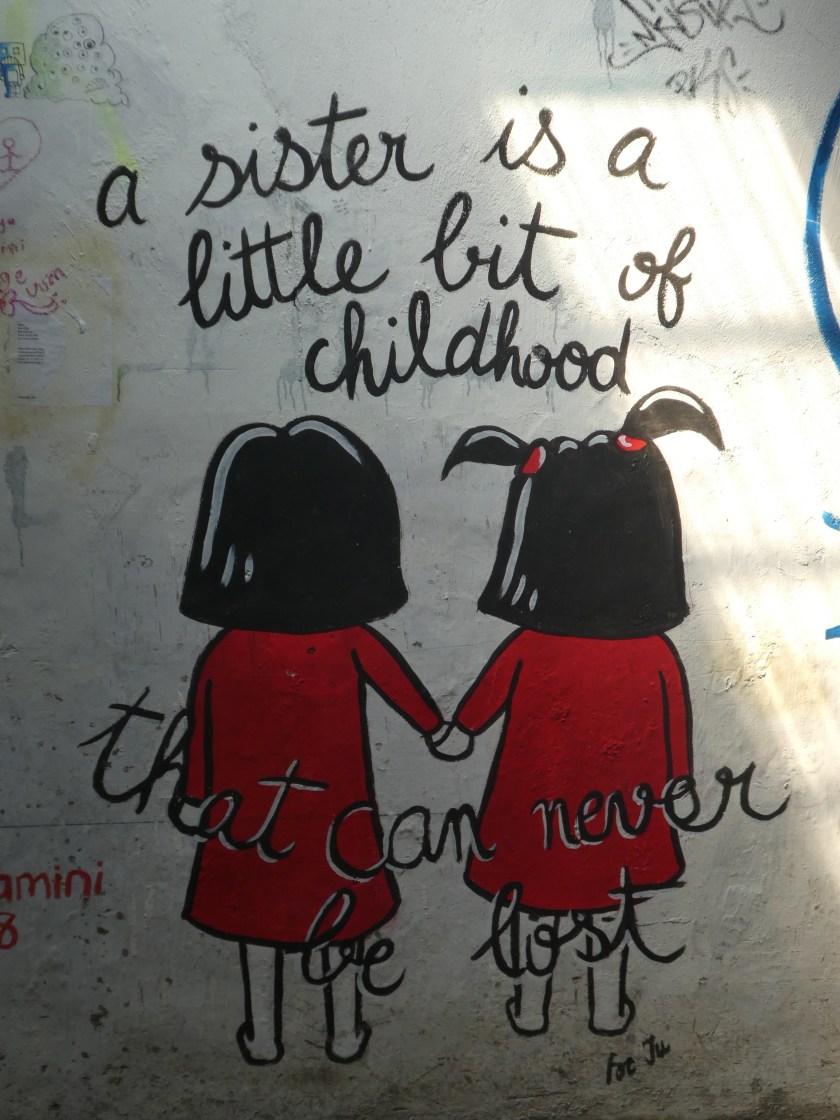
The Litzmannstadt neighborhood was originally named Baluty, but the Germans renamed it when they turned it into a ghetto. With approximately 230,000 Jewish occupants, (one-third of the entire city), It became the largest ghetto in Nazi controlled Europe. Thousands more Jews were shipped into the ghetto from other areas over a period of five years. We spent most of a day here. The approximately 10km. area includes Radegast (train) Station, where 200,000 Jews were sent in cattle cars to their death at the extermination camps of Chelmno, Ravensbruck, Stutthof, and Auschwitz. The station is now a place of remembrance. We saw 3 cattle cars and a locomotive used for transport beside several enlarged gravestones, inscribed with the names of the death camps. There was a mural of two children on a crumbling building. It is one of several murals throughout the ghetto remembering the children of Baluty, who were transported to the gas chambers.

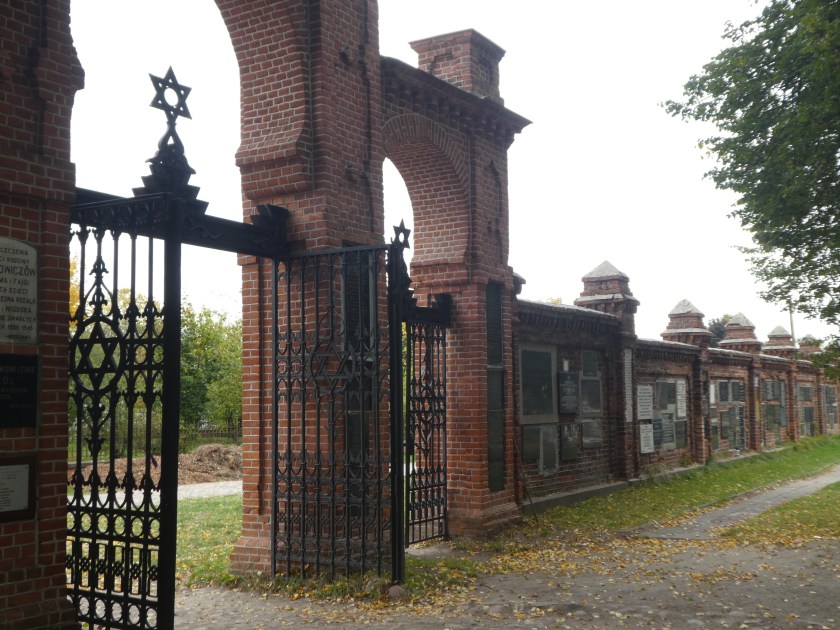
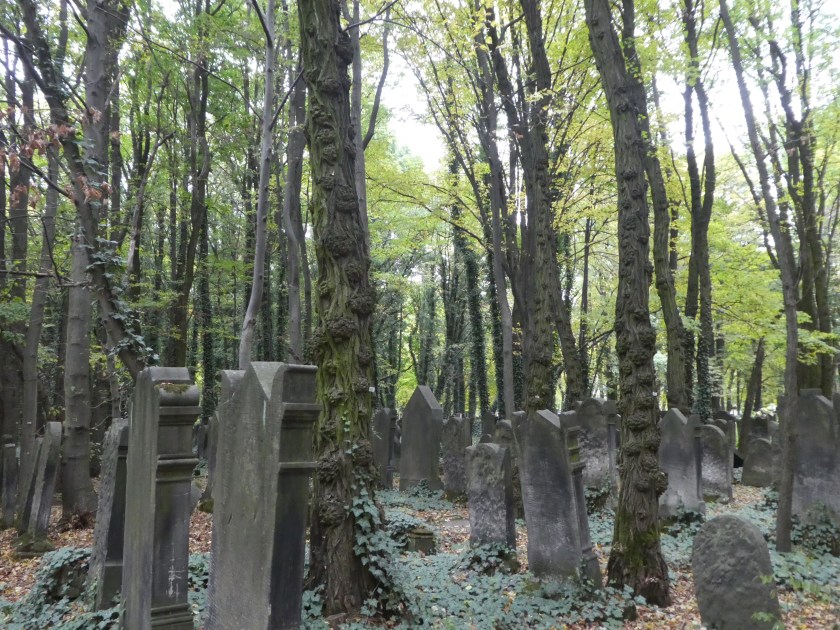
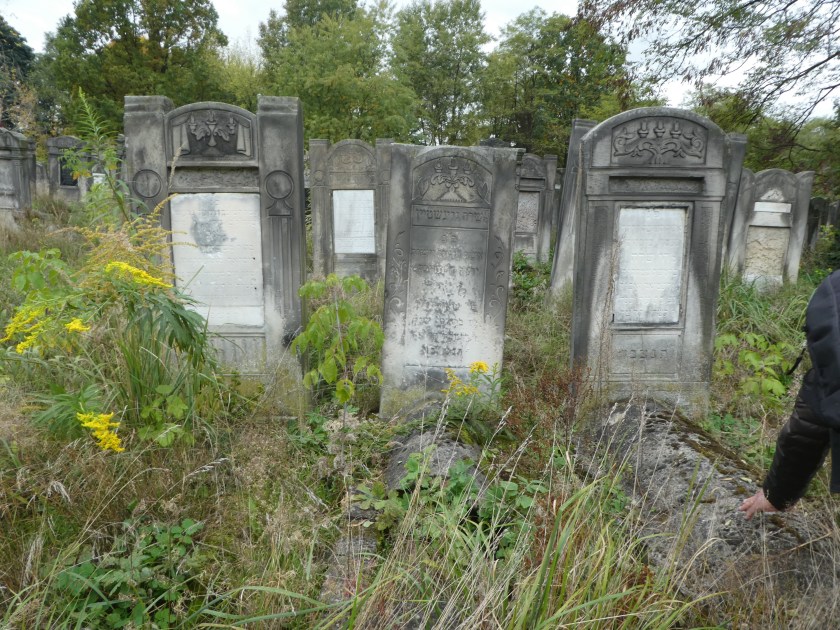
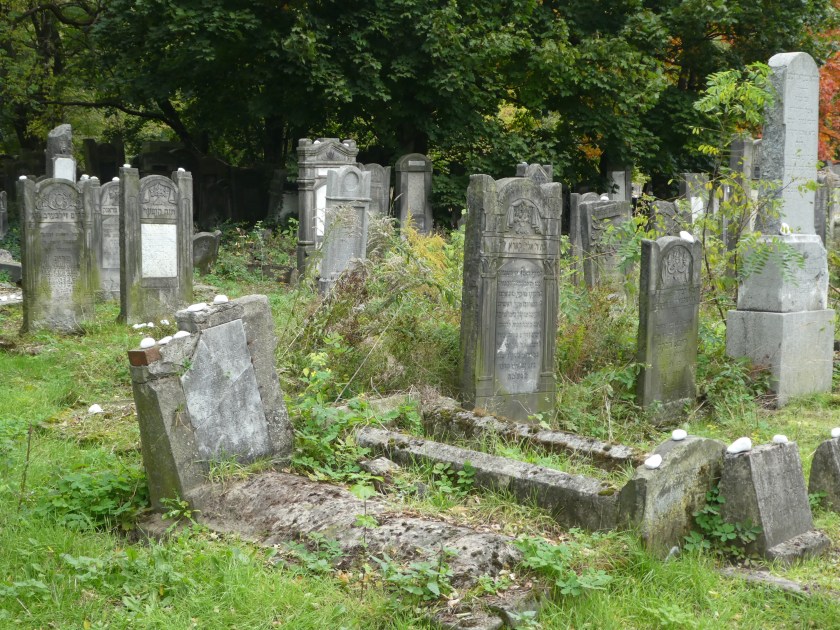
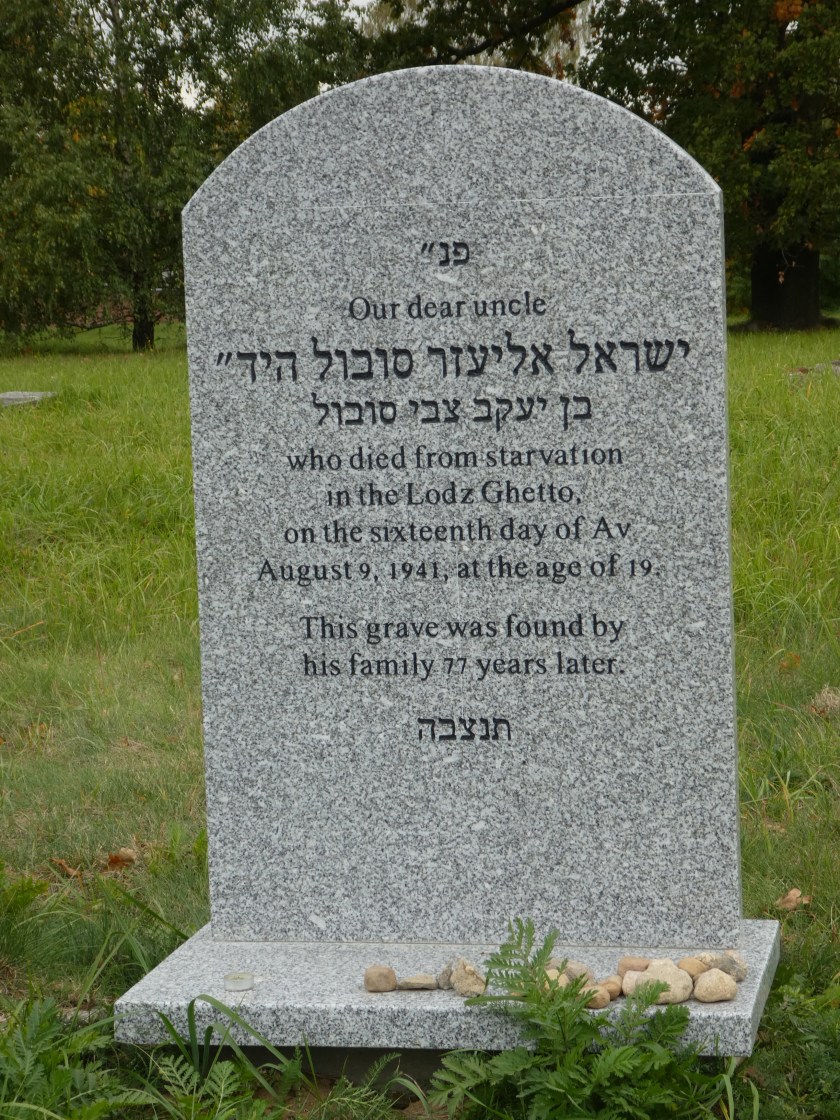
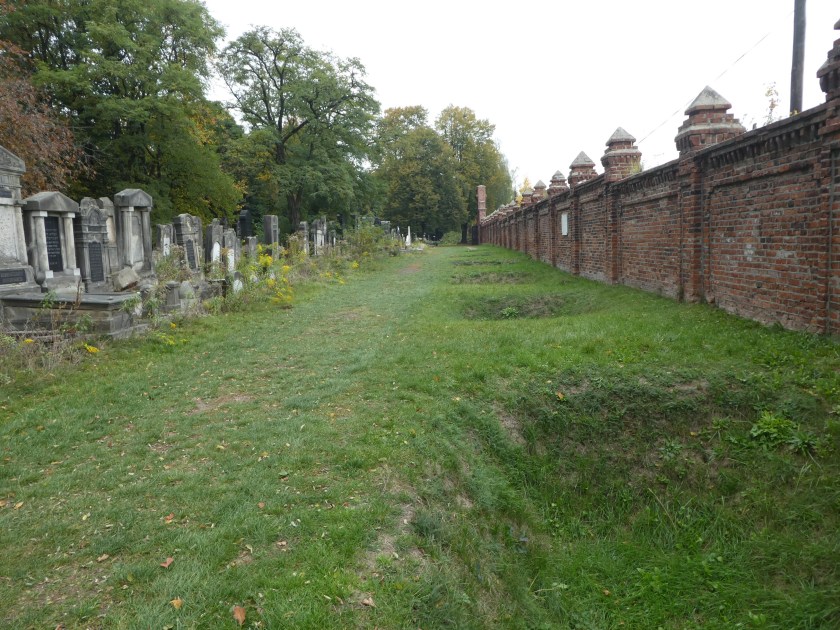
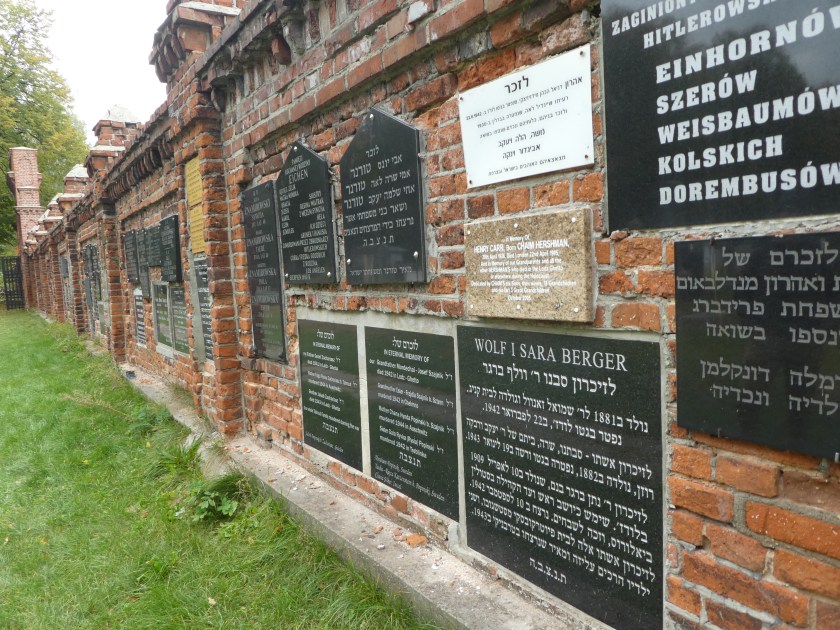
The Jewish cemetery nearby has 180,000 people buried there. Approximately 45,000 of them died in the ghetto (1939-44) from malnutrition, starvation, and disease, and were buried in mass graves. There was a large field filled with small markers over thousands of unidentifiable bodies. These graves, and the gravestones, were created by Israeli soldiers, who came to help sort and individually bury victims. Family members tried to identify their loved ones from these remains. Few were successful. It was sad and strange to see gravestones with inscriptions including the word “murdered.” In many cases, entire families were killed, so there wasn’t anyone left to commemorate their passing. There were several large empty graves in a row that were dug by, and intended for, 800 or so Jews who had to bury everyone else and clean up the ghetto. The Nazis planned to execute these men once they had finished digging their own graves, but they survived, because the Soviets were fast approaching, and the Nazis had to beat a hasty retreat. The cemetery is in the most tranquil, overgrown, wooded setting. It is sooo eerie and made us cry and hold hands. We placed stones on graves, as is the Jewish custom, and acknowledged the unmarked remains, by saying the Kaddish prayer honoring the dead. Both this forested cemetery, and the lovely park we hiked through with our friends, were the sites of so many murders during WWII. If trees could talk. Poland has historically been plagued by foreign domination. They’ve only had their recent independence from Soviet Russia since 1991.

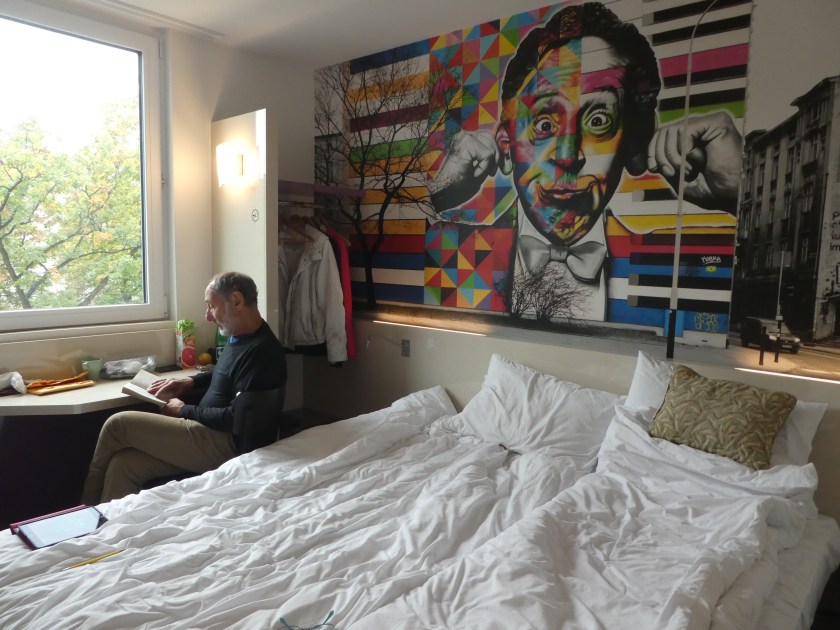
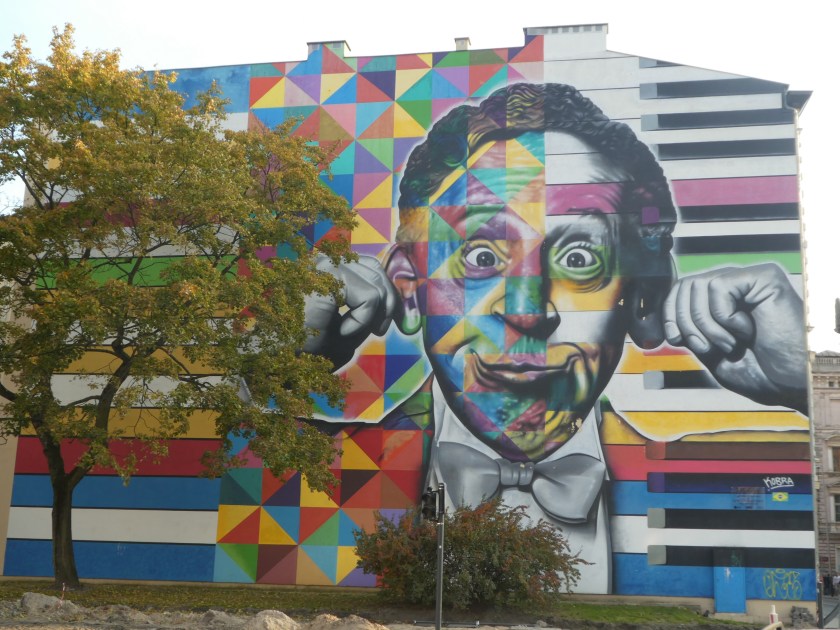
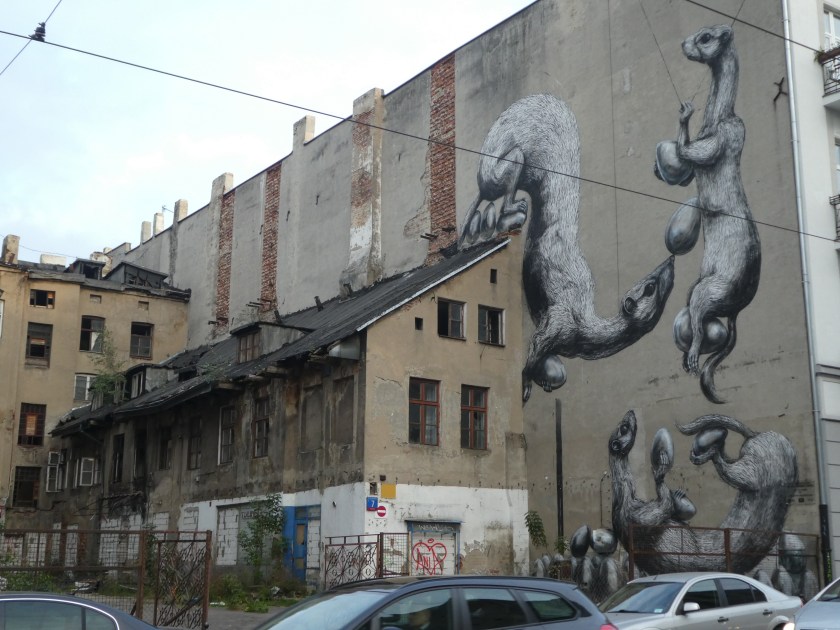
We’ll end on a brighter note. We were surprised by a huge picture of a man’s face, above the bed in our hotel room, with a weird look to it. We both thought, “kinda creepy, but at least we’re facing away from this guy.” Two days later, we saw the same picture covering the side of a building. We found out that a Brazilian street artist, Eduardo Kobra, painted this mural of a young Arthur Rubinstein. Bruce is very familiar with Rubinstein, a famous Polish-American classical pianist, but didn’t recognize this younger, muraled picture of him.We found out that Lodz has several famous murals. A second one we stumbled across while wandering around is of three weasels playing together. The mural was painted by a Belgian artist nicknamed ROA.

We’re in Kraków now, making the most of our last stop. We hope you are happy and healthy.

Love, BnL
Paderewski In Poznan (Poland NE Eur No 12)

Dear Friends and Family,

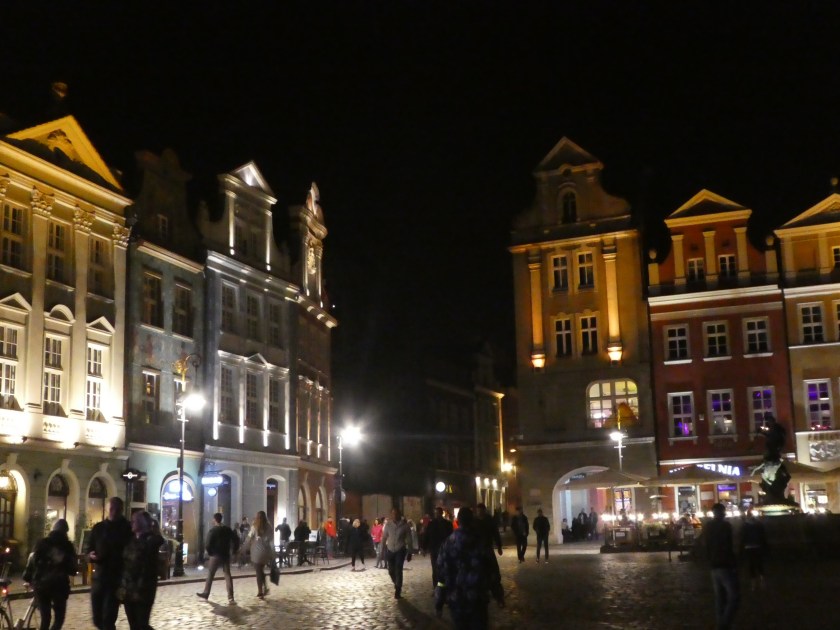
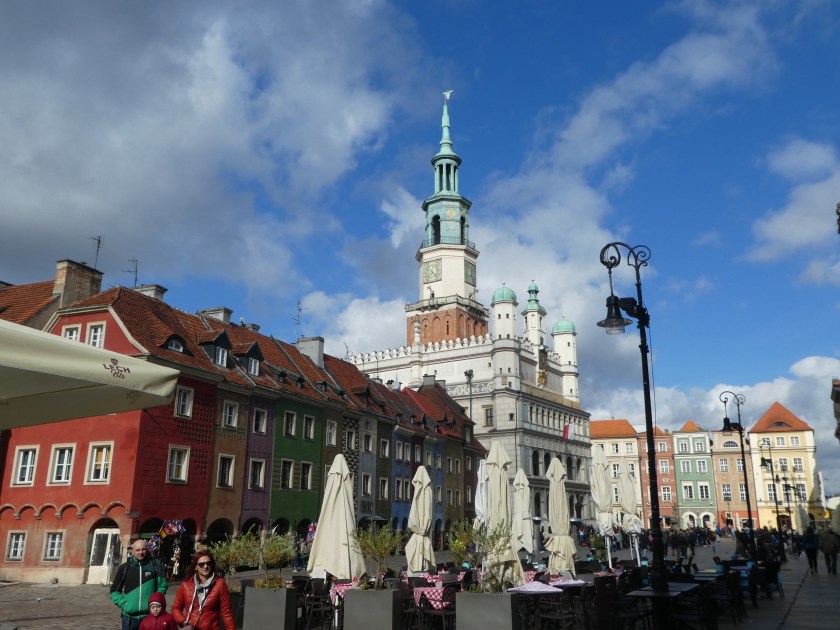
From Wroclaw, we traveled by train to nearby Poznan. We stayed in the old town on the fourth floor, (80 steps up, no elevator), of a boutique hotel: Apartmenty Wodna 12, which we mistook on the internet for an apartment. The room and bed were small, but adequate. Still, there was no place to cook or wash clothes, unfortunately. We changed our stay here from 7 nights to 4, like our new friend from Zakopane, Rafal, recommended, and booked 3 nights in Rafal’s hometown of Lodz.

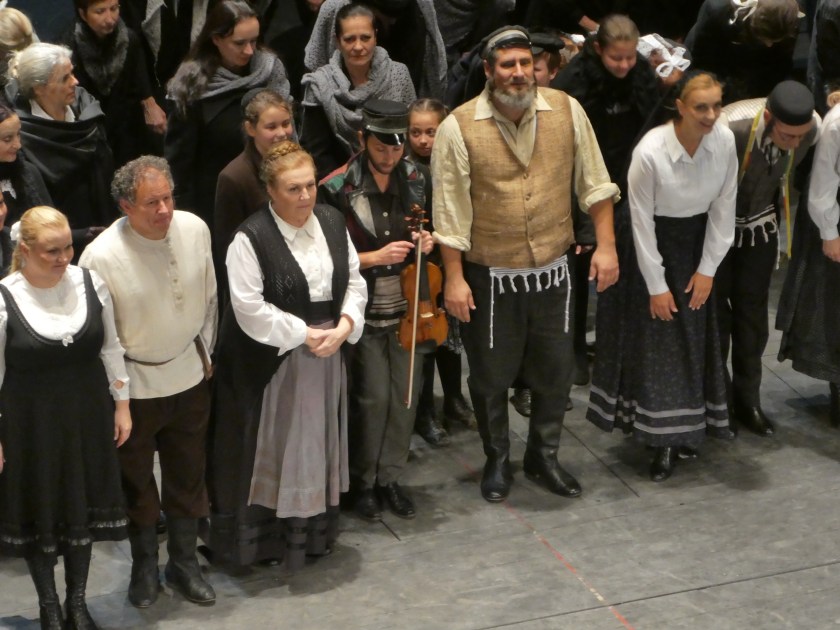
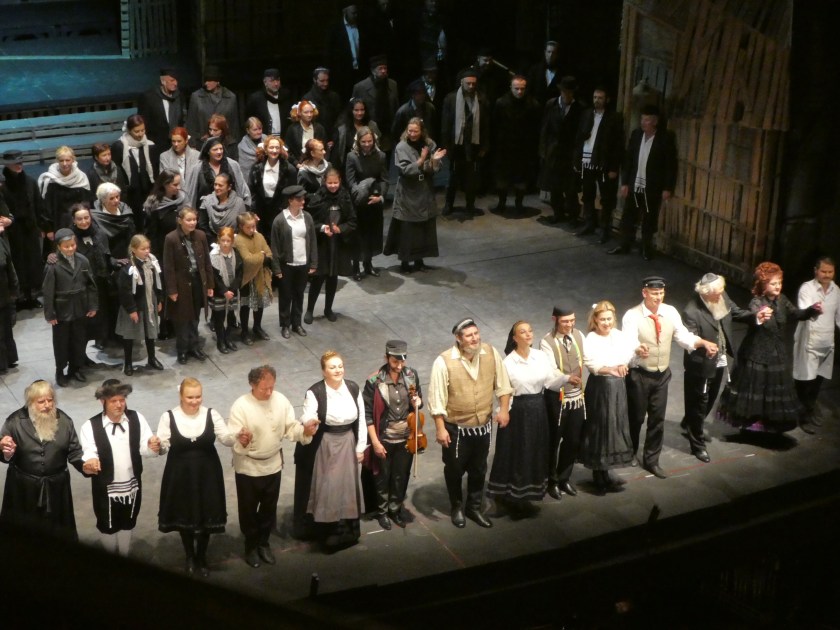
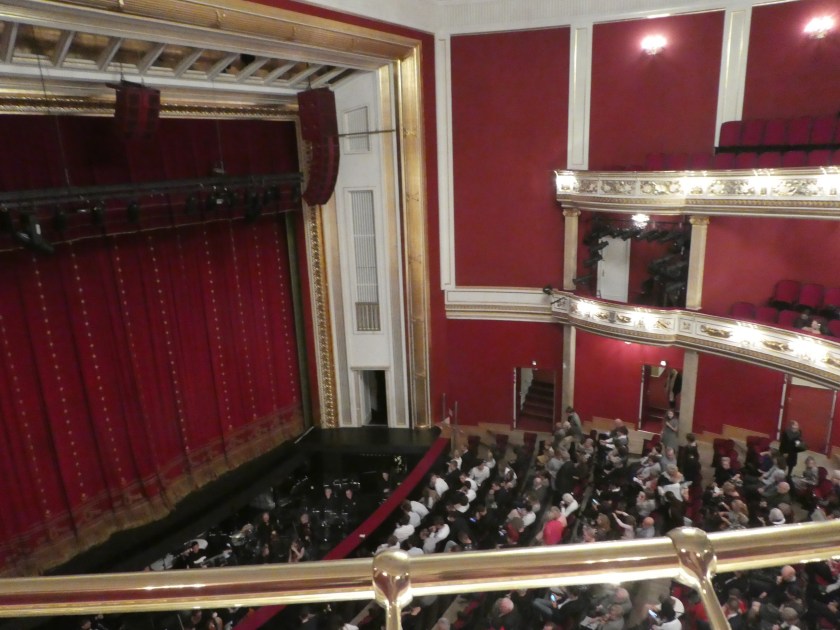
In Poznan, There are many restored older churches, a philharmonic hall, museums, and a beautiful restored opera house. We attended a great Paderewski concert at the philharmonic hall. At the opera house, we enjoyed a complete orchestra and cast performance of Fiddler on the Roof in Polish. Amazingly, the last minute second balcony tickets we purchased were good enough. Not understanding more than a few Polish words didn’t seem to matter either. We knew the “Fiddler”story and were thrilled with the singing and dancing. Both Tevya, the papa, and the Fiddler were terrific.

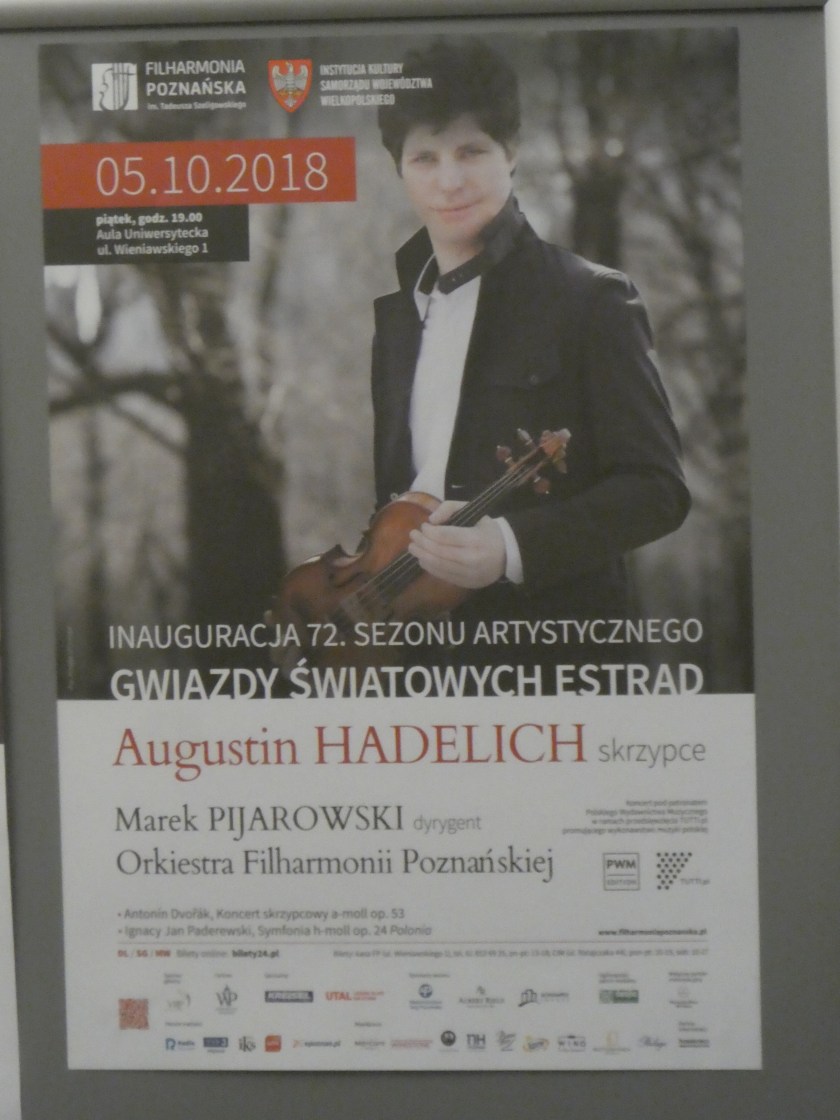
The Paderewski concert was even more enchanting. The Polish composer, Ignacy Jan Paderewski, inspired Poles to throw off the poke of Russian communism. His music is so strong and passionate! We were doubly delighted to hear a superb violinist, Augustin Hadelich, as the soloist. We had previously heard him perform at the Britt Festival in Oregon.

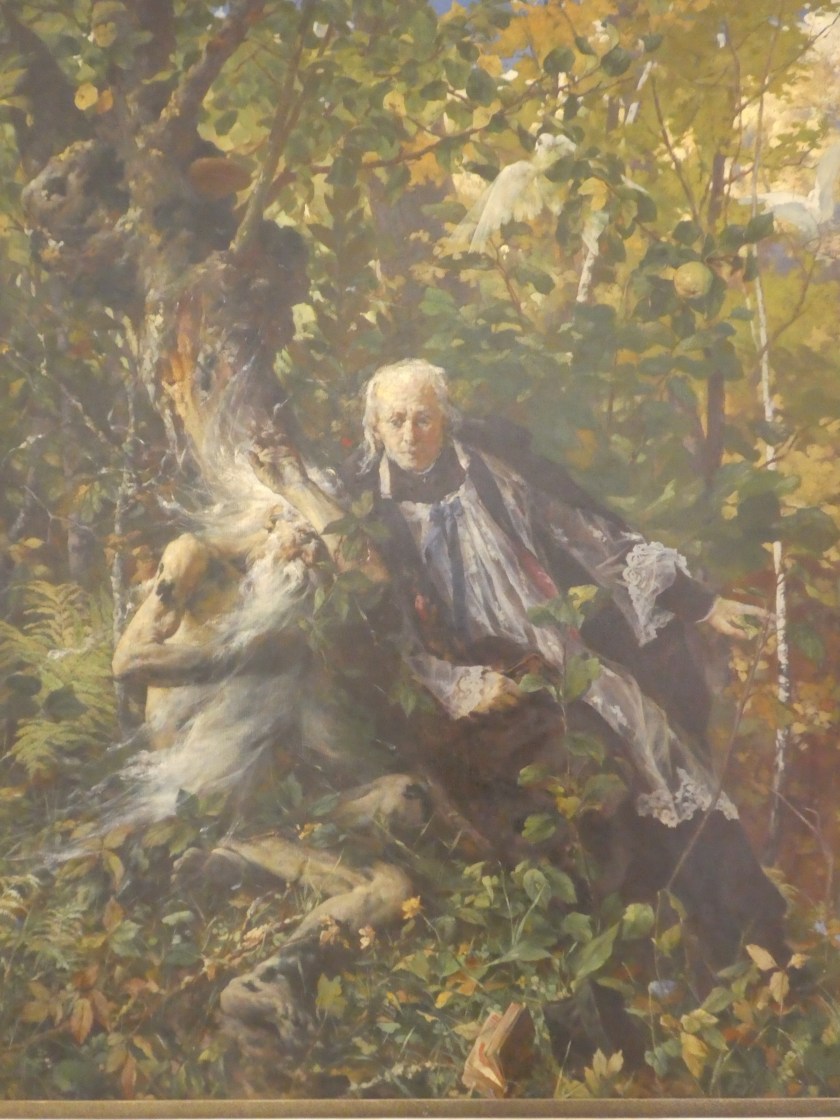
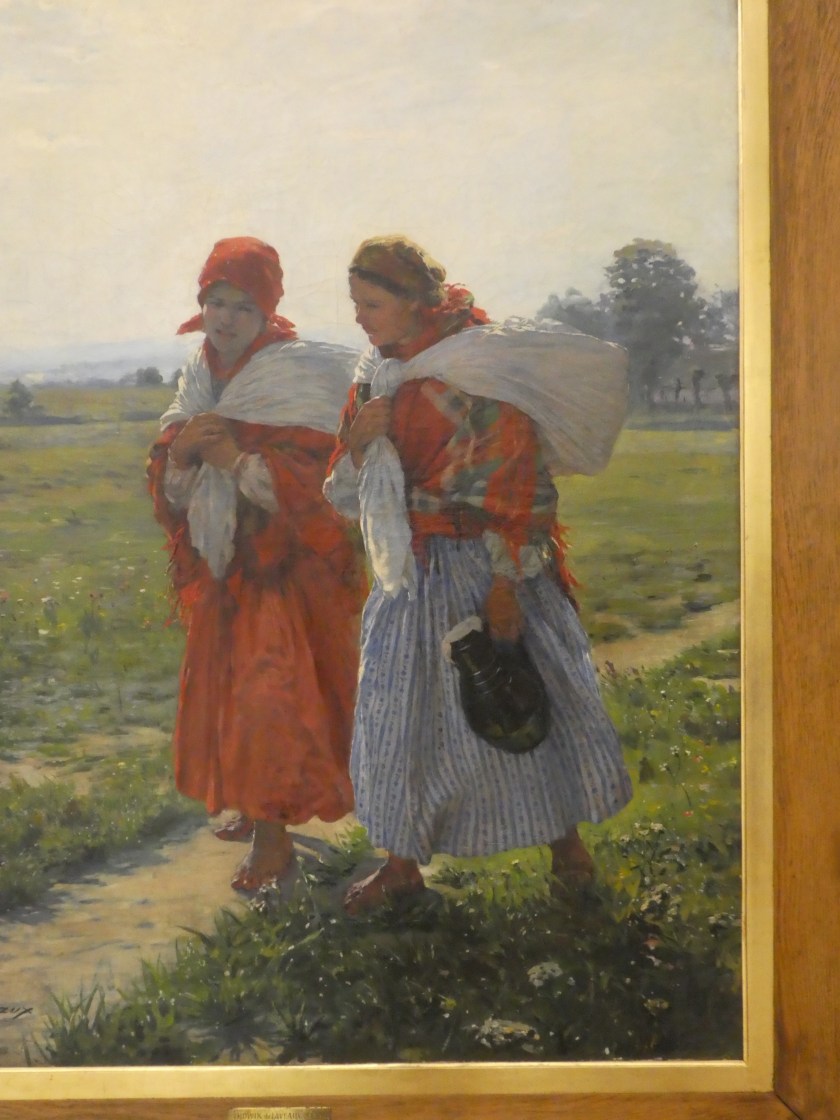
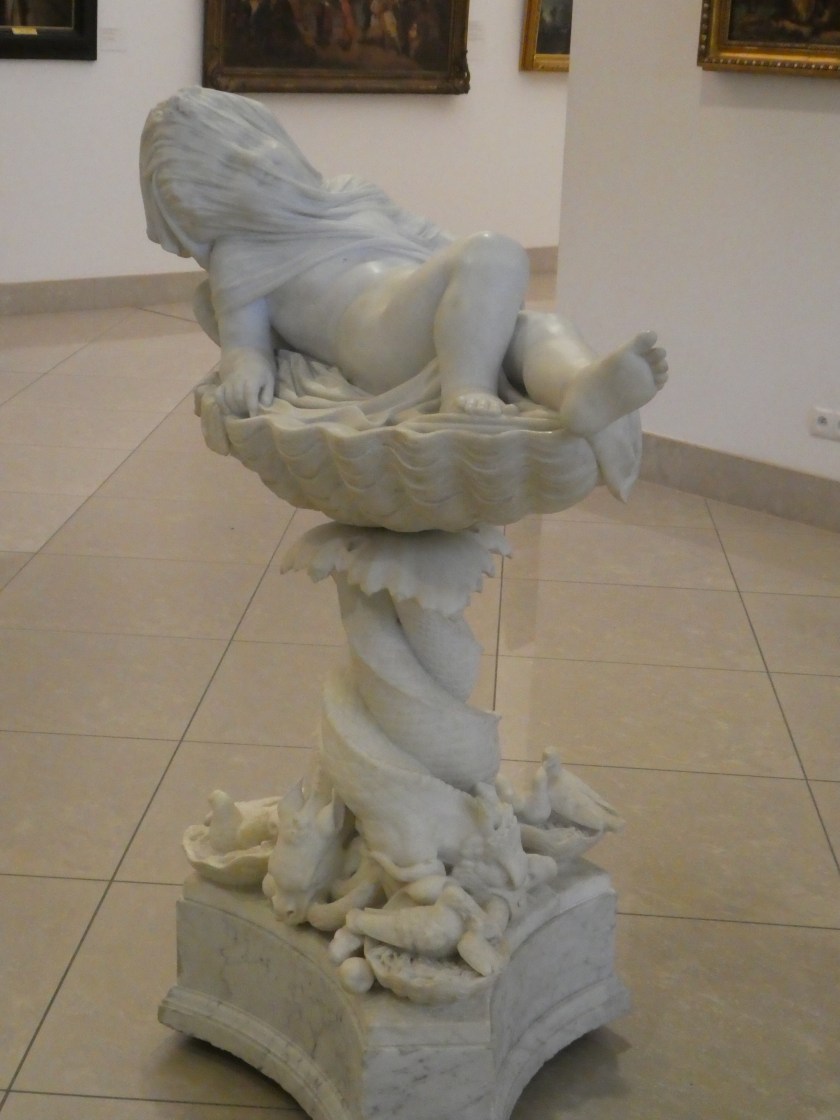
One day was a bit rainy, so we ducked into the National Museum of Poland. This art museum houses the only Monet in The country. We began on the fourth floor and browsed our way down through European, Polish, Medieval, Ancient, contemporary art and marble sculptures. It was a fun way to pass an afternoon.

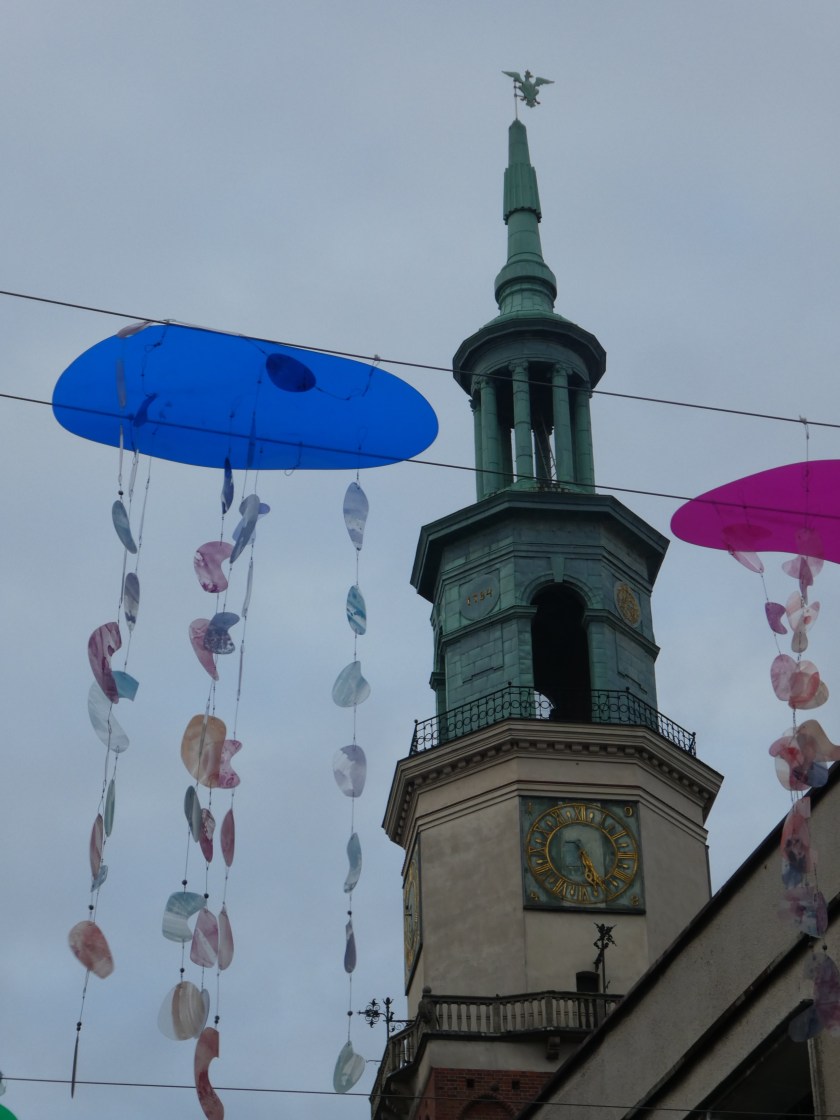
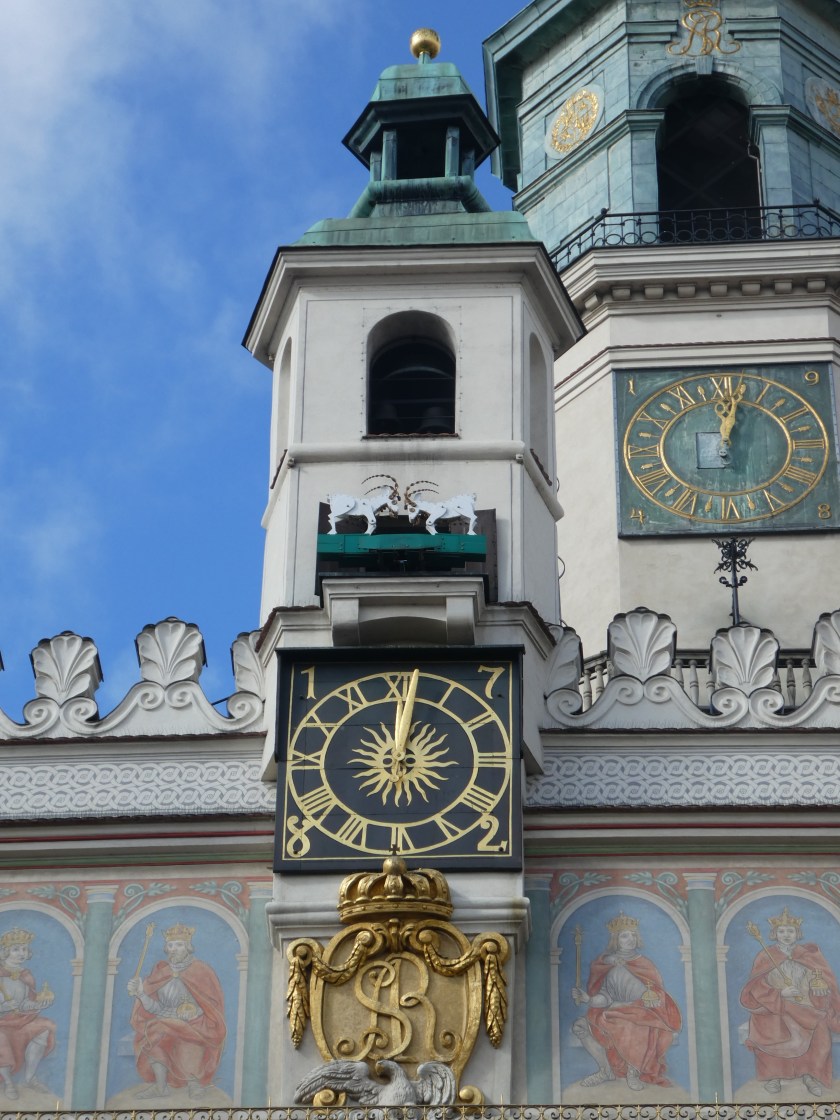
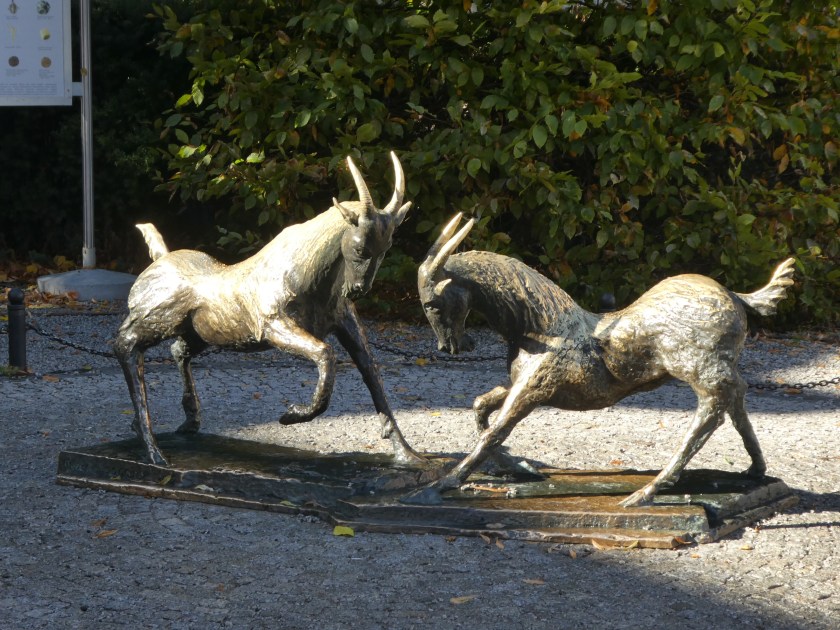
Our walking tour introduction to Poznan began at noon. At that time, two miniature, mechanical billy-goats mark the noon hour by butting heads 12 times. As we watched, a chorus of school children counted out loud to twelve. According to legend, when the clock tower was completed in 1551, the king wanted a celebration. The cook in charge of feeding the nobility dropped the main course into the fire and ruined it. Fearing for his life, the cook sent servants out to kill the first animal they could catch. The servants chased two goats around and they ended up running up the stairs into the clock tower. The poor animals were so frightened, they began butting heads. The king thought the situation was so funny, he had the mayor add the goats to the clock mechanism. The king had the clock maker killed so no one could replicate the clock. No wonder the cook panicked! A trumpeter blows his horn from the tower just before noon to draw everyone’s attention to the battling goats. This ritual has been going on for nearly 500 years!

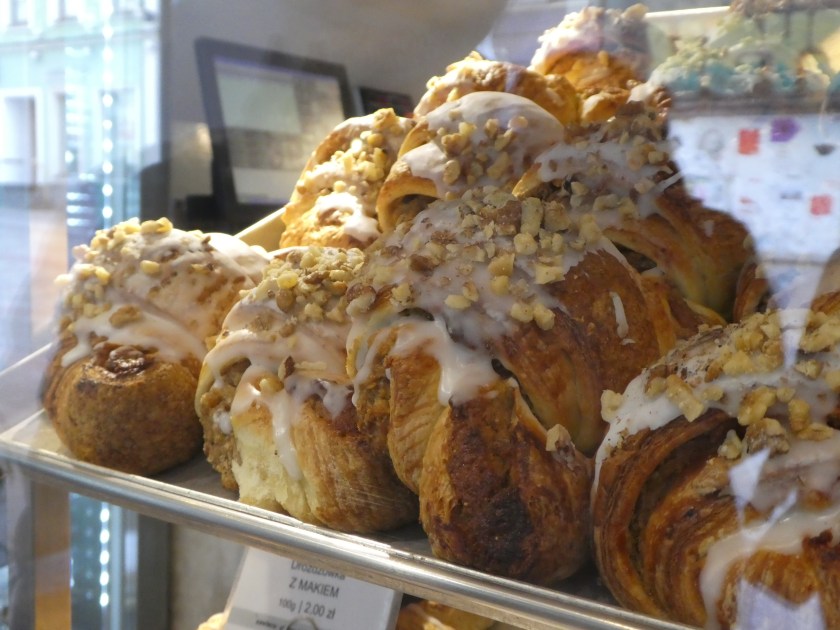
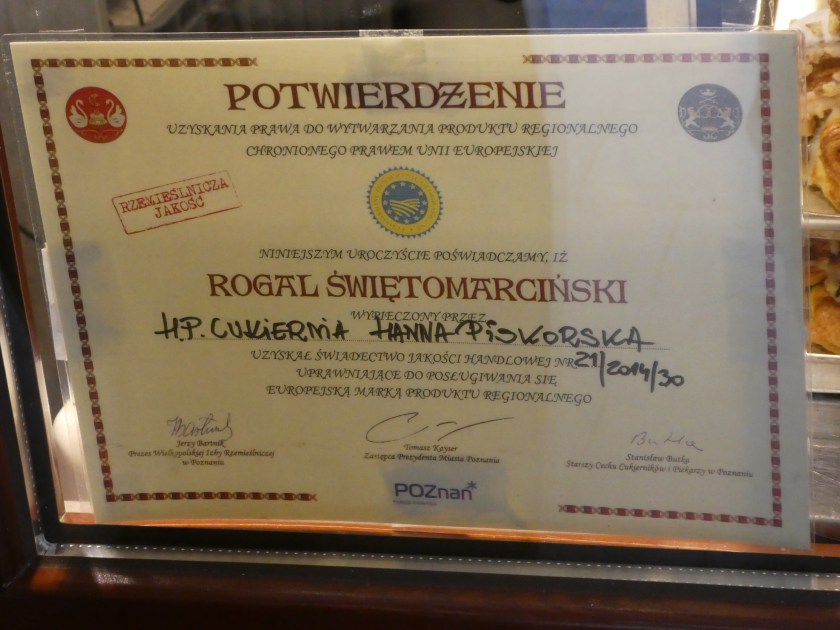
Our tour guide also told us that Poznanians are referred to as “pyry,” (potatoes), by other Poles because they eat so many potatoes.😜 We have certainly supported the potato market in Poland ourselves ! She also told us to try Poznan croissants. Bakers have to have a special license to bake and sell them. Of course we tried one. They are filled with a walnut-honey paste, and then topped with icing and more walnuts-decadent! We actually prefer the flaky French style croissants.

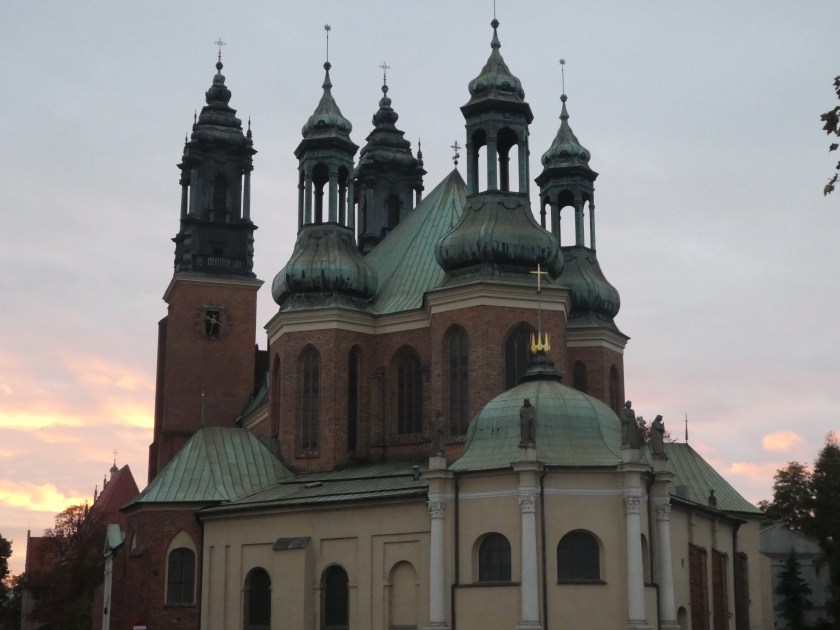
We took a long walk around man made Malta lake and explored the adjacent Malta lake mall. The lake is a very “happening “ place during the summer, but not too much going on there right now. We came upon a large church originally completed in the year 968, the oldest church in Poland. We really felt it was a spiritual place and each said a prayer to God while we were there. We feel fortunate that God has blessed our life together in so many wonderful ways.

We hope you are well. Thanks for sharing our travels !

Love, BnL
There’s Gnome Place Like Wroclaw (Poland NE Eur No 11)

Dear Friends and Family

Wroclaw’s main railway station is only a 15 minute walk, on one major street from our B&B Wroclaw Centrum Hotel. Still, it was helpful to have a Polish high school student accompany us there. He proudly told us that he is a Boy Scout. The Polish Scouts created a resistance army during WWII and fought bravely against the Nazis. Linda thanked him for guiding us to our hotel with a U.S one-dollar bill. This is something really special to receive here. He was delighted. Many Poles have been so kind to us. We are really grateful they struggle to speak with us in English and don’t resent our inability to speak their native language. Polish writing looks like English, but it has 32 letters, instead of 26. There are many rules and many exceptions to those rules. Wroclaw (pronounced “Vrotswav”) is a city of 1.1 million, including 120,000 university students. Unlike in the USA, public university education is free in Poland.

Our hotel was not far from a large mall, just a couple of blocks from the historic old town. We arrived after dark, and we were hungry. Linda asked Bruce to bring some food back to our room. He’s a proud “food scout” and loves a bargain! There was a Chinese self serve place at the nearby mall offering what he thought was a fantastic deal for all the food you could pile into a to-go container at this late hour. The offer said 50% off, “was 3.89, now only 1.89.” When Bruce got to the register to pay, he discovered it was 1.89 for 100 grams, not for the whole to-go container. He was too embarrassed to return half the food he greedily piled up. So, for about 30.00 zloty, ($8.35), we had more than we could possibly eat. He ended up finding a homeless guy on the street who was happy to receive the free (third) meal. 😜

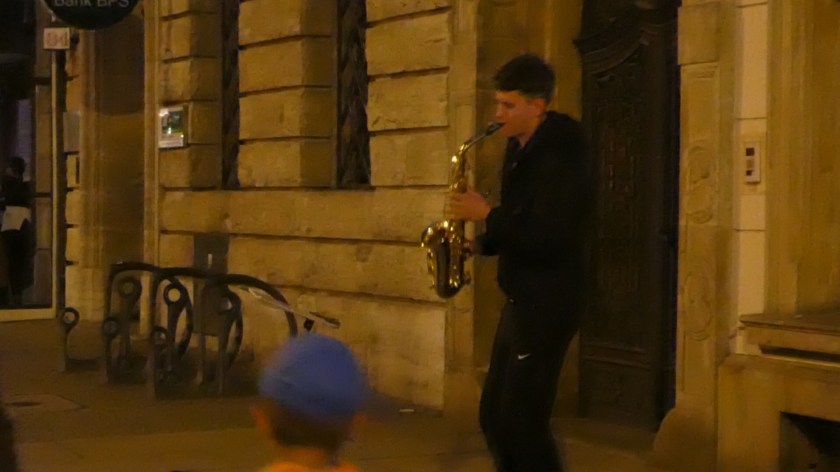
We heard some really good amplified street music in the old town main square inWroclaw. They don’t need a license to perform. They are usually very good musicians. If you are not good, you don’t play, since, without tips or a happy audience, it’s no fun. We hear these folks all over Europe, but not too much in the U.S., where local regulations often prohibit unlicensed street performance. We looked online for a concert while we were in town, but only found strange groups like “Fertile Hump,” and “Dopethrone Sunnata and Red Scalp.” We refined our search to classical music and struck pay-dirt!

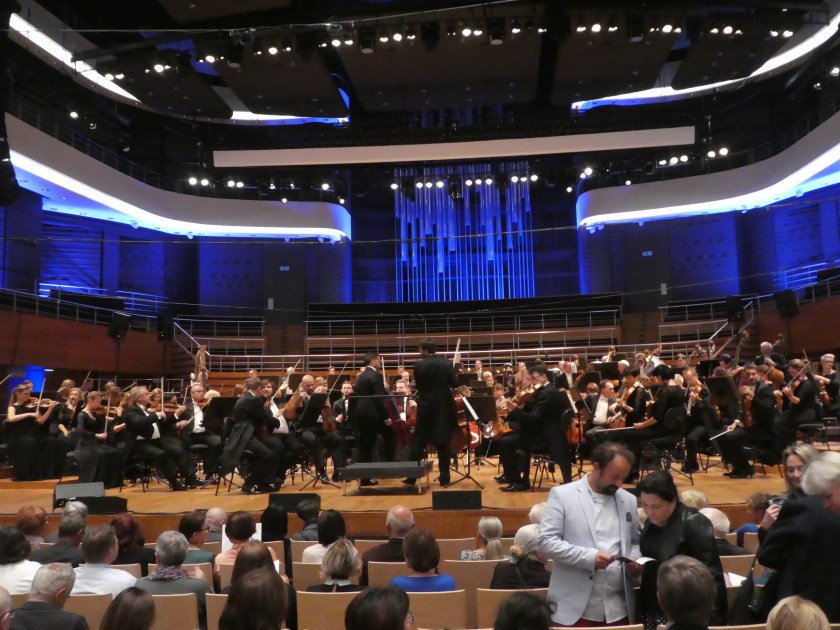
We got tickets to the opening night of the Wroclaw Philharmonic orchestra season. Woo-hoo! The featured Polish composer was Karol Szymanowski. The Danish violin soloist, Nikolai Znaider, had high praise for Szymanowski. Ironically, Bruce played the piano at this composer’s house in Zakopane. Szymanowski is no light-hearted Mozart.The music was really dark, crazy and intense. Had Bruce known that, he would have given a much wilder performance. Szymanowski composed during dark times in Poland’s history. It shows in his sad, but passionate music. The orchestra, soloist and venue were fantastic. We really enjoyed the pieces by Dvorak and Brahms. The concert hall, NFM, is ultra-modern, with the best acoustics.

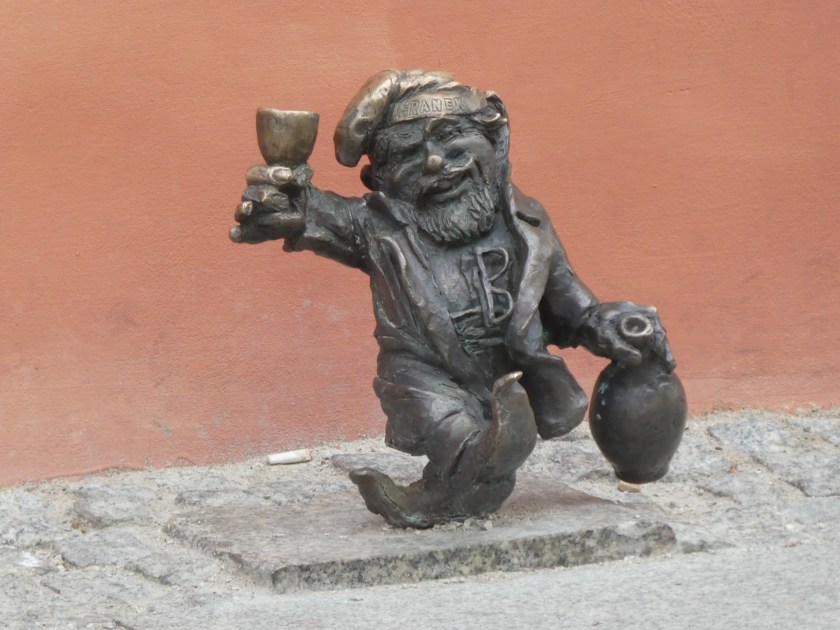
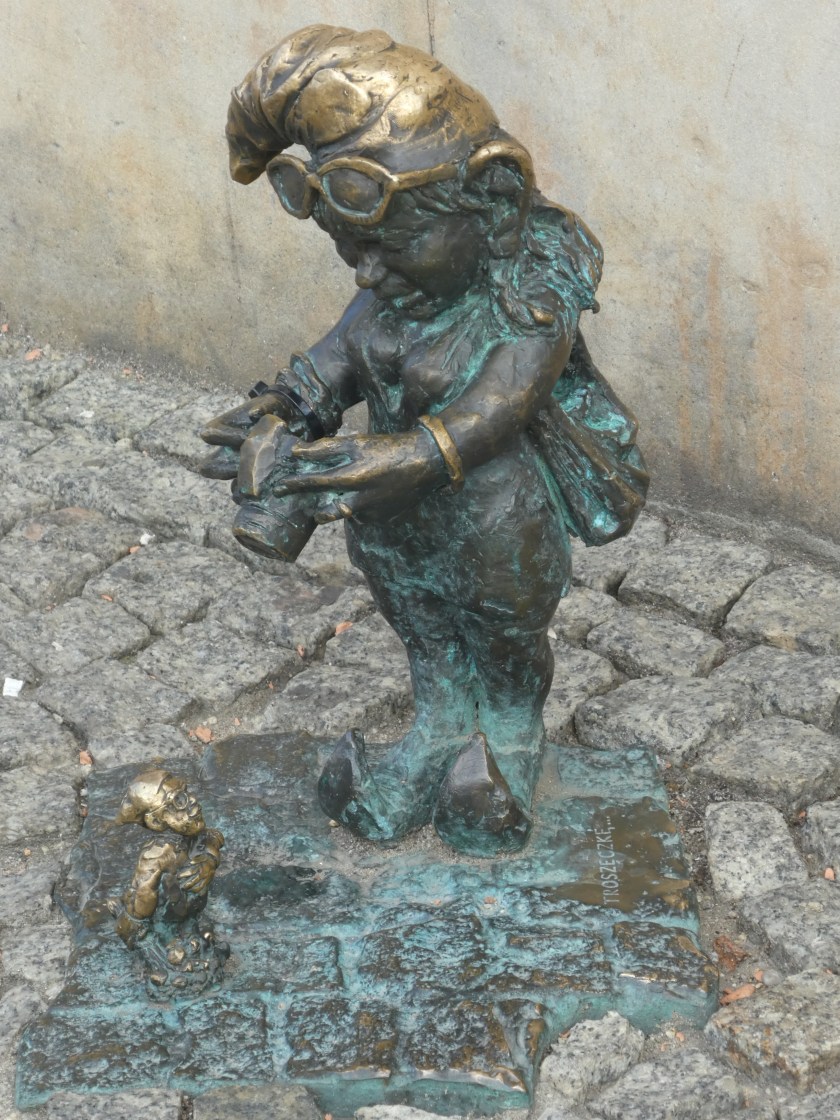
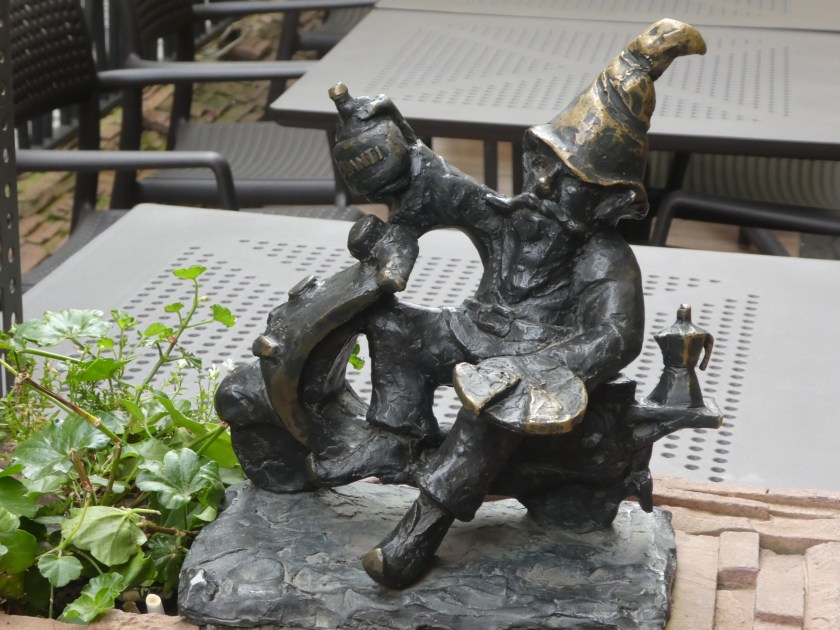
There are miniature brass gnomes depicting activities at nearby venues scattered around Wroclaw. These gnomes came from the Orange Alternative, an anti-Communist movement of peaceful protesters. Artists spray painted orange gnomes over communist propaganda to make people feel less afraid, and to make them smile. The idea took off. Now, there are over 500 one-foot tall gnomes around Wroclaw. In front of an Italian restaurant, for example, there’s a gnome riding a Vespa motor scooter, carrying a pizza, a jug of Chianti, and an espresso coffee maker. In front of our hotel, a gnome is taking a snooze. In the old town, a tourist gnome is snapping a photo of a miniature gnome. There is an office where people get gnome maps of Wroclaw and hunt for them. It’s like hunting for Pokémon in the Iphone game! Linda wished her girls were there finding gnomes and taking pictures with her. Her favorite was a gnome washing his clothes in the Odra River. Wroclaw is a fun city in which to“gnome around.”

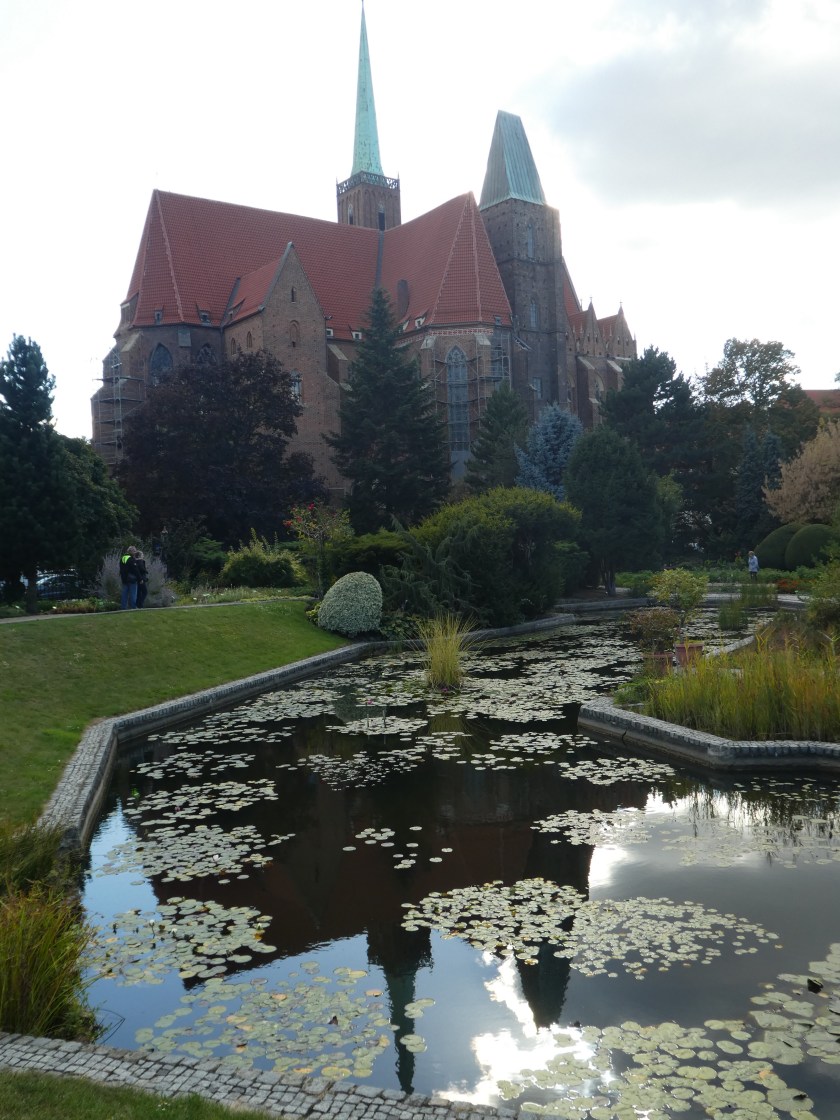
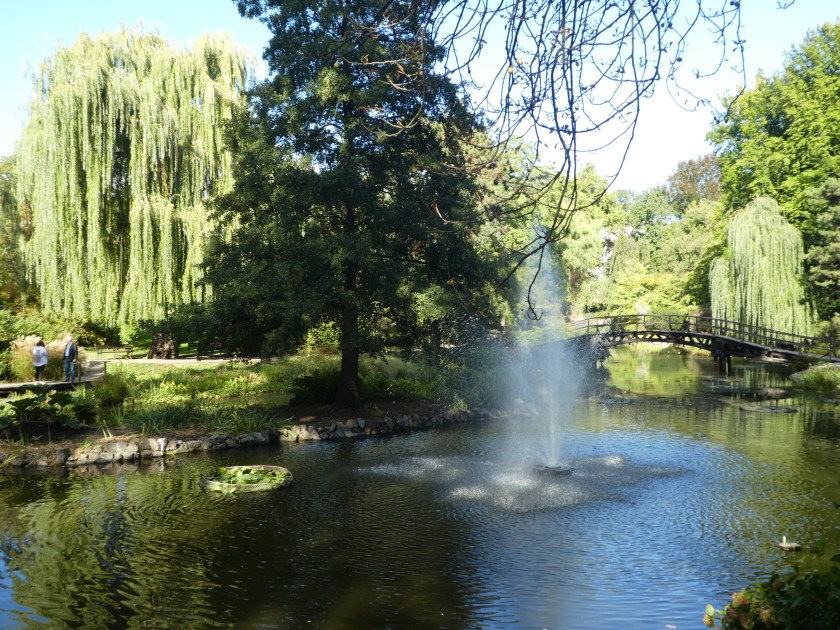
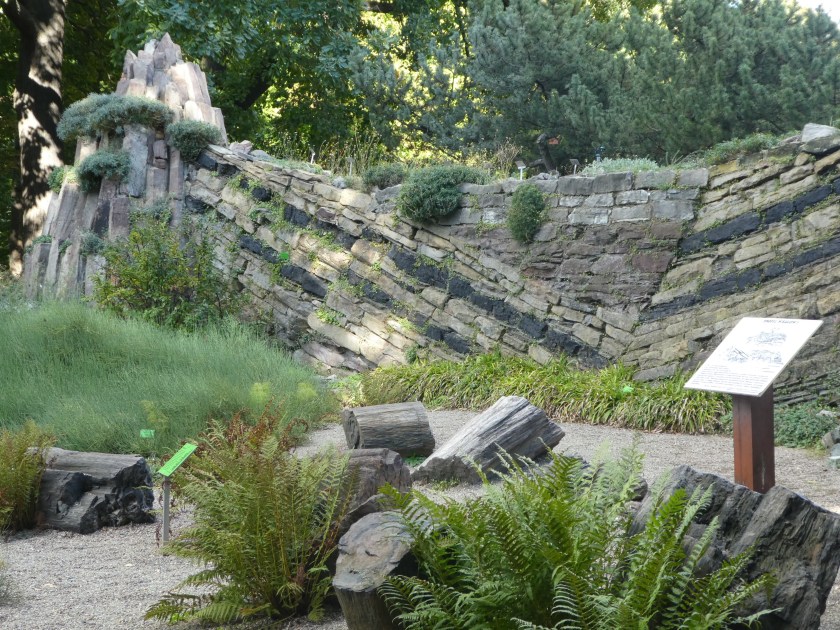
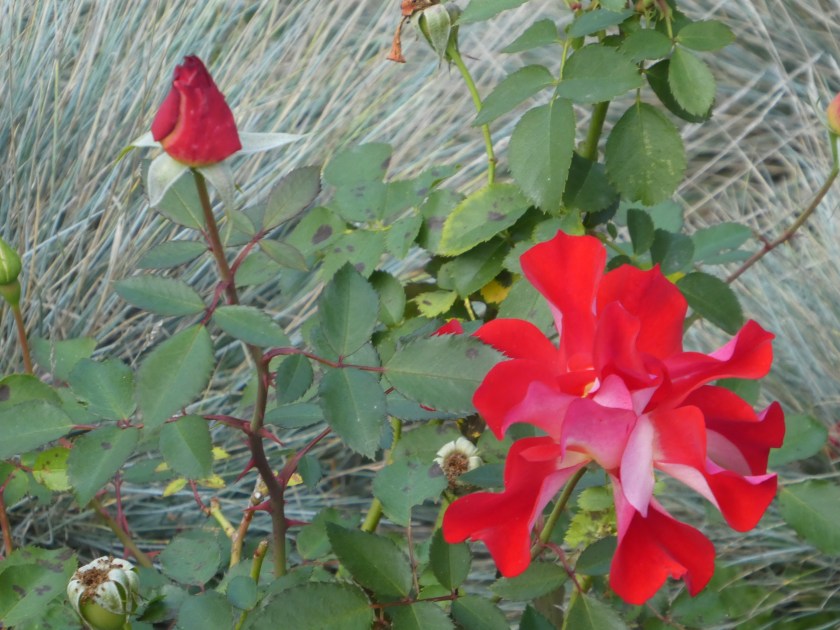
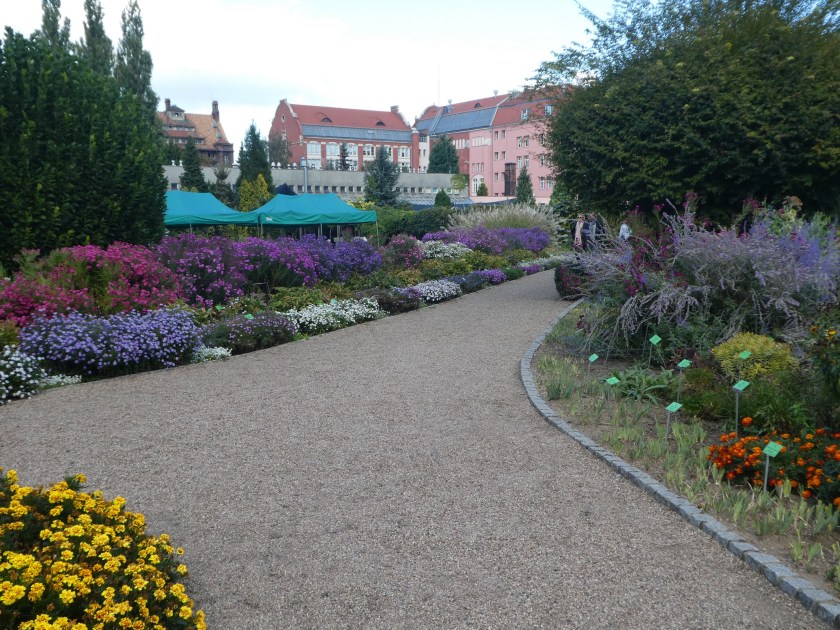
We got out of the old town one day and walked to the Wroclaw University Botanical Garden, established in 1811. It has two reflective ponds, lined with pathways that twist and turn beneath ancient trees. We walked through a couple of acres of well-tended plants and flowers. Several specialized green-houses contained bromeliads, cacti, water plants, and ferns. There was even a greenhouse dedicated to African plants. Linda picked up some acorns dropped by a two-hundred year-old oak tree and will try planting them. It would sure be neat if they were fertile.

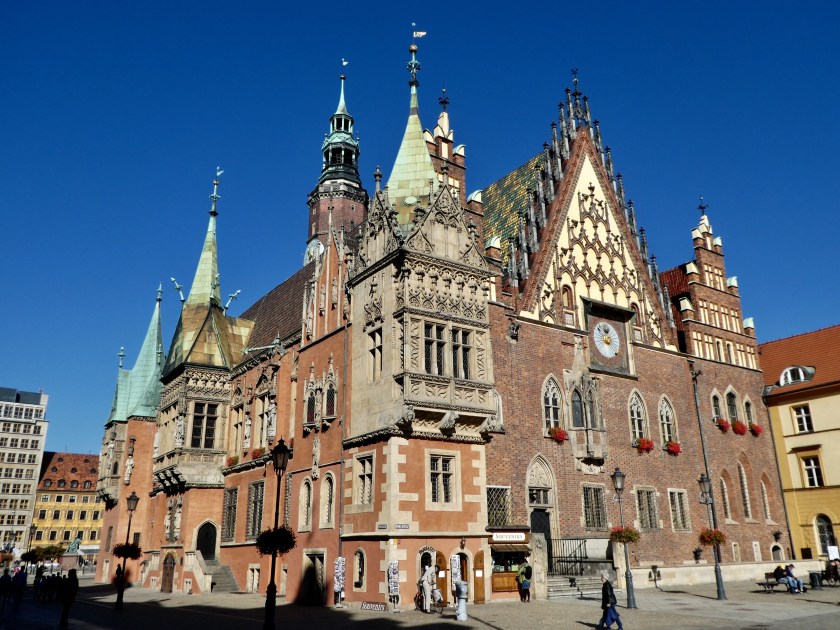
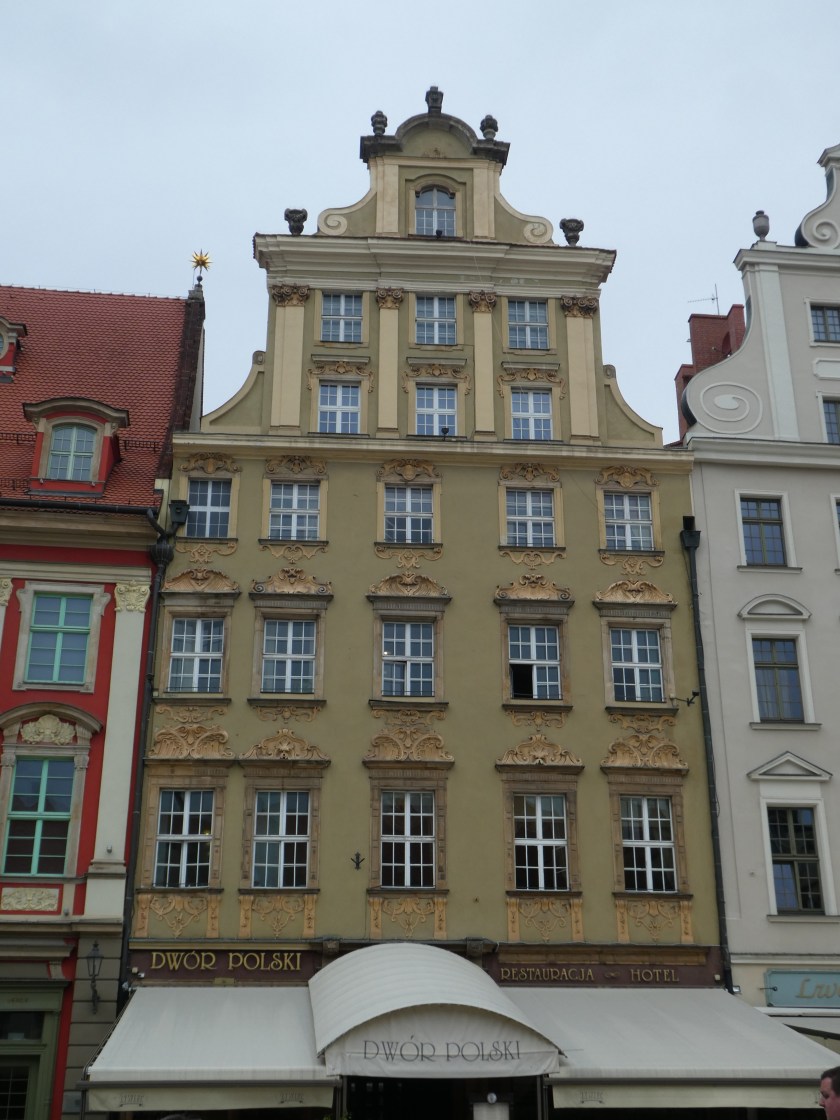
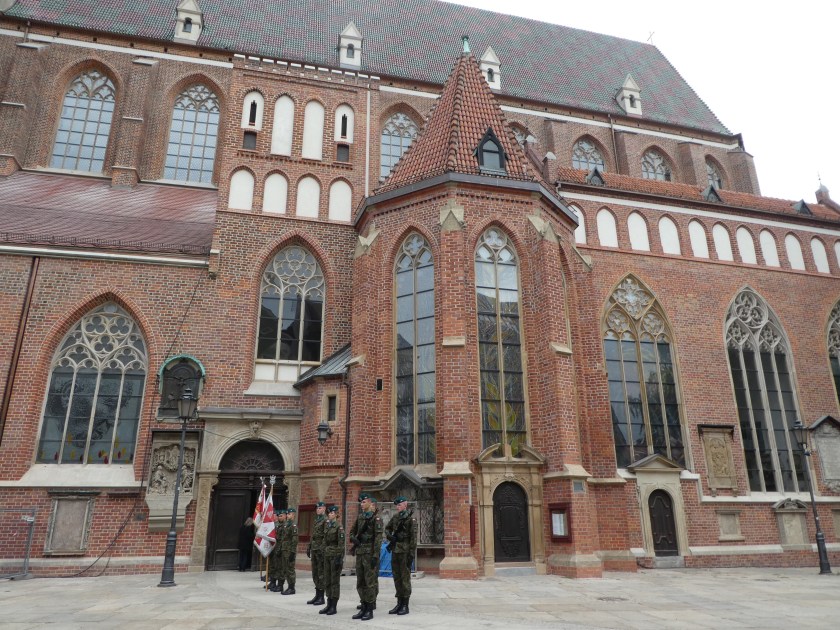
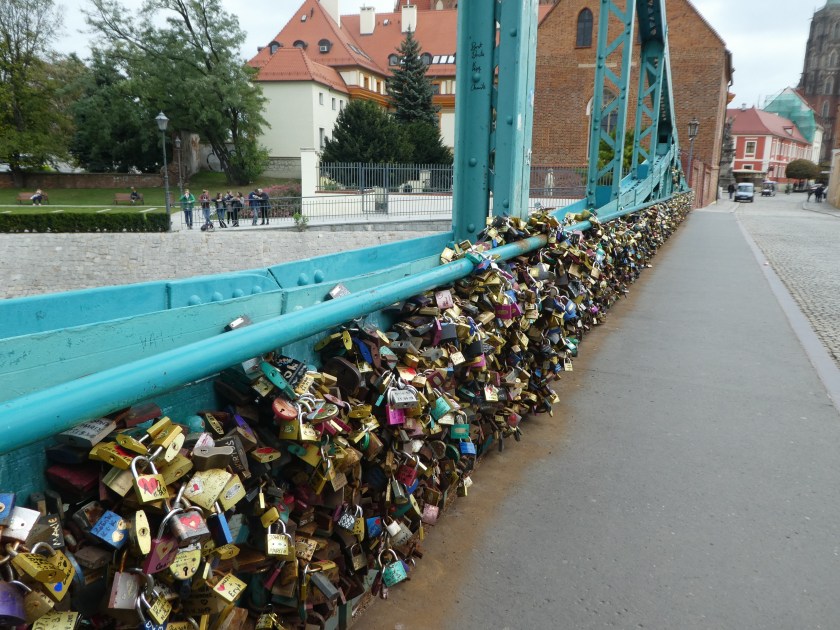
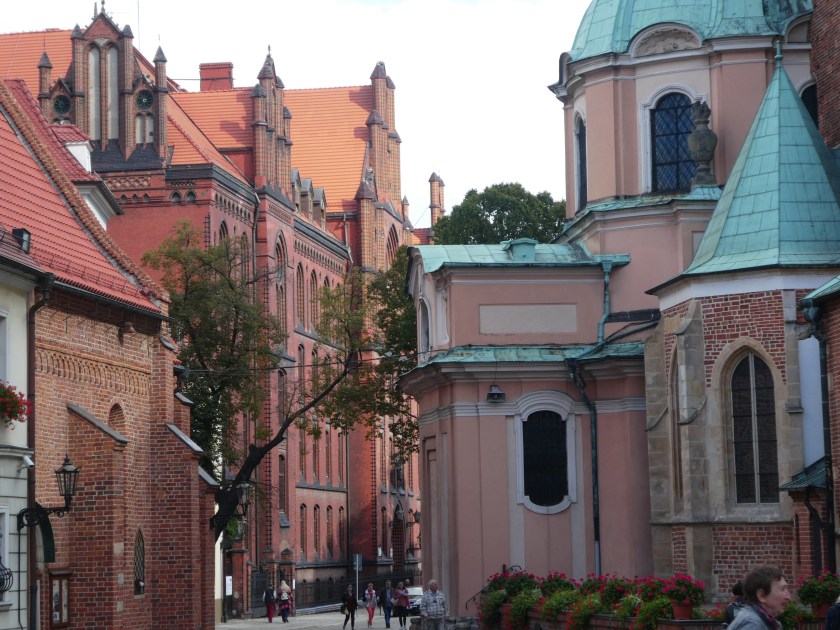
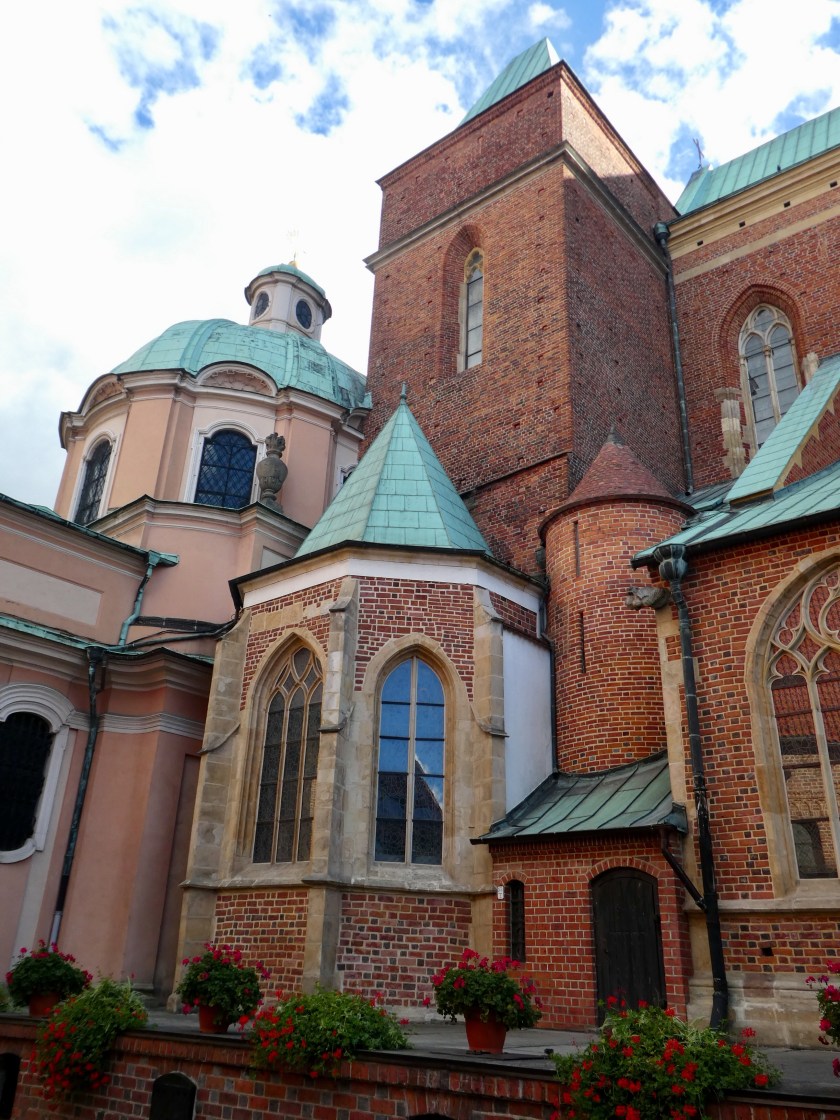
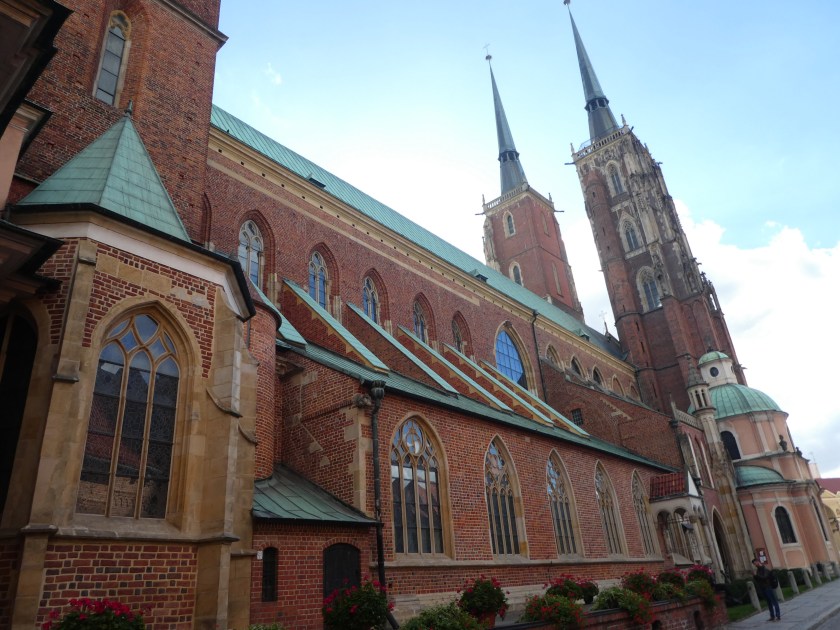
We joined an old town walking tour one morning that ended on “Cathedral Island,” one of six islands in Wroclaw. We crossed the “bridge of love” with its thousands of locks representing promises of forever. Ours is in Paris. From where our group stood at the end of the tour, our guide pointed out several churches. Most of them were absolutely beautiful. There was even a military cathedral with soldiers outside standing guard. We learned that Wroclaw was founded in the year 1000 and was about 75% destroyed during WWII. The old town fared a little bit better and was only about 50% destroyed. The impressive gothic-style old town hall sits at an angle in the old town center, surrounded by lovely reconstructed old town buildings. City planners wanted the exteriors of the buildings to look like they did originally. In some instances, windows are only painted on for symmetry. It you don’t look closely, it is easy to miss the fake windows! We included an example of this in the photo of the green building. See if you can spot the fake window. There are still over 100 gas street lights that a lamplighter lights each evening, which adds to the old town atmosphere.

Time for us to blow out the candles and get some rest. Hope you are all well.

Love, BnL
The Polish Alps; Zacopane (N E Eur No 10)

Dear Friends and Family,

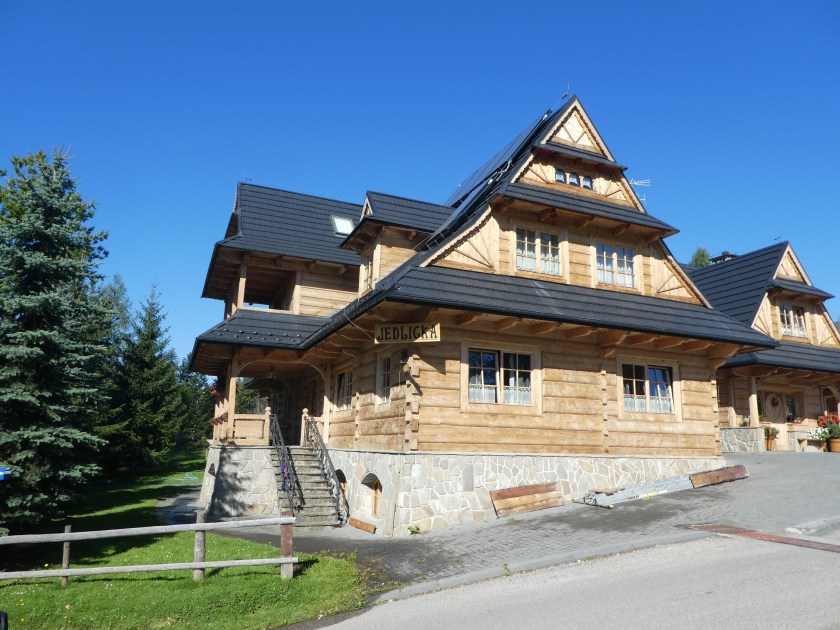
We boarded an early Norwegian airlines 2 hour flight from Helsinki to Kraków, in south central Poland. The Tatra mountains, or “Polish Alps,” are just a 2 hour bus ride south of Kraków. The bus stopped in Zacopane, a touristy, colorful mountain town. From there, we took a 15 minute minibus ride to Koscielisko, a mountain village just outside of Zacopane. Our bus stopped near Jedlicka Willa, our one week home in the beautiful hills of the western Tatra mountains.

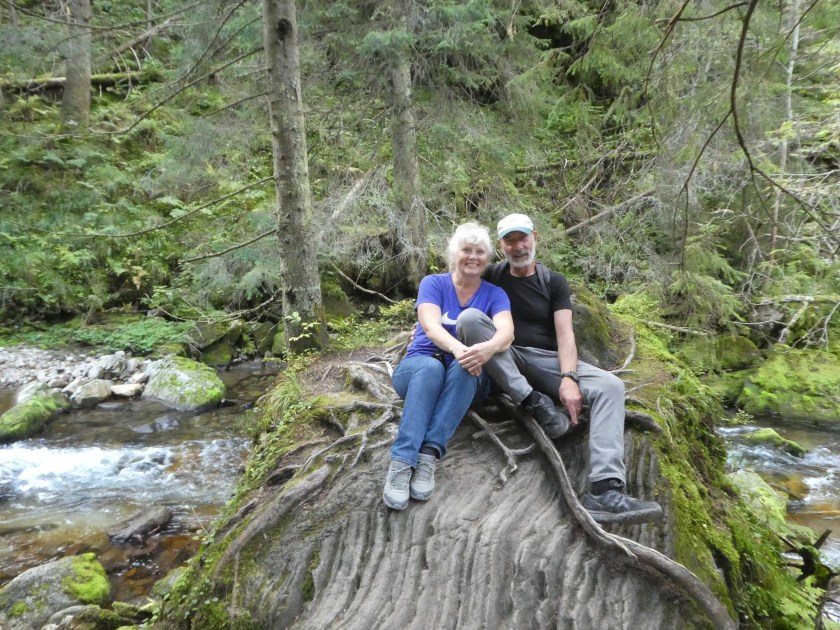
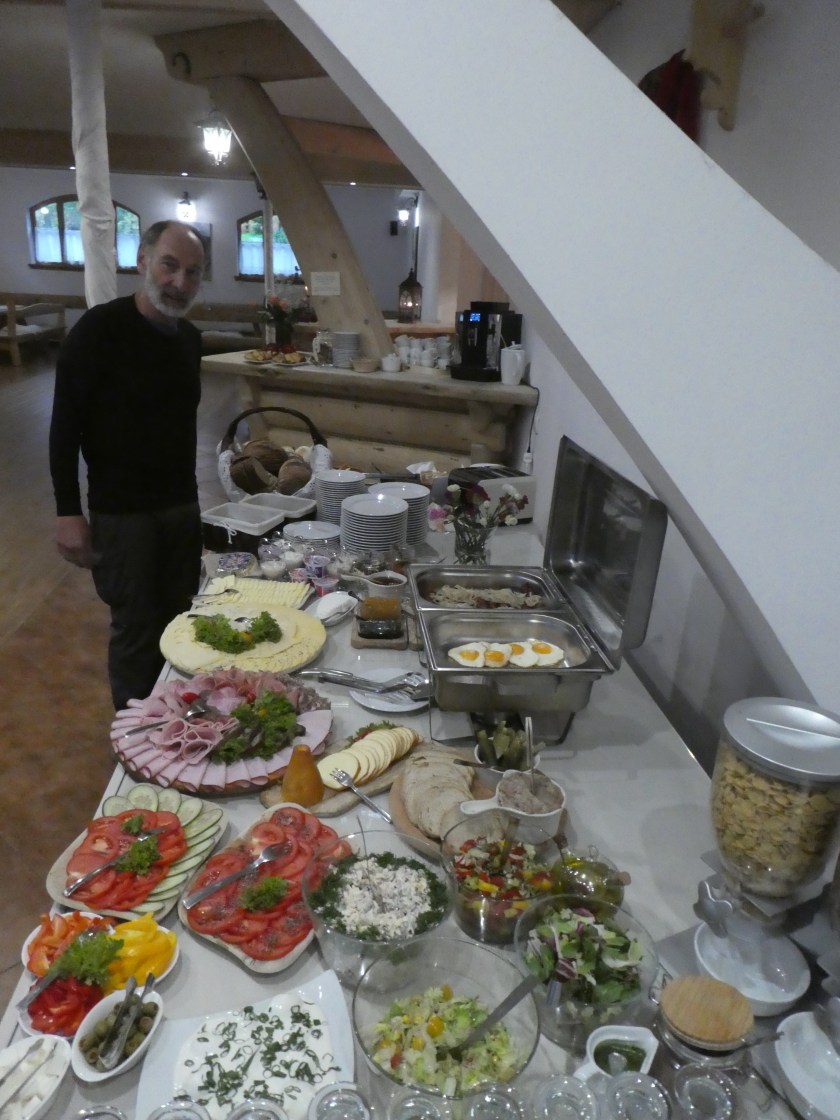
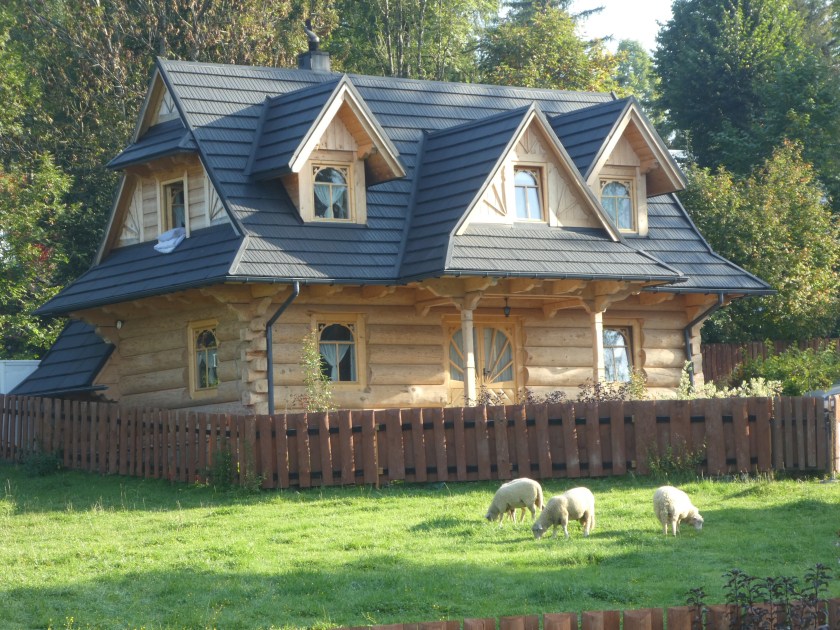
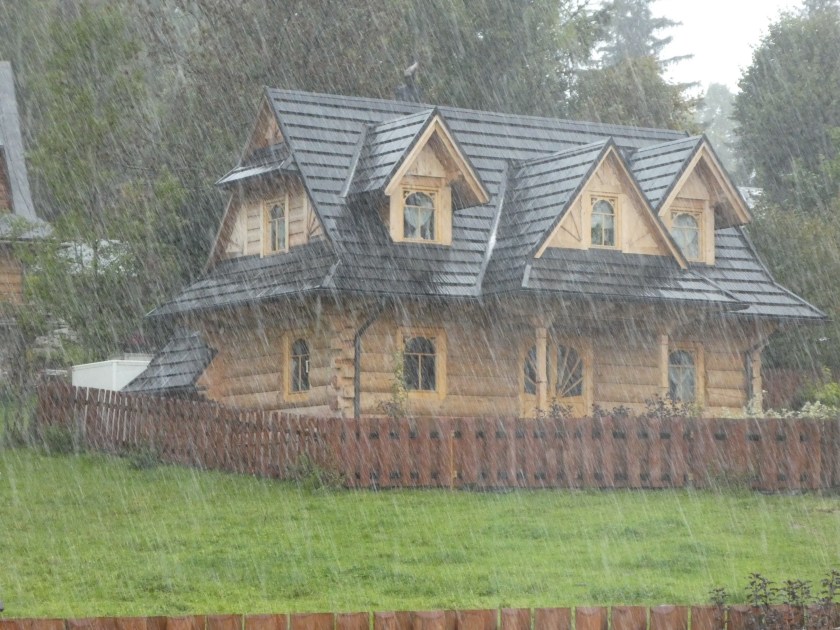
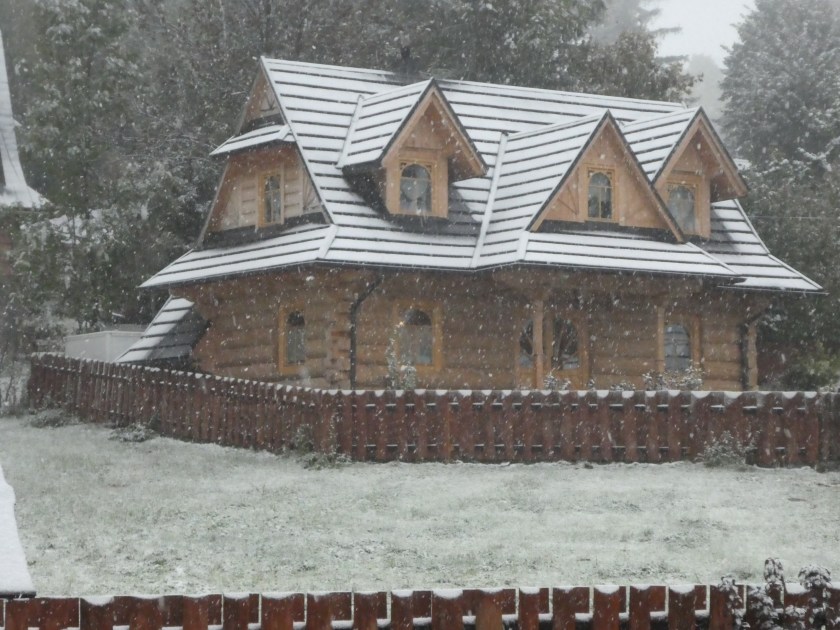
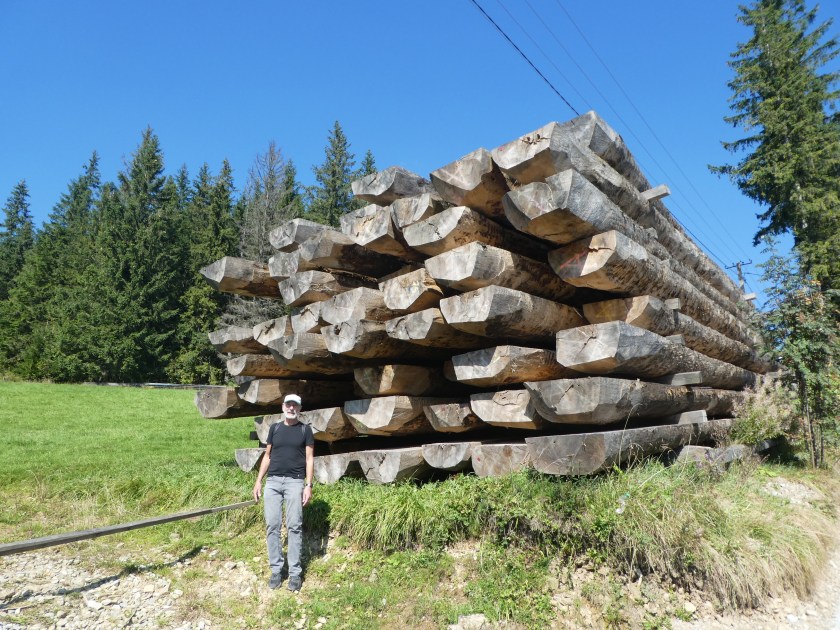
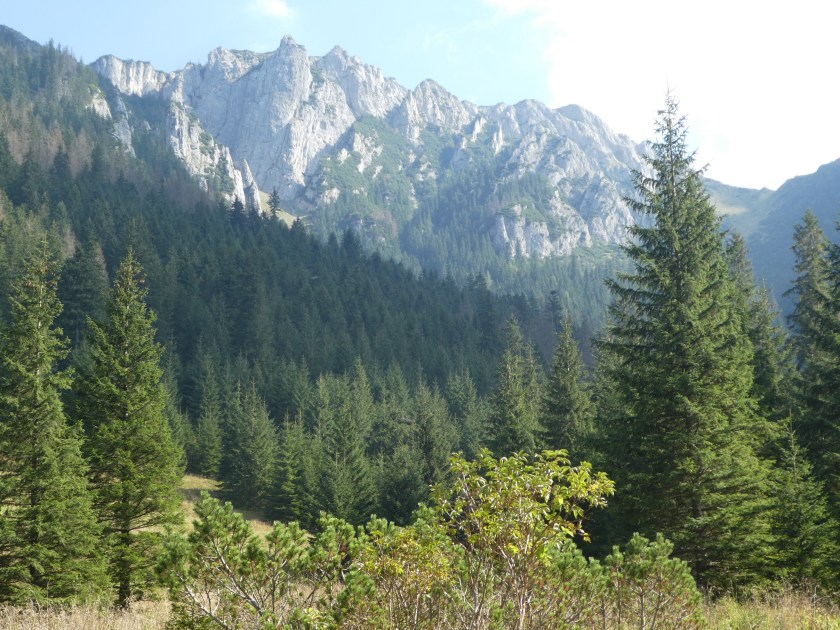
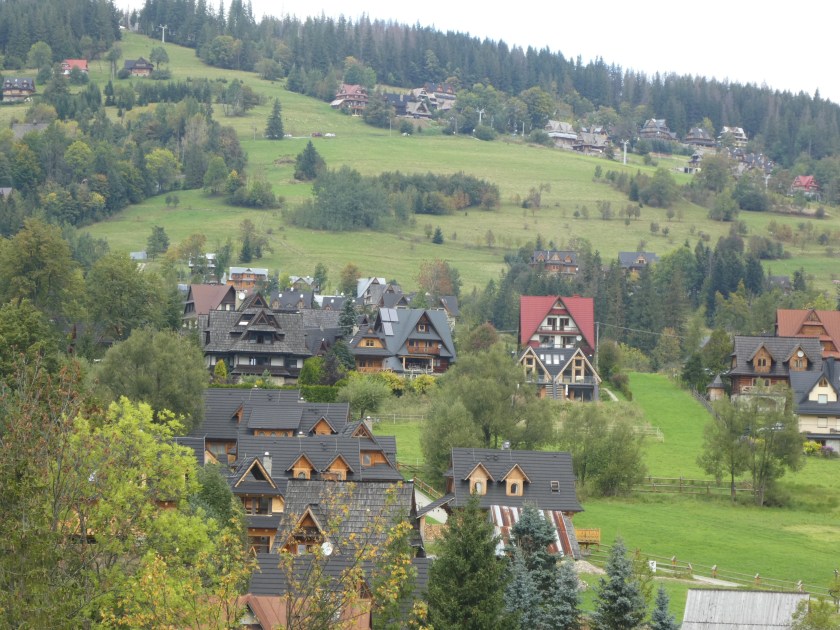
We never did explore the high Tatras, but we had a glorious time hiking the valleys near where we were located. We went on 4 hikes in the clean mountain air, ate great buffet breakfasts, and gazed in awe at the most beautiful log cabin type villas we’ve ever seen. Our villa was one such massive log home. The owner and builder lived in another one just behind ours. For our first hike, we explored the hills just behind Jedlicka Willa. There were so many of these ski chalets, one more beautiful than the next. We can only imagine how these places fill up in the winter when the snow begins to fall. We actually got a taste of that weather our last three days, when the weather turned nasty. Temperatures suddenly dropped from 75 to 28 degrees. Amazingly, we experienced sun, then heavy rain, and, on the day we left Koscielisko, a blustery snowstorm.

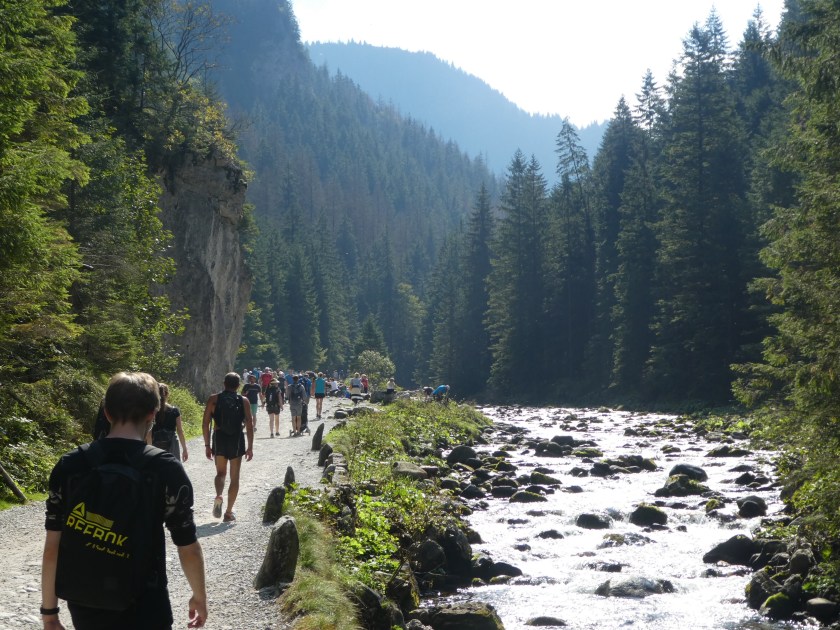
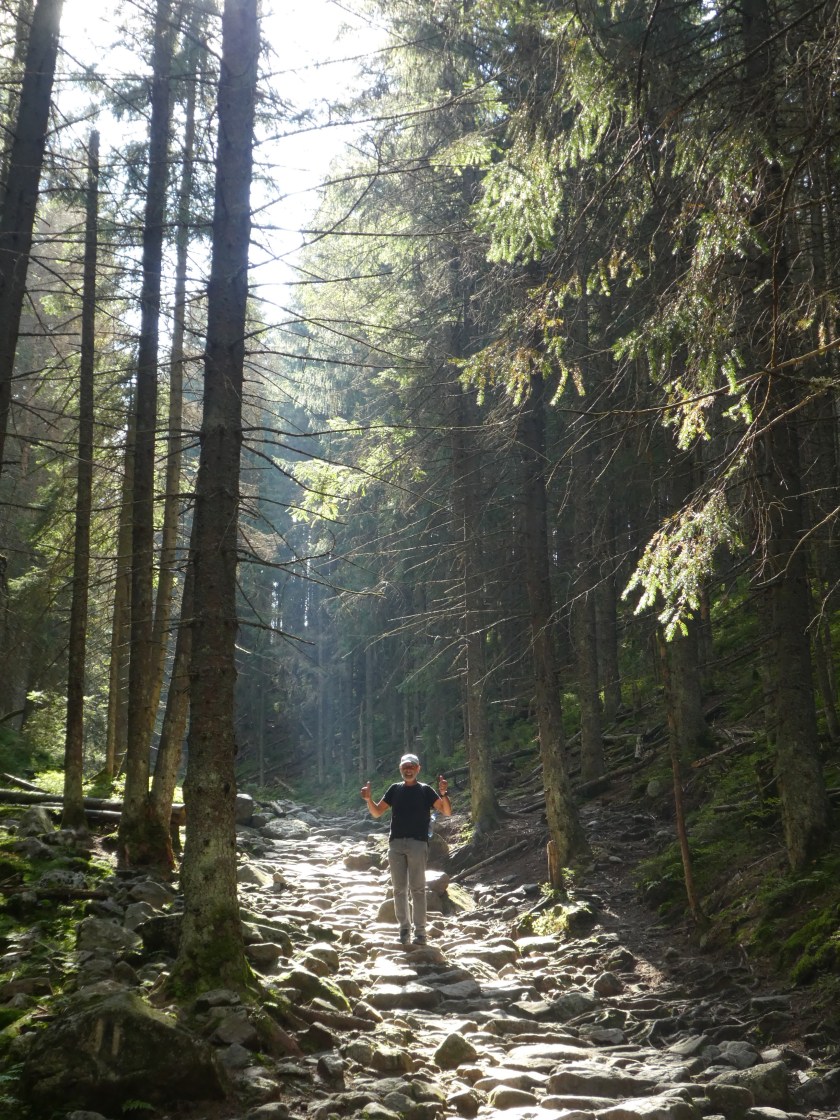
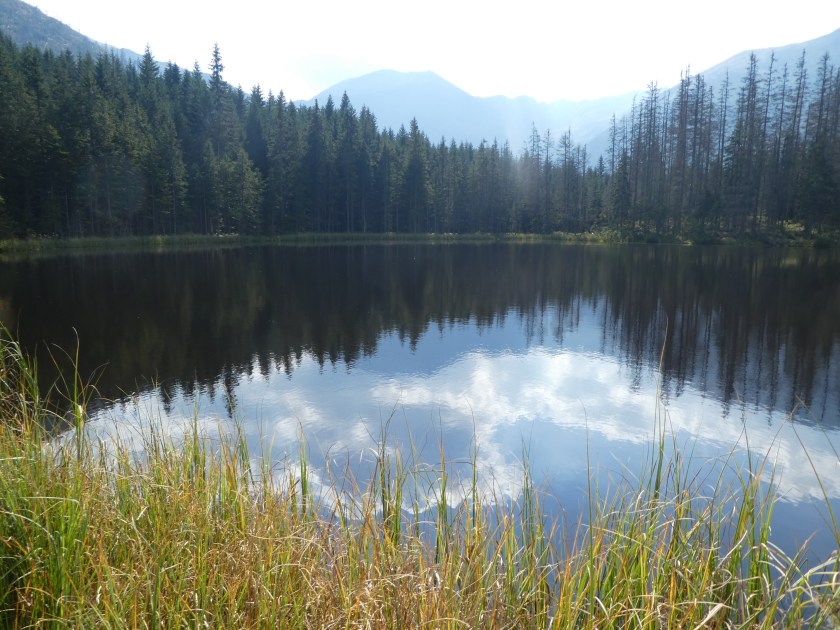
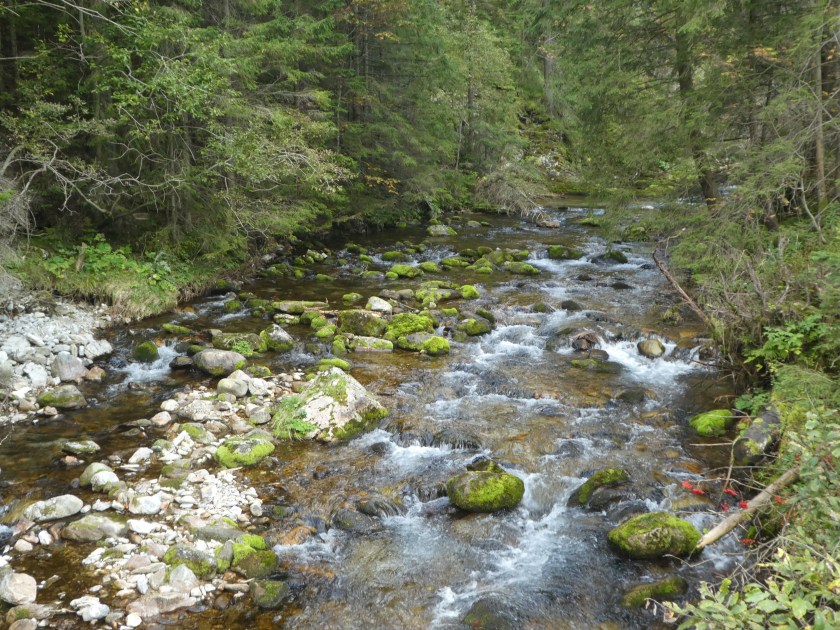
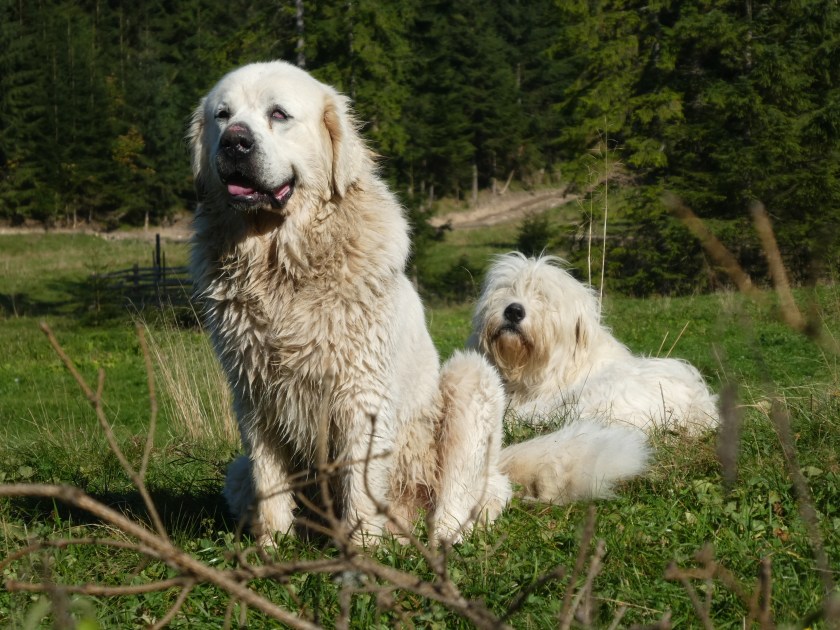
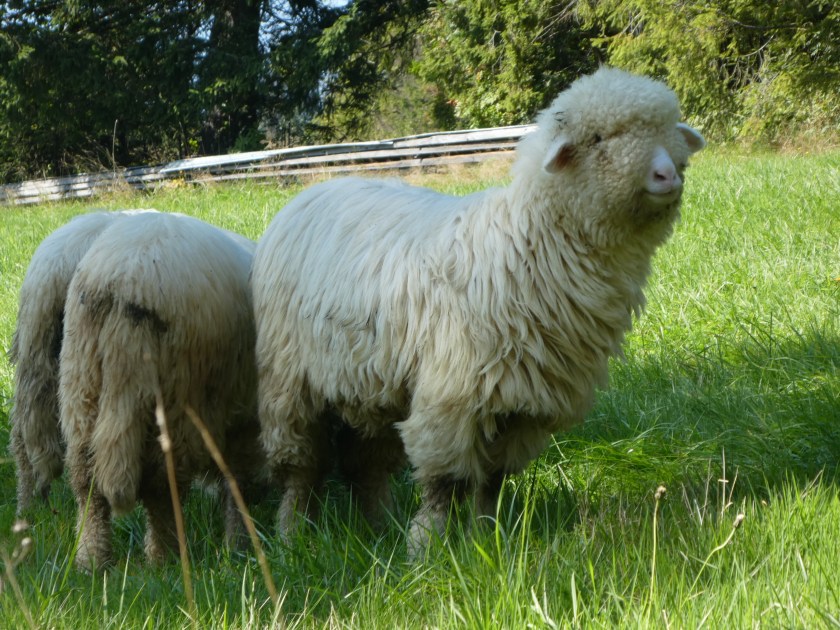
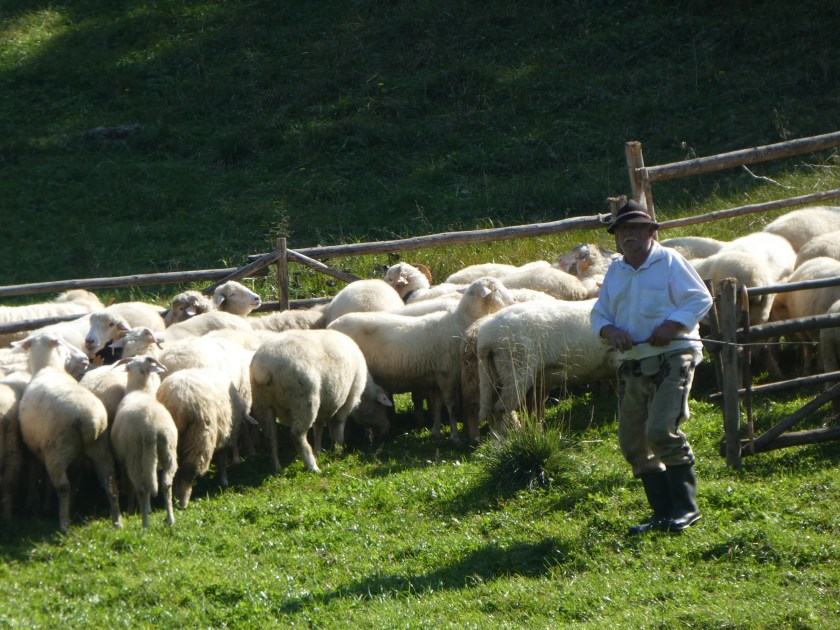
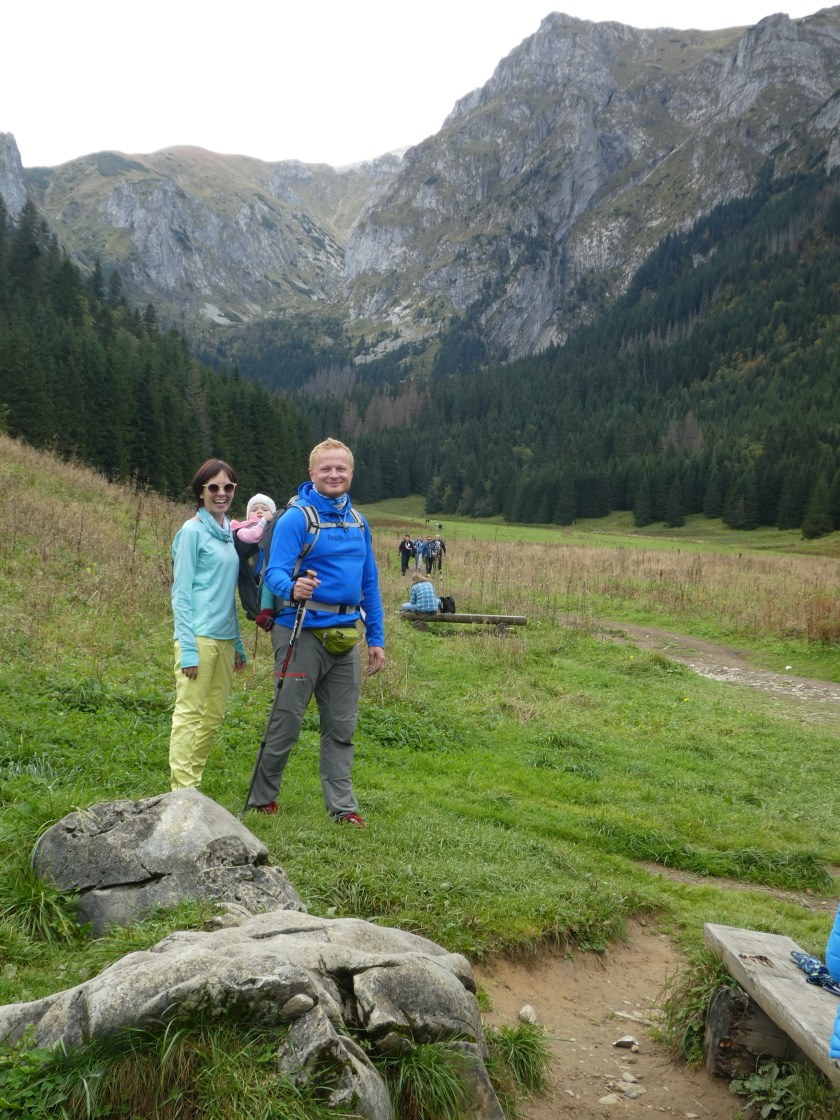
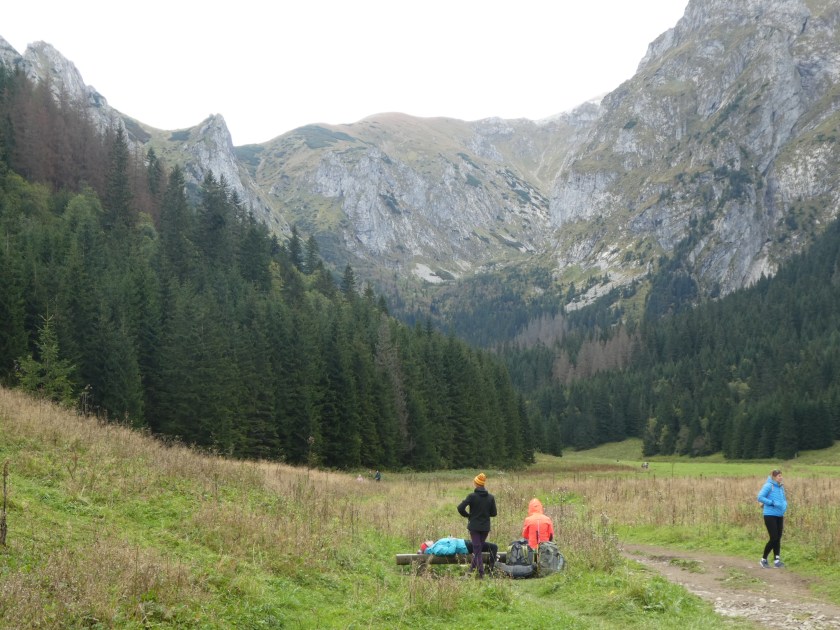
Hiking through Tatra National Park is quite different from most mountain trail hiking. The highest point in Poland is only 8200’. We hiked at probably a 4-5000’ elevation. Minibuses dropped us off at tourist trailheads where there is a small entrance fee. There are souvenirs, food, and drinks for sale. The main trails are mostly flat and wide, often paved, or laden with crushed or road rock. We saw sheep, Polish Tatra sheep dogs, and shepherds, dressed in traditional clothing, along the trail. There were small chapels, graves, cabins, and smoke-houses where cheese was made. We hiked 5 to 15 miles along small rivers, in green valleys surrounded by mountains, along with teens, young couples holding hands, folks pushing baby strollers, and older people supported by good hiking boots and hiking poles. We took a short steep side trail through woods that ended at a small, serene lake. Oddly, hikers aren’t allowed down by the water’s edge. There is a large deck there with benches where you can enjoy lunch, and the view.

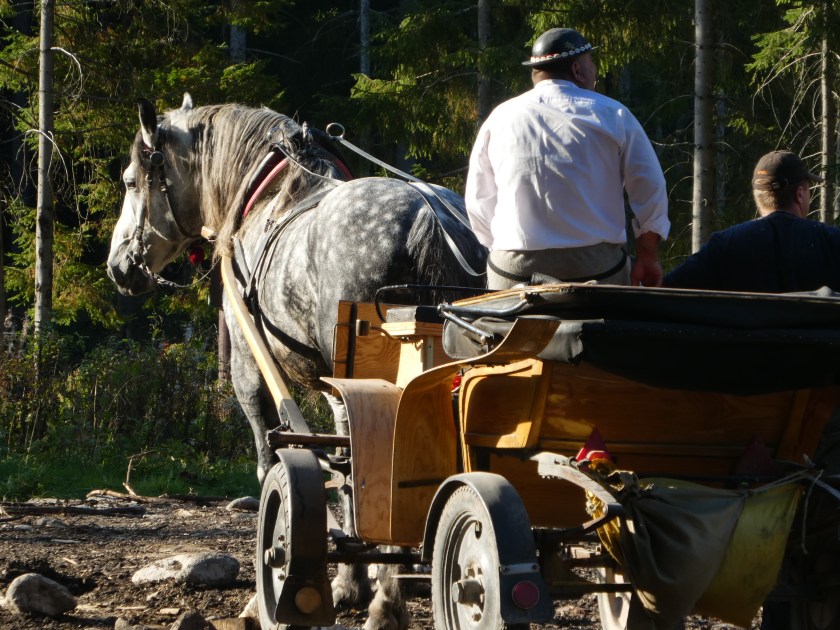
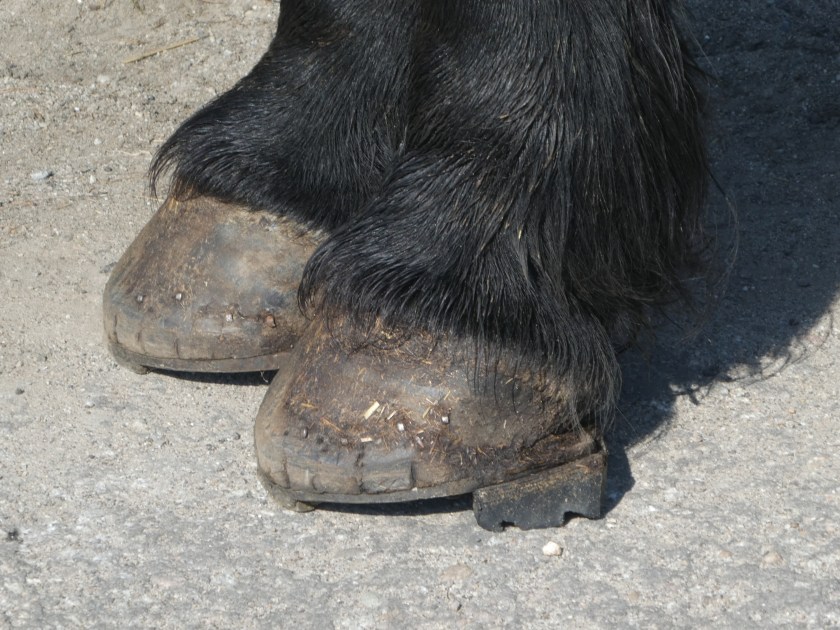
We also shared the road with joggers, mountain bikers, and horse-drawn carriages. The horses had pieces of wood attached to their shoes. These raised the front and back hooves to protect them from the rocks. At the end of each trail, there were big log restaurants where people gathered for food, drinks, including beer, and souvenirs, before starting back down to the car park and minibuses. Although there are some difficult uphill areas, the trails are really gentle compared to the Himalayas. We know folks that parked their baby strollers and put the kids in back and front carriers at this point. Everyone has a great time hiking along. Lots of older Polish couples come to enjoy the activity and take photos of themselves, fully decked out in hiking gear. We enjoyed ourselves in these picturesque mountains, but this was definitely not a “one with nature” experience.

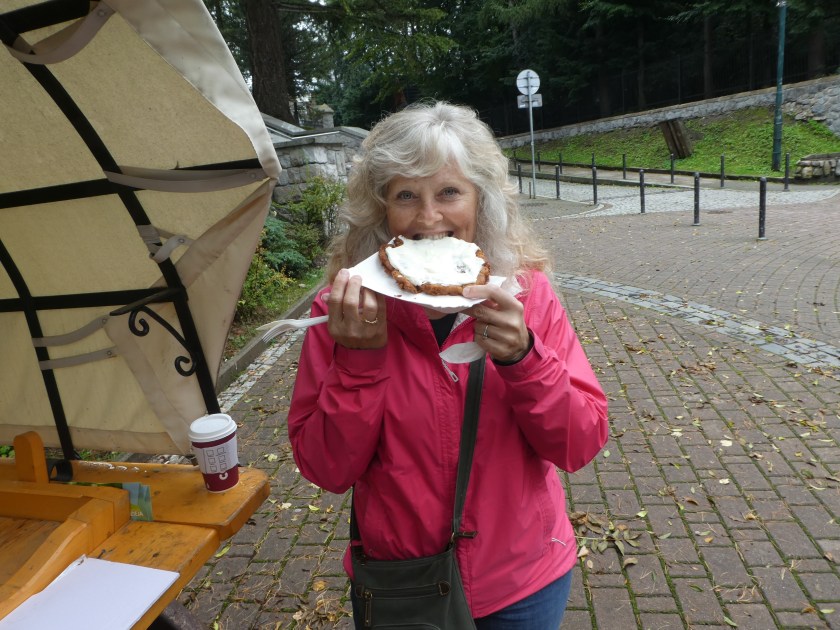
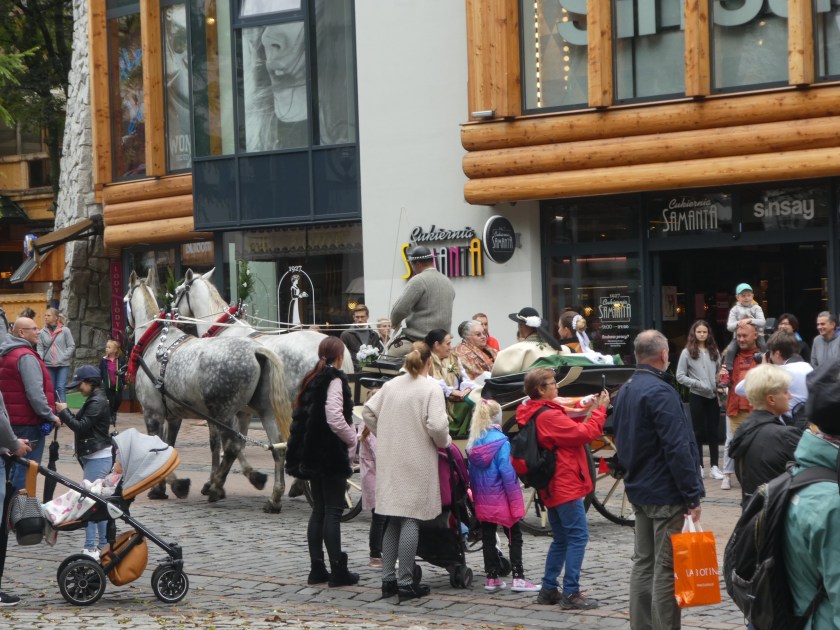
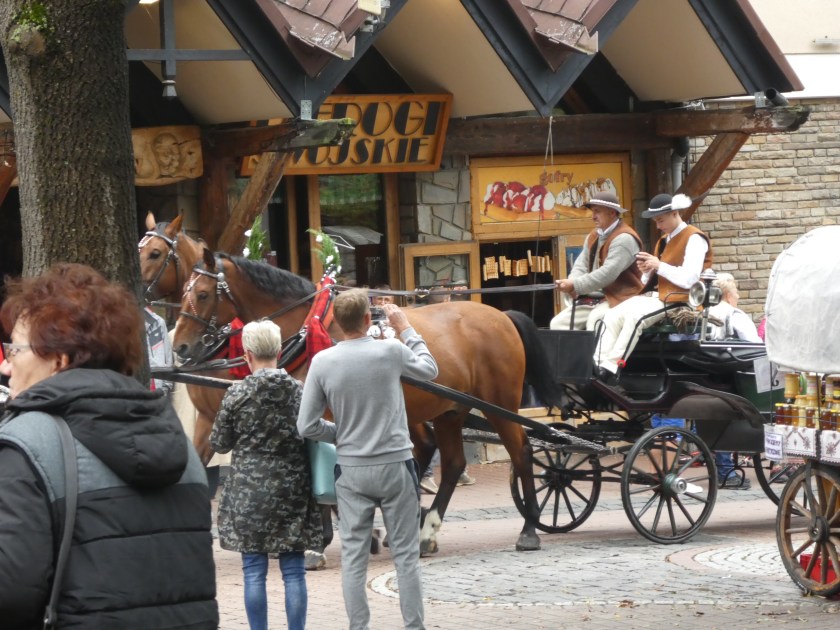
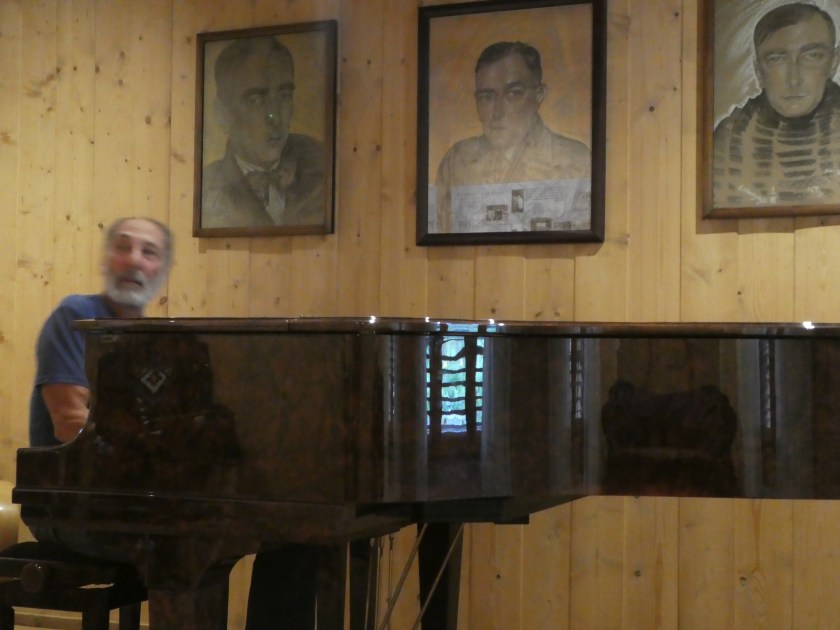
Towards the end of the week, when the weather turned rainy, we took the minibus into Zacopane to enjoy this tourist town’s ambiance. We sampled yummy pancakes, (placki ziemniaczane), lathered with sour cream, (smaki), watched a traditional wedding party go by in a horse and buggy procession, and visited the Atma house museum. It is the former home of Karol Szymanowski, a revered Polish composer. There was a Schimmel grand piano there that Bruce couldn’t resist playing. He was applauded by a small crowd for his half hour performance. One music student even asked for his autograph. 😍 She played and sang us a lovely jazz rendition of “Autumn Leaves” before we went our separate ways.

Early the next day, we left by bus for Kraków, and, two hours later, took a train to Wroclaw, Poland.

Surprising St Petersburg (Russia, N E Eur No 9)

Dear Friends and Family,

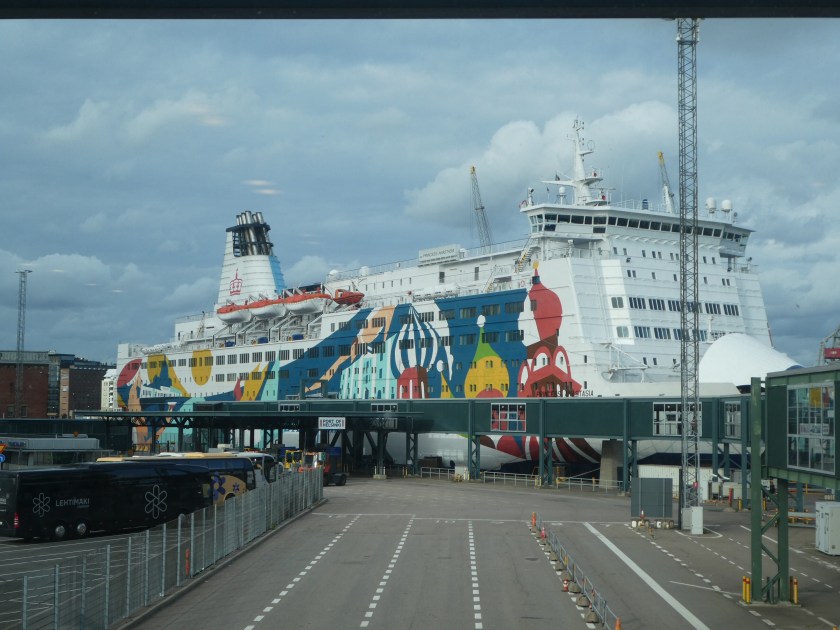
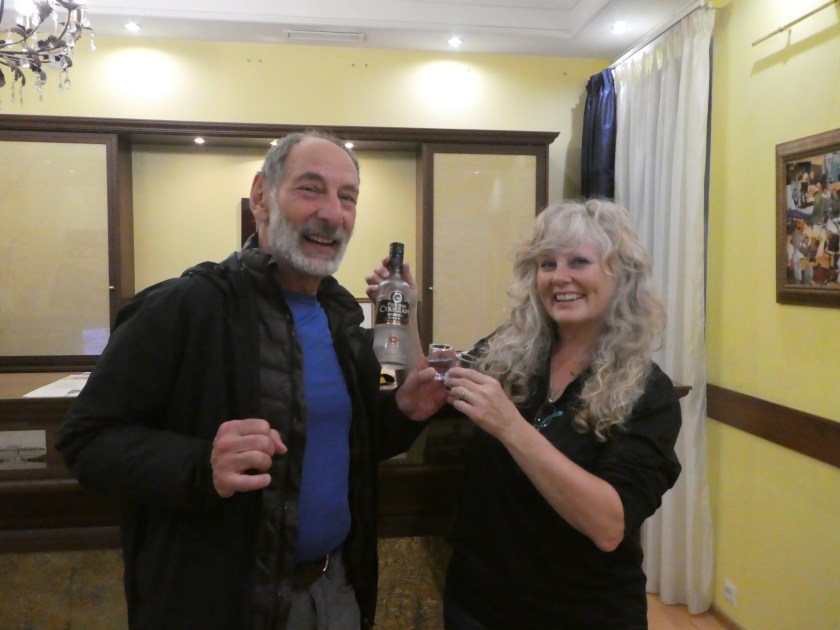
Our 14 hour overnight cruise to St. Petersburg, Russia left Helsinki at 7pm, but we were on board by 5 pm anxiously awaiting departure. We were entering the land of Putin and the KGB, an enemy land of spies and intrigue. (ominous music here) Maybe our upgraded cabin would be miked? Maybe we would be drugged and shipped off to Siberia! Claustrophobic Bruce has never taken an overnight cruise. He was really glad our cabin was on a higher deck, since most of the Titanic’s lower deck passengers never made it to the upper decks before the ship sank. We booked an upgraded cabin with two large windows and a queen-sized bed. Our booking included two champagne breakfast buffets. We also received a fruit basket and a fridge stocked with wine, beer and other beverages, all complimentary! We were glad we upgraded. Our $800 cruise allowed us to enter Russia for 72 hours, visa-free. Otherwise, it would have cost us $700 and several months to obtain the visas. Well, nothing alarming happened during the cruise, or during our two night stay in St. Petersburg. We did feel the boat’s gentle rise and fall in the water as we crossed the Baltic Sea, but we didn’t feel ill. Our ship cruised up the Neva River and docked on time. As priority passengers, we were allowed to disembark before many others, which saved us at least an hour. We had no trouble finding our hotel near our shuttle van’s drop off point at St. Isaac’s Cathedral. The Cathedral is near the Bronze Horseman Monument, a gift from Catherine II to Peter I. The receptionist at the Comfort Hotel greeted us at 10am with a hearty “Welcome to Russia!” and free shots of vodka. 😜

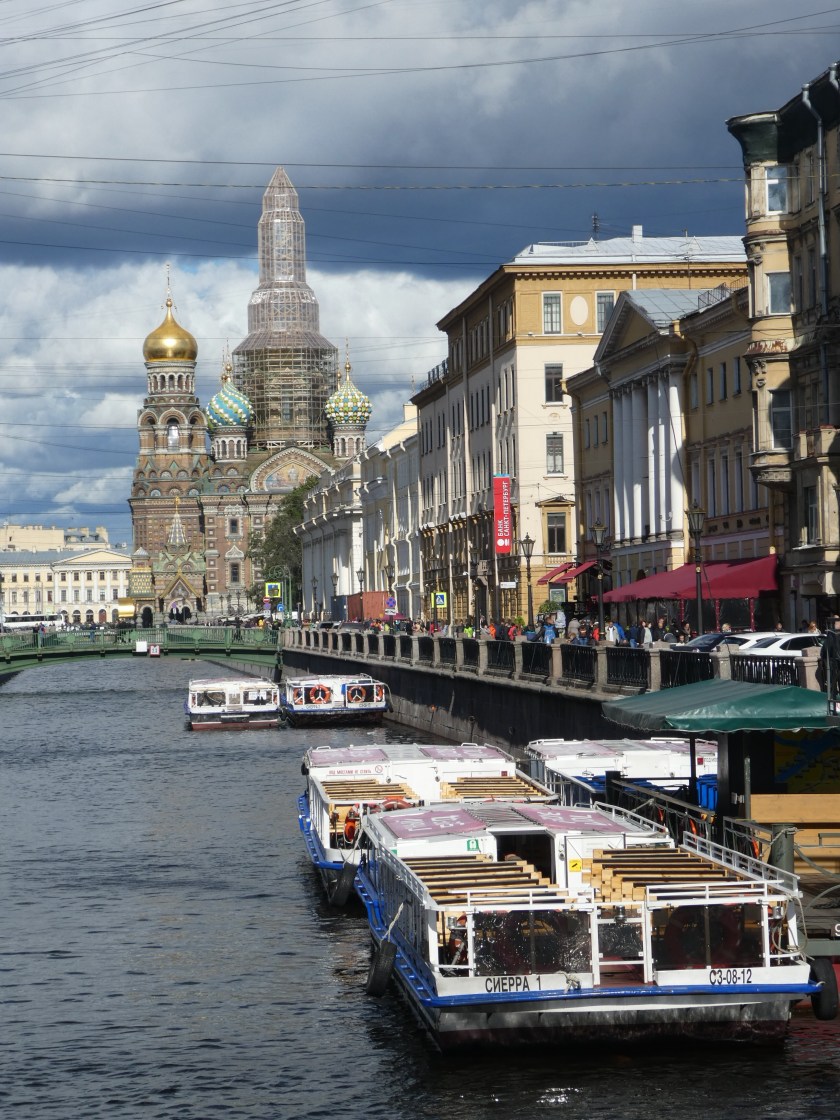
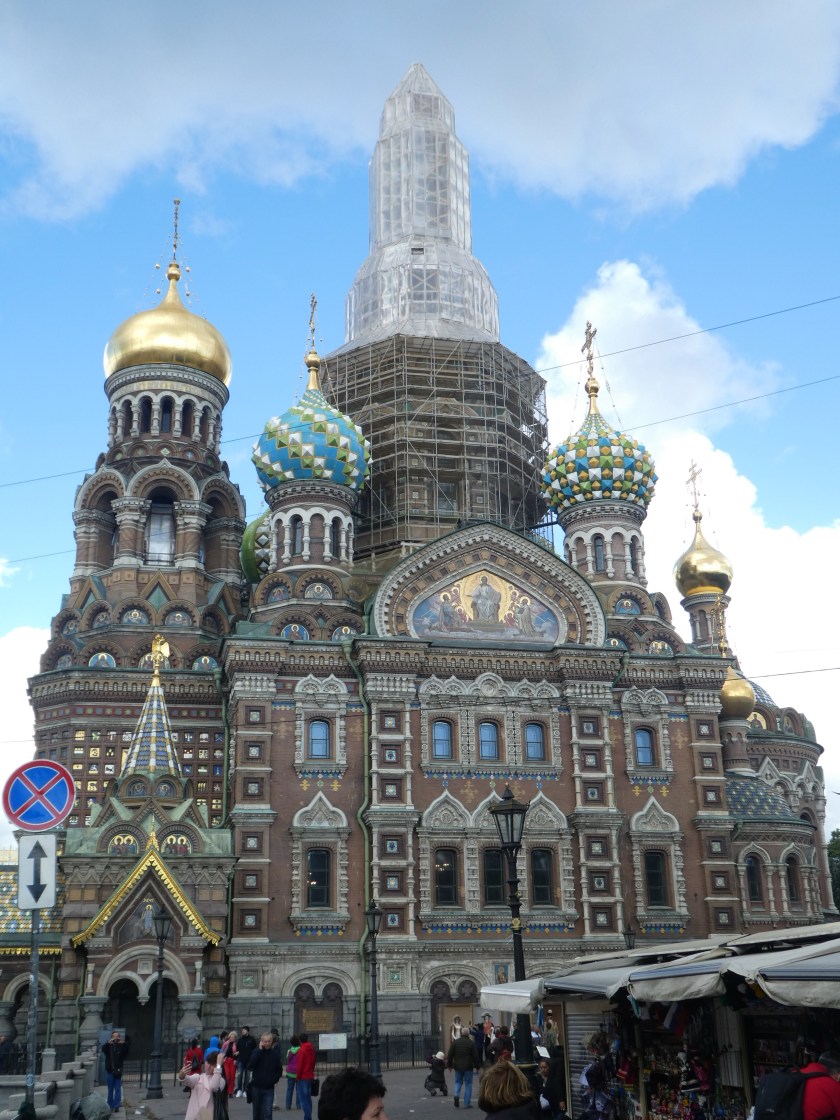
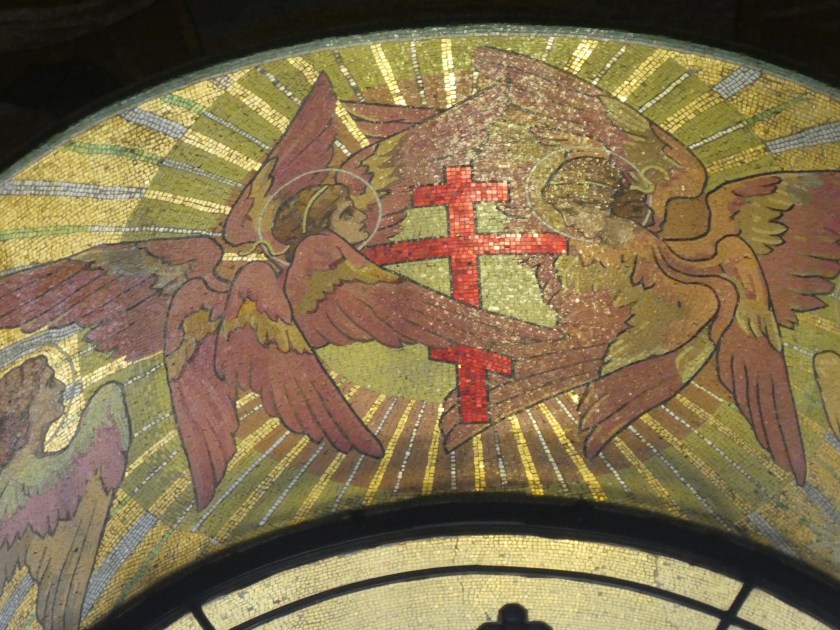
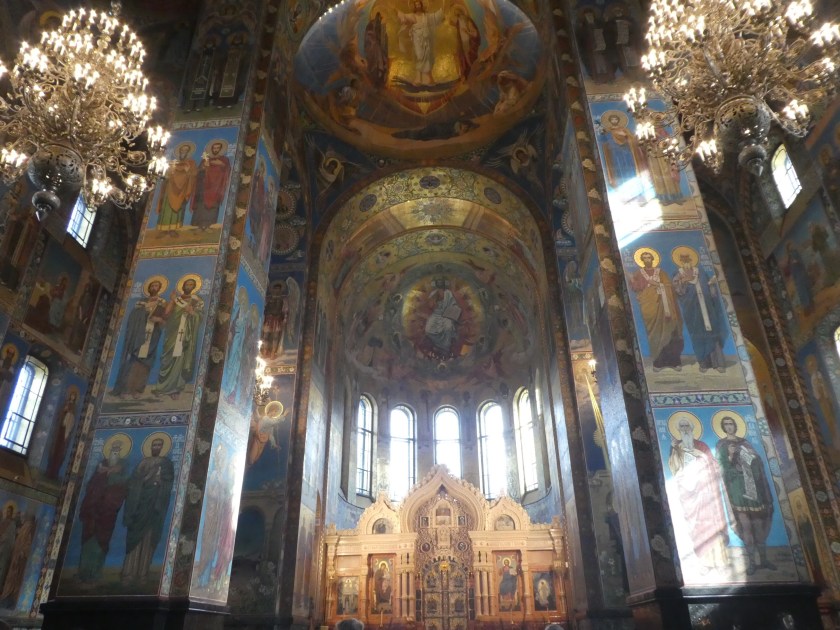
The hotel is in a great location, very close to Nevsky Propect, the tourist heart of the city. We strolled this great avenue with hundreds of tourists from every country in the world. Unlike most of Eastern Europe, Russia’s historic architecture is very much intact. Largely destroyed by the Germans during WWII, it has been painstakingly rebuilt. The buildings and Russian Orthodox cathedrals are so beautiful! Our favorite church was the “Cathedral of the Savior on the Spilled Blood.” It was built over the spot where Tsar Alexander II was murdered. The exterior has a colorful onion-dome design, and the gorgeous interior is completely covered in mosaic designs. Some of the tiles are covered in gold or bronze copper foil so they shimmer in the light.

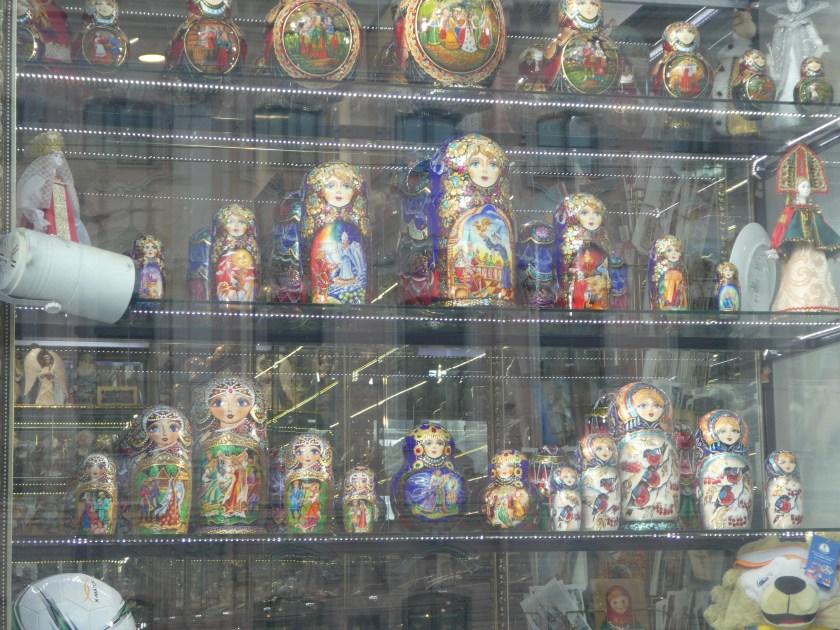
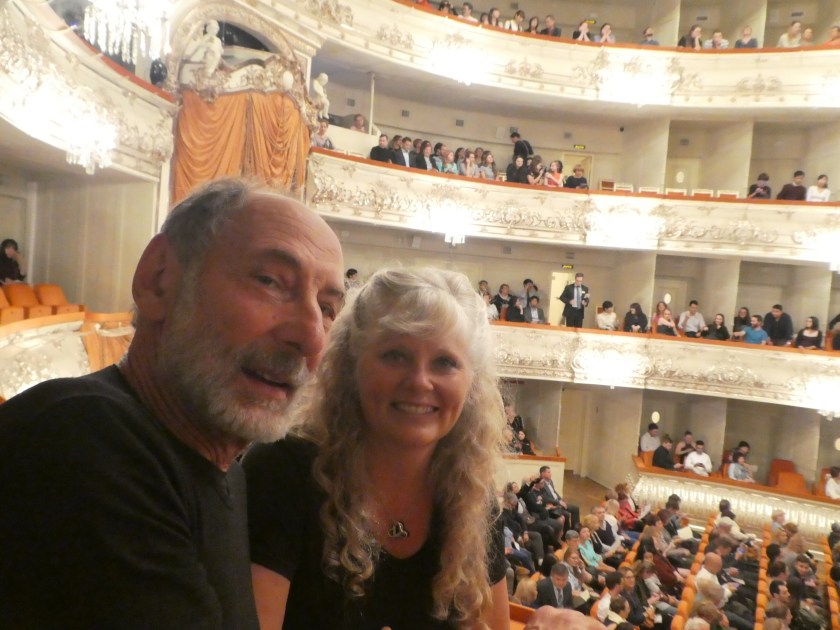
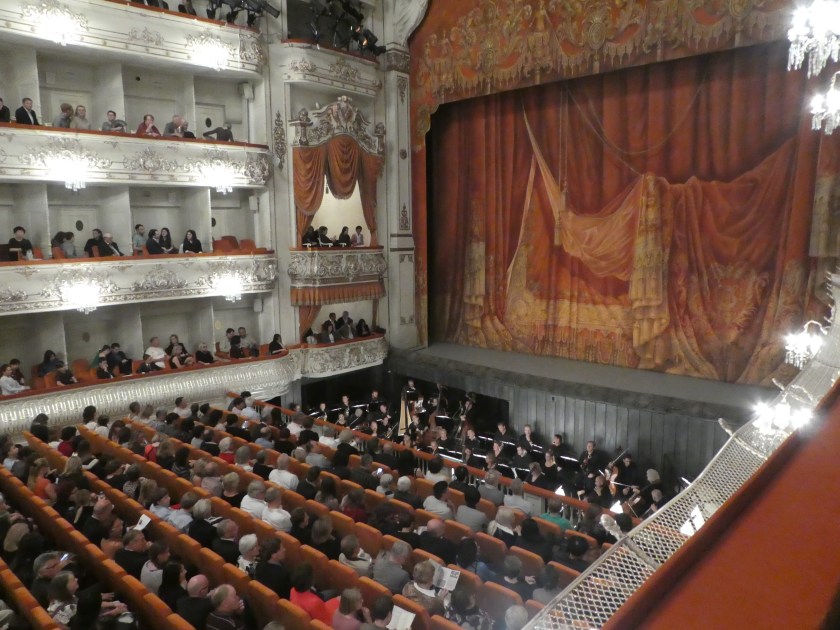
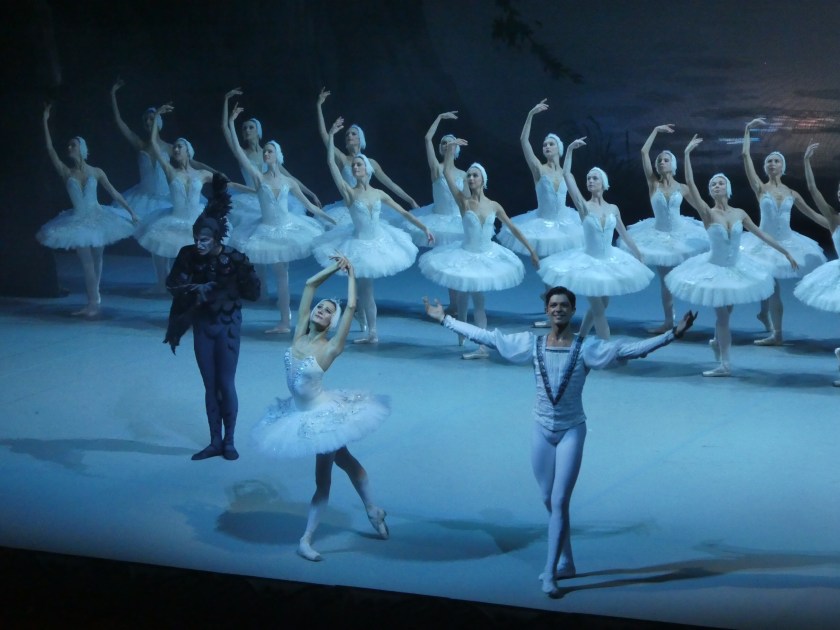
We were lucky enough to get tickets to the Mikhaylovsky theater performance of Tchaikovsky’s Swan Lake. We were in a lodge box on the second balcony and had a great view of both the orchestra and the ballet dancers. The performance was truly superb. What a treat! We purchased a video copy of the ballet as a souvenir. The U.S. dollar is a strong currency here, and the food is delicious, so we had fun eating out and shopping for souvenirs. One evening we found Reca, a “farm to table” restaurant filled with locals. We joined them for Russian peasant style cuisine. We loved the borsch. It’s a beetroot based broth with carrot, cabbage, tomatoes and bacon. The vareniky, potato dumplings filled with mushrooms and onions, and the pelmini, aka. Siberian Dumplings, which are filled with minced meat and topped with sour cream were equally delicious. We washed it all down with Kriek, a cherry beer we first tasted in Bruges, Belgium. We found a Russian chain restaurant called Teremok and ate there on our second day. We tried savory bliny, Russian pancakes with various fillings. We shared two bliny, one with ham and cheese, and another with chicken, mushroom, and cheese. We had a sweet bliny for dessert, filled with creamy caramel and apples. Yummy!

The St Petersburg city center is a UNESCO World Heritage listed site. We absolutely loved it there! St Petersburg was named after its founder, Tsar Peter the Great, in 1703. It was later named Leningrad, in honor of the founder of communism, Vladimir Lenin. With the fall of the Soviet Union in 1991, the name reverted back to St Petersburg. It is sometimes called the “Northern Venice,” because it contains 65 rivers, lots of canals, and over 300 bridges! The city was awarded the title “Hero City” in 1945 to honor its citizens for their tenacity and bravery during the 29 month “Siege of Leningrad” from 1941-44. The city is fascinating as well as beautiful and we hope to return for a longer visit someday.

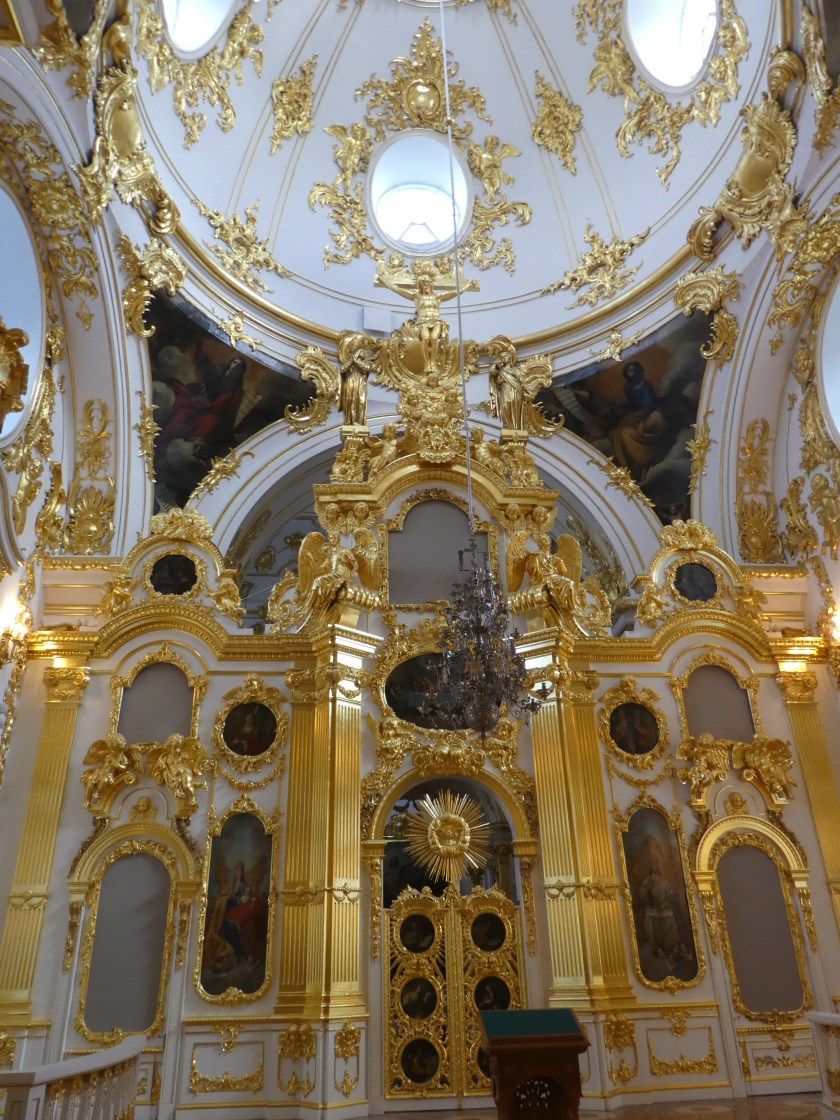
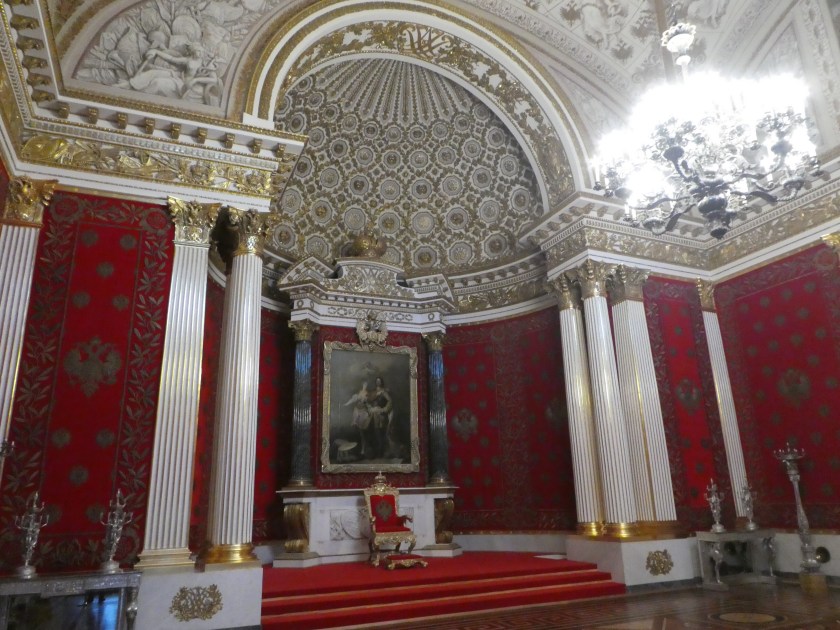
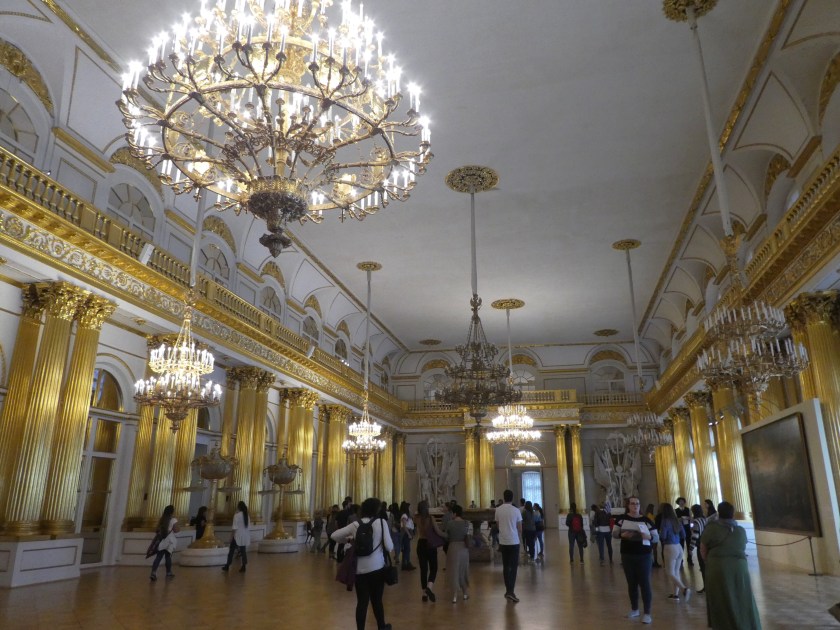
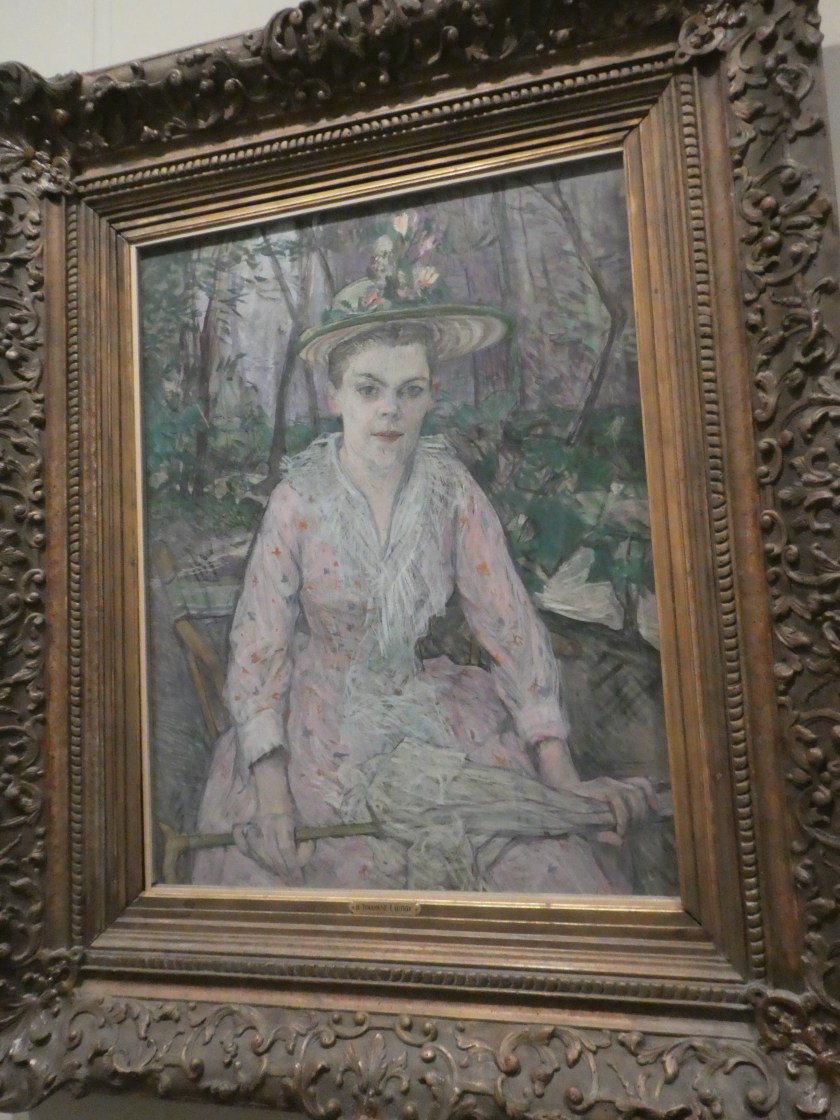
We made time for visits to the the Hermitage and the Faberge museums. Our entrance fee into the famous Hermitage museum was only $8 because a tour guide let us in as part of his group. It is second in size and content only to the Louvre in Paris. The art collection here was begun by Catherine the Great. After the 1917 Communist revolution, the Soviets added the works of rich private collectors who fled the country. We saw rare works by Gauguin, Van Gough, Renoir, Rembrandt, Monet, Manet, Matisse, Cezanne, Picasso, and Degas. With over three million works of art and treasures, we were enthralled. The museum itself is breathtaking. One of the six buildings was the Tsar’s winter palace. Some of the rooms rival the Palace of Versailles in their opulence. No wonder the people rose up and overthrew the Tsar in 1917!

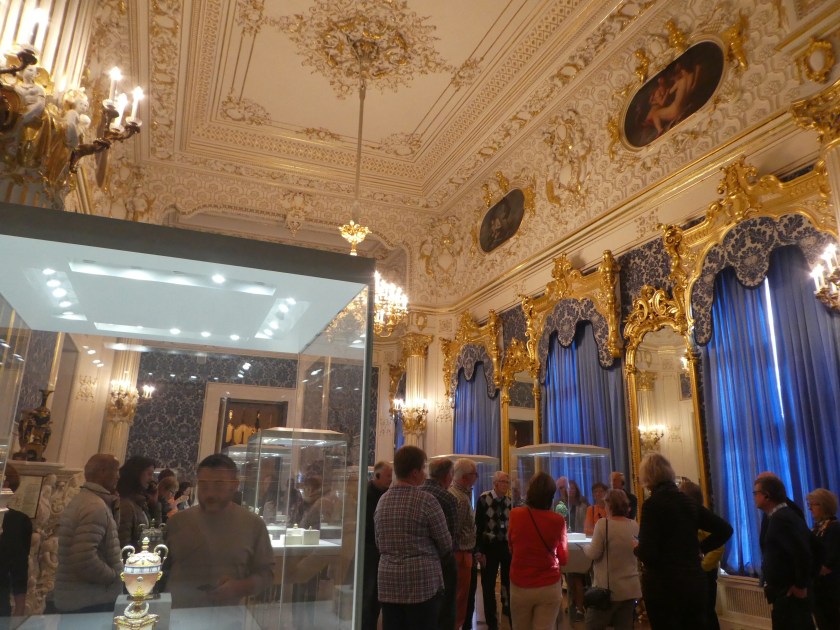
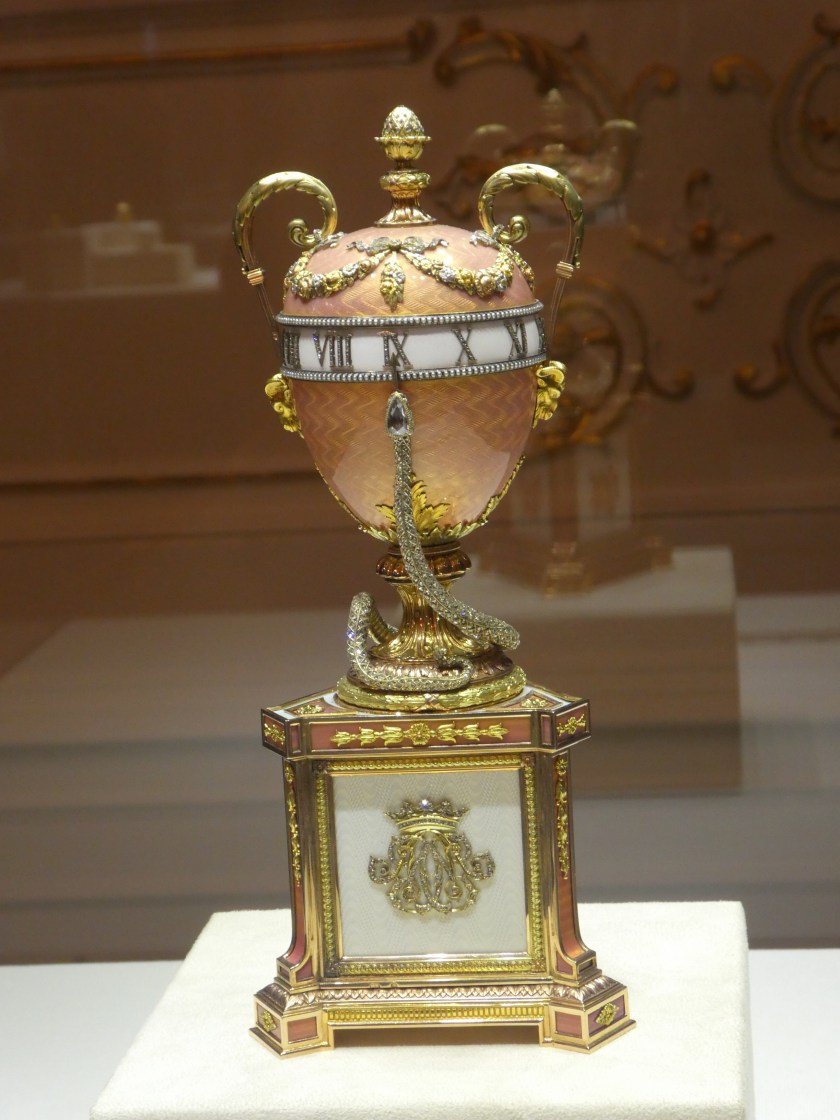
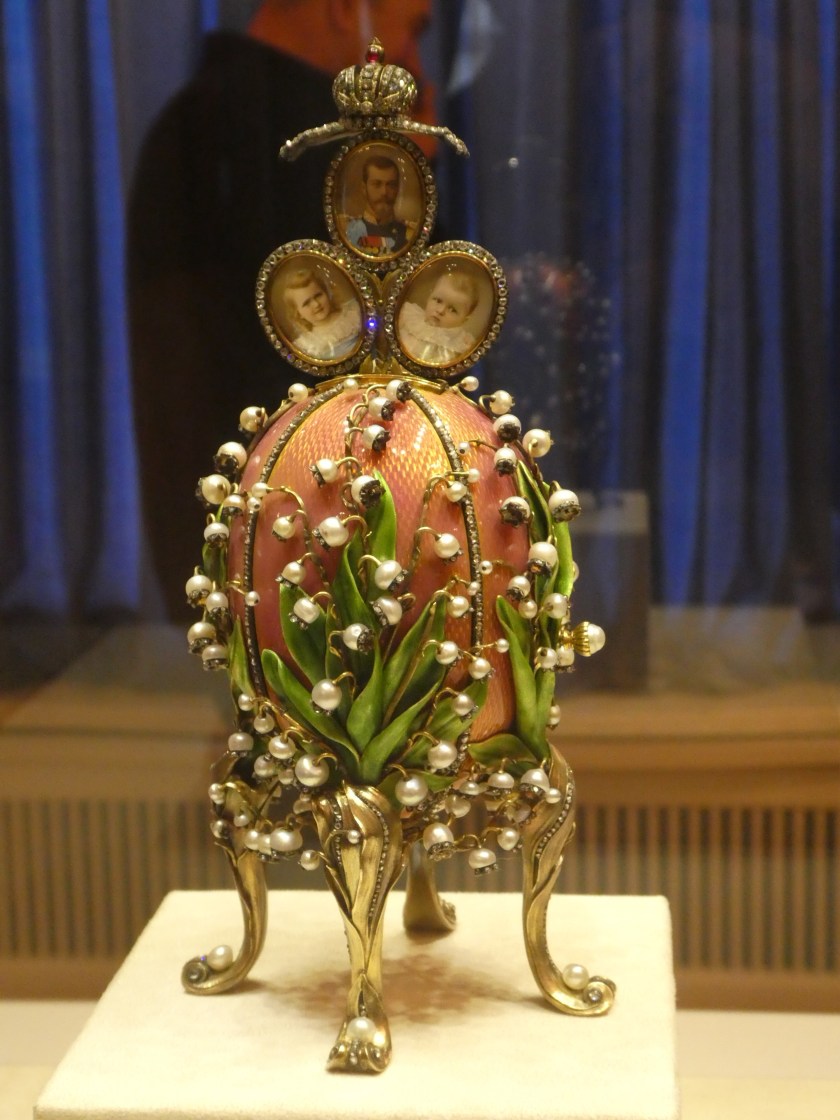
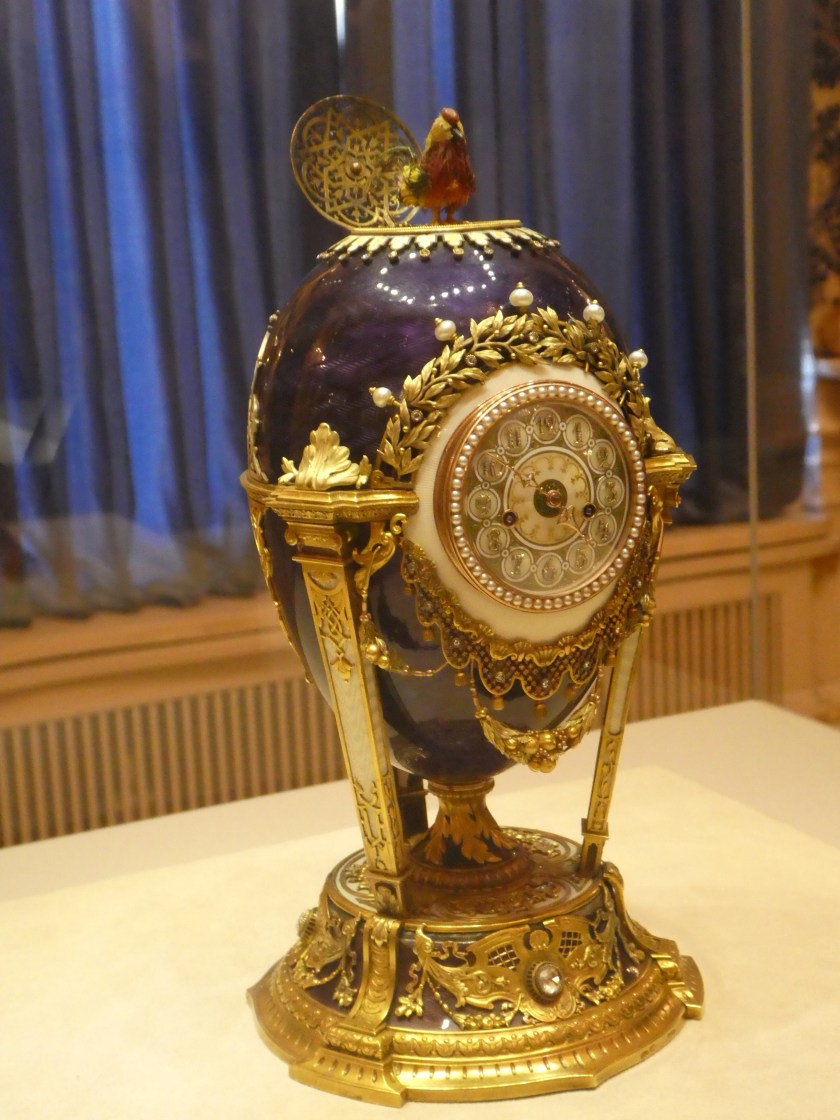
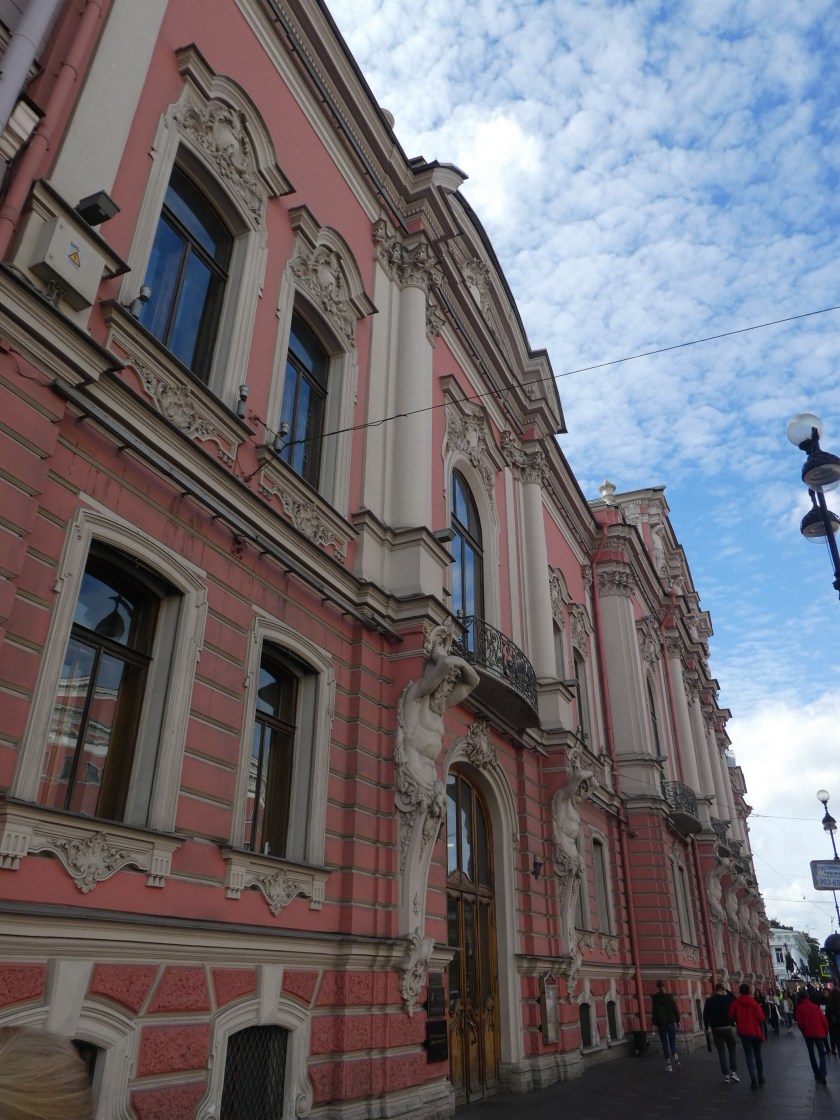
The Faberge collection of nine Easter eggs created for the last two Russian Tsars and their families is on display at the Shuvalov Palace. Both the grand palace and the art were really impressive. Each Faberge egg is different and of a unique, intricate design. They included built in clocks, small brightly feathered birds that pop up and chirp, music boxes, tiny ink portraits of the nobles, precious stones, and beautiful enamel. Each egg took about a year to make. Some of the eggs have hidden compartments with jewelry or miniature objects. One had a detailed replica of a royal carriage. In addition to the eggs, there are over 4000 other treasures in this museum, including jeweled snuff boxes, coffee/tea sets, paintings, swords, etc. The value of the treasures we saw in both museums is mind-boggling!

Our whole experience in St Petersburg was surprisingly wonderful. We were so glad we went and look forward to returning to Russia one day. Next time, we will obtain regular visas and stay longer!

We’ll write again from our next stop, Zacopane, Poland.

Hugs to All,

BnL

Foodies in Finland (Helsinki, N E Eur No 8)

Dear Friends and Family,

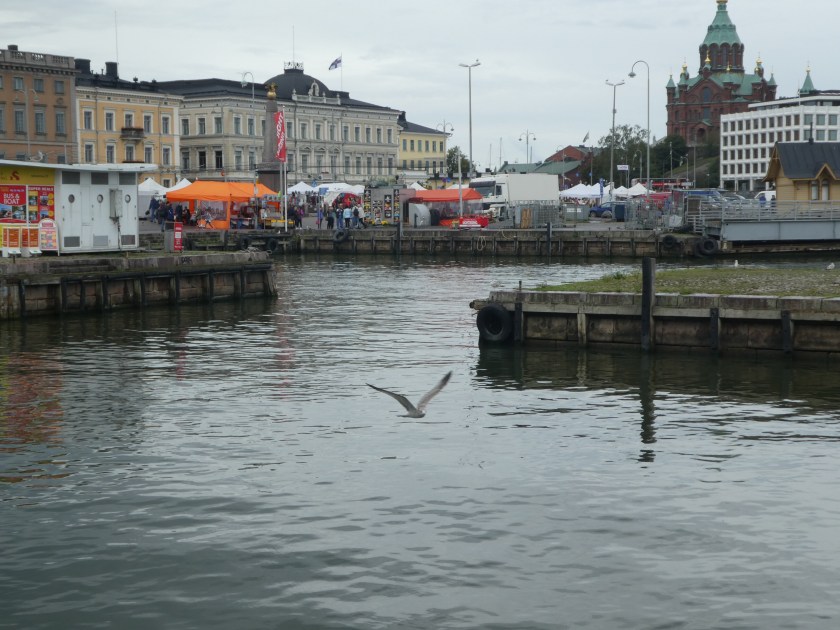
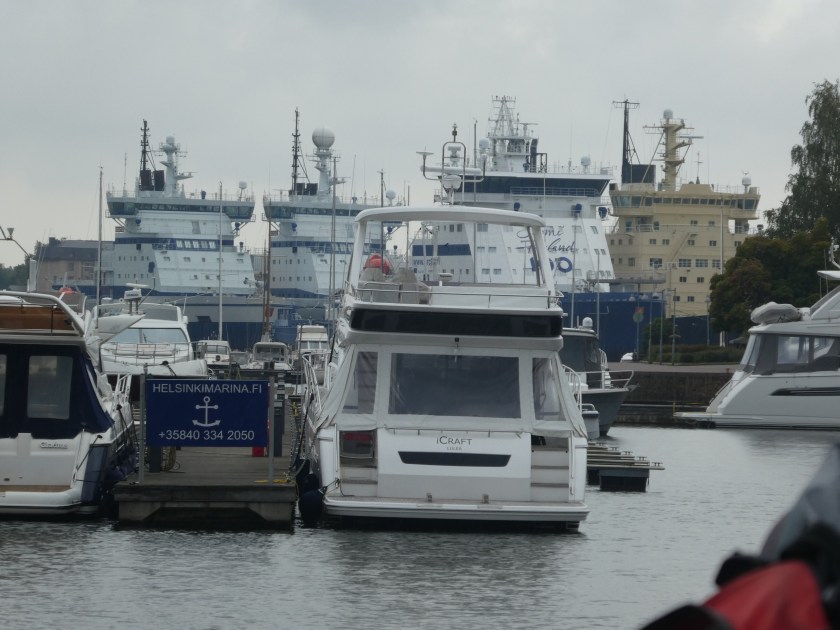
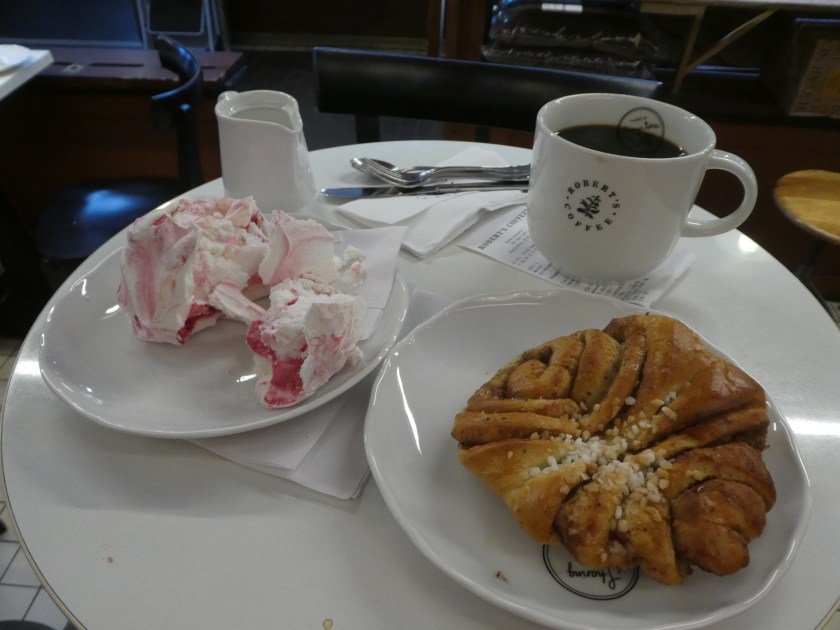
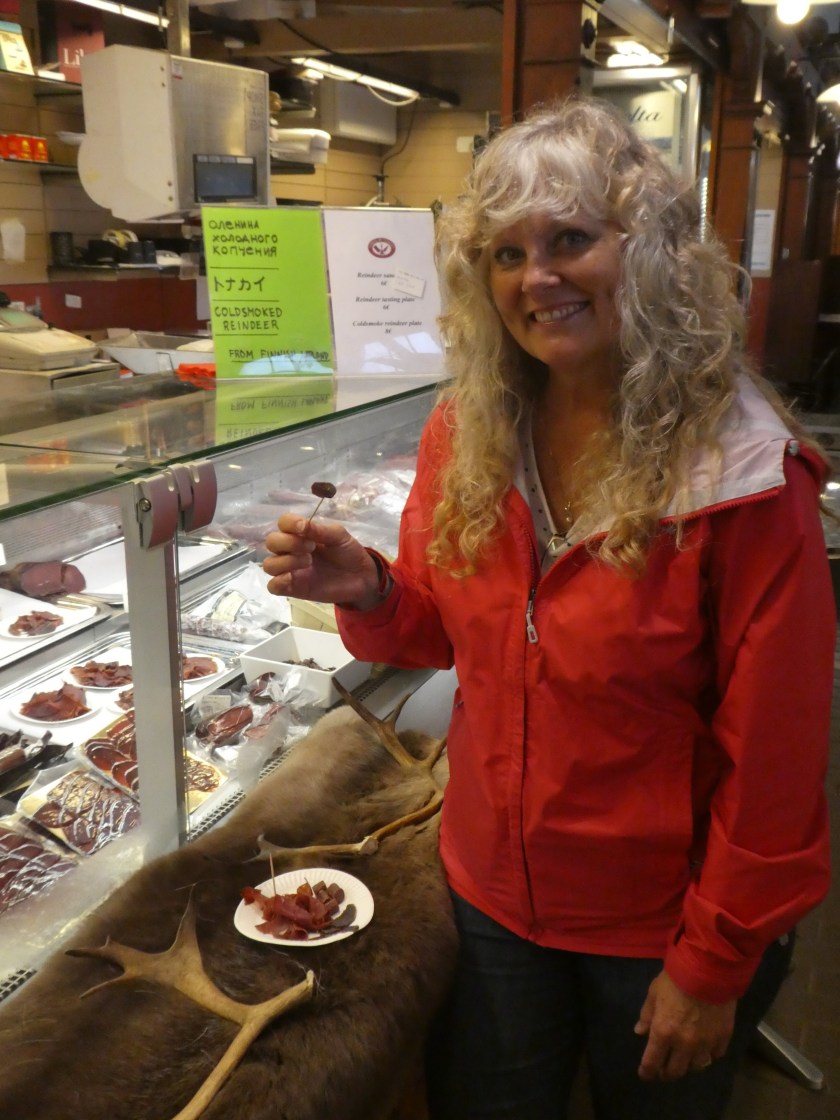
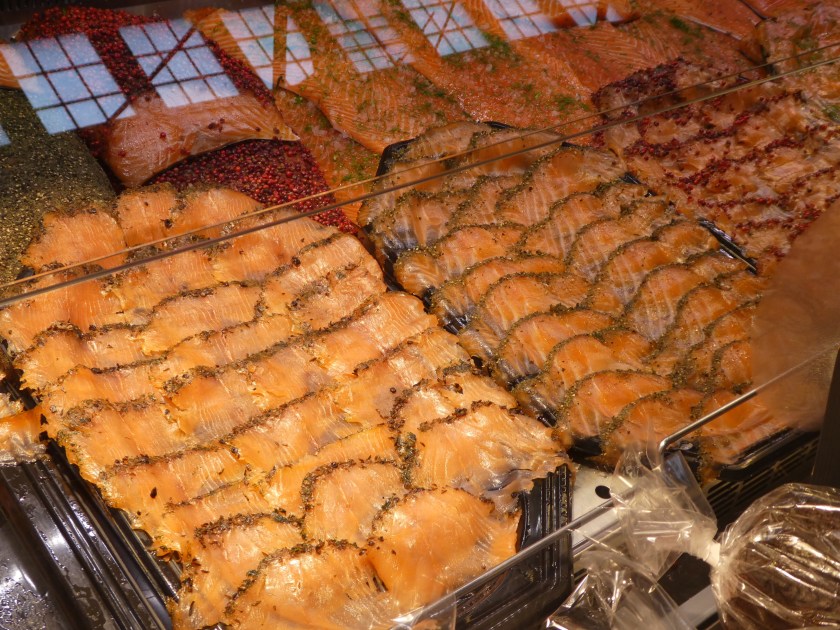
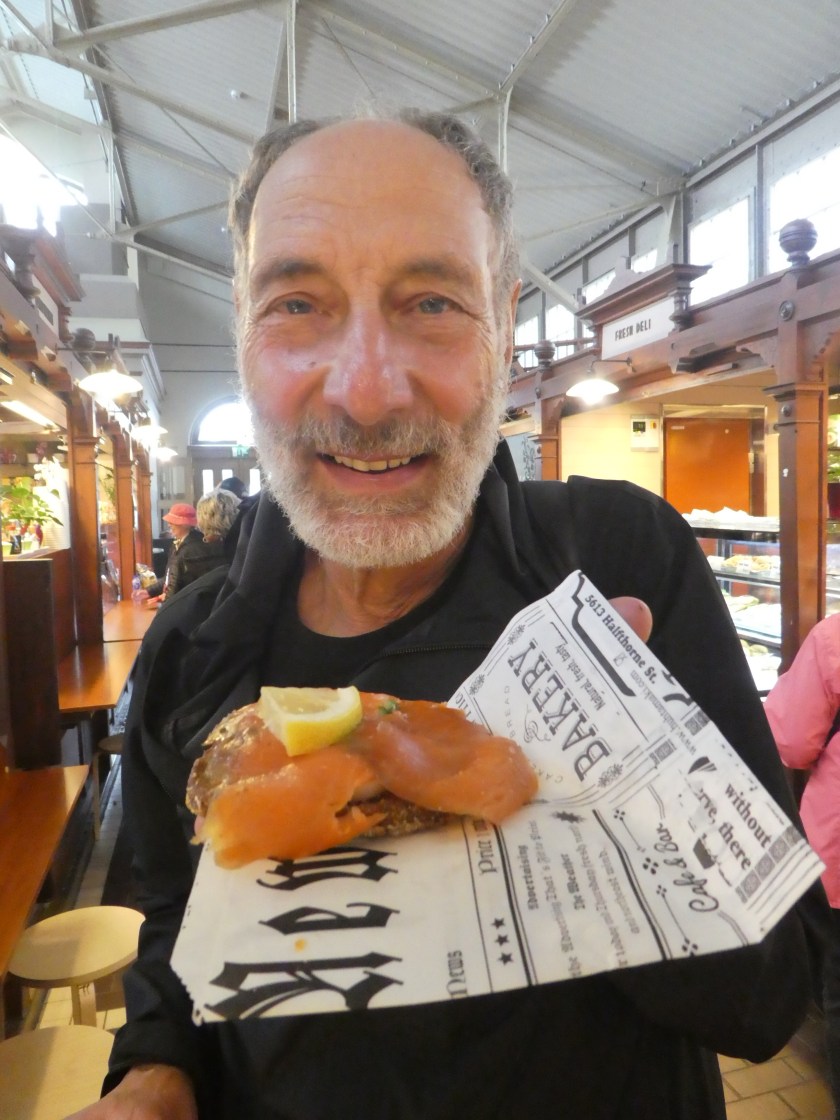
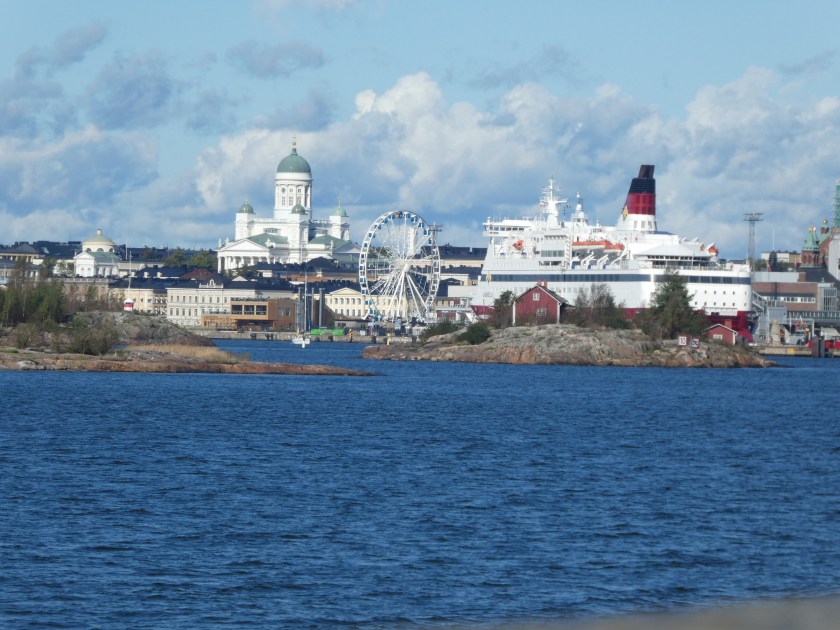
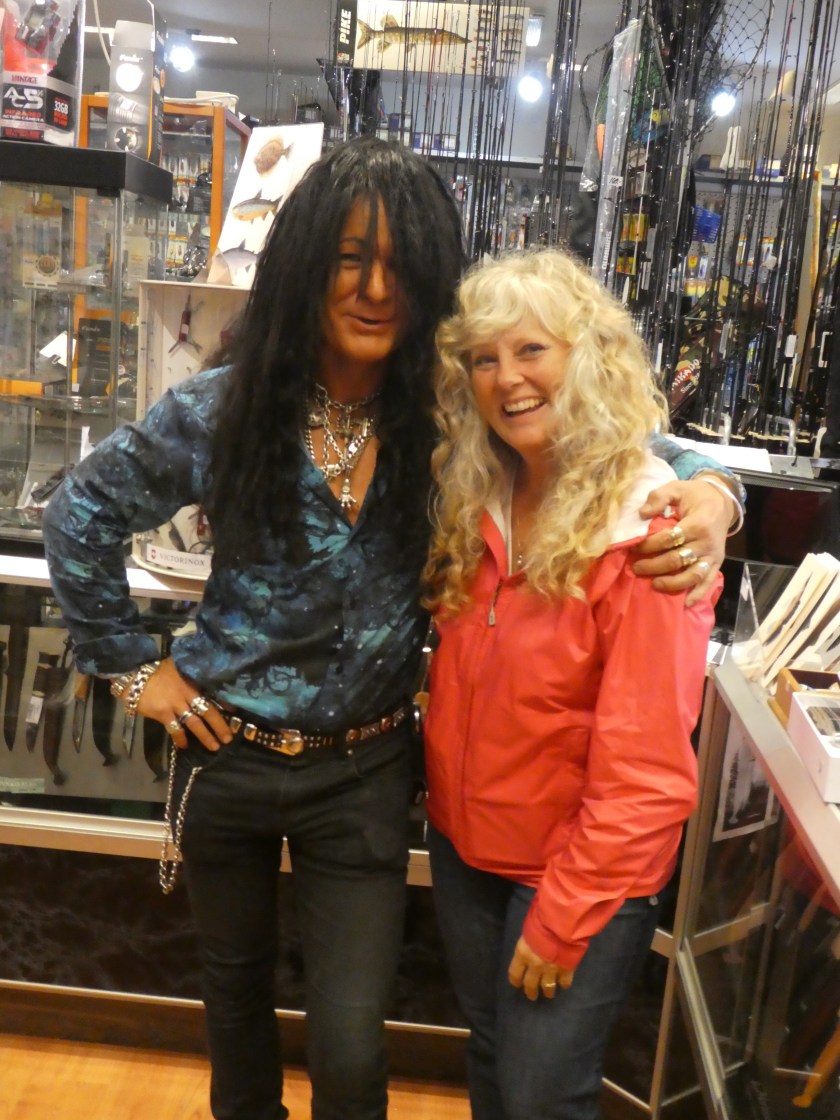
Helsinki, Finland is an easy 2.5 hr ferry boat ride from Tallinn, Estonia on the Baltic Sea, across the Gulf of Finland. There are several boat terminals in Helsinki for everything from small sailboats to ferries, cruise ships, and even huge “ice-breakers.” The ice-breakers keep the port open during Finland’s extremely harsh winters. The harbor is small and picturesque, with market tents in the center square selling grilled salmon and lots of souvenir trinkets. There’s an indoor market nearby with more goodies like salmon soup, different kinds of reindeer, and moose meats, giant cinnamon rolls, crispy meringue with fruit swirls, coffee and beer. Fins drink the most coffee per capita in the world, and they have perfected the brew! Linda was in coffee heaven! They make wonderful creamy Fraser chocolate, and a salted licorice called “salmiakki.” Fins say that eating it is practically a requirement for citizenship. We sampled the pastries, the delicious salmon soup, smoked salmon, and dried moose meats. Then we ambled down the Esplanade to the nearby crowded downtown. The Esplanade is lined with high end clothing and jewelry stores. We watched women trying on baubles as they were being served bubbly champagne. It reminded us of the Champs Elysees in Paris. At the end of the Esplanade is a high end department store, Stockman’s, with several levels of clothes, food, accessories etc. We found really good fresh bread in their bakery. Bruce loved the rye, called “ruisleipa,” which is actually a national dish of Finland. We went to a pretty cool outdoor store and the long-haired salesman and Linda bonded over fishing lures.

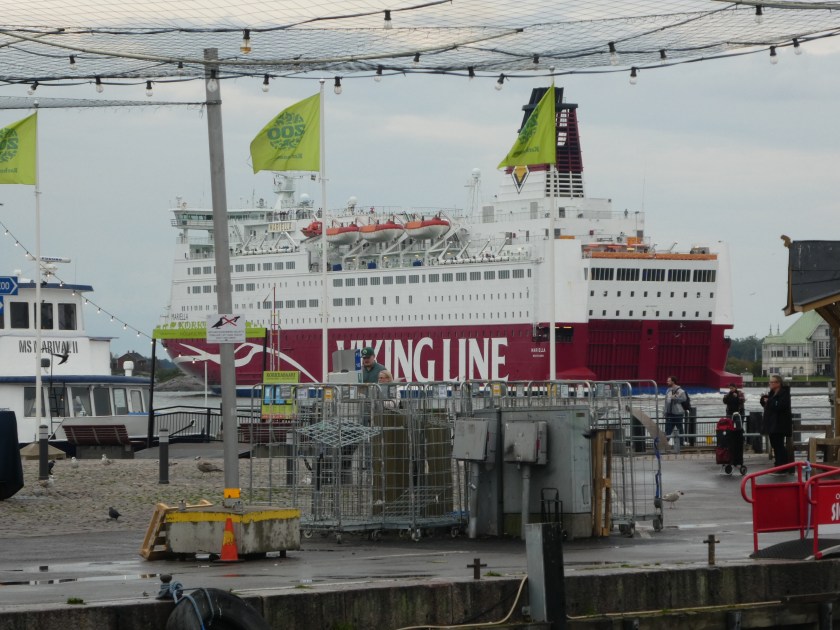
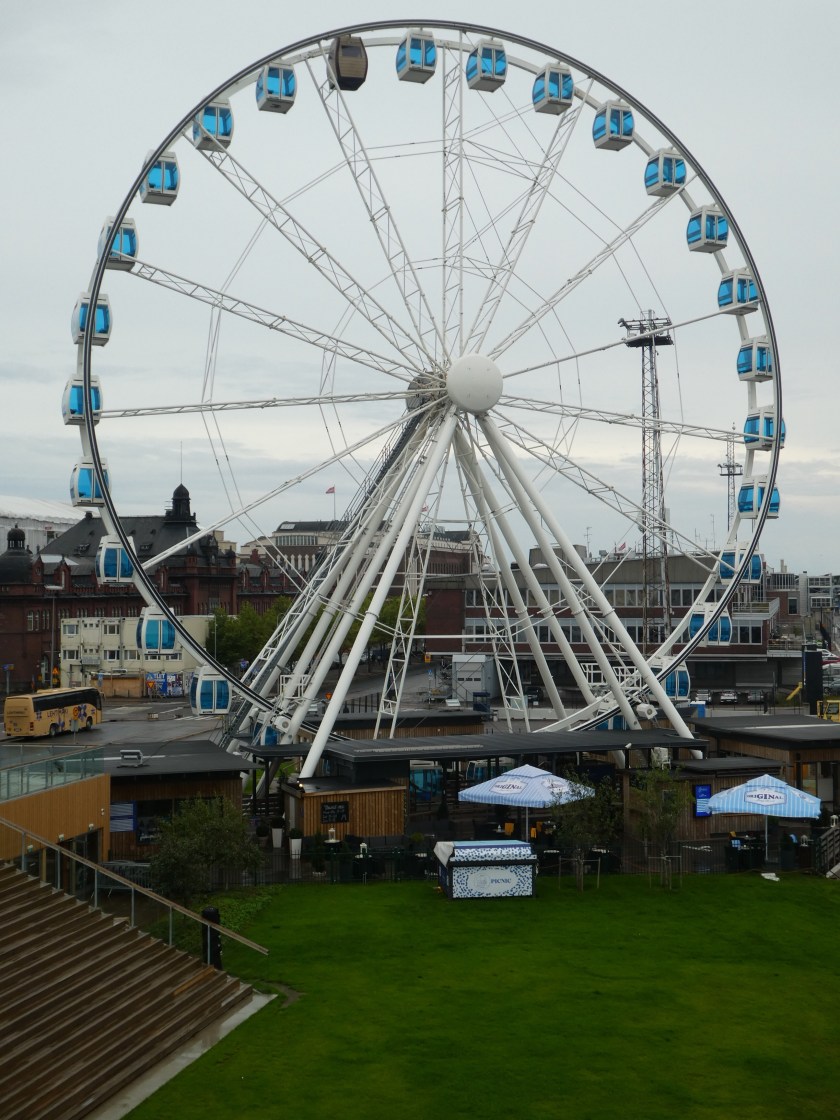
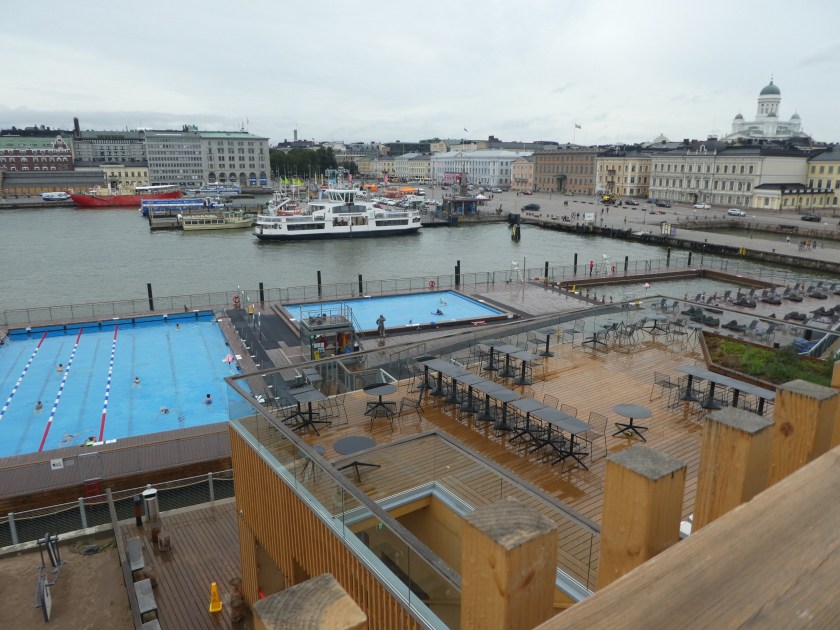
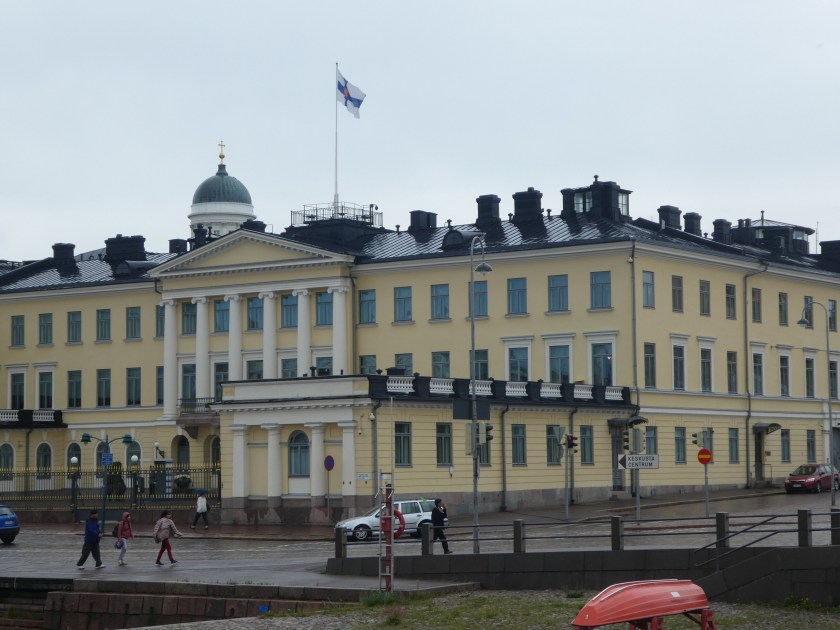
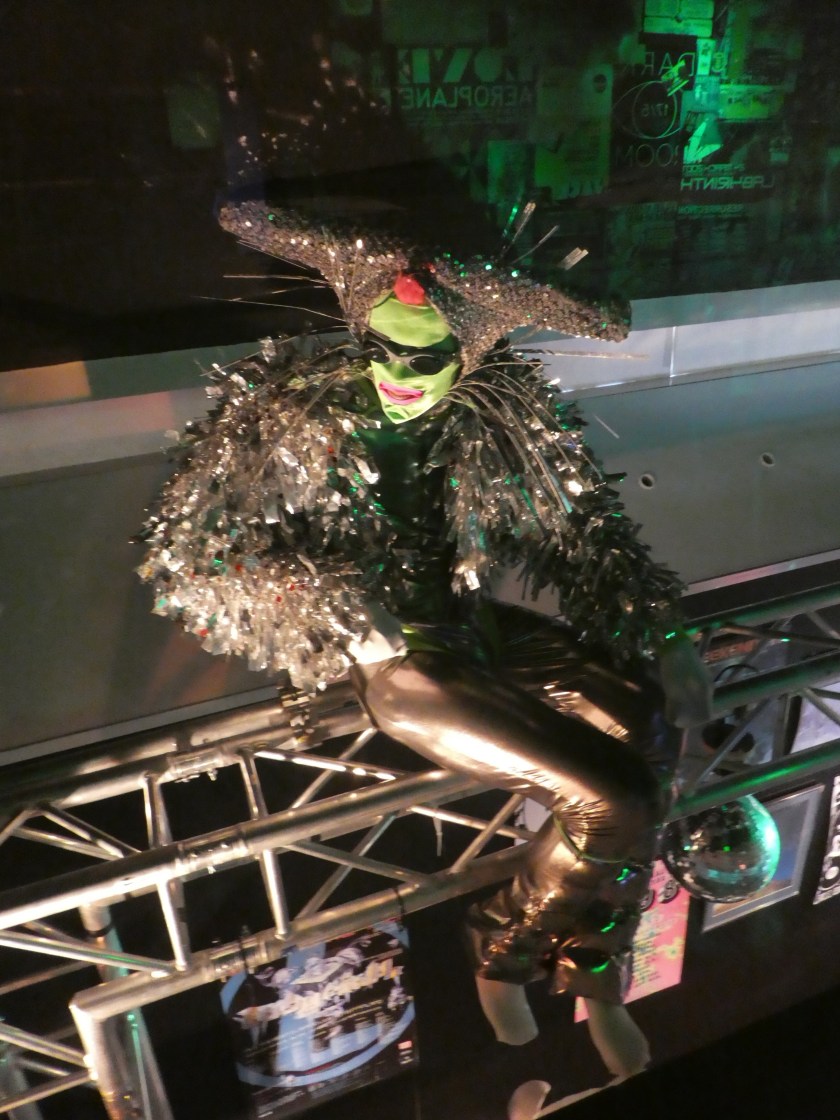
Our Viking line ferry docked right near our Eurohostel accommodation. It is a 5-10 minute walk from the center market square. Each morning and evening Bruce enjoyed the free sauna they provided. Our free walking tour guide pointed out that Fins love their saunas so much that many Fins have their own. In fact, there are three and a half million saunas in a country of only five million people. Even the giant Ferris wheel in the harbor contains two compartments that are saunas! The Ferris wheel overlooks the center market, the harbor, and a swimming pool complex of two freshwater and one saltwater pool, with of course, saunas. A big yellow Presidential Palace also overlooks the square. This is where Trump and Putin recently met. Young Fins like to party. We went to the Helsinki museum, where there is an entire floor dedicated to “clubbing.” (See costume photo.)

We highly recommend a private room at the Eurohostel. The hostel has a fine community kitchen, and provides crispy clean linens in a soundproof room. Helsinki is really pricey, about 50% more than Poland. Other than the irresistible bread at Stockman’s, we bought groceries at the cheaper Leidl market and saved a bundle cooking at the hostel. We found that three days, two before our St. Petersburg, Russia cruise, and one day after, were enough to enjoy this fun, safe city on the water.

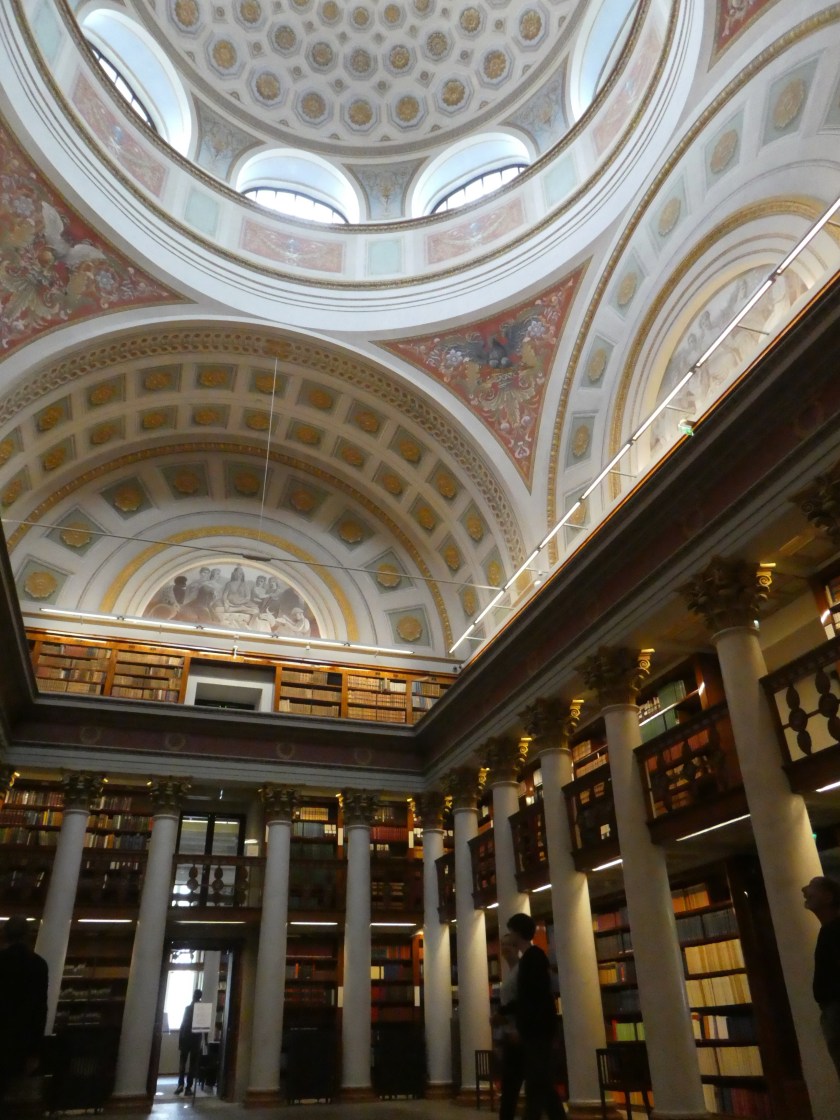
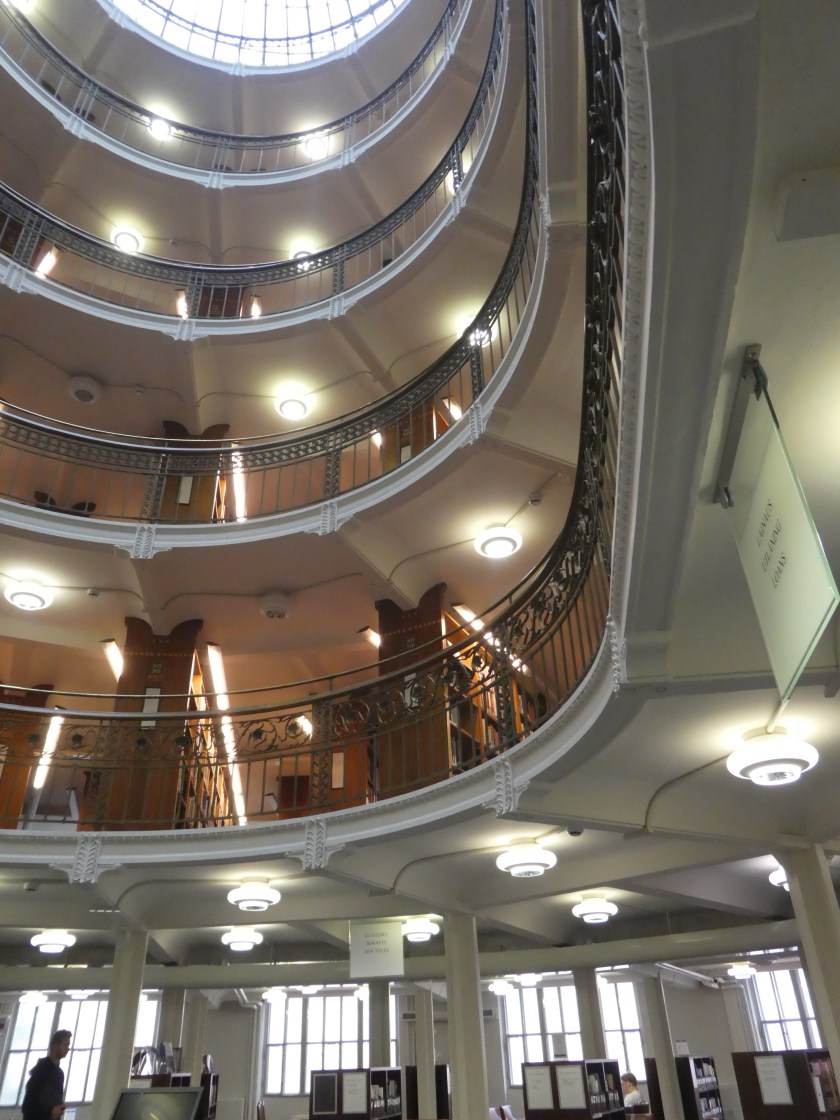
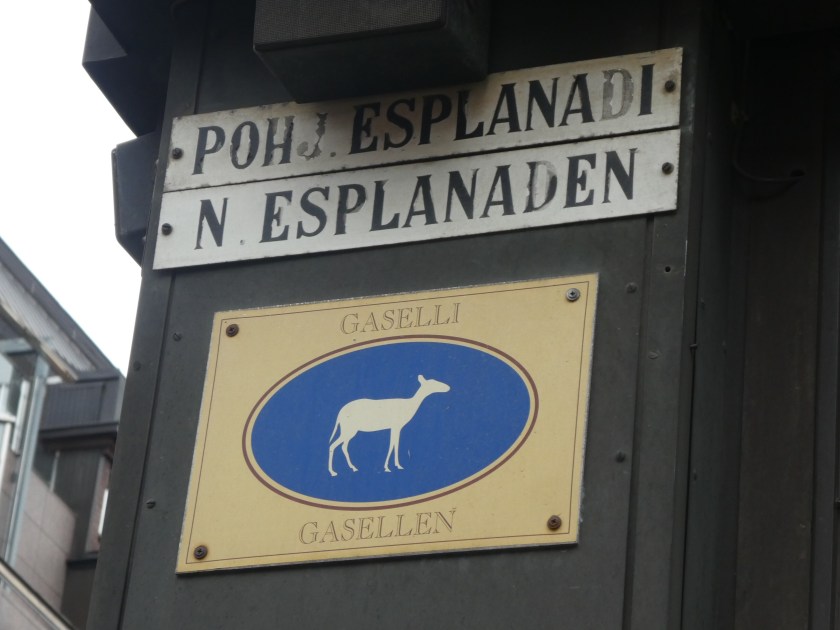
The Helsinki University Library is housed in a beautiful building with a circular interior. It rises six floors, with books on each level. Libraries in Finland aren’t just for books. They are cultural gathering places that contain computers, sewing machines, and musical instruments! What a great concept! Fins use a Montessori style method to teach children. During the elementary years, children do not receive grades. They play and learn through games at their own pace. They also learn three languages, Finnish, Swedish, and English. Finland was originally founded by Swedes. The Fins were mostly peasants with their own verbal language, but largely illiterate. Consequently, the Swedes posted pictures of animals at street corners, under the street names. So they’d say for example, “meet you at the corner of elk and hamster!” In the old town, they’ve left the signs that way as part of the cultural heritage. We found more English speaking people here than anywhere else on this trip. Though people are generally very nice, they also seem shy. Our walking tour guide said there’s even a joke about it. “How can you tell the difference between a Finnish introvert and a Finnish extrovert? An introvert looks at their shoes when they speak to you, and an extrovert looks at your shoes!” 😜 Finland was the First Nation to give women the right to vote. Fins believe in gender equality. There is no “him” or “her,” in the language, just “it.” Finland has a special law called “Every Man’s Land.” It is agreed that everyone has a right to the earth. You won’t find “no trespassing “ signs in the countryside. People are allowed to ride horses, and pick mushrooms and berries wherever they like. We were here during shoulder season so the daylight and nighttime hours were divided pretty normally. During the winter, they have 18 hours of darkness, and, in the summer, 18 hours of daylight!

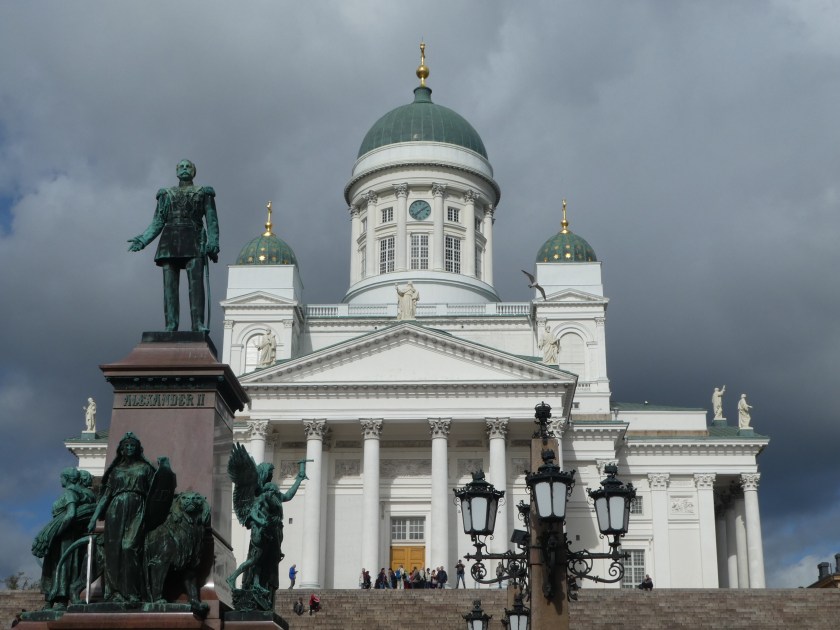
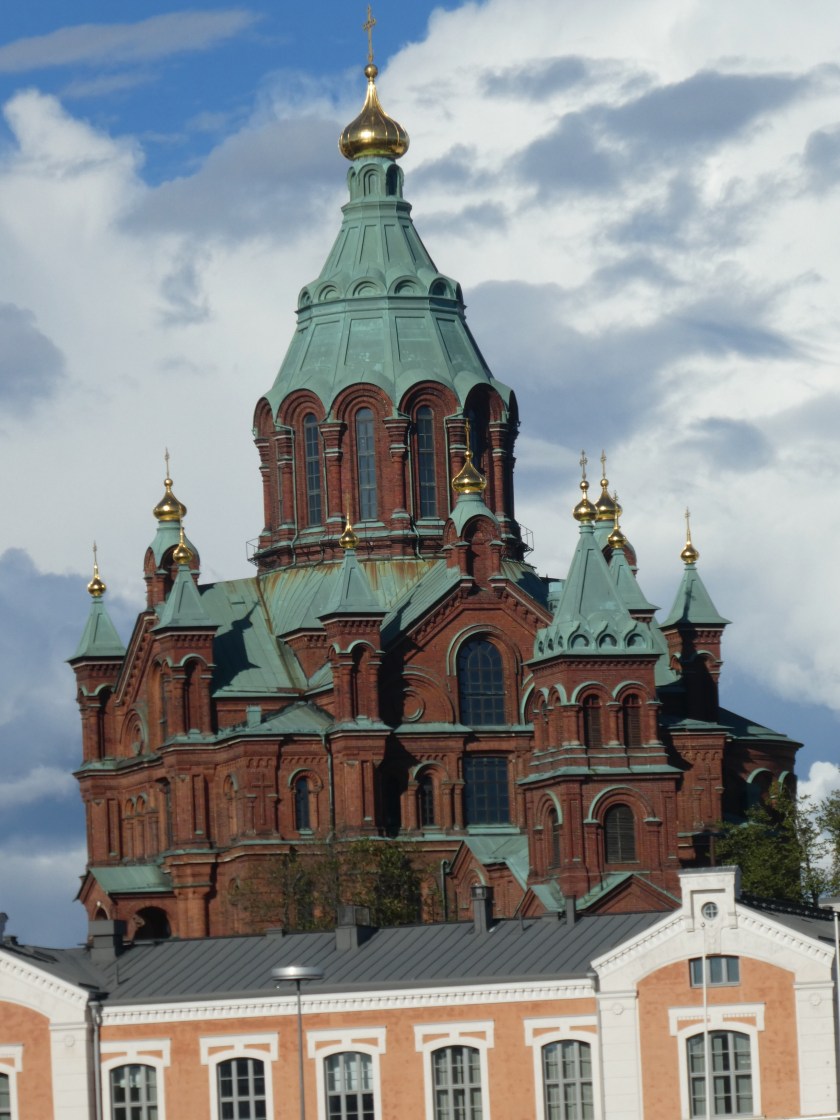
We went to Senate Square and saw the most photographed building in Helsinki, the Finnish Evangelical Lutheran Cathedral. Of course, we took a photo. Completed in 1852, it has a diverse design that matches its diverse history. It is neoclassical style, so symmetrical, with two unattached towers. One is completely empty, and the other tower houses the church-bells. The interior is Lutheran, so it is very plain. The exterior is Catholic, with Orthodox additions, so it has ornate statues, crosses, etc., and there is Hebrew writing above the entrance!

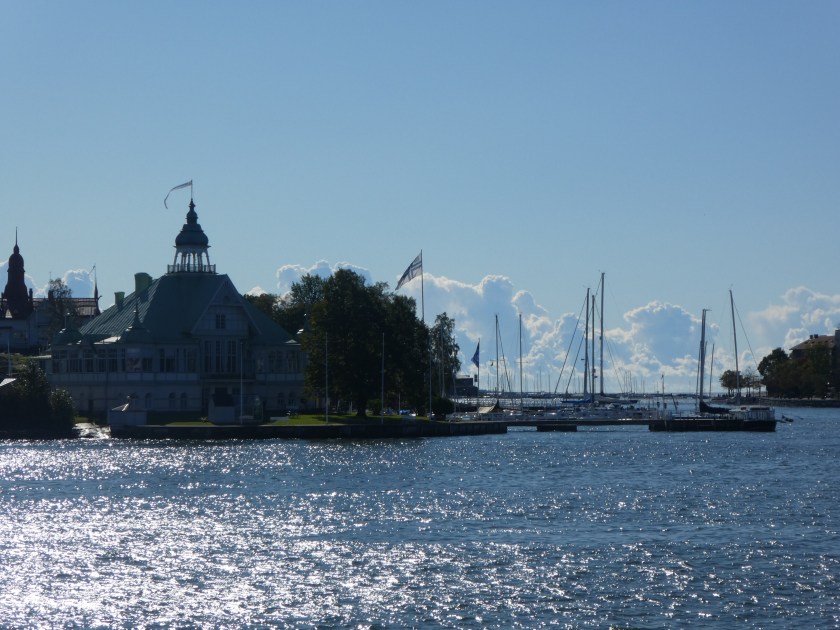
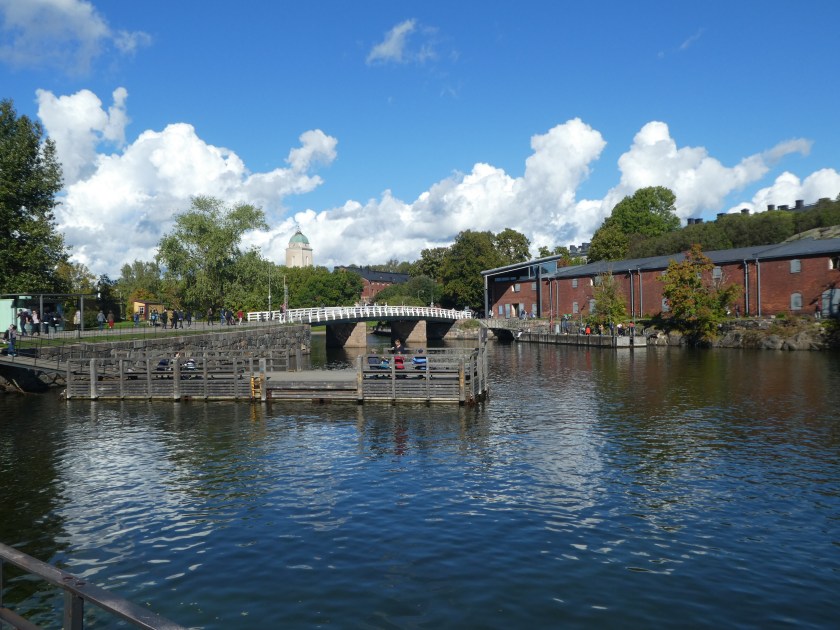
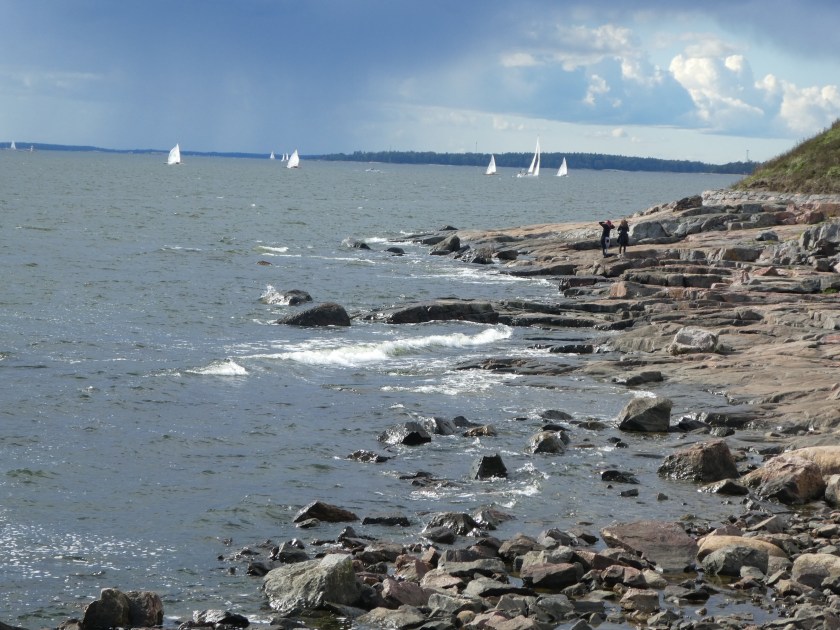
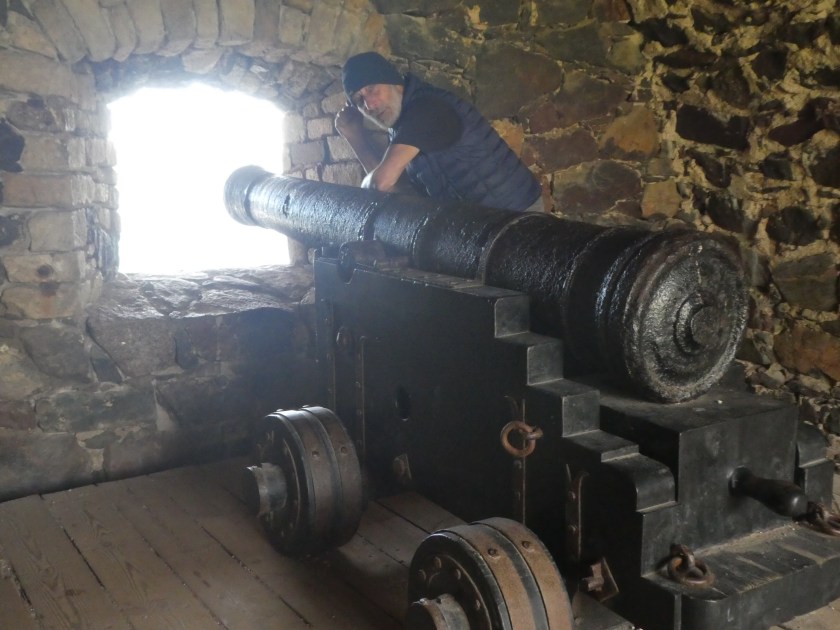
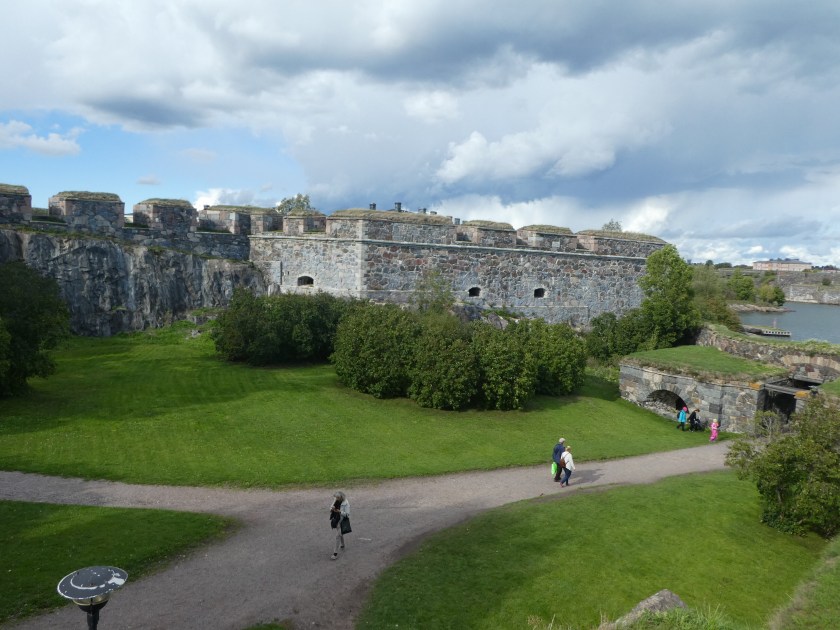
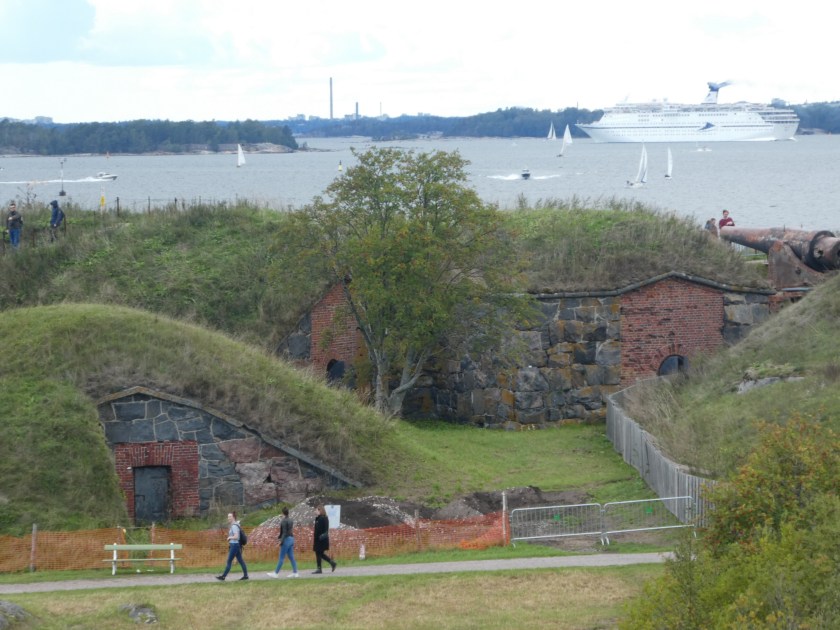
On our last day in Helsinki, we took a 15 minute ferry boat ride to charming Suomenlinna Sea Fortress, a small group of five islands off the coast. It was only 5 euro per round trip ticket. We packed a picnic and enjoyed a whole day of walking and exploring the UNESCO World Heritage site. The bastion fortress was founded in 1748 and has a rich military history that encompasses the Russo-Swedish war, the Finnish war, Crimean war, and WWII. The fortress played an important role in the defense of Finland, Sweden, and Russia. Both the Russians and the Fins used it as a prison camp. There are grass-covered bunkers sunk into the hillsides. There are also stone arches, tunnels, and hidden rooms beneath the fortress walls. Three of the five small islands are connected by foot bridges, and there are canons still in place from each war. We actually got lost on the winding pathways at one point. It is all now a peaceful, scenic get-away, home to about 800 artisans, and primarily used for cultural events and ship restoration. The islands are covered with lots of walking paths overlooking the harbor, with great views of the Baltic Sea on one side and Helsinki on the other.

We hope this post finds you all doing well and cooling off a bit! We’ll post again soon.

Love, BnL
Ready-Set-Go! (to Tallinn, Estonia, N E Eur No. 7)

Dear Friends and Family,

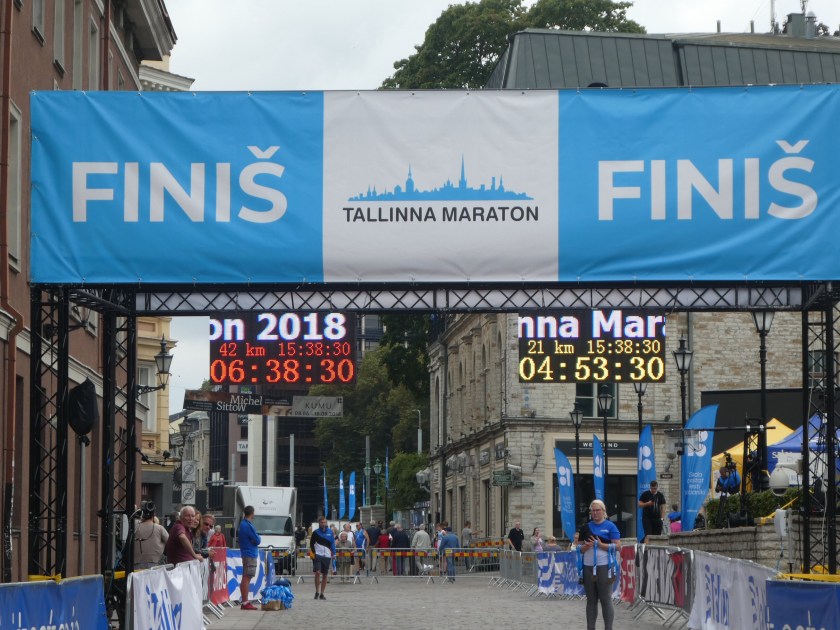
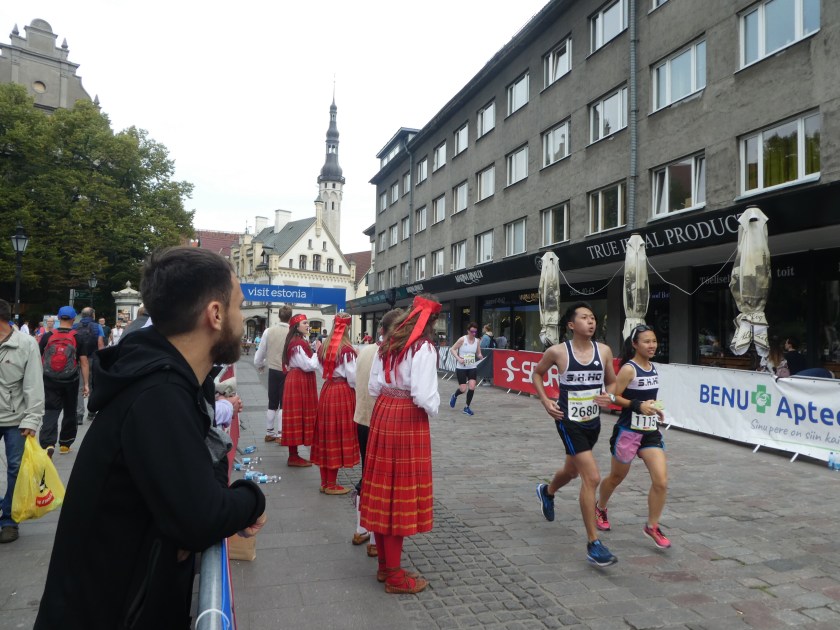
Wow! Tallinn, the capital city of Estonia, really amazed us! Approximately 12,000 people flooded in to run a marathon, and close to 5,000 ran a half-marathon, beginning and ending in Old Town, about a block from our awesome hostel, the Knight House. The cobblestone must have been killer on the runners’ feet, especially at the finish. The air was charged with excitement and energy for three days. We had complimentary pancake (crepes) breakfasts at the Knight House with friendly runners from China, Germany, Russia, and Poland, and re-hashed our own running days over strong Estonian coffee.

Estonia is pretty small and really lovely. We arrived by bus through rolling pastures and woodlands. The trees are tall and thin, with most of the foliage on the top third, very different from home. We saw farmers harvesting colorful fall crops like pumpkins and squash. The tallest point in Estonia is a hill that’s only around 300 meters high, but they call it a mountain. 😁 Estonia has 1.3 million people, with ~450k living in Tallinn. It was settled by the Danes and Germans during the fourteenth century.

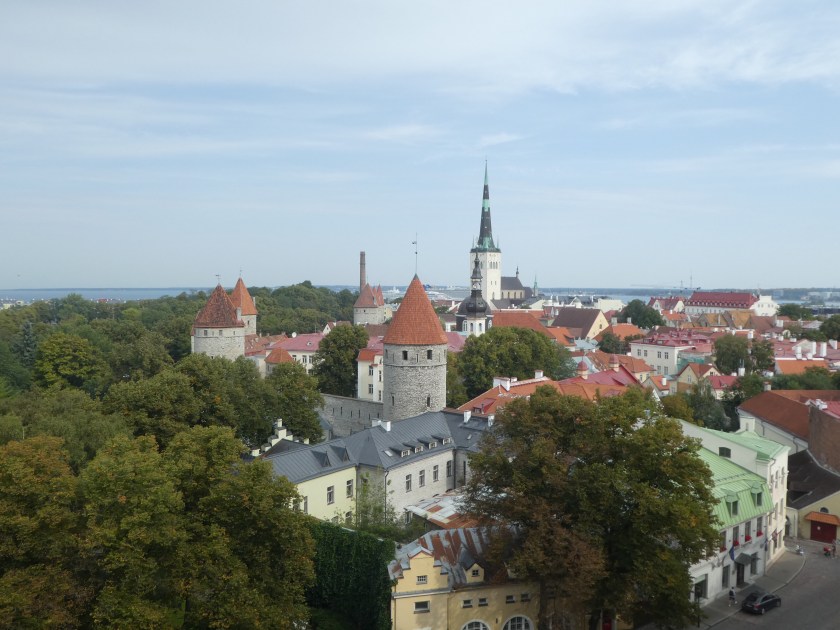
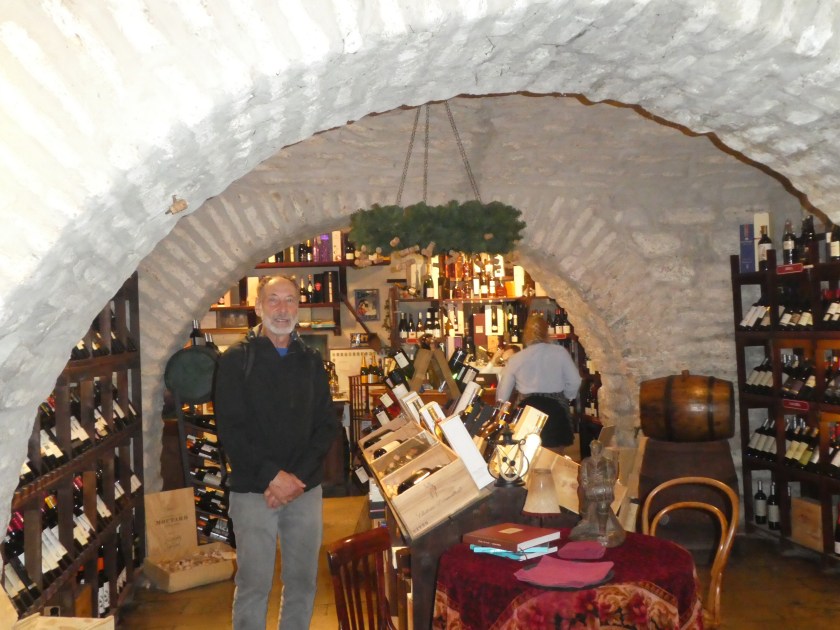
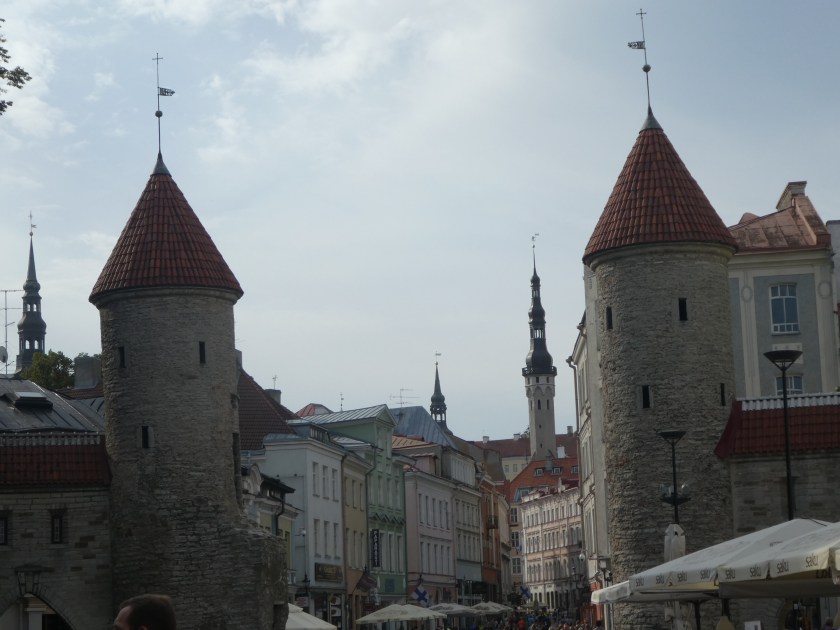
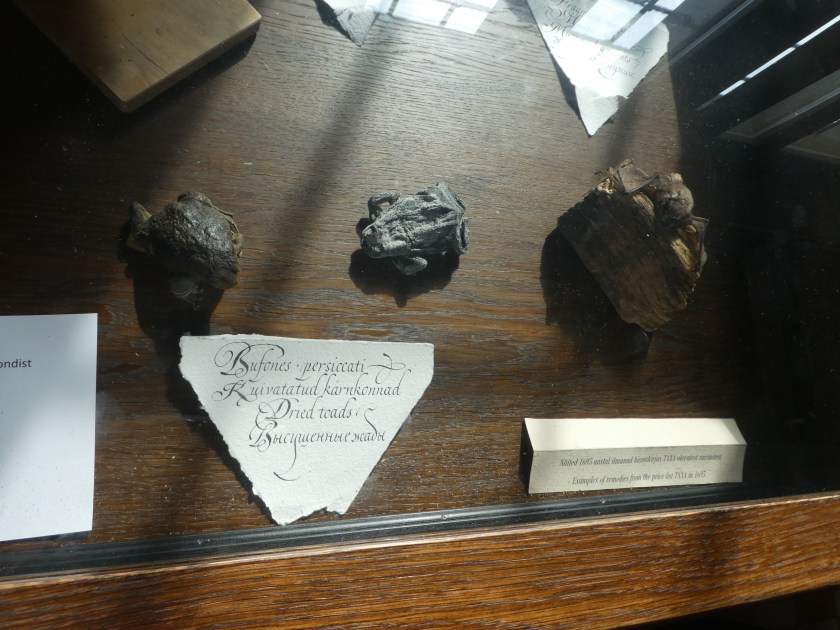
Old Town Tallinn was divided into two distinct areas. Wealthy nobles lived in upper Old Town and merchants and traders lived in lower Old Town. There are two sets of gates between them that used to be locked at 9pm. Tallinn was only 20% destroyed during WWII and most of the ancient 9km. city wall and it’s 28 towers are still intact. There are tunnels beneath the wall that citizens used for shelter during the war. As we’ve seen in the other old towns we’ve visited, lots of businesses, churches, and residences were built directly into the wall. We followed the wall around and were delighted to find arched passageways leading to charming little courtyards filled with art, souvenirs, bars and cafes. They’ve really capitalized on the whole medieval atmosphere here, with locals dressed in period costume doing their best to entice tourists. We went to a pharmacy that has been in the same location since the 14th century. It contained a display of ancient medicinal treatments including viper fat, mummy parts (a hand), and dried toads and bats. What a hoot! Our favorite discovery in the ancient wall was a built in wine bar, with several connecting rooms lined with hundreds of bottles of wine. The stones keep the wine at a perfect temperature. Really mellow jazz music echoed throughout and added magic to the wine bar atmosphere.

The city of Tallinn is 70% Estonian, 25% Russian, and 5% “other.” Our walking tour guide told us that they are a pagan nation that considers their “religion” the earth. Statistically, they are 75% atheist or agnostic, <13% Lutheran, and <12% Russian Orthodox. They only celebrate Christmas for the gift exchange and Mid-Summers in June for their pagan bonfires and booze.

Estonians call themselves the “Singing Nation,” and say they “sang themselves to freedom” in 1991. From 1988 into the 90’s, 250-300,000 people fomented a revolution against Soviet occupation. Sometimes Tallinn rebels would meet on a hilltop in upper Old Town and exchange black market western vinyl records with stirring lyrics. (The tradition continues today!) On the same hilltop, they could pick up Finnish television stations, also forbidden by the Soviets. In 1991, they organized the “Baltic Chain.” It was a chain of 2 million people holding hands that stretched across Lithuania, Latvia, and Estonia. They bravely sang forbidden songs like their national anthems, and songs of revolution. Such wonderful unity! That same year, Russia gave them back their independence.

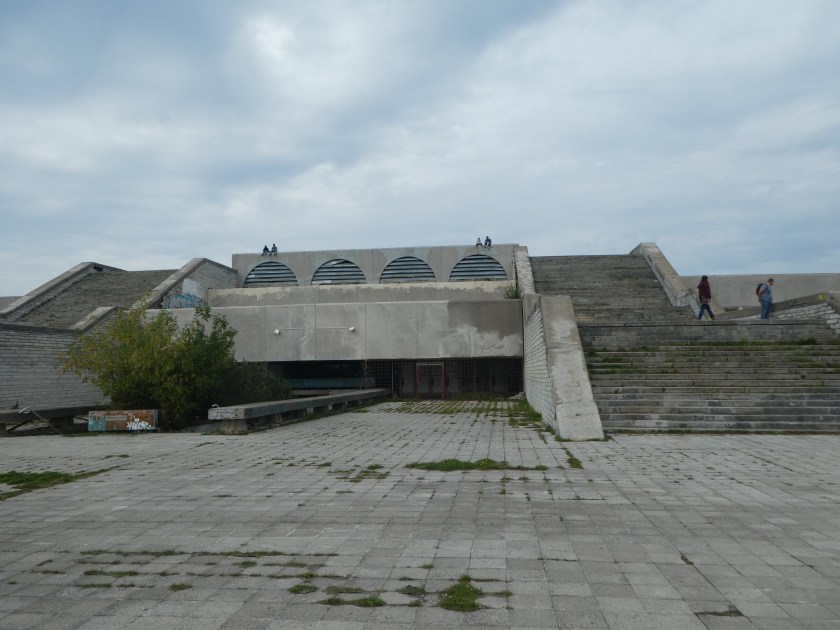
We spent time on the waterfront watching huge ferry boats coming and going from the harbor and explored a very small section of beach. A fellow traveler told us about an abandoned high-security Soviet prison right on the waterfront. It is a huge cement block structure, and fairly dilapidated now, with loads of spray-painted graffiti. Oddly, there is a black helicopter on an unmarked landing pad on one of the levels.

We ate some of the most delightful dark bread in Tallinn! We learned that Estonians don’t think of white bread as real bread. In fact, they have an altogether different word for white bread! We enjoyed a really nice fresh salmon dinner in Tallinn. Even though this is a coastal city on the Baltic Sea, the fish wasn’t that expensive. We did some cooking at our hostel and one day Bruce went to the market, list in hand. He couldn’t find eggs, so he asked two store clerks, who couldn’t understand his English. He acted out a chicken laying an egg. Laughing hysterically, they got it immediately.

We’ll close now. It’s time for eggs and toast!

Love n hugs,

BnL
Roaming Around Riga (Latvia, N E Eur #6)

Dear Friends and Family,

Four hours from Vilnius, Lithuania by bus, Riga, the capital of Latvia, sits on a wide river, the River Daugava. The river flows through Russia and Latvia, then into the Baltic Sea, making Riga an important trading center. Riga is a UNESCO world heritage site city that was founded by the Germans more than 800 years ago. It has a rich and rather dark history of occupation, similar to Poland, Latvia, and Estonia. As we mentioned in an earlier post, these countries were first occupied by the Soviets, then the Nazis, and then again by the Soviets. Even with their histories of occupation, 2018 is being widely celebrated as their centennial year of independence. Today Latvia is 52% Latvian, 38% Russian, and 10% “other,” mostly Germans and Swedes. One-third of Riga was destroyed by the Nazis during WWII. Then the Soviets began re-building. Consequently, the architecture is an interesting mix of German, Russian, and Neo-Renaissance. The expansive Old Town blends easily into the busy modern downtown.

Our Old Town Doma Plaza hostel room was on the 5th floor, 97 steps up, with no elevator. The inside leaves a lot to be desired, but the building façade is beautiful. The hostel is right in the heart of Old Town, with an upscale bar/restaurant on the cobblestone street below. With its tiny kitchen, shared bathrooms, and odd residents, the place was really funky, but very friendly. We heard great live singers/guitarists from our dining area five floors up above. Outdoor cafes, bars, souvenir shops, and clothing stores line the streets. It was very touristy, but loads of fun.

We were in Riga for three days. One day, we took an informative free (+tip) walking tour through old town. Afterwards, we wandered around a huge central market that is housed in five arched buildings and spills out into the alleyways in-between, as well. One building contained every kind of fish, including the famous “Riga gold sprats.” These are like sardines, but golden colored. Another had every cut of meat imaginable. There was a building for cheeses, nuts, and dried fruit, and another for produce. Bruce sampled smoked salmon and also sauerkraut, while Linda enjoyed raspberries and delicious European coffee. We both found the cheesecake raisin danish irresistible!

Another day, we strolled across the River Daugava to the National Library. It is in a building that looks like a mountain. It was designed by Gunnar Birkerts, a Latvian-American architect. We also visited the KGB building, known as “the corner house. This is where the Russian KGB, aka. “Cheka,” imprisoned, interrogated, and executed enemies of the state. They beat and tortured prisoners so badly. Of the approximately 48,000 people who entered the building, only about 10% survived. Our guided tour was bone-chilling and left us feeling fearful as we exited. We bought a booklet about the museum and its history. Our wonderful guide told us the museum is being shut down this month because Russia is applying pressure. When we go to St Petersburg, we’ve decided not to take our KGB book with us. We’ll leave it at our hostel in Helsinki.

On our third day in Riga, we walked across a different bridge, and happened upon a Latvian Food Festival! Half of the exhibits were local and half were international. We sampled local meats, cheeses, coffee, teas, wines, bread, dried fruit and more. We each received 4 chips to award to the best food stations we found. At the end of the festival, the vendor with the most chips goes to an international food festival. We spent most of our time sampling local cuisine. It was a blast! We also sampled international foods.“Handsome Henri” from Portugal served us delicious coffee. He seemed smitten with Linda and invited us to dinner when we come to Portugal. We all said goodbye with handshakes and double-cheek kisses. Bruce has his business card, which he would like to toss, but Linda is trip-planning!😜 (jk). It was a really busy, fun filled 3 days in Riga!

We are a bit behind on our blog so will close for now.

Love n hugs, BnL
Vilnius, Lithuania ROCKS! (N E Eur#5)

Dear Friends and Family,

On Saturday, we took the bus 8 hours from Warsaw to Vilnius, the capital of Lithuania. The clock moved forward another hour too, so we are now 10 hours ahead of you. The bus didn’t stop for food, so we were hungry. We quickly dropped our packs at our Old Town B&B and headed out for a bite to eat . We were shocked to find ourselves in the middle of 8-10 thousand people attending a giant free rock fest they hold annually on the September 1st weekend, the “Vilnius City Fiesta”,kicking off the Vilnius University school year. University education is nearly free here..3000 euros a year, and the streets were swarming with young men and women, drinking and dancing to the loudest bands we’ve ever heard. What a backdrop to the street food we hungrily gobbled up. There were long lines, but they weren’t for food. Everyone was buying beer. Vilnius has had to discourage drinking by limiting evening purchase times. Sunday night was another Rock Fest and finally, on Monday, students went to class.

Our B&B was delightfully quiet after all that rocking out. On Sunday, we walked to a street market where they sold hemp infused food and drinks, veggies, sausages, and smoked fish. Smoking high THC weed here is punishable by 2 years in prison, but the purely CBD edible version is quite legal. It produces no high.

Linda was too tummy sick to go on a walking tour, so Bruce attended alone and learned a lot about Lithuanian history. This is a very old, well preserved town and country that Hitler didn’t manage to destroy. It had one of the largest Jewish populations in Europe, in fact, Vilnius was named after a Jewish man, and has always had a reputation for tolerance. Vilnius has 40 churches, some Catholic and many Greek Orthodox, but it was a Pagan stronghold for many centuries. The tour guide quipped that the #2 religion here is actually Basketball. Lithuanians are exceptionally tall and they love the game.

There is a self-proclaimed country within Vilnius called Uzupis. It’s actually an artist colony of around 10,000 people. They have their own constitution, prime minister, and mayor. Their artistic statement is a hand with a large hole in the palm. It symbolizes their belief that art cannot be stopped, it will find a way to be expressed! They brought in eleven retired grand pianos and have them scattered around “to die amidst artists.” A sign post shows the way to other artistic outposts in Europe.

The food was good here. We especially enjoyed the blyneliai su varsky, a dessert kind of like blintzes. They are light pancakes stacked with cottage cheese between the layers, topped with a tangy red fruit sauce and drizzled with thin sour cream, then sprinkled with powdered sugar. Mmmm! We made our own omelettes in the mornings in our cute little kitchenette. Our bungalow was built between the 16th and 17th centuries and was really comfortable. We had a kitchen/living room downstairs and a loft bedroom above. We’re on our way to Riga, Latvia where we’ll be staying at a hostel.

Will post again soon!

Love n hugs,

BnL